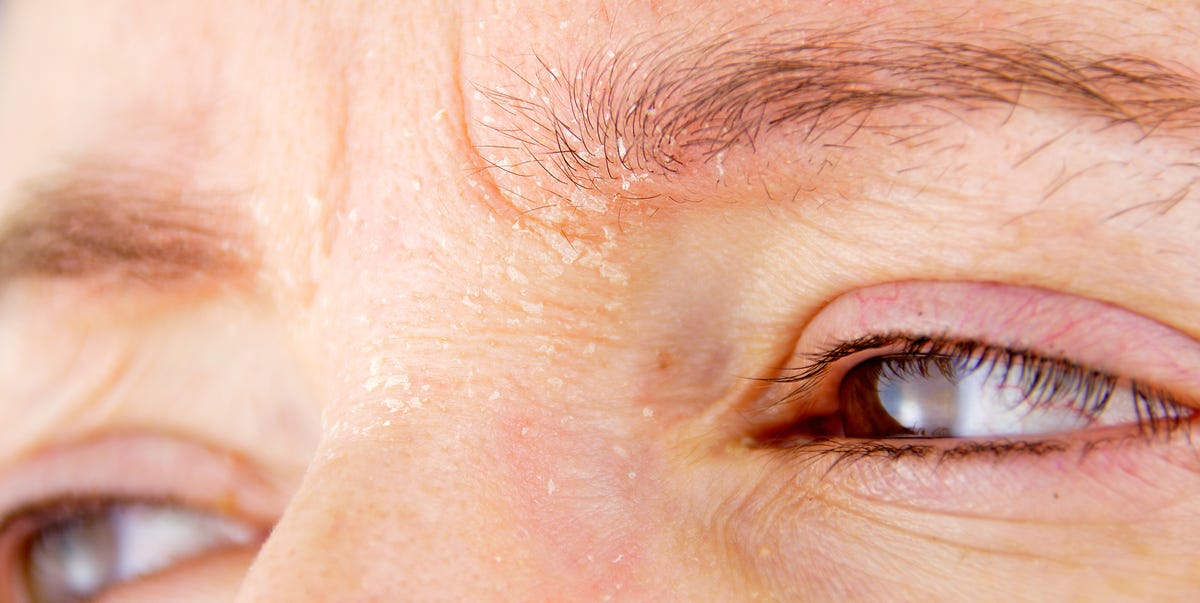
Facial eczema has a special talent for showing up exactly where you do not want it: around the eyes, on the cheeks, across the forehead, beside the nose, or near the mouth like an uninvited guest with very dry skin. Unlike a rash hidden under a sleeve, eczema on the face is visible, sensitive, and emotionally frustrating. It may sting when you wash your face, itch when you are trying to sleep, or flare right before a photo, meeting, date, or family event. Skin, apparently, has a dramatic sense of timing.
The good news is that eczema on the face is manageable. It is not contagious, it is not caused by poor hygiene, and it does not mean your skin is “bad.” Facial eczema usually happens when the skin barrier becomes irritated, inflamed, overly dry, or reactive to triggers such as weather, allergens, cosmetics, stress, sweat, or certain skincare products. With the right routine, treatment plan, and prevention habits, many people can calm flare-ups and keep their face comfortable for longer stretches.
This in-depth guide explains the common symptoms, causes, treatment options, prevention strategies, and everyday experiences of dealing with facial eczema in clear, practical language.
What Is Eczema on the Face?
Eczema is a broad term for inflammatory skin conditions that can cause dryness, itching, redness, scaling, swelling, cracking, and irritation. The most common type is atopic dermatitis, but facial eczema may also be related to contact dermatitis, seborrheic dermatitis, irritant reactions, or a combination of conditions.
When eczema affects the face, it can feel more intense because facial skin is thinner and more exposed than skin on many other parts of the body. The eyelids, for example, are especially delicate. A product that barely bothers your hands may make your eyelids throw a tiny protest march. Facial skin also deals with constant contact from cleansers, sunscreen, makeup, shaving products, masks, pillowcases, sweat, weather changes, and airborne allergens.
Common Symptoms of Eczema on the Face
Symptoms vary from person to person, but facial eczema often includes a mix of visible changes and uncomfortable sensations. Some people have mild dryness and occasional itching. Others experience painful, recurring flare-ups that affect sleep, confidence, and daily routines.
Dry, Rough, or Flaky Skin
One of the most common signs is persistent dryness. The skin may look dull, feel tight after washing, or flake around the eyebrows, cheeks, nose, chin, or hairline. Moisturizer may seem to disappear five minutes after application, as if your skin has developed a suspiciously expensive drinking habit.
Redness or Discoloration
On lighter skin tones, eczema may appear pink or red. On darker skin tones, it may look brown, gray, purple, ashy, or darker than the surrounding skin. After a flare heals, discoloration may linger for weeks or months, especially if the skin was scratched or inflamed for a long time.
Itching, Burning, or Stinging
Itching is a classic eczema symptom, but facial eczema may also burn or sting, especially when applying skincare products. Even products labeled “gentle” can cause discomfort during a flare because the skin barrier is already irritated.
Swelling Around the Eyes
Eyelid eczema can cause puffiness, scaling, itching, and redness or discoloration around the eyes. Because the eyelid skin is thin and close to the eye itself, treatment in this area should be cautious. Do not use strong steroid creams near the eyes unless directed by a healthcare professional.
Cracking, Oozing, or Crusting
More severe eczema may crack, bleed, ooze clear fluid, or develop crusts after scratching. These symptoms can increase the risk of infection. Yellow crusting, warmth, worsening pain, pus, fever, or rapidly spreading redness should be checked by a clinician.
What Causes Eczema on the Face?
Facial eczema usually develops from a combination of skin barrier weakness, immune system overreaction, genetics, and environmental triggers. Think of the skin barrier as your face’s security team. When it is strong, it keeps moisture in and irritants out. When it is weakened, irritants sneak in, water escapes, and inflammation starts sending angry emails.
Atopic Dermatitis
Atopic dermatitis is a chronic inflammatory skin condition that often runs in families and may occur alongside allergies, asthma, or hay fever. It can appear in infancy, childhood, or adulthood. On the face, it commonly affects the cheeks, eyelids, forehead, and around the mouth.
Contact Dermatitis
Contact dermatitis happens when the skin reacts to something that touches it. Irritant contact dermatitis may be triggered by harsh cleansers, exfoliating acids, retinoids, shaving products, alcohol-based toners, or frequent washing. Allergic contact dermatitis occurs when the immune system reacts to an allergen, such as fragrance, preservatives, nickel, hair dye, nail polish ingredients, sunscreen filters, or certain cosmetics.
Seborrheic Dermatitis
Seborrheic dermatitis can affect oily areas of the face, especially around the nose, eyebrows, scalp, ears, and beard area. It often causes greasy flakes, redness, itching, and irritation. It is related to inflammation and the skin’s response to yeast that naturally lives on the skin.
Weather and Climate
Cold air, wind, low humidity, and indoor heating can dry out facial skin. Hot weather, sweat, and humidity can also trigger itching and irritation for some people. In other words, skin can complain in both winter and summer, which feels unfair but is very on-brand for eczema.
Skincare and Makeup Products
Fragrance, essential oils, exfoliating scrubs, strong acne treatments, chemical peels, anti-aging products, and certain preservatives may trigger facial eczema. Even “natural” products can irritate sensitive skin. Poison ivy is natural too, and nobody invites it to brunch.
Stress and Lack of Sleep
Stress does not mean eczema is “all in your head.” Stress can influence inflammation, scratching, sleep quality, and skin barrier recovery. Poor sleep can make itching harder to tolerate, creating a frustrating itch-scratch cycle.
How Facial Eczema Is Diagnosed
A healthcare professional or dermatologist can often diagnose eczema by examining the skin and asking about symptoms, personal history, family history, skincare products, work exposure, allergies, and flare patterns. If contact dermatitis is suspected, patch testing may help identify specific allergens. This is especially useful for eyelid eczema or rashes that keep returning despite a careful routine.
Because facial rashes can look similar, diagnosis matters. Rosacea, acne, psoriasis, fungal infections, perioral dermatitis, lupus-related rashes, and skin infections may mimic eczema. Treating the wrong condition with the wrong product can make things worse, so persistent or severe symptoms deserve professional evaluation.
Treatment for Eczema on the Face
Treatment depends on the type, severity, location, age of the patient, and possible triggers. Facial eczema requires a gentle approach because the skin is sensitive and some medications are not ideal for long-term use on the face.
1. Build a Gentle Skincare Routine
A simple routine is often the foundation of treatment. Use a mild, fragrance-free cleanser or rinse with lukewarm water when possible. Avoid hot water, scrubbing brushes, rough washcloths, and aggressive exfoliation. Pat the skin dry instead of rubbing it like you are sanding a table.
Apply moisturizer soon after washing to seal in hydration. Creams and ointments are usually better than lightweight lotions for eczema-prone skin. Look for ingredients such as petrolatum, ceramides, glycerin, hyaluronic acid, colloidal oatmeal, and dimethicone. Choose fragrance-free products, not merely “unscented,” because unscented products may still contain masking fragrances.
2. Use Topical Corticosteroids Carefully
Low-strength topical corticosteroids may be used for short periods to reduce inflammation, redness, and itching. However, the face is more prone to side effects such as thinning skin, acne-like bumps, discoloration, and irritation when steroids are overused. Around the eyes, steroids require extra caution because of potential eye-related risks. Always follow medical instructions for strength, amount, and duration.
3. Consider Non-Steroid Prescription Creams
For sensitive facial areas or recurring flares, clinicians may prescribe non-steroid topical medicines such as calcineurin inhibitors or other anti-inflammatory creams. These can be helpful for eyelids, around the mouth, and areas where repeated steroid use is not ideal. Newer prescription options may also be considered for certain patients with mild to moderate eczema.
4. Treat Infection If It Appears
Scratching can break the skin and allow bacteria or viruses to enter. Signs of infection include increasing pain, warmth, swelling, pus, honey-colored crusting, fever, or eczema that suddenly worsens. A healthcare professional may recommend antibacterial, antiviral, or other targeted treatment depending on the cause.
5. Manage Itch Without Scratching
Scratching may feel satisfying for three seconds, then it usually makes inflammation worse. Try a cool compress, moisturizer kept in the refrigerator, short nails, soft cotton gloves at night, or pressing gently on itchy areas instead of scratching. If itch is severe or sleep is affected, ask a clinician about appropriate medication options.
6. Identify and Remove Triggers
Keep a simple flare diary for two to four weeks. Track skincare products, makeup, sunscreen, shaving products, weather changes, stress, foods if relevant, mask use, hair products, and sleep. Patterns may appear. For example, a cheek flare might follow a new blush, while eyelid eczema may come from nail polish, hair dye, fragrance, or airborne allergens rather than eye cream itself.
Prevention: How to Reduce Facial Eczema Flare-Ups
Prevention is not about creating a perfect life where stress, weather, and laundry detergent never attack. It is about lowering the number of triggers your skin has to fight at once.
Choose Fragrance-Free Everything
Use fragrance-free cleanser, moisturizer, sunscreen, laundry detergent, and shaving products. Fragrance is one of the most common irritants for sensitive facial skin. Essential oils may smell like a spa, but eczema-prone skin may interpret them as a personal insult.
Moisturize Every Day, Even When Skin Looks Better
Many people stop moisturizing when the flare clears. Unfortunately, eczema-prone skin needs maintenance. Daily moisturizer helps support the skin barrier and may reduce the chance of future flares.
Patch Test New Products
Before applying a new product all over your face, test it on a small area for several days. The side of the jaw or behind the ear can be useful spots. Introduce one new product at a time so you know what caused trouble if your skin reacts.
Protect Skin From Weather
In cold or windy weather, apply a richer moisturizer before going outside. In dry indoor air, a humidifier may help. In sunny weather, use a gentle, broad-spectrum sunscreen that your skin tolerates. Mineral sunscreens with zinc oxide or titanium dioxide may be better tolerated by some people with sensitive skin.
Avoid Over-Exfoliating
Scrubs, acids, retinoids, and peeling products can be too much during or soon after a flare. If you use acne or anti-aging treatments, ask a dermatologist how to balance them with eczema-prone skin. Your face does not need to feel like polished marble to be healthy.
Wash Pillowcases and Masks Often
Pillowcases, face masks, scarves, helmets, and phone screens can collect sweat, oils, bacteria, detergent residue, and skincare products. Use soft fabrics, avoid scratchy materials, and wash items with fragrance-free detergent.
When to See a Dermatologist
See a dermatologist or healthcare professional if facial eczema is severe, painful, spreading, affecting the eyelids, interfering with sleep, showing signs of infection, or not improving with basic care. Also get help if you need steroid creams repeatedly, if the rash appears around the mouth after using topical steroids, or if you are unsure whether the rash is truly eczema.
Children, pregnant people, and anyone with eczema near the eyes should get personalized guidance. Facial skin deserves careful treatment, not a random product experiment from the back of the bathroom cabinet.
Real-Life Experiences and Practical Lessons From Managing Facial Eczema
Living with eczema on the face is not just a medical issue; it is a daily-life issue. People often describe waking up and checking the mirror before checking their phone. Is the redness calmer today? Are the flakes back? Will makeup sting? Can sunscreen go on without causing a tiny fire drill on the cheeks? Facial eczema can make ordinary routines feel like chemistry experiments with emotional consequences.
One common experience is the “product panic.” Someone buys a new cleanser because the label says clean, botanical, glow-boosting, dermatologist-inspired, and possibly blessed by moonlight. Two days later, their eyelids are itchy and their cheeks feel like paper. The lesson is simple but powerful: eczema-prone skin usually prefers boring products. A plain, fragrance-free moisturizer may not look glamorous on a shelf, but it often performs better than a fancy cream with 47 plant extracts and a perfume cloud.
Another experience is the temptation to cover everything immediately. Many people with facial eczema reach for concealer or foundation during a flare. That is understandable. Confidence matters. But heavy makeup can sometimes worsen irritation, especially if it contains fragrance, preservatives, drying alcohols, or long-wear ingredients that require aggressive removal. A kinder strategy is to calm the skin first: moisturize, use prescribed medicine if needed, choose minimal makeup when possible, and remove it gently with a non-irritating cleanser.
People also learn that triggers stack. A flare may not come from one thing. It may be the combination of poor sleep, cold wind, a stressful deadline, a new sunscreen, and three cups of coffee followed by forgetting moisturizer. The skin finally says, “Absolutely not,” and launches a flare. This is why a diary can help. It does not need to be complicated. Write down the date, symptoms, products used, weather, stress level, and anything new. Over time, patterns become easier to spot.
Social situations can be hard too. Well-meaning people may ask, “What happened to your face?” which is rarely the soothing phrase they think it is. A simple response can help: “It’s eczema. It flares sometimes, but I’m treating it.” You do not owe anyone a full medical TED Talk. Protecting your peace is part of protecting your skin.
Perhaps the biggest lesson is patience. Facial eczema often improves gradually, not overnight. A good routine may take two to six weeks to show its full benefit. Prescription treatments may need adjustment. Triggers may take time to identify. The goal is not perfect skin every day; the goal is calmer skin, fewer flares, less itching, and a routine you can actually maintain.
Conclusion
Eczema on the face can be uncomfortable, visible, and frustrating, but it is also highly manageable with the right approach. The most effective plan usually combines gentle skincare, daily moisturizing, trigger avoidance, careful use of medications, and professional guidance when symptoms are persistent or severe. Because facial skin is delicate, especially around the eyes and mouth, avoid harsh products and do not overuse steroid creams without medical advice.
Think of facial eczema care as a long-term relationship with your skin. It needs consistency, patience, and fewer dramatic surprises. Keep the routine simple, protect the skin barrier, pay attention to patterns, and get help when flare-ups refuse to cooperate. Your face does not have to be flawless to be healthy, comfortable, and confidently yours.