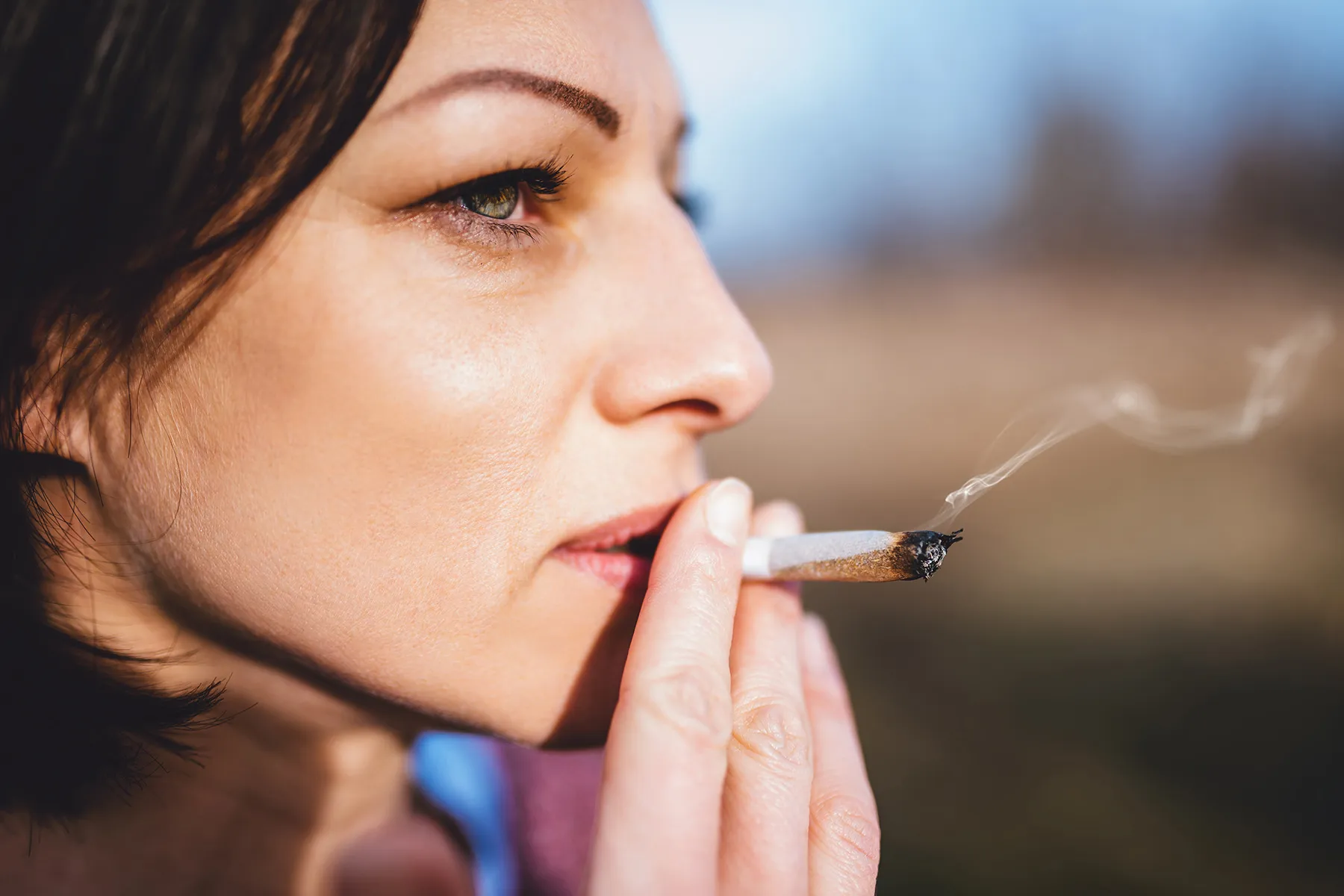
Marijuana has acquired a reputation for being “natural,” but poison ivy is natural too, and nobody recommends rolling around in it. When cannabis is burned, the resulting smoke contains irritants, fine particles, toxic gases, and cancer-causing chemicals that enter the lungs.
So, does marijuana cause lung cancer? The most accurate answer is that research has not yet proved that marijuana smoking causes lung cancer in the same clear, dose-dependent way tobacco does. However, cannabis smoke unquestionably damages the respiratory system, and emerging evidence suggests that heavy, long-term use may increase lung cancer risk. A lack of definitive proof should not be mistaken for a clean bill of health.
The Short Answer: The Evidence Is Concerning but Not Conclusive
Scientists have spent decades studying cigarettes, producing enormous datasets that clearly connect tobacco smoking with lung cancer. Marijuana research has had a rougher journey. Legal restrictions, inconsistent product strength, changing consumption methods, and frequent tobacco co-use have made cannabis unusually difficult to study.
Older population studies often found no statistically significant increase in lung cancer among people who smoked marijuana. A major National Academies review reported moderate evidence of no statistical association between cannabis smoking and lung cancer incidence in the available studies. A 2019 systematic review reached a more cautious conclusion: the evidence was insufficient because exposure was generally low, relatively few participants smoked only marijuana, and many studies had methodological weaknesses.
More recent research has raised fresh concerns. A 2026 retrospective cohort study found that people diagnosed with cannabis use disorder had a substantially higher recorded risk of lung or bronchus cancer than matched people without that diagnosis. However, experts questioned whether tobacco exposure and other confounding factors were fully controlled. The study represents an important warning signal, not final proof that cannabis caused the cancers.
What Marijuana Smoke Does to the Lungs
Whatever future cancer studies discover, the immediate respiratory effects of smoking marijuana are not mysterious. Smoke from burning cannabis contains many of the same toxins, irritants, and carcinogens found in tobacco smoke. These include substances such as benzene, carbon monoxide, ammonia, tar, and polycyclic aromatic hydrocarbons.
According to the Centers for Disease Control and Prevention, smoked cannabis can damage lung tissue, scar the lungs, and injure small blood vessels. Regular smoking is associated with coughing, mucus production, wheezing, and bronchitis. These symptoms often improve after a person stops smoking cannabis, which is encouragingbut it also demonstrates that the smoke was doing something other than delivering a relaxing evening.
Chronic Bronchitis and Airway Inflammation
Frequent marijuana smoking can inflame the bronchial tubes, increasing mucus and making a persistent cough more likely. Some users develop morning phlegm, chest tightness, wheezing, or shortness of breath. These problems do not automatically mean someone has cancer, but they should not be dismissed as the respiratory equivalent of background music.
Changes in Lung Tissue
Studies have identified airway irritation and cellular changes in marijuana smokers. Certain changes resemble abnormalities observed in people exposed to tobacco smoke, creating a biologically plausible pathway through which years of repeated exposure might contribute to cancer. Biological plausibility, however, is not the same as proving how frequently cancer occurs in real populations.
Reduced Defense Against Infection
Marijuana smoke can impair cells that help clear particles and germs from the airways. This may leave some users more vulnerable to respiratory infections, particularly people with weakened immune systems. Mold contamination is another concern for immunocompromised individuals because fungi can sometimes grow on cannabis products.
Why the Lung Cancer Question Is So Difficult to Answer
Many Marijuana Users Also Smoke Tobacco
Tobacco is an overwhelmingly powerful lung cancer risk factor. When a study participant smokes cigarettes, cannabis, or both, researchers must determine which exposure contributed to a later cancer diagnosis. Even advanced statistical adjustments cannot perfectly reconstruct decades of real-life behavior.
Blunts further complicate matters because they typically use cigar or tobacco-based wrappers. Someone may describe the habit as “only marijuana” while still inhaling tobacco combustion products.
Cannabis Exposure Is Hard to Measure
Cigarette research commonly uses pack-years: packs smoked per day multiplied by years of smoking. Marijuana does not have an equally reliable standard. One joint may contain far more cannabis than another, and potency, filtration, puff volume, sharing habits, and consumption methods vary dramatically.
A “joint-year” is sometimes defined as one joint per day for one year, but it remains an imperfect measurement. Comparing a small personal joint with a large shared blunt is rather like counting a teacup and a swimming pool as two servings of water.
Lung Cancer Can Take Decades to Develop
Many marijuana users in earlier studies were relatively young or had not been followed long enough for lung cancer to appear. Cannabis use also tended to be less frequent than cigarette use. A person smoking several joints per week may inhale fewer total combustion products than someone smoking 20 cigarettes every day, although each inhalation of marijuana smoke still carries harmful material.
Products and Patterns Keep Changing
Today’s cannabis market includes high-potency flower, concentrates, vape cartridges, dabs, tinctures, beverages, and edibles. A study that records only “cannabis use” may lump together people whose lungs experienced completely different exposures. This makes headlines simpler than the scienceand headlines rarely suffer from a shortage of confidence.
Does Heavy Marijuana Use Change the Answer?
Heavy, long-term smoking is where concern is greatest. The 2026 cohort study involving people with cannabis use disorder reported a relative risk of 3.87 for lung or bronchus cancer compared with matched controls. Cannabis use disorder generally reflects problematic or persistent use, not occasional experimentation.
Still, the study could not provide a clean measurement of every participant’s lifetime dose, exact consumption method, secondhand exposure, or unrecorded tobacco use. Medical databases are useful for finding patterns, but a diagnosis code cannot tell researchers exactly what someone inhaled at a party in 2009.
The responsible interpretation is therefore not “marijuana definitely triples lung cancer risk.” It is that heavy cannabis use has produced a concerning association that requires better-designed, long-term research. People who smoke daily or nearly daily should not assume older inconclusive studies guarantee safety.
Is Smoking Marijuana Safer Than Smoking Cigarettes?
Tobacco remains the leading preventable cause of lung cancer, and cigarette smokers usually accumulate far greater daily and lifetime smoke exposure. That does not make cannabis smoke healthy. It means the two risks cannot be treated as identical.
Marijuana users may inhale deeply, hold the smoke, and smoke unfiltered products. These behaviors can increase the amount of tar and particulate matter deposited in the respiratory tract. Bongs cool smoke but do not transform it into fresh mountain air. Water filtration does not remove every carcinogen, gas, or microscopic particle created by combustion.
Combining cannabis and tobacco is especially concerning because the lungs receive harmful exposures from both. Anyone trying to reduce cancer risk should avoid cigarettes, tobacco-containing blunt wrappers, and mixed smoking sessions.
What About Vaping Marijuana?
Vaping avoids some products of direct combustion, but it should not be described as harmless. Cannabis aerosols may expose the lungs to ultrafine particles, solvents, flavoring chemicals, metals, or contaminants. High-potency THC concentrates can also make it easier to consume large doses quickly.
THC vaping productsparticularly products obtained from informal or unregulated sourceswere associated with the outbreak of e-cigarette or vaping product use-associated lung injury, known as EVALI. Vaping may produce a different collection of risks than smoking, but “different” is not a synonym for “safe.”
Do Edibles Cause Lung Cancer?
Edibles do not expose the lungs to marijuana smoke, so they avoid combustion-related respiratory toxins. There is currently no evidence that eating cannabis creates the same direct lung cancer risk as smoking it.
That does not make edibles risk-free. Their effects can take longer to appear, encouraging people to consume more before the first dose has fully taken effect. Excessive intake may cause severe anxiety, vomiting, confusion, impaired coordination, or dangerous interactions with other medications.
People using cannabis for medical reasons should discuss the product, dose, delivery method, and potential drug interactions with a qualified clinician. Switching delivery methods without adjusting the dose can produce an unexpectedly intense experience.
Can Marijuana Treat or Cure Lung Cancer?
No reliable clinical evidence shows that marijuana cures lung cancer. Laboratory experiments involving isolated cannabinoids or cancer cells should not be confused with successful treatment in humans. A chemical affecting cells in a dish is several enormous scientific steps away from curing a patient.
Certain cannabinoid medicines may help manage chemotherapy-related nausea, pain, appetite problems, or other symptoms in selected patients. Symptom relief can be valuable, but cannabis should not replace surgery, radiation, chemotherapy, immunotherapy, targeted therapy, or other evidence-based cancer care. The National Cancer Institute and American Cancer Society state that cannabis has not been shown to cure cancer.
Who May Have a Higher Lung Cancer Risk?
A person’s overall risk depends on more than marijuana use. Important factors include:
- Current or previous cigarette smoking.
- Heavy, frequent, or long-term cannabis smoking.
- Using cannabis and tobacco together.
- Exposure to secondhand smoke.
- Radon in the home.
- Workplace exposure to asbestos, diesel exhaust, arsenic, chromium, or other carcinogens.
- Air pollution and repeated exposure to combustion particles.
- A personal or family history of lung cancer.
- Previous radiation treatment involving the chest.
- Chronic lung disease or a weakened immune system.
These risks can overlap. For example, a former cigarette smoker who now smokes marijuana and lives in a home with high radon levels has a very different risk profile from an otherwise healthy person who rarely used cannabis years ago.
Symptoms That Should Be Checked
Lung cancer may cause no obvious symptoms in its early stages. When symptoms do occur, they can resemble bronchitis, asthma, infection, or ordinary smoke irritation. Contact a healthcare professional if you develop:
- A cough that persists or becomes worse.
- Coughing up blood or rust-colored mucus.
- Unexplained shortness of breath or wheezing.
- Chest pain, particularly pain that worsens with coughing or deep breathing.
- Repeated pneumonia or bronchitis.
- Unexplained weight loss or appetite loss.
- Persistent hoarseness.
- Unusual fatigue or weakness.
These symptoms are often caused by conditions other than cancer, but coughing up blood, severe breathing difficulty, or significant chest pain requires prompt medical attention.
Should Marijuana Smokers Receive Lung Cancer Screening?
Routine lung cancer screening guidelines are based primarily on age and cigarette pack-years, not marijuana exposure. The U.S. Preventive Services Task Force recommends annual low-dose CT screening for adults ages 50 through 80 who have at least a 20-pack-year cigarette smoking history and currently smoke or quit within the previous 15 years.
Marijuana smoking alone does not automatically qualify someone for screening under those criteria. Nevertheless, a clinician may recommend evaluation when a person has symptoms, substantial cannabis exposure, tobacco use, occupational hazards, or other risk factors. Screening healthy people without established eligibility can create false-positive findings, unnecessary procedures, anxiety, and radiation exposure, so ordering a scan “just to be safe” is not always the safest choice.
How to Reduce Lung Harm
The most effective way to protect the lungs is to avoid inhaling smoke or aerosol. For people who continue using cannabis, practical harm-reduction steps include:
- Do not combine cannabis with cigarettes or tobacco wrappers.
- Avoid holding smoke deep in the lungs.
- Do not use unregulated or informal THC cartridges.
- Never smoke or vape around children, pregnant people, or anyone with lung disease.
- Do not share smoking equipment when infections are circulating.
- Discuss non-inhaled medical options with a healthcare professional.
- Seek support if reducing or stopping use feels difficult.
Reducing smoke exposure can improve cough, mucus, and bronchitis symptoms. People with cannabis use disorder may benefit from behavioral treatment, motivational counseling, and structured support. Asking for help is healthcare, not a character review.
Experiences Related to Marijuana and Lung Cancer Concerns
The following are illustrative composite experiences based on common situations described in clinical guidance. They are not individual patient testimonials and should not be used for self-diagnosis.
Experience 1: The Cough That Became “Normal”
A daily marijuana smoker develops a morning cough and begins producing mucus. At first, he treats it as an expected part of smoking. He jokes that his lungs simply need coffee before they start cooperating. Over time, the cough becomes more frequent, and climbing stairs causes mild wheezing.
After visiting a clinician, he receives an evaluation for asthma, infection, and other lung conditions. No cancer is found, but the examination points to chronic airway irritation. He stops smoking cannabis, and his cough and mucus gradually improve.
The lesson is not that every marijuana-related cough signals cancer. The lesson is that persistent respiratory symptoms deserve attention. Smoke irritation can become so familiar that people stop recognizing it as a health problem.
Experience 2: Tobacco Was Quietly Complicating the Picture
A woman reports that she quit cigarettes several years ago but still smokes marijuana in blunts. She believes she is tobacco-free because she no longer buys cigarette packs. During a medical appointment, she learns that cigar wraps can contain tobacco and nicotine.
Her clinician reviews her complete cigarette history, cannabis use, family history, and possible radon exposure. Because she is in the recommended age range and has accumulated enough cigarette pack-years, she qualifies for low-dose CT screening. Her eligibility comes from her tobacco historynot because a formula has converted blunts into marijuana pack-years.
This experience illustrates why honest, detailed conversations matter. “Do you smoke?” is often too vague. Clinicians need to know what was smoked, how often, for how many years, and whether different products were combined.
Experience 3: Medical Cannabis Without Burning It
A patient receiving cancer treatment uses cannabis to manage nausea but notices that smoking triggers coughing and chest tightness. She worries that stopping will leave her unable to eat. Instead of making an abrupt decision alone, she speaks with her oncology team.
The team explains that cannabis is not treating the tumor and checks for possible interactions with her medications. They discuss a regulated, non-inhaled option with a carefully measured dose. Because oral products act more slowly and last longer, she starts cautiously and keeps a symptom log.
The broader lesson is that symptom management should be individualized. Avoiding smoke may protect the lungs, but changing products requires attention to dosage, timing, impairment, and medication interactions.
Experience 4: Fear After Years of Use
A former heavy marijuana smoker reads a headline claiming cannabis “quadruples cancer risk” and becomes convinced that lung cancer is inevitable. She has no symptoms and never smoked cigarettes, but anxiety leads her to request repeated chest scans.
Her clinician explains the difference between relative risk, absolute risk, association, and causation. They review the limitations of recent research and discuss why unnecessary CT scans can produce false alarms. Instead of ignoring her concerns, the clinician creates a sensible plan: evaluate any persistent symptoms, test the home for radon, avoid all smoke, and maintain routine preventive care.
This scenario highlights an important balance. Marijuana smoke should not be treated as harmless, but uncertainty should not be converted into certainty in either direction. A frightening headline is not a diagnosis, just as an inconclusive study is not permission to assume there is no risk.
Conclusion: Does Marijuana Cause Lung Cancer?
Current evidence does not establish that occasional marijuana use causes lung cancer, and the relationship is less clearly proven than the connection between cigarettes and lung cancer. Nevertheless, marijuana smoke contains carcinogens, damages airway tissue, causes bronchitis symptoms, and creates repeated exposure to substances that have no useful role inside the lungs.
Heavy, long-term smoking is increasingly concerning. Recent research involving people with cannabis use disorder has identified a substantial association with lung cancer, although methodological questions prevent researchers from declaring a definitive causal relationship. Future studies must better measure lifetime dose, consumption method, product potency, tobacco exposure, and decades-long outcomes.
The practical conclusion is refreshingly uncomplicated: lungs prefer air. Avoiding smoked and aerosolized cannabis reduces respiratory exposure. Anyone with a persistent cough, coughing up blood, unexplained chest pain, shortness of breath, recurrent infections, or unexplained weight loss should seek medical evaluation rather than relying on internet reassuranceor internet panic.