A beautiful home should do more than pose nicely for photographs. It should help you find your keys, store your groceries, relax after work, and welcome unexpected guests without triggering an emergency sweep of everything into the nearest closet.
The best decorating and organizing tips solve practical problems while making a home feel personal. They do not require a mansion, a demolition crew, or fifty matching baskets purchased during a moment of container-related optimism. Instead, they combine thoughtful decluttering, functional storage, balanced decorating, and routines that are realistic enough to survive an ordinary Tuesday.
Organize Before You Decorate
Decorating a cluttered room is like putting a bow tie on a laundry pile. The presentation improves, but the underlying situation remains suspicious. Before choosing paint colors or arranging accessories, decide what genuinely belongs in the room.
Give Each Room a Clear Purpose
Start by identifying the activities a room must support. A living room may need space for conversation, television, reading, children’s toys, and occasional work. A bedroom should prioritize sleeping, dressing, and relaxingnot become a retirement community for unused exercise equipment.
Once the purpose is clear, remove objects that support activities performed elsewhere. Mail does not need to live on the dining table, bath towels do not belong on a bedroom chair, and the living room should not become permanent parking for every pair of shoes in the household.
Declutter by Category, Not Emotion
Sort belongings into practical categories such as keep, donate, recycle, relocate, and discard. Work on a manageable areaa drawer, cabinet, shelf, or cornerrather than emptying an entire room at once. Turning the house upside down may look productive for fifteen minutes, but it can quickly produce the decorating style known as “moving-day panic.”
Ask simple questions: Do I use this? Does it fit my current life? Would I buy it again? Do I have another item that performs the same job? Sentimental belongings deserve thoughtful decisions, but expired cosmetics and seven identical spatulas generally do not require a farewell ceremony.
Create a Home for Everything
A reliable home organization system reduces the distance and effort required to put something away. If storing an object involves opening three doors, moving a blender, and solving a small mechanical puzzle, that object will eventually live on the counter.
Store Items Where They Are Used
Keep frequently used belongings close to their point of use. Place cooking utensils near the stove, coffee supplies near the coffee maker, extra towels near the bathroom, and charging cables where devices are normally used.
Create activity zones in busy rooms. A kitchen might include preparation, cooking, baking, beverage, and cleaning zones. An entryway can have separate places for shoes, coats, keys, bags, and incoming mail. These small zones make daily routines faster because household members do not have to conduct a scavenger hunt before completing a basic task.
Make Storage Easy to Reach
Reserve eye-level shelves and easy-opening drawers for everyday essentials. Store seasonal decorations, special-occasion dishes, and rarely used equipment higher up or farther back. Heavy objects should remain on lower shelves, where they are safer and less likely to introduce themselves to your forehead.
Open baskets work well for frequently handled items, while lidded containers are better for long-term or dusty storage. Clear bins improve visibility, but opaque containers can calm a visually busy room. Labels are helpful whenever contents are not immediately obvious, particularly in shared spaces.
Use Space More Efficiently
Look Up, Down, and Behind
When floor space is limited, use vertical storage. Tall bookcases, floating shelves, pegboards, wall-mounted racks, and hooks can hold belongings without consuming valuable walking space. The backs of doors and cabinet doors can accommodate lightweight organizers for accessories, cleaning supplies, pot lids, or toiletries.
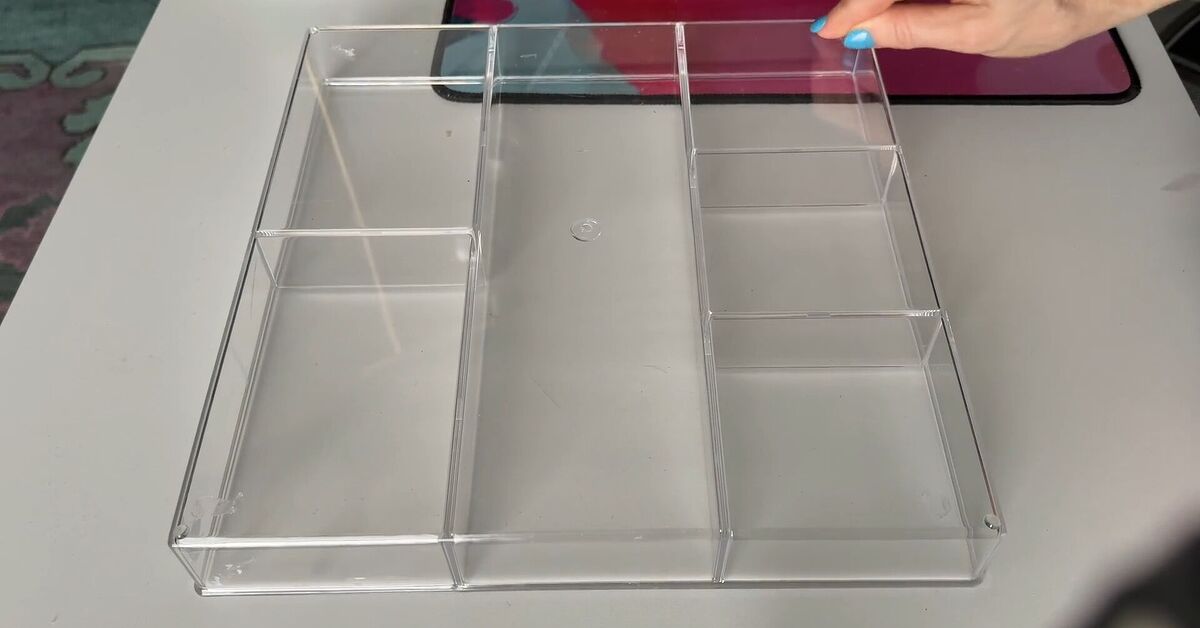
Under-bed drawers are useful for off-season clothing, spare linens, and shoes. Slim rolling carts can turn narrow gaps into movable storage. Shelf risers create an extra level inside cabinets, while drawer dividers prevent utensils, office supplies, and bathroom products from forming tiny lawless societies.
Always measure the available width, depth, and height before purchasing organizers. A storage bin that does not fit becomes one more object requiring storage, which is an impressively efficient way to make the original problem worse.
Choose Furniture That Works Harder
Multifunctional furniture is especially valuable in apartments and small homes. Consider storage ottomans, benches with drawers, nesting tables, beds with built-in storage, or coffee tables with shelves. A console table can become an entryway station, compact desk, or serving surface when guests arrive.
Do not automatically fill a small room with only tiny furniture. A properly scaled sofa or bed can create a strong anchor, while too many miniature pieces make a room feel fragmented. Balance one or two substantial elements with lighter, flexible furniture that leaves clear pathways.
Decorate with a Simple Visual Plan
Choose a Cohesive Color Palette
A practical room palette usually includes a dominant color, one or two supporting colors, and a smaller accent color. Repeating those tones in textiles, art, and accessories helps different pieces feel connected without making the room look like a furniture showroom.
Test paint samples on more than one wall and observe them during the morning, afternoon, and evening. Natural and artificial light can dramatically change how a color appears. Lighter shades often create an airy effect, while darker colors can make large rooms feel intimate. Neither choice is automatically right; the room’s light, size, and desired atmosphere should guide the decision.
Layer the Lighting
A single ceiling fixture rarely provides flattering or flexible illumination. Combine ambient lighting for general brightness, task lighting for activities, and accent lighting for atmosphere. A living room might use an overhead fixture, a reading lamp, and a small lamp near artwork or shelving.
Warm light generally feels comfortable in bedrooms and living spaces, while brighter neutral light can support tasks in kitchens, bathrooms, and offices. Lamps also introduce decorative shape, color, and texture, making them unusually talented household employees.
Work with Scale and Proportion
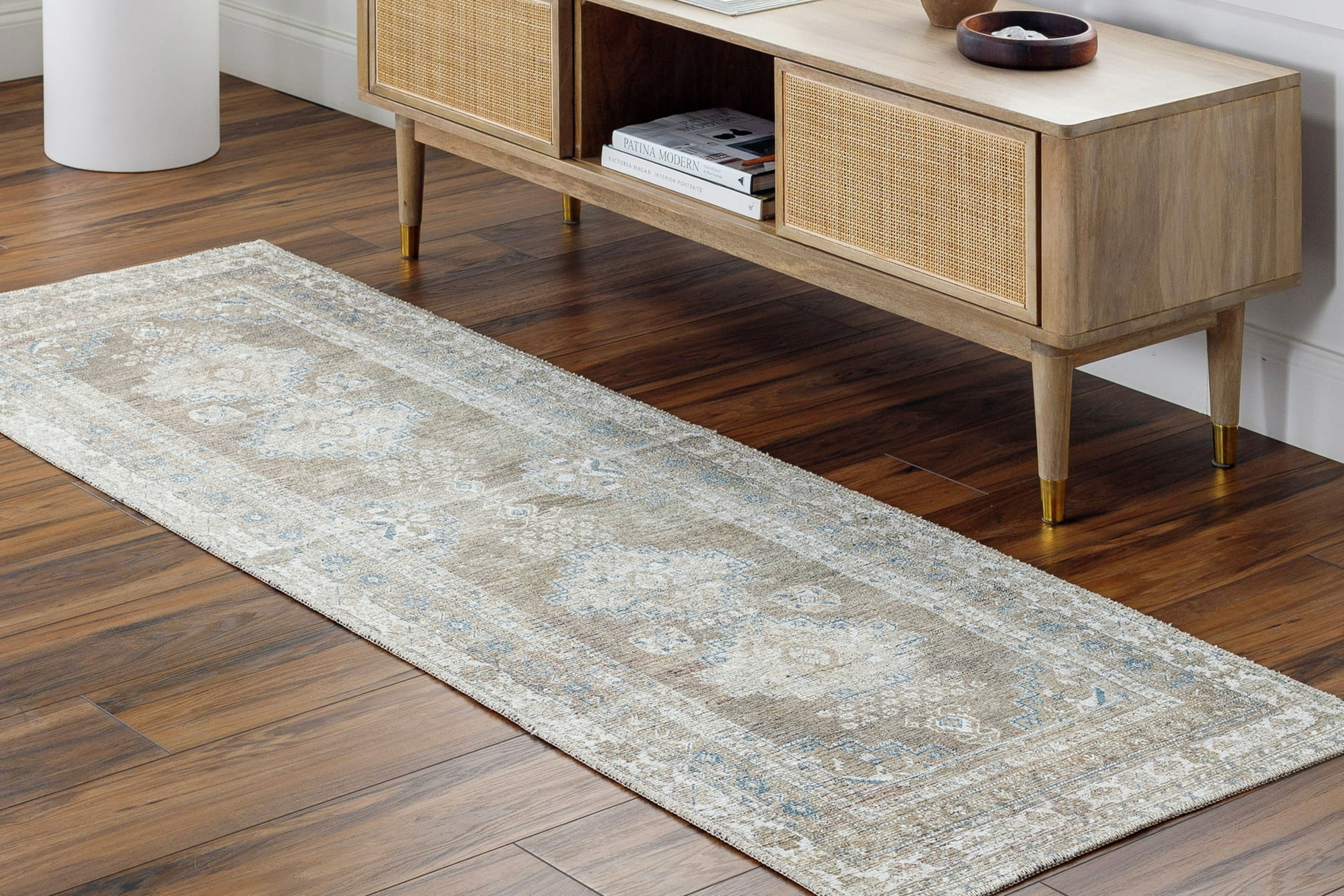
Furniture and decor should relate to both the room and one another. A tiny rug floating beneath a large seating arrangement can make everything look disconnected. In a living room, choose a rug large enough for at least the front legs of the primary seating pieces to rest on it.
Hang artwork in relation to nearby furniture rather than automatically centering it on the wall. Art above a sofa, console, or headboard should feel visually connected to that piece. When creating a gallery wall, arrange the composition on the floor first or make paper templates before introducing the wall to twenty unnecessary nail holes.
Control Visual Clutter Without Removing Personality
Organization does not require minimalism. Collections, books, photographs, and travel souvenirs can create a warm, distinctive home when displayed intentionally.
Group related objects instead of scattering them across every available surface. Use a tray to unite candles, a vase, and a small decorative object on a coffee table. Arrange books in sections and vary the direction of a few stacks for visual rhythm. Leave open space around displays so the eye has somewhere to rest.
Rotating decor is another useful strategy. Store part of a collection and change the display seasonally. The room feels refreshed, favorite objects receive more attention, and no porcelain figurine has to compete in a crowd of forty-seven relatives.
Apply Smart Tricks Room by Room
Entryway
Create a landing zone with hooks, a shoe tray, a small bowl for keys, and a designated place for mail. Assign each household member a hook or basket when possible. A narrow bench provides seating and may offer hidden storage.
Living Room
Arrange furniture around the room’s primary activity and preserve comfortable traffic paths. Keep remote controls, chargers, and game accessories in attractive boxes or drawers. Use baskets for blankets, but avoid using them as decorative portals into which unrelated clutter permanently disappears.
Kitchen
Place frequently used dishes and ingredients within easy reach. Group similar pantry foods, use turntables for bottles, and store pot lids vertically when space allows. Keep counters limited to appliances used regularly. Empty surfaces provide valuable preparation space and make the entire kitchen look calmer.
Bedroom and Closet
Keep the bedroom visually quiet by clearing the floor and limiting nightstand clutter. Use matching hangers for a streamlined closet, organize clothing by type, and store seasonal items separately. Adopting a one-in, one-out rule can prevent wardrobes from expanding beyond their architectural boundaries.
Bathroom
Discard expired or unused products, group daily essentials together, and keep backup supplies in labeled bins. Drawer dividers prevent small items from migrating. Use wall shelves or over-the-door storage in compact bathrooms, but avoid crowding every surface with containers.
Home Office
Separate active paperwork from reference material and archive what no longer requires immediate attention. Give cables, chargers, and office supplies dedicated locations. Keep the desktop mostly open so it supports work rather than documenting every task you have avoided since February.
Build Routines That Keep the System Working
A home stays organized through short, repeatable habitsnot a heroic cleaning marathon performed twice a year. Try a ten- or twenty-minute organizing sprint focused on one visible area. Return items to their assigned places, remove trash, and add unwanted belongings to a donation box.
A five-minute evening reset can restore the living room, clear the kitchen counter, and prepare the entryway for the next morning. Sort incoming mail immediately, place purchases where they belong, and deal with an object once whenever practical instead of moving it through several temporary piles.
Review storage every few months. Household needs change, children grow, hobbies appear, and closets somehow reproduce reusable shopping bags after dark. Adjust the system when it stops matching real behavior.
A 500-Word Experience: What a Weekend Home Reset Can Teach You
Consider a typical household preparing to reorganize an open living and dining area. The room contains useful furniture, attractive artwork, children’s supplies, mail, charging cables, and several baskets that were originally purchased to control clutter. Unfortunately, the baskets have become clutter wearing woven disguises.
The household initially plans to buy a larger cabinet. Before shopping, everyone spends twenty minutes identifying what actually belongs in the room. Old magazines are recycled, paperwork moves to the office, outgrown toys enter a donation box, and extra blankets return to the linen closet. The amount requiring storage drops by nearly half. The lesson is immediate: buying storage before editing possessions can preserve clutter instead of solving it.
Next, the family creates zones. A slim console near the entrance receives a tray for keys, a vertical file holder for actionable mail, and one drawer for dog-walking supplies. Toys move into two low bins near the play area so children can reach and return them. Chargers are gathered into a small lidded box beside the outlet where devices are normally used.
The room already functions better, but it still looks visually uneven. The seating is pressed against the walls, the rug is too small, and decorative objects are scattered across five surfaces. Moving the sofa several inches forward creates a more intentional conversation area. A larger rug visually connects the seating, while a tray groups the most attractive coffee-table accessories. Several smaller decorations are stored for later rotation.
Lighting produces the most surprising improvement. Previously, the room relied on a bright ceiling fixture that made evening relaxation feel vaguely like waiting for an appointment. A floor lamp beside the sofa and a table lamp on the console create softer pools of light. The room becomes warmer without adding more furniture or decor.
The project also reveals which organizing ideas do not work for this particular family. A lidded toy chest looks tidy, but the children rarely open it. Low open bins are less visually seamless, yet they are used consistently. A complicated filing system is abandoned in favor of three simple categories: act, file, and recycle. Effective organization wins because it matches behavior, not because it looks impressive in a photograph.
After the weekend, the family adopts a ten-minute evening reset. Toys return to their bins, dishes leave the coffee table, mail is sorted, and blankets are folded. The routine is short enough that nobody needs an inspirational soundtrack or a negotiation with destiny.
The broader experience is useful in almost any home: remove excess before purchasing storage, place belongings near their point of use, choose systems that are easy for everyone, and decorate only after the room’s function is working. A well-organized home is not one that remains perfect. It is one that can recover quickly from real life.
Conclusion
The most effective decorating and organizing tips combine beauty with convenience. Begin with the way each room is used, reduce what no longer belongs, and give remaining items accessible homes. Use vertical space, multifunctional furniture, thoughtful lighting, coordinated colors, and deliberate displays to create rooms that feel spacious and personal.
Most importantly, design systems around actual habits. The goal is not a home that looks untouched; it is a home that supports the people living there. When a room is easy to use and easy to reset, staying organized stops feeling like a separate hobbyand nobody has to panic-clean because the doorbell rang.
Note: Adapt these ideas to your household, mobility needs, rental agreement, and available space. Secure tall or top-heavy furniture according to the manufacturer’s instructions, especially in homes with children or pets.