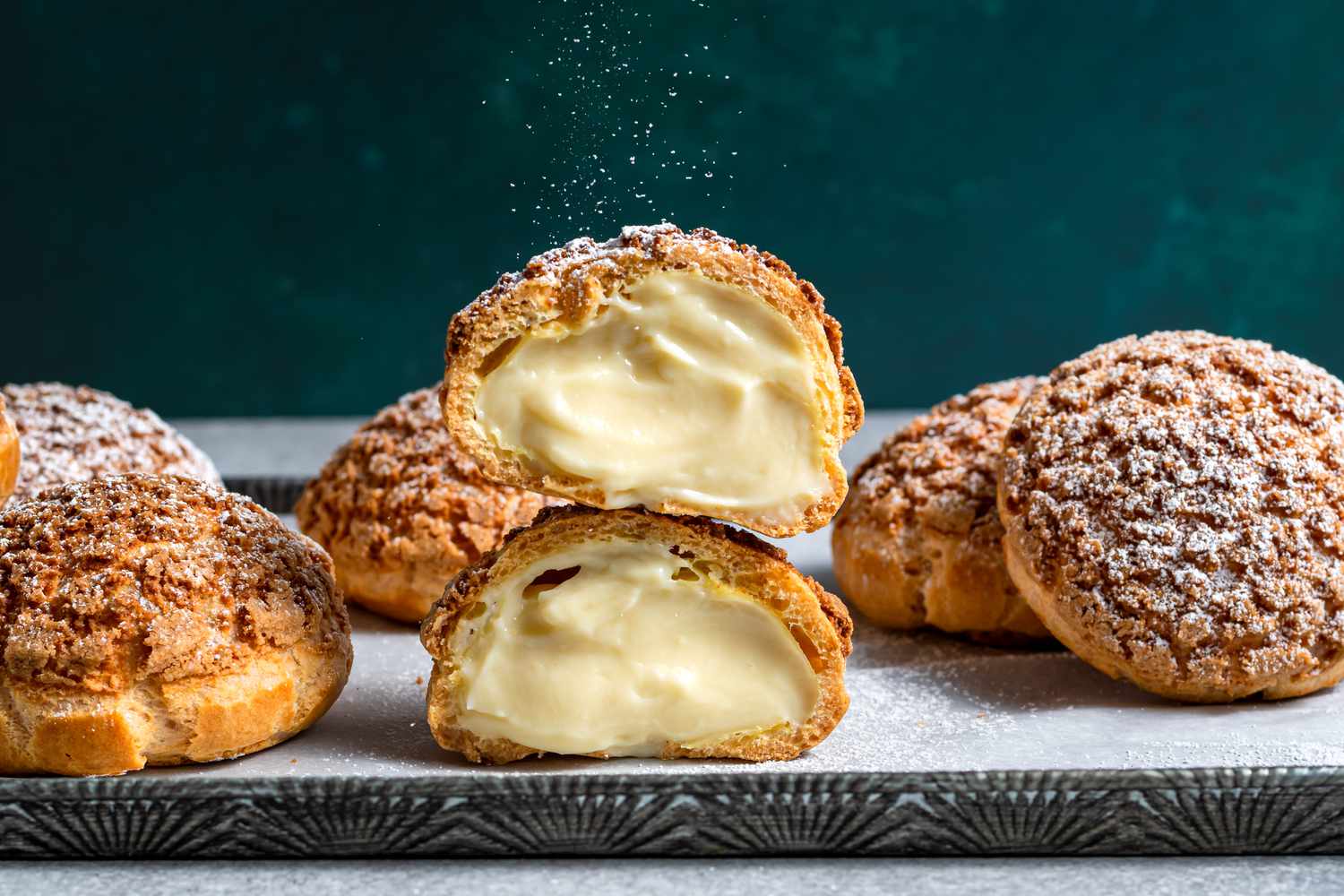
There are desserts that politely sit on a plate and wait to be noticed. Then there are cream puffs: golden, airy little pastry balloons filled with soft vanilla cream, wearing a dusting of powdered sugar like they just came from a fancy bakery with excellent lighting. The best part? A classic cream puffs recipe looks elegant, but the dough is made from a short list of everyday ingredients: water, butter, flour, eggs, a pinch of salt, and a little patience.
Cream puffs are made from pâte à choux, also called choux pastry. Unlike pie dough or biscuits, choux pastry does not rely on yeast, baking powder, or baking soda. Instead, it puffs because steam expands inside the dough during baking. That steam creates the hollow center that practically begs to be filled with whipped cream, pastry cream, diplomat cream, ice cream, or anything else delicious enough to deserve a pastry throne.
This guide walks you through a reliable homemade cream puffs recipe with practical tips, filling ideas, troubleshooting advice, and real-world baking experience. No pastry school tuition required. Just bring a saucepan, a wooden spoon, and the courage to stare down a sticky ball of dough until it behaves.
What Are Cream Puffs?
Cream puffs are small round pastries made from choux pastry and filled after baking. The outside should be golden and lightly crisp, while the inside should be hollow and dry enough to hold filling without turning soggy in three seconds. They are closely related to éclairs, profiteroles, gougères, and churros. Same dough family, different outfits.
The classic American-style cream puff is often filled with sweetened whipped cream or vanilla pastry cream. A French-inspired version may use crème pâtissière, diplomat cream, or a rich custard folded with whipped cream. Profiteroles are usually filled with ice cream and topped with chocolate sauce. Basically, once you master choux pastry, you unlock a tiny dessert universe.
Why This Cream Puffs Recipe Works
A good cream puff recipe depends on technique more than complicated ingredients. The dough is cooked twice: first on the stovetop, then in the oven. Cooking the flour with hot liquid and butter helps gelatinize the starches, which gives the pastry structure. Once eggs are mixed in, the dough becomes glossy, elastic, and pipeable. In the oven, moisture turns into steam, the pastry expands, and the shell sets around the air pocket.
The secret is balance. Too little egg, and the puffs may not rise properly. Too much egg, and the dough becomes loose and spreads like it has abandoned its life goals. The dough should be thick, shiny, and able to hold its shape when piped. Think smooth mashed potatoes with ambition.
Ingredients for Homemade Cream Puffs
For the Choux Pastry
- 1 cup water
- 1/2 cup unsalted butter, cut into pieces
- 1 tablespoon granulated sugar
- 1/4 teaspoon salt
- 1 cup all-purpose flour
- 4 large eggs, at room temperature
For the Vanilla Cream Filling
- 2 cups heavy whipping cream, cold
- 1/3 cup powdered sugar
- 1 1/2 teaspoons vanilla extract
- Optional: 2 tablespoons instant vanilla pudding mix for a more stable whipped cream
For Finishing
- Powdered sugar for dusting
- Optional melted chocolate or ganache for drizzling
Essential Tools
You do not need a professional bakery setup to make cream puffs at home, but the right tools make the process smoother. Use a medium saucepan, wooden spoon or sturdy silicone spatula, mixing bowl, baking sheets, parchment paper, and a piping bag fitted with a large round tip. If you do not have a piping bag, a zip-top bag with the corner snipped off can work. It will not win a pastry beauty pageant, but it gets the job done.
A small cookie scoop is also useful for making evenly sized puffs. Even size matters because small puffs and large puffs bake at different speeds. If some are golf balls and others are dinner rolls, the oven will have trust issues.
How to Make Cream Puffs Step by Step
Step 1: Preheat and Prepare
Preheat the oven to 425°F. Line two baking sheets with parchment paper. If you want extra lift, lightly mist or brush the parchment with water. The added moisture helps create a steamy oven environment, which encourages the dough to puff.
Step 2: Boil the Water, Butter, Sugar, and Salt
In a medium saucepan, combine the water, butter, sugar, and salt. Heat over medium-high heat until the butter melts and the mixture reaches a rolling boil. Do not add the flour before the liquid is fully boiling. The flour needs that sudden heat to form the proper paste.
Step 3: Add the Flour All at Once
Remove the pan from the heat and add the flour all at once. Stir vigorously until the mixture comes together into a thick dough. Return the pan to medium heat and cook for 1 to 2 minutes, stirring constantly. A thin film may form on the bottom of the pan. That is normal and usually a sign that moisture is cooking off.
This step matters. If the dough is too wet, the cream puffs may spread or collapse. If it is cooked properly, the dough will form a smooth ball and pull away from the sides of the pan.
Step 4: Cool the Dough Slightly
Transfer the dough to a mixing bowl and let it cool for about 5 minutes. It should still be warm, but not so hot that it scrambles the eggs. Scrambled egg pastry is not the plot twist we want.
Step 5: Beat in the Eggs One at a Time
Add the eggs one at a time, beating well after each addition. The dough may look separated at first. Keep mixing. After the final egg, the dough should become glossy, thick, and smooth. When you lift the spatula, the dough should fall in a slow V-shape. If it is stiff and breaks apart, it may need a little more beaten egg. If it is runny, it has gone too far.
Step 6: Pipe the Puffs
Transfer the dough to a piping bag fitted with a large round tip. Pipe mounds about 1 1/2 to 2 inches wide, spacing them at least 2 inches apart. Use a damp fingertip to smooth any pointy tops, because sharp peaks can burn before the rest of the puff is baked.
Step 7: Bake Without Peeking
Bake at 425°F for 10 minutes, then reduce the oven temperature to 350°F and continue baking for 20 to 25 minutes, or until the puffs are deeply golden and feel light. Do not open the oven door during the first part of baking. A sudden temperature drop can cause the puffs to collapse faster than a folding chair at a family picnic.
Step 8: Release Steam and Cool
When the puffs are baked, turn off the oven. Use a small knife or skewer to poke a tiny hole in the side or bottom of each puff to release steam. Return them to the turned-off oven with the door cracked open for 10 minutes. This helps dry the centers and keeps the shells crisp.
Step 9: Make the Cream Filling
Beat the cold heavy cream, powdered sugar, and vanilla extract until medium-stiff peaks form. For a more stable filling, add instant vanilla pudding mix while whipping. This helps the cream hold its shape longer, especially if the cream puffs will sit for a little while before serving.
Step 10: Fill the Cream Puffs
Once the shells are completely cool, fill them using one of two methods. For a neat bakery-style look, pipe cream through the small hole in the bottom. For a dramatic, generous look, slice the puffs horizontally and spoon or pipe the cream inside, then replace the tops. Finish with powdered sugar or a drizzle of chocolate.
Best Fillings for Cream Puffs
Vanilla whipped cream is simple, light, and beginner-friendly. Pastry cream is richer and more traditional, with a custard-like texture that makes every bite feel special. Diplomat cream, which combines pastry cream with whipped cream, gives you the best of both worlds: creamy flavor and airy texture.
You can also fill cream puffs with chocolate mousse, lemon curd, coffee cream, strawberry whipped cream, or ice cream. For a party dessert, try a tray with several fillings. Label them clearly unless you enjoy watching guests play dessert roulette.
Troubleshooting Cream Puffs
Why Did My Cream Puffs Collapse?
Collapsed cream puffs are usually underbaked, too wet inside, or shocked by a sudden oven temperature change. Bake until the shells are a strong golden brown, not pale beige. Pale puffs may look done on the outside but still contain too much moisture. Releasing steam after baking also helps prevent collapse.
Why Did My Dough Turn Runny?
Runny choux dough usually means too much egg was added or the flour mixture was not cooked long enough on the stove. Add eggs gradually and check the texture before adding the last bit. Egg size can vary, so the recipe may need slightly less than four eggs in some kitchens.
Why Are My Cream Puffs Not Hollow?
If cream puffs are dense inside, the dough may have been too dry, too wet, or baked at the wrong temperature. The oven needs enough heat at the beginning to create steam quickly. Also, make sure the flour is added all at once and stirred vigorously to form a smooth paste.
Why Are the Shells Soggy?
Soggy shells happen when steam is trapped inside or when puffs are filled too early. Cool the shells completely before filling. For the crispest result, fill cream puffs close to serving time.
Make-Ahead and Storage Tips
Unfilled cream puff shells can be made one day ahead and stored in an airtight container at room temperature. If they soften, refresh them in a 300°F oven for 5 to 8 minutes, then cool before filling. Filled cream puffs should be refrigerated and are best eaten the same day.
Because cream fillings are perishable, do not leave filled cream puffs at room temperature for more than two hours. If serving outdoors or in a warm room above 90°F, shorten that time to one hour. Dessert is wonderful; food safety is also wonderful, just with fewer sprinkles.
Flavor Variations
Chocolate Cream Puffs
Fill the shells with chocolate pastry cream or chocolate whipped cream, then drizzle with ganache. This version is dangerously popular and may cause people to hover near the dessert table pretending to “just look.”
Strawberry Cream Puffs
Add chopped fresh strawberries to whipped cream or spoon strawberry compote into the bottom of each shell before piping in cream. The fruit adds color, freshness, and a little tartness.
Salted Caramel Cream Puffs
Fold a spoonful of caramel sauce into the whipped cream and finish with a tiny pinch of flaky salt. The sweet-salty balance makes the puffs taste like they came from a boutique bakery where one cookie costs as much as lunch.
Ice Cream Profiteroles
Slice the shells, add small scoops of vanilla ice cream, replace the tops, and drizzle with warm chocolate sauce. Serve immediately. This is technically a cousin of the cream puff, but nobody at the table will complain.
Serving Ideas
Cream puffs are perfect for birthdays, bridal showers, brunch, holidays, and “I survived Tuesday” celebrations. Serve them on a platter with powdered sugar, stack them into a small tower, or arrange them beside coffee and fresh berries. For a polished look, pipe the filling in tall swirls and place the tops at a slight angle.
If you are making them for a crowd, prepare the shells ahead and fill them shortly before serving. This keeps the texture crisp and saves you from last-minute kitchen panic, which is the least delicious flavor.
Personal Experience: What Making Cream Puffs Teaches You
The first time many home bakers make cream puffs, they expect the process to feel mysterious. Choux pastry has a fancy French name, and anything with an accent mark can seem like it requires a certificate, a marble countertop, and perhaps a tiny chef hat. But the experience is surprisingly down-to-earth. You stand at the stove, stir flour into hot butter and water, and suddenly the mixture transforms into a thick dough. It feels less like delicate pastry work and more like convincing a stubborn pot of mashed potatoes to become dessert.
The most important lesson is patience. Cream puffs do not like rushing. The dough needs a minute or two on the stove to dry out. The eggs need to be added slowly. The puffs need to bake until they are truly golden, not just politely tan. If you pull them too soon, they may collapse. If you fill them while warm, the cream melts. Cream puffs are tiny teachers wearing powdered sugar.
Another useful experience is learning to trust visual cues. Recipes give measurements and times, but choux pastry asks you to pay attention. The dough should pull from the pan. It should look glossy after the eggs are mixed in. It should hold its shape when piped. The baked shells should feel light and sound slightly hollow. Once you understand those signs, you become much more confident, not only with cream puffs but with other baking projects too.
There is also something wonderfully dramatic about the oven stage. You pipe small mounds of dough onto a baking sheet, slide them into the oven, and for several minutes nothing impressive seems to happen. Then the steam begins its magic. The puffs rise, round out, and turn golden. It is the baking equivalent of watching shy dough discover self-esteem.
Filling the puffs is the reward. Whipped cream gives a soft, cloudlike bite. Pastry cream feels rich and classic. Chocolate drizzle turns them into a dessert that looks far more complicated than it really is. If you are serving guests, cream puffs create that lovely moment where everyone assumes you worked harder than you did. Accept the compliment. Smile mysteriously. Do not mention the zip-top bag piping situation.
One practical tip from experience: always make more than you think you need. Cream puffs disappear quickly because they are small, light, and dangerously easy to justify. Someone will say, “I’ll just have one more,” and suddenly the platter looks like a pastry crime scene. A batch of cream puffs is never just dessert; it is a social experiment in self-control.
Most of all, homemade cream puffs remind you that impressive baking does not have to be complicated. It simply requires understanding the method, respecting the timing, and not opening the oven door too early. Once you master the basic cream puffs recipe, you can adapt it endlessly with new fillings, toppings, and flavors. And yes, you will probably start calling pâte à choux by its French name just to sound fancy. You have earned it.
Conclusion
A great cream puffs recipe is built on simple ingredients, careful technique, and a little oven discipline. The dough begins as a basic stovetop paste and transforms into crisp, hollow shells ready for sweet cream filling. Whether you choose whipped cream, pastry cream, chocolate, fruit, or ice cream, homemade cream puffs deliver bakery-style charm without requiring professional equipment.
The key is to cook the dough properly, add eggs gradually, bake until deeply golden, release steam, and fill only after the shells cool completely. Follow those steps, and your cream puffs will be light, elegant, and dangerously snackable.