Weight loss can feel like a victory when it is intentional, healthy, and guided by a plan. But with chronic obstructive pulmonary disease, or COPD, unexpected weight loss is not usually the kind of “progress” anyone wants to celebrate. It can be a warning sign that the body is burning more energy than it is taking in, losing muscle, or struggling to keep up with the daily work of breathing.
COPD is a long-term lung disease that includes chronic bronchitis and emphysema. It makes airflow harder, increases breathlessness, and can turn ordinary taskswalking to the mailbox, cooking dinner, or chewing a sandwichinto events worthy of a tiny marching band. Because breathing takes more effort, many people with COPD need a thoughtful nutrition plan to maintain strength, protect muscle, and avoid dangerous weight changes.
This guide explains the connection between COPD and weight loss, why a healthy weight matters, the risks of being underweight or overweight, and practical ways to eat well when breathing is already doing too much overtime.
Why COPD Can Cause Weight Loss
Unintentional weight loss in COPD is common, especially as the condition becomes more advanced. The reasons are usually not simple. COPD can affect appetite, energy needs, mood, physical activity, sleep, digestion, and the ability to prepare meals. In other words, COPD does not just bother the lungs; it likes to wander into the kitchen too.
Breathing Burns More Energy
People with COPD often use more muscles to breathe than people without lung disease. The diaphragm, chest muscles, neck muscles, and other supporting muscles may work harder to move air in and out. That extra effort can increase calorie needs. If a person does not eat enough to match those needs, the body may start breaking down fat and muscle for fuel.
This is one reason someone with COPD may lose weight even if they are not “dieting.” Their body is simply spending more energy to do something most people barely notice: breathe.
Shortness of Breath Can Make Eating Difficult
Eating requires coordination between chewing, swallowing, and breathing. For someone with COPD, a large meal can feel like a workout with a side of mashed potatoes. Breathlessness may cause a person to stop eating early, avoid meals, or choose only foods that are quick and easy.
Some people also feel bloated after eating, which can push upward on the diaphragm and make breathing feel tighter. This is why smaller, more frequent meals often work better than three heavy meals.
Appetite May Drop During Flare-Ups
COPD flare-ups, also called exacerbations, can bring more coughing, mucus, wheezing, fatigue, and shortness of breath. During these episodes, appetite may disappear. Fever, infection, medication side effects, anxiety, and exhaustion can all make food less appealing. When flare-ups happen repeatedly, even short periods of poor intake can add up to serious weight loss.
Muscle Loss Can Happen Quietly
Weight loss in COPD is especially concerning when it includes muscle loss. Muscle is not just for lifting grocery bags or opening stubborn pickle jars. Respiratory muscles help with breathing, and leg muscles help with walking, balance, and independence. Losing muscle can make everyday movement harder, which may lead to less activity, more weakness, and even more shortness of breath.
Why Maintaining a Healthy Weight Matters With COPD
A healthy weight for someone with COPD is not about chasing a fashion-magazine number or trying to fit into jeans from 1998. It is about supporting breathing, strength, immune function, and quality of life.
Being underweight can weaken the body, reduce energy, increase fatigue, and make recovery from illness more difficult. Being overweight can also make breathing harder because extra body weight may increase the workload on the lungs and heart, especially during physical activity. The “best” weight depends on the person’s age, COPD severity, muscle mass, other medical conditions, and overall health goals.
For this reason, weight goals should be individualized. A doctor, pulmonologist, registered dietitian nutritionist, or pulmonary rehabilitation team can help decide whether the goal should be gaining weight, preventing further weight loss, losing weight safely, or rebuilding muscle.
Risks of Unintentional Weight Loss in COPD
Unplanned weight loss should never be ignored in COPD. Even a modest drop can be meaningful if it happens quickly or comes with fatigue, weakness, poor appetite, or worsening breathing.
Malnutrition
Malnutrition occurs when the body does not get enough calories, protein, vitamins, minerals, or other nutrients to function well. In COPD, malnutrition may develop because the body needs more energy while appetite and food intake decrease. This imbalance can affect immunity, wound healing, muscle strength, and energy levels.
Reduced Respiratory Muscle Strength
The muscles used for breathing need fuel. If the body breaks down muscle for energy, respiratory muscles may become weaker. This can make breathing feel even more difficult, creating a frustrating cycle: breathing is hard, eating becomes hard, weight drops, muscles weaken, and breathing becomes harder again. Not exactly the kind of circle anyone wants to join.
Higher Risk of Infections and Flare-Ups
Good nutrition helps support the immune system. When someone with COPD is undernourished, the body may have fewer resources to fight respiratory infections. Since infections are a common trigger for COPD flare-ups, maintaining nutrition is an important part of staying as stable as possible.
Fatigue and Lower Quality of Life
When weight loss includes muscle loss, people may feel weaker, slower, and more tired. Activities such as showering, dressing, cooking, or walking across a room may take more effort. This can reduce independence and confidence, even for people who were previously active.
Can Being Overweight Make COPD Worse?
Yes, excess weight can also create problems for people with COPD. Extra weight may make the lungs and heart work harder, especially during movement. It can also worsen conditions that commonly overlap with COPD, such as sleep apnea, high blood pressure, heart disease, type 2 diabetes, and joint pain.
However, weight loss for someone with COPD should be done carefully. Crash diets, skipping meals, or cutting calories too aggressively can lead to muscle loss. The goal is usually fat loss while preserving muscle, which means enough protein, strength-building activity when safe, and medical guidance.
Signs You Should Talk With a Healthcare Professional
Contact a healthcare professional if you or a loved one with COPD notices any of the following:
- Unintentional weight loss, especially if it is sudden or ongoing
- Loss of appetite lasting more than a few days
- Difficulty eating because of shortness of breath
- Weakness, dizziness, or worsening fatigue
- Clothes or rings becoming loose without trying to lose weight
- Frequent infections or COPD flare-ups
- Swelling in the legs, ankles, or feet
- Trouble swallowing, nausea, vomiting, or persistent diarrhea
- Depression, anxiety, or loss of interest in food
Unexplained weight loss can have many causes besides COPD, including thyroid disease, cancer, digestive disorders, medication side effects, depression, and infections. A medical evaluation helps identify what is really going on instead of guessing in the dark with a granola bar.
How to Maintain or Gain Weight With COPD
If you are underweight or losing weight unintentionally, the goal is usually to increase calories and protein without making meals feel huge or exhausting. The best COPD nutrition plan is realistic, flexible, and easy enough to follow on a low-energy day.
Eat Smaller, More Frequent Meals
Large meals can increase fullness and make breathing feel more difficult. Try eating five or six smaller meals or snacks throughout the day. This approach can make it easier to get enough calories without feeling overly full.
For example, instead of a large breakfast, lunch, and dinner, a person might eat oatmeal with peanut butter in the morning, Greek yogurt midmorning, soup and toast at lunch, a smoothie in the afternoon, salmon with rice at dinner, and cheese with crackers before bed.
Choose High-Calorie, Nutrient-Dense Foods
When appetite is low, every bite should work harder. Choose foods that provide calories, protein, healthy fats, vitamins, and minerals in a smaller portion. Good options include:
- Nut butters on toast, bananas, apples, or crackers
- Avocado added to sandwiches, eggs, tacos, or salads
- Olive oil drizzled over vegetables, pasta, rice, or soups
- Full-fat yogurt or cottage cheese, if tolerated
- Eggs, tuna, chicken, turkey, tofu, beans, and lentils
- Trail mix made with nuts, seeds, and dried fruit
- Smoothies with milk, yogurt, protein powder, fruit, and nut butter
These foods can add nutrition without requiring a mountain-sized plate. That matters because with COPD, a mountain-sized plate may look less like dinner and more like a dare.
Prioritize Protein
Protein helps maintain and rebuild muscle, including muscles involved in breathing and movement. Many people with COPD benefit from including protein at each meal and snack. Eggs, fish, poultry, lean meats, dairy, soy foods, beans, lentils, nuts, and seeds are all useful choices.
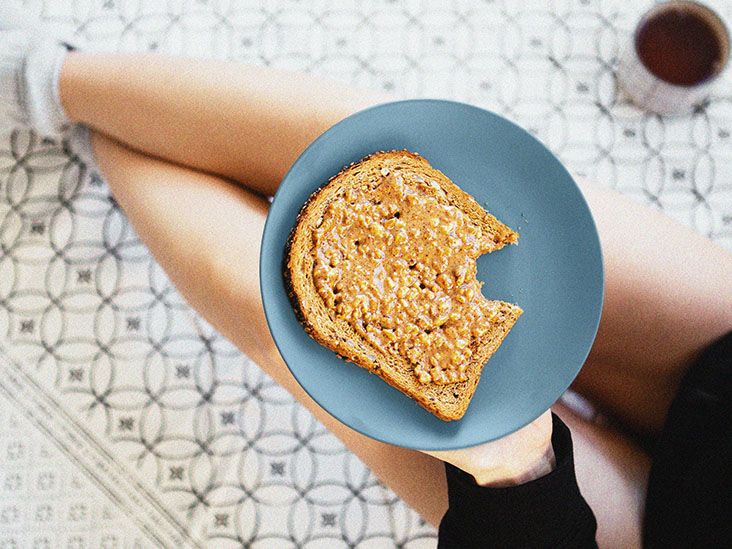
A simple rule is to include a protein source whenever you eat. Toast is fine; toast with peanut butter is better. Soup is comforting; soup with beans, chicken, or tofu is more supportive. Salad is nice; salad with salmon, eggs, chickpeas, or grilled chicken has more staying power.
Use Nutrition Drinks When Needed
Oral nutrition supplements, shakes, or homemade smoothies can help people who struggle to eat enough solid food. They are not required for everyone, but they can be helpful during flare-ups, recovery periods, or days when chewing feels like a full-time job.
Ask a healthcare professional or dietitian which product is appropriate, especially if you have diabetes, kidney disease, heart failure, swallowing problems, or fluid restrictions.
Make Meals Easier to Prepare
Fatigue can make cooking difficult. Practical shortcuts are not laziness; they are strategy. Keep easy foods available, such as hard-boiled eggs, rotisserie chicken, frozen vegetables, microwave rice, canned tuna, low-sodium soups, yogurt, cheese, nut butter, and pre-cut fruit.
Cooking while seated, using lightweight cookware, preparing meals in batches, and accepting help from family or caregivers can also reduce energy demands. The goal is to spend less energy making food and more energy benefiting from it.
Foods and Habits That May Help Breathing Feel Easier
No food can cure COPD, but food choices may affect comfort, energy, bloating, mucus thickness, and overall health.
Limit Excess Sodium
Too much sodium can contribute to fluid retention in some people, which may make breathing feel more uncomfortable. Choose lower-sodium canned goods, soups, frozen meals, sauces, and snacks when possible. Flavor foods with herbs, lemon, garlic, vinegar, pepper, or salt-free seasoning blends.
Stay Hydrated, Unless Told Otherwise
Fluids can help keep mucus thinner and easier to cough up. Water, herbal tea, broth, and water-rich foods may help. However, people with heart failure, kidney disease, or fluid restrictions should follow their clinician’s advice.
Watch for Gas and Bloating Triggers
Some foods can increase gas or bloating, which may push against the diaphragm and worsen breathlessness. Common triggers include carbonated drinks, fried foods, large servings of beans, cabbage, broccoli, onions, and heavy high-fat meals. These foods are not “bad,” but timing and portion size matter. If a food makes breathing feel tight, try smaller amounts or eat it earlier in the day.
Balance Carbohydrates, Fats, and Protein
During metabolism, the body produces carbon dioxide, which must be exhaled. Some COPD nutrition guidance suggests that a diet with moderate carbohydrates and enough healthy fats may help certain people breathe more comfortably. This does not mean cutting out carbohydrates completely. Whole grains, fruits, vegetables, and beans provide fiber and nutrients. The key is balance, not declaring war on oatmeal.
What If You Need to Lose Weight With COPD?
Some people with COPD need to lose weight to reduce breathing strain, improve mobility, and lower the risk of related conditions. The safest plan focuses on gradual progress, not extreme restriction.
Helpful strategies may include choosing lean proteins, vegetables, fruits, whole grains, and healthy fats; limiting sugary drinks and highly processed snacks; reducing large late-night meals; and increasing physical activity within safe limits. Strength training is especially important because the goal is to keep or build muscle while losing excess body fat.
Before starting a weight-loss plan, talk with a healthcare professional. This is especially important if you use oxygen, have severe breathlessness, recently had a COPD flare-up, or have heart disease or diabetes.
Exercise, Pulmonary Rehabilitation, and Muscle Maintenance
Nutrition and movement work best as a team. Food provides the building blocks; exercise tells the body where to use them. Pulmonary rehabilitation is a supervised program that may include exercise training, breathing techniques, nutrition education, and disease-management support.
For many people with COPD, pulmonary rehabilitation can improve endurance, reduce breathlessness during daily activities, and build confidence. Strength exercises may help preserve muscle, while walking or cycling may improve stamina. Breathing techniques, such as pursed-lip breathing, can also help during activity and meals.
Always follow medical guidance before changing activity levels. Exercise should be safe, paced, and adjusted for symptoms. The goal is not to become an Olympic sprinter. The goal is to make daily life easierless “I need a chair immediately” and more “I can get through this.”
Sample One-Day Meal Ideas for COPD and Weight Maintenance
The following examples are general ideas, not a personalized meal plan. Adjust portions, textures, sodium, carbohydrates, and fluid intake based on medical needs.
For Someone Trying to Prevent Weight Loss
- Breakfast: Scrambled eggs with avocado and whole-grain toast
- Snack: Greek yogurt with berries and chopped nuts
- Lunch: Chicken salad wrap with olive-oil dressing and fruit
- Snack: Smoothie with milk, banana, peanut butter, and protein powder
- Dinner: Salmon, rice, roasted vegetables, and olive oil drizzle
- Evening snack: Cottage cheese, crackers, or nut butter toast
For Someone Trying to Lose Weight Safely
- Breakfast: Oatmeal with berries and a boiled egg
- Snack: Apple slices with a small serving of peanut butter
- Lunch: Turkey, bean, or tofu soup with a side salad
- Snack: Plain yogurt or a small handful of nuts
- Dinner: Grilled chicken or fish with vegetables and a modest portion of brown rice
- Evening snack: Herbal tea and a protein-rich snack if hungry
Experience-Based Tips for Living With COPD and Weight Changes
People living with COPD often describe weight management as less of a straight road and more of a winding hallway with surprise furniture. One week, appetite may be decent. The next week, a flare-up, antibiotic, poor sleep, or stressful appointment can make food feel like a chore. That is why many practical COPD nutrition habits come from real-life problem solving, not perfect meal plans printed on glossy paper.
One common experience is feeling too breathless to eat after cooking. A person may spend all their energy preparing dinner, then sit down and realize they are too tired to enjoy it. A helpful workaround is to separate cooking from eating. Prepare food earlier in the day when energy is better, use slow cookers or simple batch meals, and rest before meals. Even a 10-minute pause before eating can make a difference.
Another common challenge is early fullness. Many people with COPD say they feel stuffed after only a few bites, especially if they drink a large beverage with meals. In that case, smaller plates can help psychologically and physically. A small plate with calorie-dense food looks manageable, while a giant plate can feel like a personal attack. Drinking most fluids between meals instead of during meals may also reduce fullness, unless a clinician recommends otherwise.
Family members often want to help, but their help can sometimes turn into food pressure. “Just eat more” sounds simple, but for someone with COPD, eating more may require planning, breathing control, medication timing, and patience. A better approach is to offer small, appealing options: a smoothie, a bowl of soup, half a sandwich, yogurt with nuts, or scrambled eggs. Encouragement works best when it feels supportive, not like a dinner-table performance review.
Many people also learn that texture matters. Dry, crumbly foods may trigger coughing, while softer foods may be easier to manage. Moist proteins such as tuna salad, egg salad, slow-cooked chicken, yogurt, cottage cheese, soups, stews, and smoothies can be easier than dry meats or crusty bread. If swallowing becomes difficult, that should be discussed with a healthcare professional, because swallowing problems can raise the risk of aspiration.
Tracking weight can be useful, but it should not become an obsession. Weighing once or twice a week at the same time of day can reveal trends. A sudden drop, steady decline, or swelling-related gain should be reported. Some people keep a simple notebook with weight, appetite, symptoms, and flare-ups. Patterns may appear: appetite dips after poor sleep, breathlessness worsens after salty meals, or smoothies work better than solid snacks in the afternoon.
The most important experience-based lesson is this: COPD weight management is not about eating perfectly. It is about eating consistently enough to support the body you live in. Some days will be beautifully balanced. Other days, the win may be finishing a protein shake, eating peanut butter toast, or asking someone else to cook. Those wins count. In chronic illness, practical beats perfect every single time.
Conclusion
COPD and weight loss are closely connected because breathing can require extra energy, symptoms can reduce appetite, and flare-ups can interrupt normal eating. Unintentional weight loss may lead to malnutrition, muscle loss, fatigue, weaker respiratory muscles, and a higher risk of infections. At the same time, excess weight can make breathing and movement more difficult for some people.
The healthiest approach is personalized. People who are losing weight may need more calories, more protein, smaller frequent meals, nutrition drinks, and help from a registered dietitian. People who need to lose weight should focus on gradual fat loss while protecting muscle. Pulmonary rehabilitation, safe activity, breathing techniques, and practical meal planning can all support better strength and daily comfort.
If you have COPD and notice unexplained weight changes, do not brush them off. Your scale may be giving useful information, not just being dramatic in the bathroom corner. Talk with your healthcare team, ask about nutrition support, and build a plan that helps you breathe, move, and live with more energy.