There is a funny little trick happening in American retail right now: people walk in because they are hungry, and somehow leave with a ceramic bowl, a linen apron, a bottle of chili crisp, a hand-poured candle, and a vague belief that their kitchen is about to become “more intentional.” This is the magic behind the phrase Come to Eat, Stay to Shop. It captures a growing movement where restaurants, food halls, markets, boutiques, and lifestyle destinations work together to turn a simple meal into a full afternoon of discovery.
For decades, shopping centers relied on big department stores to anchor foot traffic. Today, the new anchor often smells like wood-fired pizza, fresh bread, espresso, smoked brisket, or sizzling Korean barbecue. Food has become the invitation. Shopping is the pleasant side effect. And unlike the old mall food court, where the most dramatic decision was whether to add extra cheese, modern dining-and-retail destinations are designed to feel local, social, photogenic, and worth leaving the couch for.
Across the United States, this shift appears in places like Italian marketplaces, chef-driven food halls, farmers markets, open-air lifestyle centers, design galleries with rooftop restaurants, and mixed-use districts where you can eat lunch, buy flowers, browse books, sample olive oil, and pretend you only came for “one quick bite.” Spoiler: nobody believes you.
Why Food Has Become Retail’s Favorite Welcome Mat
Food gives people a reason to show up in person. That matters because online shopping has made buying easy, but not especially memorable. A package on the porch is convenient; it is not an outing. A good meal, however, creates a mood. It slows people down. It encourages conversation. It turns a commercial space into a place where people linger rather than simply transact.
Retailers and developers understand this deeply. A restaurant is not just a tenant; it is a traffic engine. A bakery at the entrance softens the mood. A coffee bar makes browsing feel casual. A food hall gives groups an easy way to satisfy different tastes without launching a family-level diplomatic crisis over tacos versus ramen. Once guests are relaxed, they are more open to exploring nearby shops.
This is the heart of experiential retail: people do not just want things; they want stories, atmosphere, and a reason to remember the purchase. A person may forget ordering socks online, but they will remember buying a handmade mug after drinking a perfect cappuccino from a similar one. That little emotional bridge is powerful. The food experience gives the product context.
The Rise of the Shop-and-Dine Destination
The best shop-and-dine destinations do not treat food as an accessory. They make it central to the experience. In many successful food halls and lifestyle centers, restaurants are placed alongside specialty retailers, home goods stores, bookstores, beauty shops, florists, and local maker booths. The result is less “mall errand” and more “mini vacation with parking validation.”
Modern food halls are a strong example. Instead of one generic counter after another, the better ones highlight local chefs, regional flavors, independent vendors, craft beverages, and cultural programming. They may host live music, cooking demonstrations, art installations, pop-up markets, and seasonal events. Food becomes the draw, but the surrounding retail gives visitors more reasons to wander.
Markets like Chelsea Market in New York show how food and retail can share one identity. Visitors can snack, shop, explore, and move through a space that feels layered rather than purely commercial. Eataly popularized another version of the model in the United States by combining restaurants, grocery retail, wine, cooking classes, and imported Italian products. Guests can eat pasta, buy the pasta, purchase the sauce, consider a new pan, and leave convinced they are now only one basil plant away from becoming a Tuscan nonna.
Retailtainment: When Shopping Learns to Put on a Show
The word retailtainment may sound like it was invented during a very energetic branding meeting, but the concept is useful. It describes the blending of retail, dining, entertainment, events, and immersive design. Instead of asking, “What can we sell?” retailers ask, “What can people experience here that they cannot get from a checkout button?”
That experience can be grand or subtle. It might be a rooftop restaurant inside a furniture gallery, a tasting counter in a gourmet shop, a local makers market beside a brewery, or a children’s play area near family-friendly dining. It might include seasonal decor, photo-friendly corners, chef collaborations, workshops, or live performances. The goal is not to distract from shopping. The goal is to make shopping feel like part of a larger outing.
Upscale home retailer RH has leaned heavily into this strategy by pairing design galleries with elegant restaurants and wine experiences. The logic is clever: let guests sit inside the lifestyle the brand sells. A chandelier looks different when it is glowing above your lobster roll. A sofa becomes more tempting after you have spent an hour in a beautiful room thinking, “My home deserves better than that mysterious chair full of laundry.”
Why Customers Love the “Eat First, Shop Later” Flow
The psychology is simple. Hungry people are task-oriented, impatient, and occasionally dramatic. Fed people are generous, curious, and more likely to browse a candle wall for twelve minutes. Dining lowers the pressure of shopping. It gives visitors permission to stay longer without feeling like they are wasting time.
Food also solves the group problem. A shopping trip can be divisive because not everyone wants the same thing. But almost everyone can agree to meet for lunch, coffee, dessert, or a snack. Once the group is there, shopping becomes optional entertainment. One person browses cookbooks, another tries on sunglasses, someone buys hot sauce, and someone else finds a bench and announces they are “supervising.” This is how a dining destination becomes a social destination.
The best operators understand that the customer journey should feel natural. The route from restaurant to retail should not feel like being trapped in a theme park gift shop. It should feel like discovery. A great example is the specialty market attached to a restaurant: after tasting a memorable olive oil, spice blend, chocolate, cheese, or sauce, the guest can buy it and recreate a piece of the experience at home.
Food Halls Are the New Community Living Rooms
Food halls have grown because they match how people actually eat now. Diners want variety, speed, quality, and flexibility. One person wants sushi, another wants fried chicken, another wants vegan noodles, and someone wants only fries because they “ate earlier,” which is almost certainly not true. A food hall lets everyone win without splitting the group.
For retailers, food halls create repeat visits. People may not buy shoes every week, but they might return often for lunch, coffee, drinks, or a favorite dessert. That repeat rhythm supports surrounding shops. It also gives small food businesses a chance to reach customers in high-traffic spaces without operating a full standalone restaurant.
The strongest food halls feel local. They avoid becoming polished clones by featuring neighborhood names, regional dishes, independent operators, and rotating pop-ups. This keeps the experience fresh. It also encourages guests to come back because there is always something new to taste, photograph, or recommend to a friend with the phrase, “You have to try this.”
Mixed-Use Districts Make the Habit Stick
The Come to Eat, Stay to Shop model works especially well in mixed-use districts. These developments combine restaurants, retail, apartments, offices, fitness studios, entertainment, green space, and community events. They are designed for daily life rather than one-off errands.
In a mixed-use setting, the lunch crowd, office workers, residents, tourists, and weekend visitors all overlap. A person might start with coffee, stop by a boutique, pick up groceries, meet a friend for dinner, and attend an outdoor concert. This layered traffic helps businesses support one another. Restaurants benefit from residents and shoppers; retailers benefit from diners and event guests.
This is why many new lifestyle centers look less like enclosed malls and more like walkable neighborhoods. Outdoor seating, patios, landscaping, murals, public art, and flexible event areas make the space feel less transactional. The customer is not simply moving from store to store. They are spending time in a place.
What Businesses Can Learn From the Trend
For restaurants, adding retail can increase revenue and deepen loyalty. A bakery can sell branded jam, coffee beans, baking mixes, or aprons. A barbecue spot can sell sauces and rubs. A cafe can stock mugs, beans, local honey, and gift boxes. A chef-driven restaurant can offer pantry staples, cookbooks, classes, or curated kitchen tools. These products extend the restaurant experience beyond the meal.
For retailers, adding hospitality can make the store feel warmer and more human. A bookstore with a cafe becomes a place to linger. A plant shop with weekend coffee pop-ups becomes a neighborhood ritual. A furniture store with a restaurant lets customers imagine the lifestyle behind the products. Even a small refreshment station can change how long people stay and how they feel while browsing.
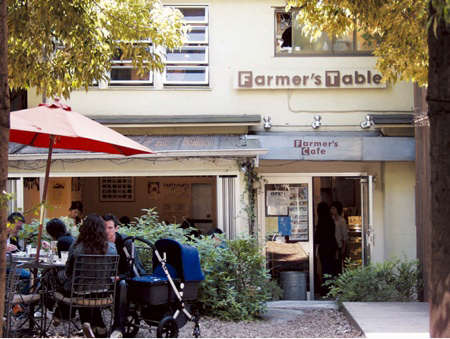
The secret is relevance. The food and retail should make sense together. A luxury furniture gallery and rooftop restaurant can work because both express comfort, design, and aspiration. A farm shop and cafe can work because both celebrate freshness and locality. A sneaker store with a cereal bar might work if the audience loves nostalgia and streetwear. A tire shop with a raw oyster bar? Bold. Possibly illegal in spirit, if not in law.
Design Matters: The Space Must Invite Wandering
A successful eat-and-shop environment needs good design. Seating should be comfortable but not isolated from the energy of the space. Storefronts should be visible from dining areas. Lighting should flatter both the food and the merchandise. Pathways should encourage browsing without making guests feel herded.
Merchandising also matters. Products near food areas should be easy to understand and easy to buy. Think sauces, snacks, gifts, tableware, flowers, books, candles, and small home goods. These are natural add-ons after a meal. Nobody wants to finish brunch and immediately comparison-shop washing machines. But a handmade bowl? A charming tea towel? A tin of sea salt with a label that looks like it owns a passport? Absolutely.
Events can add another layer. Cooking classes, tastings, chef talks, holiday markets, live music, and local artist showcases give people a reason to return. Repeat visits are the lifeblood of modern retail. The more often customers come back, the more likely they are to build habits around the place.
Challenges Behind the Pretty Tables
The model is not foolproof. Food halls and retail restaurants can struggle if rents are too high, vendor quality is inconsistent, parking is difficult, or the concept feels more like a photo backdrop than a useful destination. Customers are more value-conscious now, and they can spot forced “experience” from across the parking lot.
Good execution requires balance. Food must be worth the visit on its own. Retail must feel curated rather than random. Prices must match the perceived value. Service must be smooth. If guests feel trapped, upsold, or underwhelmed, they will not linger; they will escape and complain in group chats with terrifying efficiency.
Another challenge is authenticity. A successful shop-and-dine destination should not feel like every other shop-and-dine destination. Local partnerships help. Regional food vendors, neighborhood artists, independent retailers, and community events create a sense of place. Without that, even the most expensive design can feel hollow.
The Future of “Come to Eat, Stay to Shop”
The future will likely be more hybrid, more local, and more personalized. Technology will help with ordering, loyalty programs, inventory, reservations, and recommendations, but the winning spaces will still feel human. People are not craving another screen. They are craving good food, easy discovery, pleasant surroundings, and a reason to spend time with others.
Expect more restaurants to launch small retail shelves, more boutiques to host food pop-ups, more grocery stores to upgrade prepared meals, and more shopping centers to invest in dining, entertainment, wellness, and community programming. The line between restaurant, market, store, gallery, and gathering place will continue to blur.
At its best, this movement makes commerce feel less cold. It reminds us that eating and shopping are both forms of culture. We buy ingredients because we imagine future meals. We buy home goods because we imagine future rooms. We buy gifts because we imagine future reactions. When a place connects those little dreams under one roof, customers do not feel like they are being sold to. They feel like they are participating.
Extra Experiences: Making a “Come to Eat, Stay to Shop” Day Memorable
A great Come to Eat, Stay to Shop experience starts before the first bite. It begins with arrival. The best destinations make guests feel like they have entered somewhere with a pulse: the scent of coffee near the doorway, a flower stand by the entrance, music that is present but not shouting, and clear sightlines to both food and retail. Nobody wants to begin a relaxing afternoon by wandering in circles like a confused raccoon with a tote bag.
One enjoyable approach is to start with something casual, such as coffee, pastries, tacos, dumplings, or a shared appetizer. A lighter first stop keeps the day flexible. After that, shopping feels less rushed. Guests can browse small stores, sample local products, or explore pop-up booths without the pressure of a formal schedule. This is where discovery happens. Maybe someone finds a small-batch candle, a clever cookbook, a vintage denim jacket, or a jar of salsa that tastes like it has a tiny mariachi band inside.
The best experiences also involve contrast. Pair a casual lunch with a refined design store. Follow a farmers market visit with a bookstore. Try a chef-driven food hall, then browse handmade ceramics or specialty groceries. This mix keeps the outing from feeling repetitive. It also gives every person in a group a moment of personal interest. Food brings everyone together; shopping lets everyone follow their curiosity.
Seasonal events make the experience even stronger. A fall market with cider, candles, pumpkins, and warm pastries feels different from a summer evening with seafood, patio seating, live music, and local craft vendors. Holiday shop-and-dine experiences can be especially effective because people are already looking for gifts, treats, and festive outings. Add good lighting and a dessert counter, and suddenly everyone becomes the main character in a cozy commercial.
For families, the ideal destination offers easy seating, quick food choices, restrooms that are not hidden in another zip code, and shops that welcome browsing without fragile objects placed at toddler elbow height. For couples, the formula might be dinner, wine, a slow walk through a home store, and a shared debate over whether a $38 serving spoon is “an investment.” For solo visitors, a cafe-market-bookstore combination can feel like a mini retreat: eat, read, browse, buy one beautiful thing, and leave feeling restored.
The key is pacing. Do not try to do everything. A memorable day might include one good meal, two or three shops, one unexpected find, and enough time to sit. The point is not maximum consumption. The point is pleasure, texture, and discovery. That is why this model works so well. It turns ordinary spending into an experience people can repeat, share, and remember.
Conclusion
Come to Eat, Stay to Shop is more than a catchy phrase. It is a smart response to how Americans want to spend time now. People still value convenience, but they also want places that feel social, sensory, and worth visiting in person. Food gives them the first reason to arrive. Thoughtful retail gives them reasons to wander. Events, design, local flavor, and hospitality give them reasons to return.
For businesses, the lesson is clear: do not treat dining and shopping as separate worlds. When they work together naturally, they create a richer customer journey. A meal can sell a product. A product can preserve the memory of a meal. A beautiful space can turn a quick visit into a tradition. And sometimes, the customer who came in for lunch really does need that imported olive oil, linen napkin, handmade mug, and tiny spoon. We do not judge. We simply call it excellent merchandising.
Note: This article is written for web publication and synthesizes current U.S. dining, retail, food hall, mixed-use development, and experiential shopping trends without copying source language or inserting source links.