A Colles’ wrist fracture is the kind of injury that can turn a completely ordinary day into a dramatic episode called “Why Is My Wrist Pointing That Way?” It often happens after a fall onto an outstretched hand, and while the name sounds like something from a Victorian medical textbook, the injury itself is very modern, very common, and very good at ruining your ability to open jars, type emails, or confidently wave hello.
In plain English, a Colles’ fracture is a break near the end of the radius, the larger forearm bone on the thumb side of the wrist. The broken end of the bone typically tilts backward toward the top of the hand, creating a bent or “dinner fork” shape. That visual nickname is not exactly charming, but it is memorable. This guide explains what causes a Colles’ wrist fracture, how doctors diagnose it, what treatment may involve, and what recovery usually feels like after the cast, splint, or surgery enters the chat.
What Is a Colles’ Wrist Fracture?
A Colles’ wrist fracture is a specific type of distal radius fracture. “Distal” means the end of the bone farthest from the center of the body, and “radius” refers to the forearm bone that connects with the wrist near the thumb. When this part of the radius breaks and the fractured piece angles backward, doctors may call it a Colles’ fracture.
It is one of the most common wrist fractures, especially among older adults, people with weaker bones, and anyone who meets the ground unexpectedly with their hand stretched out for protection. The wrist is brave, but it is not invincible. When the force of a fall travels through the palm and into the radius, the bone may crack, shift, or collapse depending on the impact and bone strength.
Common Causes of a Colles’ Wrist Fracture
1. Falling on an Outstretched Hand
The classic cause of a Colles’ wrist fracture is a fall on an outstretched hand, often shortened by clinicians as a FOOSH injury. This can happen while slipping on a wet floor, missing a step, tripping during a walk, falling off a bike, or taking an awkward tumble during sports. The body naturally tries to protect itself by reaching out, but the wrist absorbs the impact like an unpaid stunt double.
2. Sports and Recreation Injuries
Activities such as skateboarding, snowboarding, basketball, soccer, gymnastics, cycling, and pickleball can all increase the risk of wrist fractures. Any activity that includes speed, balance changes, collisions, or sudden falls may put the wrist in danger. Protective wrist guards may reduce risk in some sports, especially skating activities, but they do not make the wrist fracture-proof.
3. Osteoporosis and Low Bone Density
In older adults, especially postmenopausal women, a Colles’ fracture may occur after a relatively low-energy fall from standing height. Osteoporosis weakens bones, making them more likely to break under forces they once handled easily. Because of this, a wrist fracture in an older adult may prompt a doctor to discuss bone density testing, calcium and vitamin D intake, fall prevention, and osteoporosis treatment.
4. Car Accidents or High-Energy Trauma
Younger people usually need a stronger force to break the distal radius. Car accidents, motorcycle crashes, falls from ladders, and other high-energy injuries can cause more complex fractures. These injuries may involve multiple bone fragments, joint surface damage, ligament injuries, or nearby nerve irritation.
Symptoms of a Colles’ Wrist Fracture
A Colles’ fracture is usually not subtle. The wrist tends to announce the problem immediately, often with pain, swelling, and reduced ability to move the hand or wrist. Some people hear or feel a snap at the time of injury, while others simply notice intense pain and a wrist that no longer looks like it belongs in the correct anatomical neighborhood.
Common signs include:
- Sharp wrist pain after a fall or impact
- Swelling around the wrist or lower forearm
- Bruising or tenderness
- A bent, crooked, or “dinner fork” wrist appearance
- Difficulty gripping, lifting, rotating, or moving the wrist
- Pain that worsens when trying to use the hand
- Numbness, tingling, or weakness if nerves are irritated
Numb fingers, pale or cold fingertips, severe swelling, an open wound, or pain that feels extreme should be treated as urgent warning signs. A wrist fracture needs prompt medical evaluation because bones that heal in poor alignment can cause long-term stiffness, weakness, pain, and loss of function.
How Doctors Diagnose a Colles’ Fracture
Diagnosis usually starts with a physical exam. A clinician checks the wrist shape, swelling, tenderness, finger movement, sensation, circulation, and whether the skin is intact. The goal is not only to confirm a fracture but also to make sure blood vessels, nerves, and soft tissues are safe.
X-rays
X-rays are the main imaging test for a suspected Colles’ wrist fracture. They show where the radius has broken, whether the bone fragments are shifted, whether the joint surface is involved, and whether the ulna or ulnar styloid is also fractured. Doctors usually take images from more than one angle because bones enjoy hiding their secrets in 2D.
CT Scan or Additional Imaging
If the fracture is complex or extends into the wrist joint, a CT scan may be used to provide a more detailed view. This helps surgeons plan treatment when alignment, joint involvement, or multiple fragments make the injury more complicated.
Treatment Options for Colles’ Wrist Fracture
Treatment depends on the patient’s age, activity level, bone quality, fracture pattern, degree of displacement, joint involvement, and overall health. The main goals are simple: reduce pain, restore alignment, protect healing, prevent complications, and help the wrist return to useful function. The wrist may not write a thank-you note immediately, but it appreciates the effort.
Initial Care: Splinting, Elevation, and Pain Control
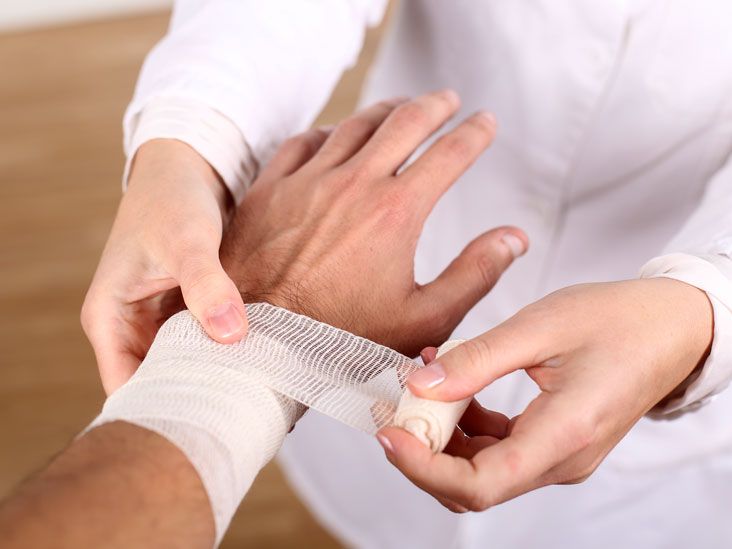
Soon after injury, the wrist is often placed in a splint to limit movement and reduce pain. Ice packs may help swelling during the first day or two, and keeping the wrist elevated above heart level can also reduce throbbing and puffiness. Pain relief may involve acetaminophen or other medications recommended by a clinician. Patients should avoid forcing movement, pushing bones back themselves, or “testing” whether the wrist is broken by using it. That test has poor reviews.
Closed Reduction and Casting
If the broken bone is out of position but does not require surgery, a doctor may perform a closed reduction. This means the bone is carefully realigned without making an incision. After reduction, the wrist is immobilized with a splint or cast. Follow-up X-rays are often needed because some fractures can shift during the healing process.
Casting may last several weeks, depending on the fracture and the patient’s healing progress. During this stage, finger movement is often encouraged to reduce stiffness, but the wrist itself must stay protected. A cast is not a fashion accessory, although friends may still treat it like a guestbook.
Surgical Treatment
Surgery may be recommended when the fracture is unstable, significantly displaced, open, fragmented, or extends into the wrist joint in a way that threatens long-term function. Surgical repair may involve plates, screws, pins, or external fixation to hold the bone in a better position while it heals. The exact method depends on the fracture pattern and the surgeon’s judgment.
Surgery is not automatically “better” for every Colles’ fracture, and nonsurgical care is not automatically “too simple.” The best treatment is the one that matches the injury, the patient, and the expected outcome. Two wrists can have the same fracture name and still need different plans.
Recovery Timeline: What to Expect
Recovery from a Colles’ wrist fracture is a process, not a single finish line. Many fractures are stable enough for light hand use after several weeks, but full comfort, strength, and flexibility can take months. Stiffness is common after immobilization because joints and tendons do not enjoy long vacations in a cast.
First Few Days
Pain, swelling, bruising, and awkwardness are common. Elevation, rest, and following medical instructions matter. Rings should be removed early if swelling is expected, unless a clinician says otherwise. Fingers should be monitored for color, warmth, sensation, and movement.
Weeks 1 to 6
During the immobilization phase, the main job is protection. Patients may need follow-up appointments to check alignment and healing. Finger, elbow, and shoulder movement may be encouraged to prevent stiffness above and below the cast.
After Cast Removal
Once the cast or splint is removed, the wrist may look thinner, feel stiff, and behave like it has forgotten its job description. This is normal. Gentle range-of-motion exercises and hand therapy can help restore flexibility, grip strength, coordination, and confidence.
Physical Therapy and Hand Therapy
Rehabilitation is often a major part of Colles’ fracture recovery. A physical therapist or occupational hand therapist may guide exercises for wrist bending, extension, rotation, finger strength, grip, and functional tasks. Therapy is usually gradual. The goal is progress, not heroic wrist gymnastics on day one.
Common rehab activities may include gentle stretching, tendon gliding, grip exercises, putty work, light strengthening, scar care after surgery, and training for everyday tasks. Patients should follow their provider’s timeline because doing too much too soon can irritate healing tissues, while doing nothing for too long may invite stiffness to move in permanently.
Possible Complications
Most Colles’ wrist fractures heal well with appropriate care, but complications can happen. These may include stiffness, reduced grip strength, chronic pain, arthritis if the joint surface was involved, tendon irritation, nerve symptoms, delayed healing, or healing in poor alignment. Complex fractures, osteoporosis, smoking, diabetes, and delayed treatment may increase the risk of problems.
A patient should contact a healthcare professional if pain worsens instead of improves, fingers become numb or cold, the cast feels too tight, swelling becomes severe, or new weakness appears. Recovery should move forward overall, even if some days feel slower than a Monday morning.
Prevention: How to Reduce the Risk
Not every wrist fracture can be prevented, but risk can be reduced. For older adults, fall prevention is a major strategy: remove loose rugs, improve lighting, use handrails, wear supportive shoes, and review medications that may affect balance. Strength and balance exercises can also help.
Bone health matters too. Adequate calcium, vitamin D, weight-bearing exercise, and osteoporosis screening when appropriate can reduce fracture risk. For athletes and active people, wrist guards, proper technique, safe surfaces, and realistic limits can lower the odds of landing palm-first into regret.
When to Seek Medical Care
Anyone who has wrist pain, swelling, deformity, or trouble using the hand after a fall should seek medical evaluation. Waiting to see whether it “walks off” is not a great plan for a wrist, mostly because wrists do not walk. Early diagnosis helps protect alignment, reduce pain, and improve the chance of a strong recovery.
Emergency care is especially important if the wrist looks badly deformed, bone is visible, fingers are numb or blue, pain is severe, or the hand feels cold. These symptoms may suggest nerve, blood flow, or soft tissue concerns that need quick attention.
Living With a Colles’ Wrist Fracture: Practical Experience Notes
The everyday experience of a Colles’ wrist fracture can be surprisingly humbling. The injury may involve only one wrist, but suddenly the entire routine seems to file a complaint. Buttoning a shirt, squeezing toothpaste, lifting a coffee mug, cooking dinner, opening a car door, washing hair, or typing a message can become miniature obstacle courses. Many patients say the first lesson is patience, followed closely by learning which household objects were secretly designed by villains.
During the first few days, swelling is often the boss. Keeping the hand elevated can feel repetitive, but it helps. People often underestimate how much the fingers matter during recovery. Even when the wrist is immobilized, gentle finger motion may be encouraged by a clinician to reduce stiffness and keep circulation moving. A hand that stays completely still for weeks may become more stubborn later.
Cast life comes with its own personality. It can feel heavy, itchy, warm, and awkward. Sleeping may require pillow engineering worthy of an architecture award. Showering usually requires waterproof protection, and meals may become simpler because chopping vegetables with one working hand is not exactly a relaxing cooking show. Loose sleeves, slip-on shoes, pre-cut foods, voice-to-text tools, and help from family or friends can make the recovery period less frustrating.
After the cast comes off, many people expect instant freedom. Instead, the wrist may feel stiff, weak, dry, sensitive, and slightly unfamiliar. That does not mean recovery has failed. Immobilized joints need time to remember smooth movement. Therapy exercises may look too simple to matter, but small repeated movements often build the foundation for bigger improvements. The first successful turn of a doorknob can feel weirdly victorious.
Emotionally, the injury can be annoying because progress is visible but not always fast. One week the wrist bends a little farther; the next week it complains after too much activity. This uneven pattern is common. A helpful mindset is to measure progress by function: easier dressing, stronger grip, less swelling, better sleep, more comfortable typing, or being able to carry light objects again. Recovery is not a straight escalator. It is more like stairs, with occasional squeaky steps.
For active people, returning to sports, gym workouts, or manual work should be guided by a healthcare professional. The wrist may feel better before it is ready for impact, heavy lifting, or sudden falls. Rushing can turn a healing fracture into a longer story than anyone wanted. Gradual strengthening, protective support when recommended, and honest feedback about pain are better than pretending everything is fine while the wrist quietly disagrees.
Caregivers also play a role. Simple help with transportation, meals, laundry, school bags, work tasks, or medication schedules can make a big difference. The best support is practical and calm: less panic, more pillows; less “Are you better yet?” and more “Can I open that jar?” A Colles’ fracture may be common, but for the person wearing the cast, it is personal, inconvenient, and very real.
Conclusion
A Colles’ wrist fracture is a common distal radius fracture usually caused by falling on an outstretched hand. It can lead to pain, swelling, bruising, stiffness, and a visibly bent wrist. Diagnosis usually involves a physical exam and X-rays, while treatment may include splinting, casting, closed reduction, or surgery depending on the fracture’s stability and alignment.
The good news is that many people recover well with timely care, proper immobilization, follow-up visits, and rehabilitation. The less glamorous news is that healing takes patience. Protect the wrist early, move as instructed later, and do not treat recovery like a race. Your wrist has a job to return to, and it performs best when given the time, support, and medical guidance it deserves.