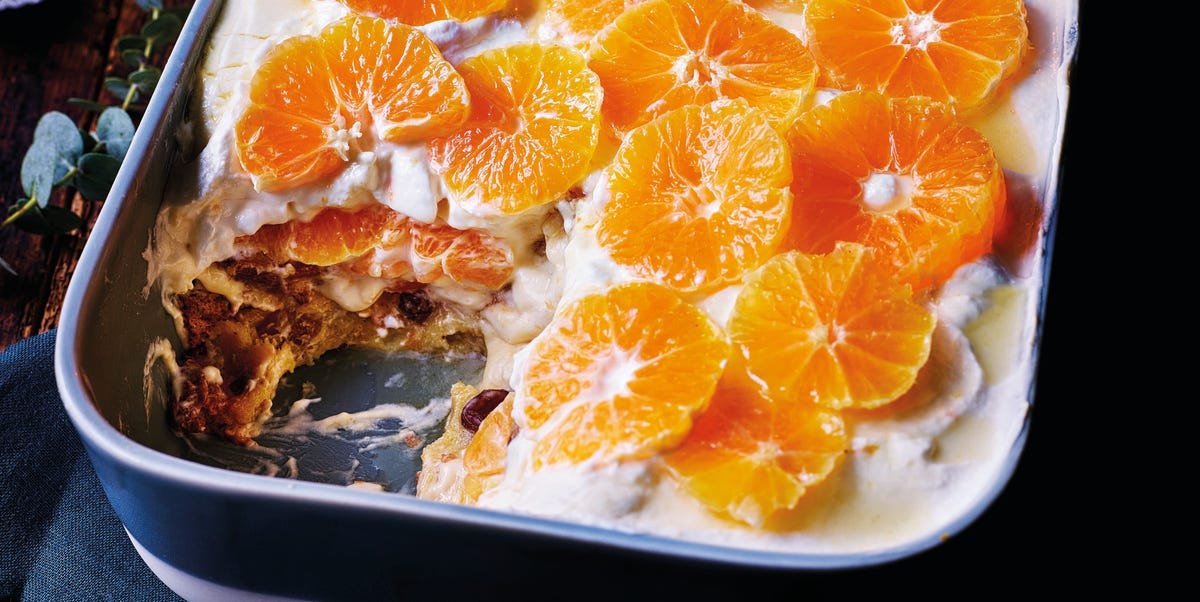
Some desserts arrive wearing a tuxedo. Others show up in fuzzy slippers and still somehow steal the party. This Clementine Tiramisu recipe does both. It has the creamy, cloud-soft layers of classic tiramisu, but instead of leaning fully into espresso and cocoa, it brightens the whole room with fresh clementine juice, fragrant zest, tender ladyfingers, and a mascarpone filling that tastes like winter sunshine took a vacation in Italy.
Traditional tiramisu is famous for its layers of coffee-soaked ladyfingers, mascarpone cream, and cocoa. This citrus version keeps the same no-bake magic but swaps the heavy coffee mood for a lighter, fruitier personality. Think creamy, zesty, soft, chilled, and just fancy enough to make guests ask, “Wait, did you go to culinary school?” You may confidently answer, “Only emotionally.”
This recipe is also designed for real home kitchens. No raw eggs, no complicated custard, no oven, and no dramatic pastry-chef whispering required. The mascarpone cream is stabilized with whipped cream and powdered sugar, while the clementine syrup gives the ladyfingers a fresh, juicy flavor without turning them soggy. It is elegant enough for holidays, easy enough for Sunday dinner, and cheerful enough to rescue a gloomy Tuesday.
Why You’ll Love This Clementine Tiramisu
The best thing about clementine tiramisu is balance. Mascarpone is rich and velvety, ladyfingers are light and sponge-like, and clementines bring natural sweetness with a little citrus sparkle. When layered together and chilled, the dessert becomes creamy but not heavy, fruity but not sharp, and sweet without tasting like it lost a bet with a sugar bowl.
This recipe is especially useful when you want a make-ahead dessert. In fact, tiramisu gets better after resting because the ladyfingers soften and the flavors settle into each other. The clementine zest perfumes the cream, the juice soaks gently into the biscuits, and the whole dish turns into a sliceable, spoonable dessert that looks much more difficult than it is.
What Makes Clementines Perfect for Tiramisu?
Clementines are small, sweet, easy to peel, and beautifully aromatic. Compared with larger oranges, they often have a softer acidity and a floral fragrance that works wonderfully in desserts. Their juice creates a delicate soaking syrup, while their zest adds a bright citrus note directly to the mascarpone cream. That combination makes this citrus tiramisu taste fresh instead of overly rich.
Another advantage is convenience. You do not need a specialty citrus variety or a fancy juicer. A handful of ripe clementines can provide enough juice and zest for the entire dessert. If your clementines are extra sweet, you can reduce the sugar slightly. If they are a little tart, the mascarpone cream will mellow them out like a very polite dairy diplomat.
Ingredients for Clementine Tiramisu
For the Clementine Syrup
- 1 cup fresh clementine juice, from about 8 to 10 clementines
- 2 tablespoons granulated sugar
- 1 teaspoon finely grated clementine zest
- 1 teaspoon vanilla extract
- 1 tablespoon lemon juice, optional, for brightness
For the Mascarpone Cream
- 16 ounces mascarpone cheese, cold but slightly softened
- 1 1/2 cups heavy whipping cream, cold
- 2/3 cup powdered sugar
- 1 tablespoon finely grated clementine zest
- 1 teaspoon vanilla extract
- 1/8 teaspoon fine sea salt
For Assembly
- 28 to 32 crisp ladyfingers, also called savoiardi
- 2 to 3 clementines, peeled and segmented
- White chocolate shavings, optional
- Extra clementine zest, for garnish
- A light dusting of cocoa powder, optional, for a classic tiramisu finish
How to Make Clementine Tiramisu
Step 1: Make the Clementine Syrup
Pour the fresh clementine juice into a small saucepan. Add the granulated sugar, clementine zest, vanilla extract, and lemon juice if using. Warm the mixture over medium-low heat for 3 to 5 minutes, stirring until the sugar dissolves. Do not boil it aggressively. You want a fragrant syrup, not citrus lava.
Remove the syrup from the heat and let it cool completely. This matters because warm syrup can make ladyfingers collapse too quickly. The goal is a quick dip, not a biscuit swimming lesson.
Step 2: Whip the Cream
In a large mixing bowl, beat the cold heavy cream until soft peaks form. Soft peaks should look billowy and slightly relaxed, not stiff enough to tile a bathroom. This gives the mascarpone filling a light texture while still helping it hold its shape.
Step 3: Mix the Mascarpone Filling
In a separate bowl, beat the mascarpone, powdered sugar, clementine zest, vanilla extract, and salt until smooth. Keep the mixer on low or medium-low speed. Mascarpone can become grainy if overworked, and nobody invited grainy cheese to dessert.
Gently fold the whipped cream into the mascarpone mixture in two additions. Use a spatula and slow, sweeping motions. The finished cream should be thick, smooth, and spreadable, with a fresh citrus aroma.
Step 4: Dip the Ladyfingers
Pour the cooled clementine syrup into a shallow dish. Working one at a time, dip each ladyfinger very quickly, about 1 second per side. Crisp ladyfingers absorb liquid fast, so move with confidence. If you soak them too long, the tiramisu can become watery instead of tender.
Step 5: Build the First Layer
Arrange a layer of dipped ladyfingers in the bottom of an 8-inch square dish or similar 2-quart serving dish. Break pieces as needed to fill gaps. Spread half of the mascarpone cream over the top, smoothing it into an even layer. Scatter a few small clementine segments over the cream if you want little bursts of fruit.
Step 6: Add the Second Layer
Repeat with another layer of quickly dipped ladyfingers and the remaining mascarpone cream. Smooth the top with a spatula. Cover the dish and refrigerate for at least 6 hours, preferably overnight. This chilling time is where the dessert becomes tiramisu instead of “cookies wearing cream.”
Step 7: Garnish and Serve
Just before serving, top the tiramisu with clementine zest, white chocolate shavings, and a few fresh clementine segments. If you want a nod to classic tiramisu, add a very light dusting of cocoa powder. Keep it subtle; clementine is the star here, and cocoa is merely making a tasteful cameo.
Expert Tips for the Best Clementine Tiramisu
Use Crisp Ladyfingers
For tiramisu, crisp ladyfingers are usually better than soft, cake-like ones. They absorb syrup without immediately falling apart, which gives the dessert structure. Look for packages labeled savoiardi if available.
Do Not Oversoak
The most common tiramisu mistake is soaking the ladyfingers too long. A fast dip is enough. Remember, the dessert will rest in the refrigerator, and the biscuits will continue absorbing moisture as they chill.
Keep the Cream Cold
Cold heavy cream whips better, and chilled mascarpone holds its texture more reliably. If your kitchen is warm, place the bowl and beaters in the refrigerator for 10 minutes before whipping.
Make It Ahead
This easy clementine tiramisu is best after several hours in the refrigerator. Overnight chilling gives the cleanest slices and the most developed flavor. It is the rare dessert that rewards procrastination’s more responsible cousin: planning ahead.
Flavor Variations
Clementine Vanilla Tiramisu
Add the seeds from half a vanilla bean to the mascarpone cream for a bakery-style flavor. Vanilla softens the citrus and makes the dessert taste extra creamy.
Clementine Chocolate Tiramisu
Add a thin layer of shaved dark chocolate between the mascarpone layers. Chocolate and orange are longtime friends, the kind who finish each other’s sentences and always bring snacks.
Clementine Berry Tiramisu
Add raspberries or sliced strawberries between the layers. Their tartness pairs nicely with the sweet citrus syrup and rich mascarpone cream.
Family-Friendly Citrus Tiramisu Cups
Instead of using one large dish, assemble the dessert in small glasses. Break the ladyfingers into pieces, dip them briefly, and layer them with cream and fruit. Individual cups are great for parties because nobody has to perform dessert surgery with a serving spoon.
Storage Instructions
Cover clementine tiramisu tightly and refrigerate it for up to 3 days. The texture is best during the first 24 to 48 hours, when the ladyfingers are soft but not overly wet. Add fresh garnish just before serving so the top looks bright and fresh.
This dessert is not ideal for freezing because mascarpone cream can separate after thawing. If you need to prepare ahead, make it one day before serving and keep it chilled. The flavor will be excellent, and your future self will feel unusually organized.
Food Safety Note
Many traditional tiramisu recipes use raw or lightly cooked eggs. This version avoids raw eggs entirely by using whipped cream and mascarpone for the filling. That makes the recipe simpler and more approachable for home cooks, especially when serving guests. Keep the finished dessert refrigerated and return leftovers to the refrigerator promptly.
What to Serve with Clementine Tiramisu
Clementine tiramisu is lovely after a holiday meal, pasta dinner, roast chicken, brunch spread, or seafood main course. Because it is cool and citrusy, it works especially well after rich dishes. Serve small squares with hot coffee, black tea, mint tea, or sparkling water with a slice of citrus.
If you are building a dessert table, pair it with almond cookies, shortbread, chocolate truffles, or a simple fruit platter. The tiramisu will bring creaminess, the cookies will bring crunch, and everyone will pretend they are only taking “a tiny piece” before returning with a suspiciously larger plate.
Common Questions About Clementine Tiramisu
Can I use oranges instead of clementines?
Yes. Fresh orange juice works well, though the flavor may be slightly stronger and less delicate. Mandarins and tangerines are also good substitutes.
Can I make this recipe without mascarpone?
Mascarpone gives tiramisu its signature richness. In a pinch, you can use a blend of cream cheese and whipped cream, but the flavor will be tangier and less traditional.
Can I add coffee?
You can, but keep it gentle. A small amount of cooled espresso mixed with the clementine syrup can create a bittersweet citrus-coffee flavor. For a brighter dessert, skip the coffee and let the clementines shine.
Why is my tiramisu watery?
The ladyfingers were probably soaked too long, or the clementine segments released too much juice. Dip quickly, drain fruit well, and chill the dessert long enough to set.
Personal Kitchen Experience: What This Clementine Tiramisu Teaches You
The first time you make clementine tiramisu, you may feel suspicious. It looks too easy. There is no baking, no thermometer, no dramatic sugar stage, and no moment where you must whisper a prayer to the oven light. You simply juice clementines, whip cream, fold mascarpone, dip ladyfingers, and layer everything into a dish. Then the refrigerator does the quiet work. It feels almost unfair, like finding out the class project was secretly completed by a very responsible appliance.
But the experience teaches one of the most useful dessert lessons: simple ingredients need good handling. The difference between a beautiful tiramisu and a soggy one is often just two seconds. Dip the ladyfingers quickly and they become tender, cake-like layers. Let them lounge in the syrup too long and they turn into citrus pudding with structural issues. Delicious? Maybe. Elegant? Not unless you serve it in a bowl and call it “deconstructed,” which is chef language for “something happened.”
The mascarpone cream also teaches patience. If you beat mascarpone too aggressively, it can lose its smooth texture. If you fold whipped cream gently, the filling stays light and plush. That small technique makes the dessert feel luxurious, even though the ingredient list is short. It is a reminder that cooking is not always about doing more. Sometimes it is about doing less, but doing it with a spatula and a little emotional stability.
Clementines make the process especially enjoyable because the kitchen smells incredible. Zesting them releases a bright, floral aroma that feels instantly festive. It is the kind of smell that makes people wander into the kitchen pretending they need water. The juice is sweet, the color is cheerful, and the finished dessert looks like something that belongs at a winter dinner party, a spring brunch, or any gathering where people appreciate creamy desserts and compliments.
This recipe is also forgiving. If your layers are not perfectly straight, the cream covers them. If a ladyfinger breaks, tuck it into a corner like it was part of the plan. If the top is not smooth, add zest and chocolate shavings. Tiramisu is generous that way. It does not demand perfection; it rewards assembly, chilling, and restraint. By the time you serve it, the layers have relaxed into one another, the citrus has softened, and the mascarpone has become silky and sliceable.
The best serving experience comes from making it the night before. Pull it from the refrigerator just before dessert, garnish it fresh, and slice with a clean knife. The first spoonful should be cool, creamy, fragrant, and lightly tangy. It should taste familiar enough to comfort tiramisu lovers but different enough to make them pause. That pause is the goal. It is the tiny silence before someone says, “Okay, I need this recipe.”
Conclusion
This Clementine Tiramisu recipe is a bright, no-bake twist on the classic Italian dessert. It keeps the beloved layers of ladyfingers and mascarpone cream while adding fresh clementine juice and zest for a lighter, sunnier flavor. It is simple to prepare, easy to make ahead, and polished enough for holidays, dinner parties, birthdays, or any night that needs a little citrus-powered charm.
Use crisp ladyfingers, dip them quickly, keep the mascarpone cream cold, and give the dessert enough time to chill. Do that, and you will have a creamy citrus tiramisu that tastes elegant without acting difficult. In dessert terms, that is basically the dream.