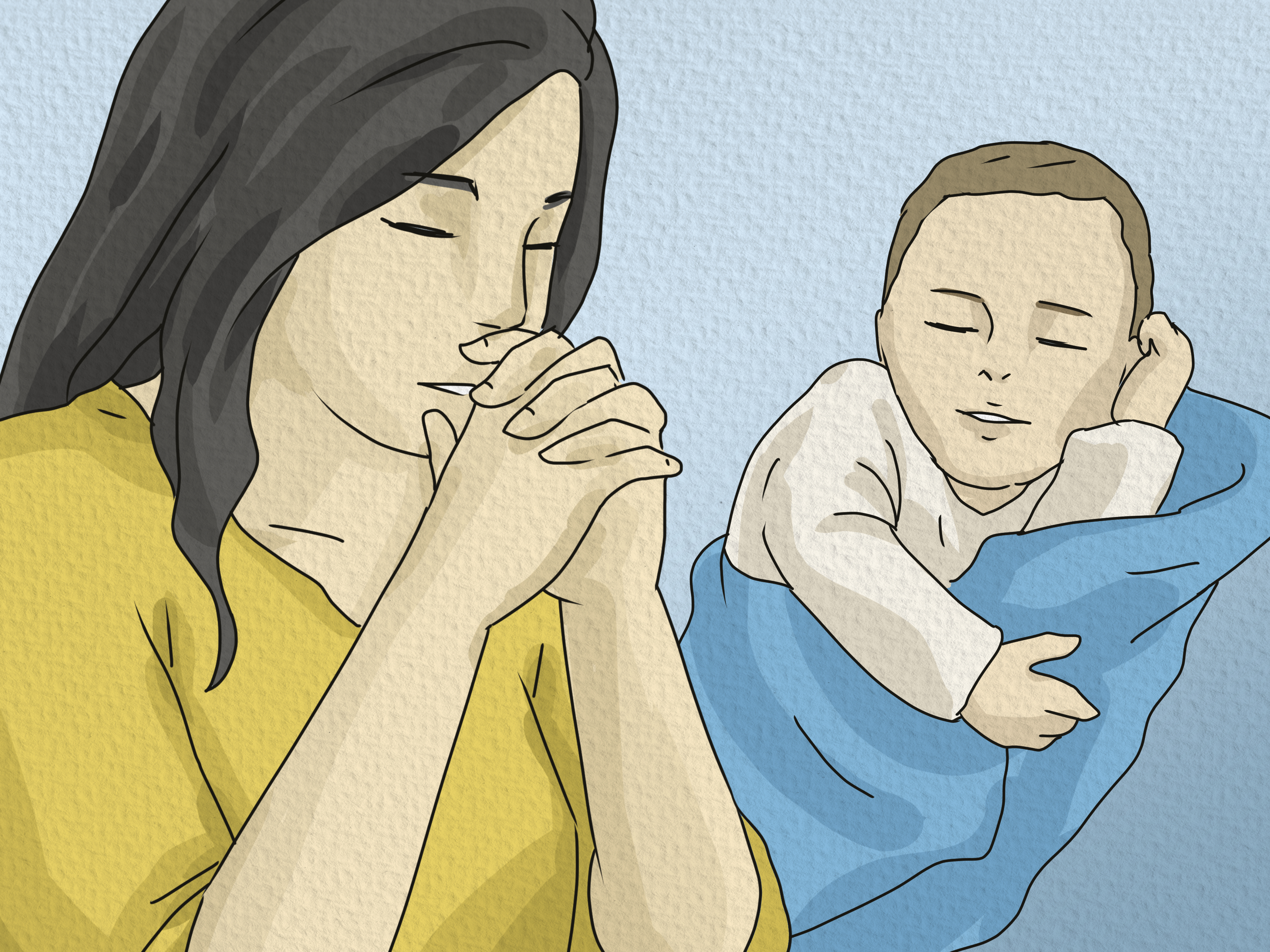
If you have ever been invited to a church ceremony for a baby and heard one relative call it a “christening” while another confidently calls it a “baptism,” you are not alone. Families have debated this at kitchen tables, church halls, and probably over cake with tiny white booties on top. The good news is that the two words are closely related. The slightly tricky news is that they are not always used the same way in every Christian tradition.
In simple terms, baptism is the broader and more formal Christian rite involving water, faith, and initiation into the Christian community. Christening often refers to a baptism, especially the baptism of an infant, and it historically carries the idea of naming a child in a Christian context. In many churches, the event people call a christening is actually the sacrament or ordinance of baptism. In other churches, “christening” is not the preferred word at all.
This guide explains the difference between christened vs baptized in plain American English, with enough detail to help parents, godparents, adult converts, curious guests, and anyone holding a folded church program upside down.
What Does “Baptized” Mean?
To be baptized means to receive Christian baptism, a sacred ceremony that uses water as a visible sign of faith, grace, cleansing, new life, and entry into the Christian community. Most historic Christian churches baptize “in the name of the Father, and of the Son, and of the Holy Spirit.” Depending on the denomination, the water may be poured, sprinkled, or used in full immersion.
For Catholics, Orthodox Christians, Episcopalians, Lutherans, Methodists, Presbyterians, and many other traditions, baptism is commonly understood as a sacrament. That means it is not merely a nice family photo opportunity, although Grandma may still treat it like the spiritual Super Bowl. It is a holy act connected to God’s grace and the life of the Church.
For many Baptists and other evangelical Christians, baptism is usually described as an ordinance rather than a sacrament. In that view, baptism is an outward public testimony of a believer’s personal faith in Jesus Christ. It is normally practiced after a person consciously professes faith and is often performed by immersion.
What Does “Christened” Mean?
To be christened traditionally means to be named at baptism or to be received into the Christian faith through baptism. In common speech, especially in Anglican, Episcopal, Catholic, and some Methodist contexts, people often use “christening” when talking about a baby’s baptism.
The word has a warm, family-centered feel. It brings to mind a baby in a white gown, proud parents, godparents standing nearby, a minister or priest at the font, and at least one relative whispering, “Don’t cry, don’t cry,” which of course guarantees crying.
However, “christening” is not always a separate ceremony from baptism. In most Christian settings where the word is used, the christening is the baptism. The naming, prayers, promises, water, and welcome into the church all happen as part of one service.
Christened vs Baptized: The Main Difference
The key difference is scope. Baptism is the official religious rite. Christening is often a traditional or cultural name for baptism, especially infant baptism. Baptism can apply to babies, children, teens, and adults. Christening is most often used for babies and young children.
Baptism Is the Theological Term
When churches write official liturgies, membership records, catechisms, or doctrinal statements, they usually use the word baptism. It is the term used across Christian traditions for the rite involving water and Christian initiation.
Christening Is Often the Family Term
Christening is more likely to show up in conversation: “We’re having Lily christened next Sunday.” In many churches, the parish record may still say “baptism,” even if the invitation says “christening.” Think of it like saying “wedding” versus “marriage ceremony.” One sounds more everyday; the other sounds more official.
Are Christening and Baptism the Same Ceremony?
In many cases, yes. If a family says their baby is being christened in a church, they usually mean the child is being baptized. The child is named, water is used, prayers are said, and the congregation welcomes the child into the Christian community.
Still, the answer depends on the church. Some churches use “christening” and “baptism” almost interchangeably. Others avoid the word “christening” because they want to emphasize baptism as the central Christian rite, not merely a naming event. Some evangelical churches may not use “christening” at all and may instead offer a baby dedication, which is different from baptism.
Infant Baptism, Believer’s Baptism, and Baby Dedication
One reason the christened vs baptized question gets confusing is that Christian denominations practice baptism differently.
Infant Baptism
In Catholic, Orthodox, Episcopal, Lutheran, Methodist, Presbyterian, and many Reformed traditions, infants may be baptized. These churches typically understand baptism as God’s gracious action before a child can fully understand or explain faith. Parents and sponsors promise to raise the child in the Christian faith, and the congregation often promises support.
In these traditions, a baby’s christening is normally a baptism. It is not just a naming ceremony. It is a religious rite with promises, water, prayer, and community responsibility.
Believer’s Baptism
In Baptist and many evangelical churches, baptism is usually reserved for people who personally profess faith in Christ. This is often called believer’s baptism. It is commonly done by immersion, symbolizing death to the old life and rising to new life in Christ.
In these churches, babies are not typically baptized or christened. Instead, parents may take part in a child dedication service, asking God’s blessing and promising to raise the child in a faithful home.
Baby Dedication
A baby dedication is not the same as baptism. It usually does not involve water and is not considered entry into the church through baptism. It is a public prayer and commitment by parents, and sometimes the congregation, to nurture the child spiritually.
What Happens During a Baptism or Christening?
The exact order varies, but many baptism or christening services include several common elements.
1. Presentation of the Candidate
The person being baptized is presented before the church. For an infant, parents and godparents or sponsors usually do this. For an adult, the person may answer directly.
2. Promises or Vows
Parents, godparents, sponsors, or the person being baptized may make vows. These promises often include turning away from sin, trusting in Christ, participating in church life, and helping the baptized person grow in faith.
3. Use of Water
Water is the central visible sign of baptism. Some churches pour water over the head. Others sprinkle. Others immerse the whole person. The method depends on the tradition, but the meaning is tied to cleansing, new life, and belonging to Christ.
4. Baptismal Words
Many churches use the Trinitarian formula: “I baptize you in the name of the Father, and of the Son, and of the Holy Spirit.” This wording matters greatly in many Christian traditions because it connects the ceremony to historic Christian practice.
5. Welcome into the Church
The congregation often welcomes the newly baptized person. This part is important because baptism is not meant to be a private spiritual errand, like picking up dry cleaning. It is a public act of belonging.
What Is the Role of Godparents or Sponsors?
Godparents, also called sponsors in some churches, are chosen to support the baptized person’s Christian life. For infants and young children, godparents may speak on behalf of the child and promise to help parents nurture the child in faith.
Requirements vary by denomination. Catholic churches have specific rules about who may serve as a godparent. Episcopal churches generally require sponsors to be baptized persons. Presbyterian churches may use the language of sponsors rather than godparents and emphasize the role of the whole congregation. In every case, the role is more than ceremonial. A godparent is not just a person who looks good in photos and remembers to bring a card. The role is meant to be spiritual, supportive, and long-term.
Can Adults Be Christened?
Adults can certainly be baptized. Whether people call that adult baptism a “christening” depends on the tradition and local language. Most churches would say “adult baptism” rather than “adult christening.”
For adults, baptism often follows a period of instruction, conversation with church leaders, or public profession of faith. In Catholic parishes, adult baptism may happen through the Order of Christian Initiation of Adults. In Baptist churches, it may follow a personal decision to trust Christ. In Episcopal, Lutheran, Methodist, or Presbyterian settings, the process may include preparation classes and conversation with a pastor or priest.
Is a Christening Only About Giving a Name?
No. Although the word “christen” historically includes the idea of naming, a Christian christening is not merely a name announcement with holy water. In churches that use the term, christening usually means baptism. The name is part of the service, but the deeper focus is faith, grace, Christian identity, and welcome into the church.
That said, the naming aspect explains why the word “christen” expanded into nonreligious English. People may “christen” a ship, a building, or even a new coffee mug at work. That broader usage means “to name or dedicate.” In church, however, christening points back to baptism and Christian belonging.
Do You Need to Be Baptized Again If You Were Christened as a Baby?
The answer depends on the church you ask. Many historic Christian traditions teach that baptism is received once and should not be repeated when it was done with water in the name of the Father, Son, and Holy Spirit. In those churches, if you were baptized as an infant, you are considered baptized. Later, you may be confirmed, received into membership, or asked to reaffirm your baptismal promises.
Some Baptist and evangelical churches do not recognize infant baptism as believer’s baptism because the person did not personally profess faith at the time. They may ask someone baptized as a baby to be baptized as a believer. This is not just a paperwork issue; it reflects different theology about what baptism means.
If this question matters personally, talk with the pastor, priest, or church leader of the congregation you plan to join. Baptismal theology is one of those topics where “my cousin said” is not the gold standard.
Christened vs Baptized by Denomination
Catholic Churches
Catholic churches typically use the word baptism officially. A baby may be baptized soon after birth, with parents and godparents taking on serious responsibilities. Many Catholic families may casually call the event a christening, but the sacrament is baptism.
Episcopal and Anglican Churches
Episcopal and Anglican communities often recognize the everyday word christening, especially for infants, but the formal rite is Holy Baptism. Sponsors or godparents make promises, and the baptized person is welcomed into the body of Christ.
Methodist Churches
United Methodists baptize infants, children, and adults. Baptism marks the beginning of a lifelong journey of discipleship. Some families may say christening, but official teaching centers on baptism.
Lutheran Churches
Lutheran churches commonly baptize infants and adults, understanding baptism as a gracious act of God. The word christening may appear in family speech, but baptism is the standard theological term.
Presbyterian Churches
Presbyterian churches baptize infants and adults and often describe baptism as a sign and seal of God’s grace. The whole congregation has a role in nurturing the baptized person. “Sponsor” may be preferred over “godparent” in some Presbyterian contexts.
Baptist Churches
Baptist churches generally practice believer’s baptism by immersion. They usually do not baptize babies and may not use the word christening. Instead, families may participate in a baby dedication.
Orthodox Churches
Orthodox churches baptize infants and adults. Baptism is often closely connected with chrismation and Holy Communion, especially in infant initiation. The word christening may be heard socially, but baptism is the core sacramental rite.
Common Examples
Example 1: A Baby in an Episcopal Church
A family says, “We’re having our son christened.” At the service, the priest baptizes the baby with water, the sponsors make promises, and the congregation welcomes the child. In this case, christening and baptism refer to the same event, though baptism is the official term.
Example 2: A Teen in a Baptist Church
A teenager professes faith in Jesus and is baptized by immersion during Sunday worship. The church calls this baptism, not christening. The focus is the teen’s personal confession of faith.
Example 3: An Adult Who Was Baptized as a Baby
An adult who was baptized as an infant joins a Methodist, Catholic, Episcopal, Lutheran, or Presbyterian church. The church may recognize the earlier baptism and invite the person to confirmation, reaffirmation, or membership preparation rather than baptizing again.
Which Word Should You Use?
If you are speaking casually with family, “christening” is widely understood in many communities, especially for a baby. If you are speaking with a church office, filling out forms, or asking theological questions, use “baptism.” It is clearer and more widely recognized across denominations.
For invitations, either word may be acceptable depending on your church. A traditional invitation might say, “You are invited to the christening of our daughter.” A more formal church-style invitation might say, “You are invited to the baptism of our daughter.” When in doubt, ask the church what wording they prefer.
Practical Tips for Parents and Guests
For Parents
Contact the church early. Many churches require preparation classes, membership conversations, godparent information, or scheduling through the parish office. Ask what documents are needed, whether godparents must meet specific requirements, and whether photography is allowed during the service.
For Godparents
Take the role seriously. You are not being asked to serve as a decorative adult in formalwear. Your job is to encourage the child or candidate in faith, prayer, worship, and Christian living. A thoughtful note each year on the baptism anniversary may mean more than another toy that makes spaceship noises at 6 a.m.
For Guests
Arrive on time, dress respectfully, and follow the congregation’s lead. You do not need to understand every word of the liturgy to be supportive. Standing, sitting, singing softly, and smiling at the right moments will carry you far.
Personal and Family Experiences Around Christenings and Baptisms
One of the most memorable things about a baptism or christening is how many layers of meaning appear in one small ceremony. At first glance, people may notice the visible details: the white outfit, the candle, the water, the family gathering, the proud grandparents taking enough photos to fill a small museum. But underneath those details is something deeper. Families often describe the day as a moment when ordinary life suddenly feels connected to something larger than itself.
For parents, the experience can be surprisingly emotional. Many arrive focused on logistics: Did we bring the certificate? Is the baby fed? Will the godparents find parking? Is the outfit buttoned correctly, or has it become a tiny theological puzzle? Then the service begins, and the mood changes. Hearing their child’s name spoken aloud in church can feel powerful. The promises are not abstract anymore. Parents are publicly saying, “We want this child to grow in faith, love, and community.” That can feel beautiful, serious, and a little overwhelming.
Godparents often experience the ceremony as a wake-up call. Before the service, the title may sound sweet and honorary. During the vows, it becomes clear that the role involves real commitment. Many godparents later say they began thinking more intentionally about their own faith, their example, and their relationship with the child. In that sense, a christening does not only mark the child’s beginning; it nudges the adults too.
Guests may also find the ceremony meaningful, even if they are not regular churchgoers. A baptism has a way of gathering generations in one room. Great-grandparents remember older family traditions. Parents think about the future. Children watch the water and wonder what is happening. Someone may cry, someone may laugh, and a baby may choose the quietest part of the service to make the loudest possible sound. Somehow, all of it belongs.
Adult baptisms carry a different but equally powerful atmosphere. Instead of parents speaking for a child, the person being baptized speaks personally. The ceremony may represent years of searching, questioning, healing, learning, or returning to faith. In churches that practice immersion, the physical act can be especially vivid: going down into the water and rising again as a sign of new life. In churches that pour or sprinkle water, the moment can be quieter but still deeply personal.
Families sometimes experience confusion when different relatives come from different Christian traditions. One side may say, “The baby was christened,” while another says, “Actually, it was baptism.” Someone else may ask whether it “counts.” These conversations are best handled with patience. The words matter, but so does charity. A calm explanation usually helps: christening is often the family word for a baby’s baptism; baptism is the official Christian rite.
The best experiences happen when families understand the meaning before the day arrives. A baptism or christening is not just a tradition to complete, like mailing holiday cards or assembling furniture with three mysterious leftover screws. It is a public, prayerful moment of faith, belonging, and responsibility. Whether the church calls it baptism, christening, Holy Baptism, or believer’s baptism, the heart of the ceremony is not the label. It is the promise of a life turned toward God and supported by a community.
Conclusion: Christening and Baptism Are Related, But Not Always Identical
The difference between christened vs baptized comes down to language, theology, and church tradition. Baptism is the official Christian rite involving water and initiation into the Christian community. Christening is often a familiar term for an infant baptism, especially in traditions where babies are baptized and named in the service.
If you are planning a ceremony, the safest move is to ask your church which term it uses and what preparation is required. That one question can prevent confusion, awkward invitations, and the classic family debate that begins with, “Well, back in my day…”
Whether the ceremony is called a christening or baptism, its deepest meaning is not found in the outfit, the photos, or even the cake. It is found in faith, grace, promises, water, and welcome.