A child’s nail brush may look like a tiny bathroom accessory, but in the daily drama of parenting, it can play the role of superhero, sidekick, and mud detective all at once. Children explore the world with their hands. They dig in dirt, touch playground rails, pet dogs, build sticky art projects, snack with enthusiasm, and somehow collect mystery crumbs under their fingernails even when nobody saw them eat crackers. That is where a gentle, well-designed child’s nail brush earns its spot by the sink.
A child’s nail brush is a small brush made to clean around and under fingernails during handwashing. Unlike adult nail brushes, which may feel too stiff or bulky, a kids nail brush should be soft, easy to grip, quick to rinse, and simple enough for a child to use with supervision. The goal is not to scrub like you are refinishing a deck. The goal is to help children build a calm, consistent hand hygiene routine that removes visible dirt and encourages healthy nail habits.
Good nail care matters because fingernails can trap dirt and germs, especially when nails are long, rough, or frequently bitten. Health organizations consistently recommend washing hands with soap and water, cleaning under the nails, and keeping nails trimmed. A child’s nail brush does not replace soap, water, or proper handwashing time, but it can make the “under the nails” step easier, more visible, and, dare we say, slightly more fun.
What Is a Child’s Nail Brush?
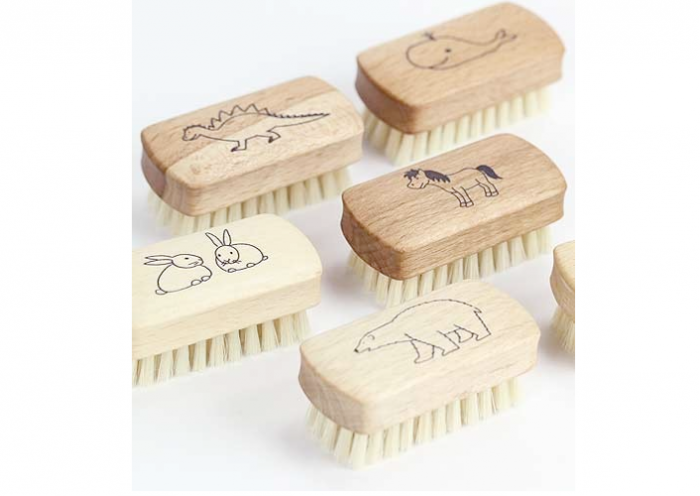
A child’s nail brush is a small grooming and hygiene tool designed for little hands and smaller fingernails. It usually has a compact handle and rows of soft bristles made from nylon, silicone, or another washable material. Some versions are shaped like animals, clouds, cars, or colorful blocks to make handwashing less of a negotiation and more of a routine.
The best children’s nail brush is not simply a miniature adult brush. Children have thinner skin, smaller nail beds, and less patience than adults. A brush for kids should feel gentle, not scratchy. It should be large enough that it is not a choking concern for toddlers, but small enough for a preschooler or school-age child to hold comfortably. It should also dry quickly, because a permanently damp brush sitting in a puddle beside the sink is not exactly the hygiene victory parade we were hoping for.
Why Kids Need Extra Help Cleaning Under Their Nails
Children are professional collectors of dirt. They do not apply for the job; they are born into it. Sandboxes, crayons, snacks, glue sticks, garden soil, finger paint, and playground equipment all provide excellent opportunities for grime to hide beneath fingernails.
Standard handwashing removes a lot, but the areas under nails are easy to miss. Many children rub their palms together quickly, rinse, and declare themselves clean with the confidence of a tiny lawyer. A nail brush gives them a simple tool to target the spots they often skip: under the nail tips, around the nail edges, and across the fingertips.
The Hygiene Benefits
Using a soft nail brush can help children:
- Remove visible dirt from under fingernails after outdoor play.
- Develop better handwashing habits before meals.
- Reduce the temptation to pick at dirty nails.
- Learn body-care independence in a safe, supervised way.
- Understand that clean hands include more than just clean palms.
For children who love gardening, sports, crafts, or playground adventures, a soft nail brush can be especially useful. It is not about making kids spotless every second of the day. Childhood should include dirt, puddles, and the occasional heroic mud pie. The point is helping them clean up properly afterward.
How to Choose the Best Child’s Nail Brush
Buying a child’s nail brush sounds simple until you discover there are more options than expected. Some are wooden, some are plastic, some are silicone, some have suction cups, and some are shaped like cheerful animals who appear deeply committed to hygiene. Here is what actually matters.
1. Choose Soft Bristles
The bristles should be soft enough for daily use. A brush that feels scratchy on your adult skin will likely feel worse to a child. Look for “soft,” “gentle,” or “children’s” in the product description. Silicone bristles can be a good choice for younger kids because they are flexible, easy to rinse, and less likely to feel poky.
2. Pick a Kid-Friendly Size
The brush should fit comfortably in a child’s hand, but it should not be so tiny that it becomes a safety concern. For toddlers and preschoolers, avoid brushes with detachable decorations, loose parts, removable caps, or tiny accessories. If it looks like something a curious toddler might chew apart, skip it.
3. Look for an Easy-Grip Design
Wet hands are slippery. Soap makes them slipperier. Children add chaos. A good children’s nail brush should have a rounded shape, textured grip, or handle that helps small hands hold it without launching it across the bathroom like a hygiene-themed rocket.
4. Choose Quick-Drying Materials
Plastic and silicone brushes are usually easy to rinse and dry. Wooden brushes can be attractive and eco-friendly, but they need better airflow and care to prevent cracking or staying damp. If you choose wood, look for smooth finishing, sealed surfaces, and a storage spot that allows full drying.
5. Keep Cleaning Simple
A nail brush should be easy to rinse after every use. Complicated designs with deep grooves may trap soap residue or debris. Cute is welcome; impossible to clean is not.
How to Use a Child’s Nail Brush Correctly
The easiest way to introduce a nail brush is to make it part of normal handwashing. It should not feel like a punishment for getting dirty. It should feel like the final boss level of clean hands.
Step-by-Step Routine
- Wet your child’s hands with clean running water.
- Add plain hand soap and help them lather palms, backs of hands, between fingers, and wrists.
- Wet the nail brush and add a small amount of soap if needed.
- Ask your child to gently brush under each fingernail and across the fingertips.
- Scrub for about 20 seconds total during the handwashing routine.
- Rinse hands and brush thoroughly.
- Dry hands with a clean towel.
- Place the brush somewhere it can air-dry completely.
The word “gently” is doing important work here. Children do not need aggressive scrubbing. The motion should be light, short, and comfortable. If the skin looks red or irritated, the brush is too stiff, the pressure is too strong, or the brush is being used too often.
When Should Kids Use a Nail Brush?
A child’s nail brush does not need to appear at every single handwashing session. For many families, it works best after especially messy activities. Use it when there is visible dirt under the nails or when hands need a more thorough clean.
Good times to use a children’s nail brush include:
- After playing outside.
- After gardening or digging in soil.
- After crafts involving paint, clay, markers, or glue.
- Before eating, if nails are visibly dirty.
- After sports practice.
- After visiting a playground, farm, petting zoo, or campsite.
- After helping with cooking, especially sticky dough or batter.
For routine bathroom handwashing, soap and water are usually enough when children clean thoroughly. The nail brush is most helpful when nails have collected visible debris or when a child needs extra guidance learning how to clean under the nail tips.
Child’s Nail Brush vs. Adult Nail Brush
An adult nail brush may look harmless, but many are too stiff for kids. Adult brushes are often designed for people who work with grease, soil, paint, or heavy grime. That can be useful for grown-up hands but too rough for a child’s delicate skin.
A child’s nail brush should be gentler in three ways: softer bristles, smaller cleaning surface, and easier grip. It should encourage independence while still allowing parents to supervise. Think of it as training wheels for better hand hygiene.
Safety Tips Parents Should Know
Safety matters, especially for toddlers and younger children who still explore objects with their mouths. A nail brush should never be treated like a bath toy or teething toy. Even a cute brush shaped like a duck is still a hygiene tool, not a snack with bristles.
Use Adult Supervision
Children under school age should use a nail brush with an adult nearby. Supervision helps prevent chewing, over-scrubbing, dropping the brush in questionable places, or turning the sink into a small indoor water park.
Avoid Small Detachable Parts
Choose one-piece designs whenever possible. Avoid brushes with removable eyes, decorative beads, loose suction cups, detachable handles, or tiny covers. For children under three, small parts can be a choking risk, so keep the design simple and sturdy.
Do Not Share Brushes Between Children
Each child should ideally have their own nail brush. Sharing personal hygiene tools can spread germs, especially if a child has a cut, hangnail, or irritated skin around the nail.
Replace Worn Brushes
If the bristles flatten, the handle cracks, the brush smells musty, or it looks permanently grimy after rinsing, replace it. A nail brush should help clean hands, not become a tiny museum of past adventures.
How to Clean and Store a Child’s Nail Brush
After each use, rinse the brush under running water to remove soap and debris. Shake off excess water and store it bristle-side down or upright in a ventilated holder. Avoid leaving it in a closed container while wet.
Once or twice a week, wash the brush with warm water and soap, rinse well, and let it air-dry completely. If the brush is dishwasher-safe, follow the manufacturer’s instructions. Do not boil, bleach, or disinfect a brush unless the product label says it is safe to do so. Harsh cleaning methods can damage materials and irritate skin if residue remains.
What About Soap: Plain, Antibacterial, or Scented?
For everyday family handwashing, plain soap and water are usually the best choice. Antibacterial soap is not necessary for typical home use, and many health experts recommend focusing on proper washing technique rather than stronger labels. The friction of rubbing hands, lathering, cleaning under nails, rinsing, and drying is what makes handwashing effective.
If your child has sensitive skin, eczema, or frequent dryness, choose a mild, fragrance-free soap when possible. Scented soaps can be fun, but some children react to fragrances or dyes. A gentle soap, soft brush, and moisturizer after washing may be a better combination for kids with easily irritated hands.
How to Make Nail Cleaning Fun for Kids
Children are more likely to cooperate when hygiene feels predictable and playful. You do not need a Broadway production at the sink, but a little creativity helps.
Give the Brush a Job Title
Call it the “dirt detective,” “mud buster,” or “tiny nail broom.” Kids love tools with missions. Suddenly, cleaning under nails becomes an investigation, not a lecture.
Use a Song Timer
Many families use a 20-second song to help children wash long enough. The nail brush can join the routine during the middle of the song: palms first, fingers next, nails last.
Let Kids Pick Their Color
A child who chooses a blue, green, pink, or dinosaur-shaped brush may feel more ownership. Ownership is powerful. It turns “Mom says wash your hands” into “This is my official brush and I have responsibilities.” Very fancy.
Create a Sink Station
Place the brush, soap, towel, and step stool in easy reach. When the setup is child-friendly, children are more likely to follow the routine without needing a full parental operations manual every time.
Common Mistakes to Avoid
Even a good child’s nail brush can be used the wrong way. Avoid these common mistakes:
- Scrubbing too hard: Gentle pressure is enough.
- Using stiff adult brushes: They can irritate children’s skin.
- Ignoring nail length: Short, smooth nails are easier to keep clean.
- Leaving the brush wet: Air-drying helps keep the brush fresh.
- Sharing one brush: Personal hygiene tools should stay personal.
- Using it as a bath toy: Keep it as a sink tool, not a tub submarine.
Should Toddlers Use a Nail Brush?
Toddlers can use a nail brush only with close adult supervision, and only if the brush is large, soft, sturdy, and free of small detachable parts. Many toddlers do not need a nail brush every day. Often, trimming nails regularly and washing hands well is enough.
For toddlers who love digging in soil, playing with sensory bins, or turning lunch into finger-painting performance art, a soft silicone nail brush may help remove visible dirt. Keep sessions brief. If your child resists, do not force aggressive scrubbing. Try again later with a gentler approach.
How Nail Brushes Support Healthy Habits
The real value of a child’s nail brush is not just cleaner nails today. It is the habit it builds for tomorrow. Children learn that caring for their bodies includes small, repeatable actions: washing hands, trimming nails, drying properly, and noticing when something needs attention.
A nail brush can also help children become more independent. A preschooler may start by holding the brush while a parent guides the motion. A school-age child may learn to use it after soccer practice or art class. Over time, the routine becomes automatic.
Real-Life Experiences With a Child’s Nail Brush
In many homes, the child’s nail brush becomes useful in surprisingly ordinary moments. One parent may first buy it after noticing dark crescents of playground dirt under a child’s nails every afternoon. At first, the child treats the brush like a suspicious bathroom creature. After a few days, though, the routine becomes familiar: step stool, water, soap, brush, rinse, towel. The parent no longer has to inspect every finger like a tiny customs officer.
Another common experience happens after craft time. Washable paint is called washable because it eventually comes off, not because it politely leaves immediately. A soft kids nail brush can help clean around the nail edges without turning the sink into a dramatic scrubbing scene. Children often enjoy watching colors disappear from their fingertips. It gives them instant feedback, which is exactly the kind of reward young brains appreciate.
Garden-loving families also tend to appreciate a children’s nail brush. Planting seeds, pulling weeds, or making mud soup in the backyard can leave soil packed beneath nails. Rather than banning dirt, parents can teach the cleanup ritual that comes after outdoor play. This is a healthier message: explore freely, then wash well. The brush becomes part of the transition from wild backyard adventurer to dinner-table human.
Some parents notice that a nail brush helps with nail-biting awareness. It does not magically stop the habit, but it can make children more conscious of their fingertips. When nails are kept short, smooth, and clean, there may be less roughness to pick at. Pairing the brush with regular trimming and a gentle reminder can support better nail habits without shame.
For children with sensory sensitivities, experiences vary. Some dislike bristles at first, especially if the brush is too stiff. In that case, a softer silicone brush, warm water, and very short sessions may help. Letting the child brush a parent’s nails first can also reduce uncertainty. The key is patience. A nail brush should not become a battle object. If it causes distress, pause and return to basic handwashing while looking for a gentler option.
Travel is another moment when families discover the value of a small nail brush. Camping trips, beach days, farm visits, and sports tournaments can all produce impressive fingernail situations. A compact brush in a toiletry bag helps children clean up before snacks or meals. It is one of those small items that seems unnecessary until the exact second it becomes very necessary.
The best experience is when children begin using the brush without being asked. That tiny moment tells parents the habit is working. The brush has moved from “another thing adults nag me about” to “part of how I wash my hands.” It is not glamorous. Nobody throws confetti. But in family life, a child independently cleaning under their nails is absolutely a small parade-worthy victory.
Conclusion: Is a Child’s Nail Brush Worth It?
A child’s nail brush is a simple, affordable tool that can make handwashing more complete, especially for kids who love dirt, crafts, sports, cooking, or outdoor play. The best brush is soft, sturdy, easy to grip, quick to dry, and safe for your child’s age. Use it gently, clean it regularly, and pair it with plain soap, proper handwashing, and trimmed nails.
Parents do not need to turn nail care into a complicated spa appointment. Children need practical routines they can repeat. A soft children’s nail brush helps them learn that clean hands include fingertips and nails, not just palms. And if the brush happens to be shaped like a cheerful turtle, well, hygiene has had stranger mascots.