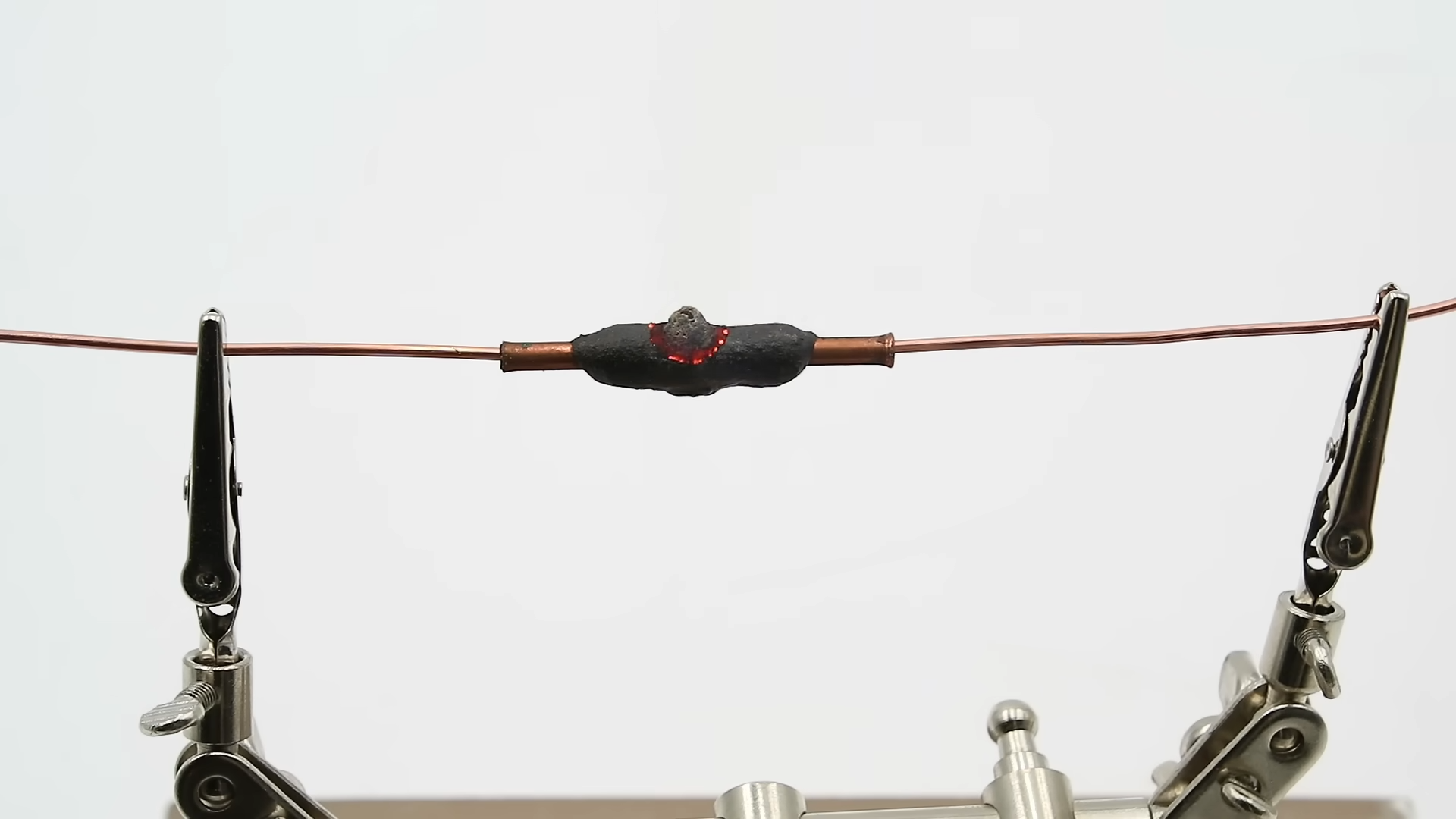
Some World War II gadgets look like they were designed by a serious engineer after three cups of tea and one very dramatic briefing. Self-soldering sleeves are exactly that kind of invention. They were small, portable, clever, and slightly theatricallike a soldering iron that joined the commandos, learned spycraft, and started carrying matches.
At first glance, a World War II self-soldering sleeve does not look especially exciting. It is not a secret radio hidden in a suitcase, a silent pistol, or a map concealed in a deck of cards. It is a little jointing device for wires. But the genius is in the problem it solved: how do you make a dependable electrical connection in the field when there is no bench, no outlet, no soldering iron, and absolutely no time for a tidy workshop moment?
The answer was a pyrotechnic self-soldering sleeve: a compact copper sleeve with solder built in, wrapped in a heat-producing material that could be ignited like a match. For Special Operations Executive agents, resistance fighters, demolition teams, and others working in harsh wartime conditions, this was not a novelty. It was a practical field tool designed for speed, portability, and reliability.
What Were World War II Self-Soldering Sleeves?
World War II self-soldering sleeves were small wire-joining devices developed for covert and military use. Their purpose was simple: join electrical conductors without needing a conventional soldering iron. In a normal workshop, soldering involves cleaning metal surfaces, applying heat, melting solder, and insulating the finished joint. In occupied territory, on a cold night, possibly while carrying equipment and avoiding detection, that process becomes a bit less charming.
The self-soldering sleeve put several steps into one compact package. The core was a copper tube or sleeve that held the conductors in place. Solder was positioned around the joint area. A pyrotechnic coating supplied the heat, and a match-style striking patch started the reaction. Once ignited, the sleeve became hot enough to melt the solder and bond the wires together.
In other words, it was field soldering without the soldering iron. It was not magic, although to anyone who has ever tried to solder a wire outdoors in the wind, it may feel suspiciously close.
The Wartime Problem: Good Connections in Bad Places
Electrical connections are easy to underestimate. A loose wire can turn a carefully planned system into a useless collection of copper and regret. During World War II, special operations work often depended on small tools that performed predictably under miserable conditions. Devices needed to be portable, fast, and usable by people who might not have the luxury of a workshop or a calm afternoon.
The Special Operations Executive, better known as the SOE, was created in 1940 to support sabotage and subversion behind enemy lines. Its agents worked with resistance networks, carried compact equipment, and often relied on devices that were simple enough to use under pressure. The American Office of Strategic Services, or OSS, operated in related intelligence and special operations roles. Both organizations were famous for unusual tools, clever fieldcraft, and a willingness to turn ordinary objects into extraordinary wartime equipment.
Self-soldering sleeves fit beautifully into that world. They were not glamorous, but they were useful. They reduced the number of tools needed for a wiring job, made the heat source self-contained, and allowed a connection to be made where a conventional iron would be impractical. In a war full of giant machines, this was tiny engineering with a very big attitude.
How the Sleeve Worked Without Becoming a DIY Recipe
The basic principle was controlled heat. A stripped wire end went into each side of the copper sleeve, and the built-in solder sat where the conductors needed to overlap. The outer pyrotechnic material heated the joint after ignition. As the solder softened and flowed, the wires were pressed into position and held steady until the joint cooled.
Preserved instructions for these sleeves emphasized several old-school truths that modern electronics technicians still respect: clean metal matters, steady pressure matters, and the joint needs protection afterward. The packaging reportedly instructed users to scrape the wire clean, avoid contaminating it after cleaning, maintain pressure while the solder cooled, and insulate the finished joint. That is not glamorous prose, but it is the language of reliability.
It is also important to say what this article is not: it is not a guide to making or using pyrotechnic soldering devices. Wartime self-soldering sleeves belonged to a specific historical and military context. Modern readers should admire the engineering, not attempt to recreate the chemistry in a garage next to a pile of questionable extension cords.
Why This Little Gadget Was So Clever
It Solved a Real Field Problem
The best inventions are not always the most complicated. Self-soldering sleeves solved a specific problem with almost brutal efficiency. A soldering iron requires power, a flame source, or a heated tool. It also requires enough stability and visibility to make a decent joint. The self-soldering sleeve carried its heat source with it.
That meant fewer tools, fewer delays, and less dependence on ideal conditions. For field work, every saved step mattered. A device that combines alignment, solder, and heat into one unit is the kind of engineering that makes technicians nod quietly and historians grin loudly.
It Was Portable and Compact
A box of sleeves could be carried far more easily than soldering equipment. This mattered in covert operations, where weight and bulk could become serious problems. A bulky tool is not just inconvenient; it can slow movement, reveal identity, or get left behind. A small sleeve, by contrast, is pocketable.
The sleeve’s small size also made it useful for repair and demolition-related wiring tasks where the joint only needed to be made once, made quickly, and made well enough to survive handling. In field engineering, “small and dependable” is not a minor compliment. It is the whole game.
It Reduced Skill Demands Under Stress
Good soldering is a skill. Good soldering while cold, tired, rushed, and operating with limited tools is a more exclusive club. Self-soldering sleeves helped standardize the process by packaging the solder and heat source together. The user still had to prepare the wires properly, but the device reduced the number of variables.
That is one reason the idea remains appealing today. Whenever a product makes a technical task more repeatable, it moves from “neat trick” to “serious tool.” The World War II sleeve was not a luxury accessory. It was process control in miniature.
The Connection to Modern Solder Sleeves
Modern solder sleeves are very different from the pyrotechnic sleeves of World War II, but the family resemblance is easy to see. Today’s solder sleeves are typically heat-shrinkable tubes with a pre-measured solder ring and sealing bands. Instead of lighting a pyrotechnic coating, technicians apply controlled heat with a heat gun or approved installation tool.
Modern aerospace and electronics suppliers describe solder sleeves as insulated, sealed, and repeatable termination devices. Many are transparent, allowing inspection after installation. Some include pre-installed ground leads for shielded cable terminations. In aircraft and avionics work, solder sleeves are often used to connect a cable shield to a drain wire without damaging the underlying insulation.
The concept is wonderfully similar: put the solder exactly where it needs to be, put the protection around the joint, and make the process repeatable. The World War II version brought its own heat. The modern version brings improved materials, inspection features, strain relief, sealing rings, and standards-driven reliability.
From Secret Operations to Aerospace Workbenches
Today, solder sleeves are common in demanding environments such as aerospace, defense, avionics, and high-reliability cable assemblies. NASA workmanship standards define solder sleeves as heat-shrinkable solder termination devices with meltable sealing preforms at the ends. That sounds less romantic than “commando match-solder gadget,” but it shows how the core idea matured into mainstream engineering practice.
In modern usage, the main advantages are repeatability, environmental sealing, insulation, strain relief, and inspectability. The sleeve shrinks around the joint, the solder melts around the conductor or shield, and sealing rings help protect against moisture and contamination. When properly installed, the result is clean, compact, and consistent.
Of course, modern technicians still debate where solder sleeves are best used. Some prefer crimp connectors for many wire splices, especially in high-vibration environments. Others love solder sleeves for shield terminations and carefully controlled applications. Like most shop debates, this one can become lively enough to require snacks and perhaps a referee.
What Made the WWII Version Different?
The biggest difference was the heat source. Modern solder sleeves depend on an external heat gun. The World War II sleeve carried a pyrotechnic heating system. That made it more independent, but also more hazardous and less suitable for ordinary modern use.
Another difference was the operating context. Modern solder sleeves are used in controlled maintenance, assembly, or repair environments. Wartime self-soldering sleeves were designed for field operations where speed and portability mattered more than comfort. The priorities were different: compactness, immediate usability, and enough reliability for the mission.
Finally, the WWII device reflects a design philosophy common in special operations equipment: make the tool simple enough to use under stress, small enough to carry, and specialized enough to solve a narrow but important problem. It was not trying to be universal. It was trying to be useful when usefulness was urgent.
Why Engineers Still Love This Kind of Wartime Design
Engineers, hobbyists, and history fans are drawn to self-soldering sleeves because they combine drama with practicality. The drama is obvious: a match-lit sleeve that solders itself sounds like something from a spy novel. The practicality is even better: it solves a real wiring problem using elegant packaging.
There is also a certain beauty in the honesty of the design. No batteries. No menu system. No firmware update that ruins your afternoon. Just metal, solder, heat, pressure, and timing. The sleeve does not ask you to create an account. It does not need Bluetooth. It has never once requested permission to send notifications.
That simplicity is refreshing. Modern technology often hides basic physical processes behind polished interfaces. The self-soldering sleeve is the opposite. It puts the physics right in front of you. Heat melts solder. Clean conductors bond. A protected joint survives handling. The device is basically a tiny lecture in materials science wearing a wartime disguise.
Lessons from the Self-Soldering Sleeve
Design for the Real Environment
A tool designed for a perfect workbench may fail in the real world. The self-soldering sleeve was designed for imperfect conditions. That is why it remains fascinating. It reminds us that great design starts by asking, “Where will this actually be used?” not “How can we make this look impressive in a catalog?”
Reduce the Number of Required Tools
Every extra tool is another thing to carry, lose, break, or forget. By combining the sleeve, solder, and heat source, the World War II design reduced dependency. Modern multi-function tools follow the same logic. When the job site is difficult, integration becomes a superpower.
Make Quality Repeatable
Repeatability is the quiet hero of engineering. A skilled person can make one excellent joint with ordinary tools. A well-designed device helps many people make acceptable joints more consistently. The self-soldering sleeve was not just a gadget; it was a way to package technique.
Experience Notes: What This Gadget Teaches Anyone Who Has Worked With Wires
Anyone who has spent time around wiring eventually learns that small connections cause large emotions. A wire splice seems innocent until it fails behind a panel, inside a wall, under a dashboard, or in the one place your hand can reach only if your wrist temporarily becomes a noodle. That is why the World War II self-soldering sleeve feels so satisfying. It addresses the exact pain point that still annoys modern builders: making a clean, dependable connection when the situation is less than ideal.
Think about a simple repair project. You strip the wire, twist the conductors, heat the joint, feed in solder, slide heat shrink into place, shrink it, and then realize the heat shrink is still sitting on the bench because you forgot to put it on the wire first. This is a rite of passage. Somewhere, every electronics hobbyist has stared at a perfect solder joint and whispered a word that cannot be printed in a family-friendly article. Solder sleeves help prevent that classic mistake by combining the solder and insulation in one part.
The WWII version took that convenience even further. It recognized that the user might not have a bench, outlet, torch, or steady lighting. That kind of thinking is still useful today. Whether you are repairing a trailer harness, building an aircraft panel, restoring vintage equipment, or cleaning up a radio installation, the lesson is the same: the environment should shape the method. A connection that is fine on a desk may not be fine in vibration, moisture, cold, or cramped spaces.
Another practical lesson is that preparation matters more than the gadget. The preserved sleeve instructions stressed clean conductors and careful handling. That is still true with modern solder sleeves, crimp terminals, and ordinary solder joints. Dirt, oxidation, oil from fingers, and rushed workmanship can ruin an otherwise good connection. The tool can help, but it cannot forgive everything. Even the cleverest sleeve cannot rescue a wire that was prepared with the emotional energy of someone assembling furniture at midnight.
There is also a lesson in restraint. The World War II self-soldering sleeve is fascinating, but it belongs in history books, museums, and serious collectionsnot in modern DIY pyrotechnic experiments. Today’s heat-shrink solder sleeves provide the useful part of the idea without the risky wartime chemistry. They are easy to buy, predictable when properly installed, and much better suited for normal electrical work.
Most of all, the sleeve teaches respect for humble engineering. Not every important invention looks heroic. Some look like a tiny tube in a box. Yet that little tube captured a complete design philosophy: make it small, make it fast, make it reliable, and make it usable when conditions are bad. That is a lesson worth carrying into any workshop, whether you are restoring old gear, wiring a homebuilt aircraft, or just trying to fix a broken lamp without turning the project into a three-day saga.
Conclusion: A Tiny Sleeve With a Big Story
World War II self-soldering sleeves are amazing because they sit at the intersection of history, chemistry, electronics, and field engineering. They were not flashy weapons or cinematic spy props. They were practical problem-solvers created for people who needed dependable wire connections in difficult conditions.
Their legacy continues in modern solder sleeves used across aerospace, avionics, and electronics work. Today’s versions are safer, more standardized, and better suited to controlled installation. But the underlying idea remains wonderfully familiar: put the solder where it belongs, protect the joint, and make the process as reliable as possible.
For a device small enough to disappear in a toolbox, the self-soldering sleeve has a surprisingly large story. It reminds us that wartime innovation was not only about tanks, aircraft, and codebreaking machines. Sometimes it was about a tiny copper sleeve that could help a wire connection survive when everything else about the situation was trying very hard to be inconvenient.
Note: This article is written for historical and educational purposes. It discusses wartime self-soldering sleeves as artifacts of engineering history and does not provide instructions for making pyrotechnic devices.