A ceramic dog bowl in blue dip dye sounds simple at first, like something you add to your cart while buying treats and pretending your dog does not already own more accessories than you do. But this little bowl is more than a pretty dish. It sits at the intersection of pet health, home style, daily convenience, and the quiet joy of watching your dog eat breakfast like the tiny household monarch they clearly are.
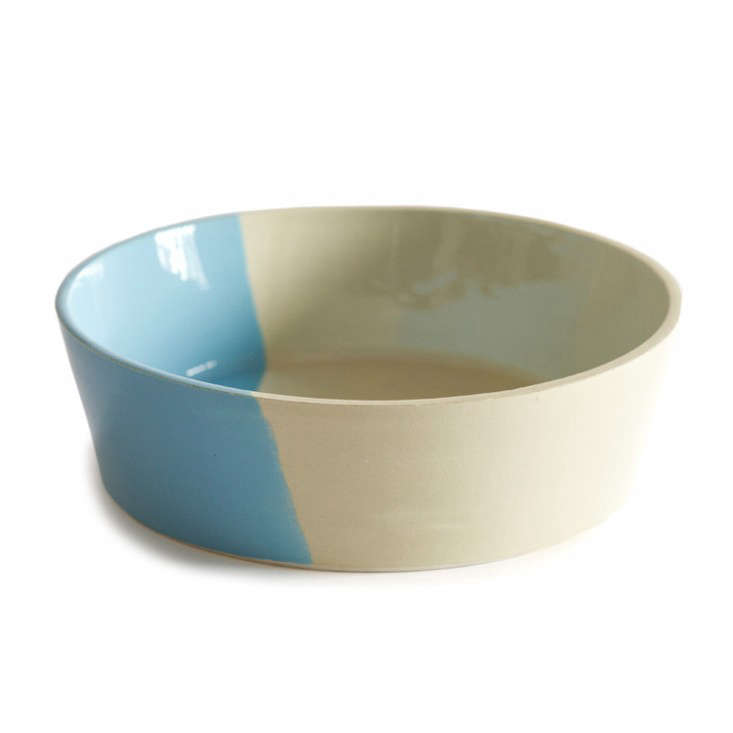
The “blue dip dye” look usually means a ceramic bowl with a hand-dipped, ombré, or partially glazed finish, often blending clean white stoneware with soft coastal blue, navy, sky blue, or watercolor-style shading. It feels relaxed but intentional, like your kitchen went to the beach, read a design magazine, and came back with better manners. For dog owners who want feeding gear that does not scream “plastic chaos corner,” a blue dip dye ceramic dog bowl offers a polished, durable, and charming alternative.
Still, choosing a dog bowl should not be based on looks alone. Your dog does not care if the glaze matches your backsplash. Your dog cares that dinner arrives on time, ideally yesterday. As the human in charge, you need to think about material safety, bowl size, cleaning routine, stability, chip resistance, and whether the bowl suits your dog’s eating style. This guide covers all of that, with a practical eye and just enough humor to make pet bowl shopping feel less like a home goods exam.
What Is a Blue Dip Dye Ceramic Dog Bowl?
A ceramic dog bowl is usually made from clay or stoneware that has been fired at high temperatures and finished with a glaze. The glaze creates a smooth, nonporous surface that helps resist stains and makes cleaning easier. A blue dip dye design adds a decorative finish, often by dipping part of the bowl into blue glaze or using a blended color effect that gives each piece a slightly handmade appearance.
That handmade quality is part of the appeal. With dip-dyed ceramic, no two bowls may look exactly alike. One bowl might have a deeper blue edge; another might fade into white like a tiny ocean wave. If your dog has ever rolled in grass with artistic confidence, you already know pets appreciate unique expression, even if their medium is usually mud.
Why Ceramic Is Popular for Dog Bowls
Ceramic dog bowls remain popular because they combine weight, style, and a smooth eating surface. Compared with thin plastic dishes, ceramic bowls often feel more substantial. That extra weight helps prevent sliding across the floor, which is excellent news if your dog treats dinner like a competitive sport.
Another advantage is appearance. Ceramic bowls can look like intentional home décor instead of emergency camping equipment. A blue ceramic dog bowl can blend beautifully with farmhouse kitchens, coastal interiors, modern apartments, Scandinavian-style spaces, and classic white cabinetry. It is the rare pet accessory that can sit out all day without making your kitchen look like a kennel supply aisle exploded.
Ceramic vs. Stainless Steel vs. Plastic
Stainless steel is widely praised for durability and easy cleaning. It is a practical superstar: tough, lightweight, and usually dishwasher-safe. Plastic bowls are inexpensive and hard to break, but scratches can trap grime over time, and some dogs chew them, which is not ideal unless your décor theme is “confetti of questionable origin.”
Ceramic sits in the middle. It is heavier and more stylish than many stainless steel bowls, smoother and more attractive than most plastic bowls, and excellent for everyday feeding when properly glazed and maintained. The trade-off is that ceramic can chip or crack if dropped. A cracked bowl should be replaced because damaged surfaces may collect residue and become harder to clean.
Design Appeal: Why Blue Dip Dye Works So Well
Blue is one of the easiest colors to style in a home. A blue dip dye ceramic dog bowl can feel coastal, modern, rustic, or minimalist depending on the shade and shape. Pale blue gives a calm, airy feeling. Deep navy looks more refined and dramatic. A speckled blue glaze adds handmade charm. A clean white-and-blue fade feels fresh without being loud.
The dip dye effect also hides minor water marks better than a flat white bowl. If your dog is a majestic drooler, this matters. The bowl may still need daily cleaning, but visually, the blue variation can be more forgiving between washes than a plain glossy surface.
Best Home Styles for a Blue Ceramic Dog Bowl
A blue dip dye bowl works especially well in kitchens with white tile, butcher block counters, light wood floors, navy accents, matte black hardware, or stainless appliances. It also pairs nicely with woven feeding mats, natural fiber rugs, and simple wooden bowl stands. In a modern home, it adds softness. In a farmhouse kitchen, it adds polish. In a beach-inspired space, it basically says, “Yes, the dog also has coastal taste.”
Safety Considerations Before Buying
When buying any ceramic bowl for a pet, the most important safety detail is whether the bowl is food-safe. Choose bowls specifically made for food or pet feeding, not decorative planters, craft dishes, or mystery ceramics from the back of a thrift-store shelf. Decorative ceramics may not be intended for regular food contact.
Look for phrases such as “food-safe glaze,” “lead-safe,” “non-toxic glaze,” “dishwasher-safe,” or “made for pet food and water.” If the seller provides clear care and safety details, that is a good sign. If the listing says only “cute bowl, vibes included,” keep scrolling.
Check for Chips, Cracks, and Rough Spots
A ceramic dog bowl should have a smooth interior. Run your fingers gently along the eating surface before use. If you feel sharp edges, exposed clay, cracking, or rough patches, do not use it for food or water. A chip may look small, but small problems are how dogs, toddlers, and home repairs all begin.
Inspect the bowl regularly, especially if you wash it in the sink, place it on tile, or have a dog who celebrates mealtime with full-body enthusiasm. If the bowl cracks, replace it. No bowl is worth risking a cut paw, irritated mouth, or hard-to-clean surface.
Choosing the Right Size
A beautiful bowl is not helpful if it is too small, too deep, or too easy to tip. Size should match your dog’s breed, muzzle shape, meal portion, and drinking habits. A Chihuahua does not need a bowl large enough for a soup restaurant. A Labrador should not be asked to eat dinner from a dish the size of a teacup saucer. Balance is the goal.
Small Dogs
For small breeds such as Yorkies, Maltese, Chihuahuas, toy poodles, and small terriers, choose a shallow ceramic bowl with a lower rim. This makes food easier to reach and prevents whisker or muzzle discomfort. A smaller blue dip dye bowl can look adorable, but it should still be stable enough not to scoot around the floor.
Medium Dogs
For beagles, French bulldogs, cocker spaniels, corgis, and similar dogs, a medium ceramic dog bowl is usually ideal. Look for enough capacity to hold one full meal without food spilling over the edge. Flat-faced breeds may prefer wider, shallower bowls because deep bowls can make eating awkward.
Large Dogs
For golden retrievers, German shepherds, boxers, labs, and other large dogs, choose a heavier bowl with a wider base. Large dogs may push lightweight dishes around, especially when they are very excited about kibble, which is always. A large ceramic bowl can be a smart choice because the weight helps keep it in place.
Food Bowl or Water Bowl?
A blue dip dye ceramic dog bowl can work for food or water, but the best use depends on the bowl shape and finish. For food, a stable ceramic dish is excellent because it resists sliding and is easy to wipe clean. For water, ceramic can also work well, especially because the weight helps reduce spills.
If you use ceramic for water, wash it daily. Water bowls can develop a slippery film from saliva and minerals. Your dog may not complain, because dogs also drink from puddles with suspicious confidence, but your cleaning standards should be higher than the sidewalk.
How to Clean a Ceramic Dog Bowl Properly
Cleaning is where many pet parents accidentally get too casual. A quick rinse is not the same as washing. Pet bowls come into contact with saliva, food residue, oils, and bacteria. For wet food, wash the bowl after each meal. For dry food and water, daily cleaning is a smart routine.
Use hot water and mild dish soap, then rinse thoroughly. If the bowl is labeled dishwasher-safe, you can place it in the dishwasher according to the manufacturer’s instructions. Let the bowl dry completely before refilling it, because moisture left behind can encourage more buildup.
Cleaning Checklist
- Wash wet food bowls after every meal.
- Wash dry food bowls at least once daily.
- Clean water bowls daily and refill with fresh water.
- Use a separate sponge or brush for pet dishes if possible.
- Inspect for chips or cracks during cleaning.
- Dry thoroughly before reuse.
Is a Ceramic Dog Bowl Dishwasher-Safe?
Many glazed ceramic dog bowls are dishwasher-safe, but not all of them. Handmade bowls, bowls with metallic details, or bowls with special finishes may require hand washing. Always check the product care instructions. If the maker says hand wash only, believe them. This is not the moment to test your dishwasher’s personality.
Dishwasher-safe ceramic bowls are convenient for busy households, especially when you keep two bowls in rotation. One can be in use while the other is being washed. This is the kind of tiny system that makes you feel like an organized adult, even if your dog’s toy basket is currently losing a war with gravity.
When a Blue Dip Dye Ceramic Bowl Is a Great Choice
A ceramic dog bowl in blue dip dye is a great choice if you want a stable, attractive, everyday bowl for a dog who does not chew dishes or knock items off counters. It works well for calm eaters, style-conscious homes, and pet parents who prefer heavier bowls over lightweight plastic.
It is especially useful in open kitchens, apartments, and living spaces where the dog feeding station is visible. Instead of hiding the bowl when guests come over, you can leave it out proudly. Guests may even compliment it. Your dog will assume the compliment is for them, and honestly, they will not be wrong.
When Ceramic May Not Be the Best Option
Ceramic is not perfect for every dog. If your dog is a heavy chewer, a bowl flipper, or a puppy who believes every object deserves dental testing, stainless steel may be safer. If you travel often, a collapsible silicone bowl is more practical. If your dog eats extremely fast, a slow feeder may be a better choice than a standard ceramic dish.
Also consider your flooring. Ceramic can break if dropped on tile or concrete. If your feeding area has hard floors, use a non-slip mat underneath. This protects the bowl, protects the floor, and reduces the dramatic clanking soundtrack of dinner time.
How to Style a Dog Feeding Station
A blue dip dye ceramic bowl looks best when it is part of a clean, intentional feeding station. Place it on a washable mat that catches drips and crumbs. If you use separate bowls for food and water, choose matching or complementary designs. Two identical blue dip dye bowls create a tidy look; one blue bowl and one white bowl can feel casual and curated.
For a raised feeding station, use a sturdy wooden or metal stand that holds the bowl securely. Make sure the height suits your dog. Elevated bowls may be comfortable for some dogs, but they are not automatically necessary for every pet. When in doubt, ask your veterinarian, especially for large or deep-chested breeds with special digestive concerns.
Color Pairing Ideas
Blue dip dye pairs beautifully with cream, white, gray, tan, natural wood, navy, and soft green. For a coastal look, add a jute-style mat or light wood stand. For a modern look, pair the bowl with a charcoal mat and black metal frame. For a playful look, choose a blue bowl with a personalized name tag nearby. Yes, your dog can have a dining area with a design concept. No, they will not appreciate it until treats are involved.
Buying Tips for a Ceramic Dog Bowl – Blue Dip Dye
Before buying, read the product details carefully. Check dimensions, capacity, weight, material, glaze safety, and cleaning instructions. Product photos can be helpful, but measurements matter more. A bowl may look medium-sized online and arrive ready to serve a Great Dane or a hamster banquet.
Look for a bowl with a wide base, smooth interior, and stable shape. If shopping handmade, expect slight variations in color and glaze. That is part of the charm, not a defect. However, handmade should still mean functional, food-safe, and durable enough for daily pet use.
Quick Buyer’s Checklist
- Food-safe ceramic or stoneware
- Non-toxic, pet-safe glaze
- Correct capacity for your dog’s meal size
- Wide, stable base
- Smooth interior surface
- Clear cleaning instructions
- No chips, cracks, or sharp edges on arrival
Experience Notes: Living With a Blue Dip Dye Ceramic Dog Bowl
After using ceramic pet bowls in everyday home settings, the first thing most people notice is the weight. That sounds boring until you have lived with a dog who can push a lightweight bowl from the kitchen to the hallway like a furry hockey player. A heavier ceramic bowl stays put better, especially when paired with a silicone or washable fabric mat. The feeding area feels calmer, cleaner, and less like a snack-based obstacle course.
The second thing is how much better ceramic looks in real life. A blue dip dye finish has a soft, handmade charm that product photos do not always capture. In morning light, the blue can look airy and fresh. At night, it feels cozy and slightly artisanal, like your dog is eating from a tiny bistro dish. Does the dog understand this? Absolutely not. Does it make the kitchen feel nicer? Absolutely yes.
One practical experience is that ceramic bowls are easy to clean when the glaze is smooth and intact. Wet food rinses away more easily than expected if the bowl is washed soon after feeding. Dry kibble leaves less residue, but oils can still build up, so daily washing matters. A neglected bowl develops that faint “dog cafeteria” smell, and nobody wants that as part of the home fragrance profile.
A blue dip dye ceramic dog bowl also encourages better habits because it looks like a real dish. When a pet bowl feels cheap or temporary, it is easier to forget cleaning. When it looks like part of your kitchenware, you naturally treat it with more care. That means more regular washing, better inspection for chips, and a more organized feeding routine.
There are a few lessons learned the slightly annoying way. First, ceramic and tile floors are not best friends. If you are clumsy before coffee, wash the bowl over the sink carefully and avoid stacking it near the edge of the counter. Second, choose the right size from the beginning. A bowl that is too deep can frustrate small dogs, while a bowl that is too shallow may let enthusiastic eaters scatter food like edible confetti. Third, if your dog has long ears, consider a narrower bowl for food or use an ear-friendly setup to avoid turning dinner into a grooming event.
For water, ceramic feels pleasantly solid, but daily cleaning is non-negotiable. Water bowls collect saliva film faster than many people expect. A quick swirl is not enough. Soap, hot water, a good rinse, and full drying keep the bowl fresher. Keeping two bowls helps: one in use, one in the wash. This tiny rotation system can save time and reduce the temptation to say, “I’ll clean it later,” which is the official anthem of household chaos.
The blue color is also surprisingly forgiving. White bowls can show every splash and speck. Dark bowls can hide residue too well. Blue dip dye sits nicely in the middle: decorative enough to hide minor water marks, light enough to see when cleaning is needed. That visual balance is useful in busy homes.
The biggest emotional benefit is simple: it makes a daily routine feel a little more thoughtful. Feeding your dog happens every day, often more than once. A nice bowl turns that ordinary task into a small ritual. You scoop the food, place the bowl down, hear the happy tap-tap of paws, and for a minute the world is just breakfast, companionship, and one very focused nose. A ceramic dog bowl will not change your life, but it can make one corner of it more pleasant. Sometimes that is enough.
Final Thoughts
A ceramic dog bowl in blue dip dye is a smart choice for pet parents who want function with style. It offers stability, easy cleaning, and a polished look that fits beautifully into modern homes. The best versions are food-safe, smooth, properly glazed, sized for your dog, and easy to wash. Like all ceramic products, they need a little care: avoid cracks, inspect for chips, and clean them regularly.
If your dog is gentle with bowls and you want a feeding setup that looks intentional rather than accidental, a blue dip dye ceramic dog bowl is a lovely upgrade. It is practical enough for daily meals, stylish enough for open kitchens, and charming enough to make you smile while your dog inhales dinner with the elegance of a tiny vacuum cleaner in a fur coat.