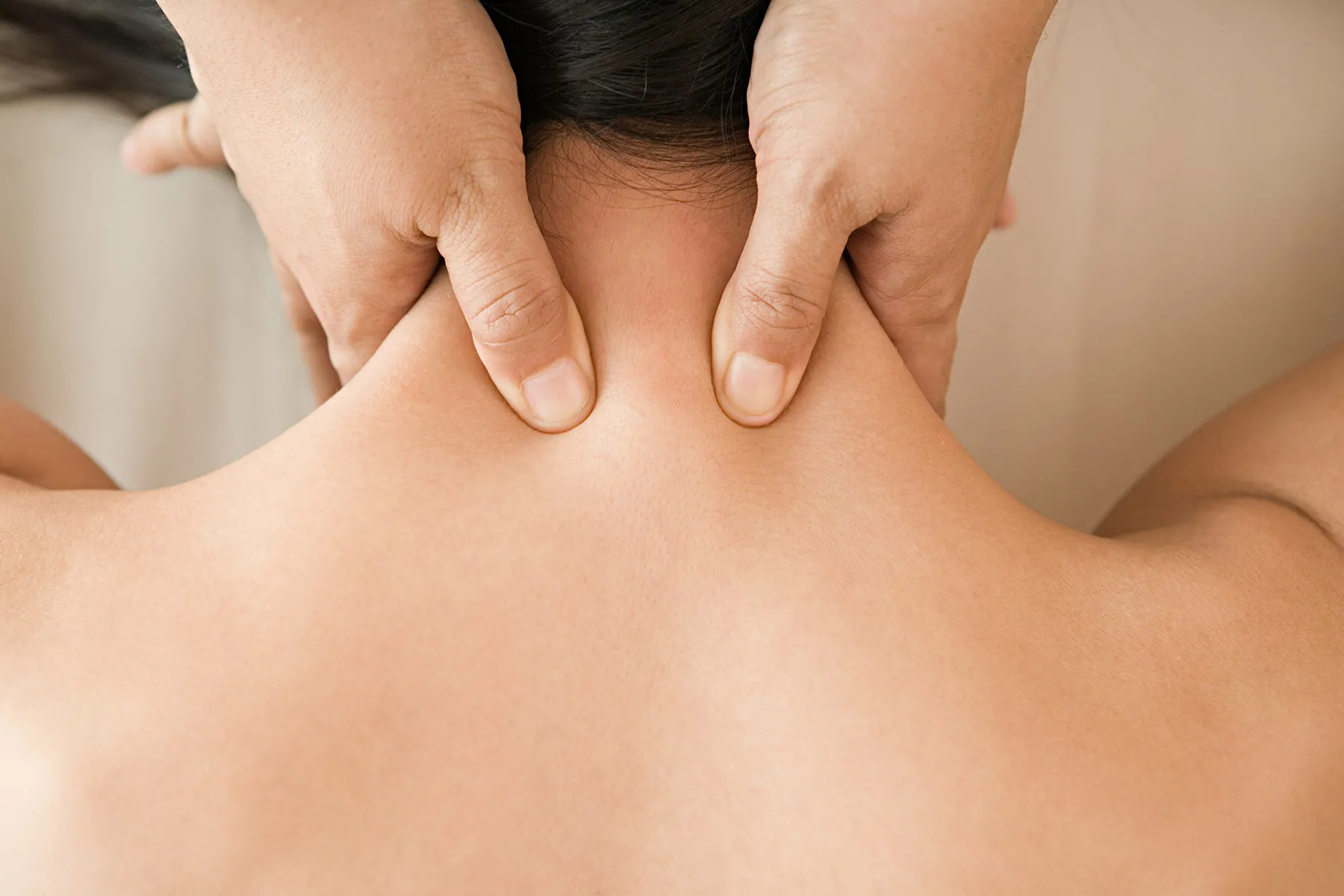
CBD massage sounds like the spa industry assembled a greatest-hits album: soothing touch, warm oil, quiet music, and a trendy hemp-derived ingredient promising to calm every cranky muscle from your neck to your toes. It is easy to understand the appeal. When your back feels like it has been negotiating with an office chair for eight hours, almost anything labeled “deep relief” deserves a hearing.
But does CBD massage genuinely relieve pain, or is the massage doing most of the heavy lifting while CBD receives the glamorous billing? Current research offers a cautious answer. Massage may provide short-term relief for certain types of musculoskeletal pain. Topical cannabidiol, or CBD, also has plausible pain-relieving properties and a few encouraging human studies. However, evidence specifically testing a full CBD massage treatment remains limited, and several controlled trials of topical CBD have found little or no benefit.
The practical verdict: CBD massage may help some people feel more comfortable and relaxed, particularly when pain involves tight muscles or localized soreness. It should be viewed as a complementary comfort measurenot a proven cure, a replacement for medical care, or a magical oil capable of negotiating directly with an irritated sciatic nerve.
Medical note: This article is for general education and is not a substitute for diagnosis or treatment from a qualified health professional.
What Is a CBD Massage?
A CBD massage is a massage performed with a lotion, cream, balm, or oil containing cannabidiol. CBD is one of many compounds found in Cannabis sativa. Unlike tetrahydrocannabinol, better known as THC, CBD is not considered intoxicating and does not normally produce the classic marijuana “high.”
During a typical session, a massage therapist applies the CBD topical to targeted areas or uses it as the main massage lubricant. Depending on the treatment, the therapist may use Swedish massage, deep-tissue techniques, trigger-point pressure, sports massage, or gentle relaxation strokes.
The treatment therefore combines two different interventions:
- The physical and sensory effects of massage
- The possible local effects of ingredients in the CBD topical
That combination creates a research problem. When someone feels better afterward, it can be difficult to determine whether the improvement came from CBD, massage, warmth, rest, reduced stress, menthol, camphor, essential oils, expectation, or the simple luxury of not answering email for an hour.
How Could CBD Massage Reduce Pain?
The Possible Benefits of Massage
Massage manipulates muscles and other soft tissues through pressure, stretching, gliding, and kneading. This sensory input may temporarily change how pain signals are processed, reduce protective muscle guarding, improve relaxation, and make stiff areas feel easier to move.
Research summarized by the National Center for Complementary and Integrative Health suggests that massage may offer short-term benefits for some people with low-back pain, neck or shoulder pain, and knee osteoarthritis. The evidence is not consistently strong, and long-term benefits are less certain. Still, temporary relief can matter. A few hours of easier movement may help someone sleep, walk, exercise, or complete physical therapy more comfortably.
The Possible Benefits of Topical CBD
CBD interacts with several biological signaling pathways involved in inflammation, pain perception, and nervous-system activity. Researchers have studied its effects on cannabinoid-related pathways, serotonin signaling, adenosine receptors, and transient receptor potential channels such as TRPV1.
These mechanisms make CBD scientifically interesting, but a plausible mechanism is not the same as proven clinical effectiveness. Plenty of substances behave impressively in laboratory experiments and then become much less exciting when asked to perform in a large human trial.
Topical CBD is intended to act mainly in or near the area where it is applied. A true transdermal product is formulated to move through the skin and potentially reach systemic circulation. The terms “topical” and “transdermal” are often used loosely in marketing, even though they are not interchangeable.
CBD is also difficult to deliver through the skin. Its absorption depends on the dose, formulation, carrier oils, penetration enhancers, application area, skin condition, and length of contact. Consequently, two jars labeled “CBD balm” may behave very differently.
What Does the Research Say?
Massage Has Better Evidence Than CBD Massage
Massage has been studied more extensively than CBD massage. Reviews have found possible short-term improvements for several musculoskeletal pain conditions, although study quality is frequently low and results vary.
For acute or subacute low-back pain, massage may be a reasonable non-drug option for some patients. For chronic low-back pain, benefits appear modest and may fade over time. Massage may also temporarily ease neck and shoulder discomfort, especially when sessions are sufficiently long and repeated rather than performed once as a heroic annual event.
Some Small Topical CBD Studies Are Encouraging
In a small randomized crossover trial involving people with thumb basal-joint arthritis, topical CBD was associated with improvements in pain and disability compared with a control preparation. The treatment was used twice daily for two weeks. No adverse events were reported during the trial.
Another small study of people with peripheral neuropathy found that topical CBD oil was associated with reductions in intense, sharp, cold, and itchy sensations compared with placebo. These findings suggest that localized neuropathic symptoms may be worth studying further.
Researchers have also examined transdermal CBD for hand osteoarthritis and topical CBD for chronic lower-extremity discomfort. Some participants reported improved pain or function, but several investigations were open-label or involved small samples. Without a strong placebo comparison, expectation and natural symptom fluctuation can influence results.
Other Trials Have Found No Meaningful Benefit
Positive studies are only half the story. In a randomized trial of 80 patients recovering from total knee replacement, topical CBD did not reduce pain, improve sleep, or decrease opioid use compared with control treatments.
A placebo-controlled pilot study examining CBD cream after resistance exercise found no significant benefit for muscle soreness or performance. A separate 2026 randomized crossover study had participants massage CBD gel onto exercised leg muscles. The CBD gel did not meaningfully reduce delayed-onset muscle soreness or accelerate overall recovery compared with placebo.
These conflicting findings matter. They suggest that topical CBD may not work equally well for every pain mechanism. Arthritis-related joint discomfort, neuropathic sensations, surgical pain, and post-workout soreness are biologically different problems. A product that helps one condition may do absolutely nothing for another.
Which Types of Pain Might Respond Best?
Muscle Tightness and Stress-Related Aches
CBD massage may be most appealing for discomfort associated with muscle tension, stress, prolonged sitting, or mild overuse. In these situations, the massage itself can be useful, and the topical may add a warming, cooling, moisturizing, or soothing sensation.
Someone with tight shoulders after computer work, for example, may experience temporary relief from pressure, movement, warmth, and relaxation. Whether CBD adds a measurable benefit beyond an ordinary massage oil remains uncertain.
Arthritis Pain
Small studies suggest that topical CBD may help certain localized arthritis symptoms, but the overall evidence remains mixed. It is unclear how much CBD reaches deeper joints, especially larger joints surrounded by substantial tissue.
A person with thumb arthritis may have a different response from someone with advanced hip osteoarthritis. The thumb joint sits close to the skin; the hip joint has considerably more real estate between the lotion and the destination.
Nerve Pain
Early research involving topical CBD and peripheral neuropathy is promising but preliminary. Nerve pain may feel burning, electric, stabbing, cold, numb, or hypersensitive. Because these symptoms can result from diabetes, medication toxicity, vitamin deficiencies, infections, nerve compression, and other medical problems, professional evaluation is important.
Post-Exercise Soreness
Current controlled research does not provide convincing evidence that topical CBD speeds muscle recovery or reliably reduces delayed-onset muscle soreness. A massage may still feel pleasant after exercise, but athletes should not assume that CBD is repairing muscle tissue behind the scenes while everyone sleeps.
Severe, Unexplained, or Persistent Pain
CBD massage is not an appropriate stand-alone response to severe pain, progressive weakness, major swelling, fever, unexplained weight loss, chest pain, loss of bladder or bowel control, or pain following a serious injury. These symptoms require medical attention rather than an upgraded spa package.
Why CBD Massage Results Vary So Much
One person may describe CBD massage as remarkably soothing, while another notices no difference from regular lotion. Several factors can explain this variation:
- The underlying condition: Muscle tension, nerve pain, inflammation, and structural joint damage do not respond identically.
- The massage technique: Gentle relaxation massage produces a different experience from focused trigger-point or deep-tissue work.
- CBD concentration: Products may contain dramatically different amounts of CBD per ounce or per application.
- Formulation: Carrier oils and penetration-enhancing ingredients affect how a topical spreads and absorbs.
- Other active ingredients: Menthol, camphor, capsaicin, arnica, eucalyptus, and essential oils may produce noticeable sensations independent of CBD.
- Expectation and context: Quiet surroundings, rest, reassuring touch, and positive expectations can change the perception of pain.
- Product accuracy: The amount in the container may not match the amount printed on the label.
The placebo effect does not mean discomfort is imaginary. Expectations, attention, and therapeutic context can alter real pain-processing pathways. The important question is whether CBD adds consistent value beyond those effects. At present, researchers cannot answer that confidently.
CBD Product Quality Is a Serious Concern
Over-the-counter CBD topicals are not evaluated like FDA-approved pain medications. The FDA has approved one prescription CBD medicine for specific seizure disorders, but it has not approved ordinary CBD massage oils, creams, or balms as treatments for pain.
Testing studies have repeatedly identified inaccurate CBD labels. In one analysis of 105 topical cannabinoid products, only about one-quarter of products that listed total CBD were accurately labeled. Some contained less CBD than promised, while many contained more. THC was detected in more than one-third of the products, including products marketed as THC-free.
Other large testing projects have found inconsistent potency and occasional contamination. In April 2026, the FDA warned consumers about a product marketed for joint pain after testing identified an undeclared drug ingredient. That is a useful reminder that a botanical-looking label and a picture of a leaf are not quality-control systems.
How to Choose a CBD Massage Product
People who decide to try a CBD topical should examine the product more carefully than they would examine a regular bottle of massage oil.
Look for Independent Laboratory Testing
Choose a company that provides a recent certificate of analysis from an independent laboratory. The report should match the product’s batch or lot number and show:
- The measured amount of CBD
- The amount of THC and other cannabinoids
- Testing for pesticides
- Heavy-metal screening
- Microbial and mold testing
- Residual-solvent testing when relevant
A generic laboratory report covering “all our products” is less useful than a batch-specific document. A report from three years ago is also more of a historical artifact than a current safety measure.
Check the Total CBD and Serving Information
A label stating “1,000 mg CBD” usually describes the amount in the entire container, not the amount used during one massage. Compare products by calculating the amount per gram, ounce, pump, or measured application.
A large jar with an impressive number on the front may deliver a relatively small dose when spread across the back, shoulders, and legs.
Review Every Ingredient
Fragrances, essential oils, menthol, preservatives, and botanical extracts can irritate sensitive skin. Some products also contain substances that create cooling, heating, or numbing effects. These ingredients may contribute more to the immediate sensation than CBD does.
Consider THC and Drug-Testing Risk
Full-spectrum products may legally contain small amounts of THC, and mislabeled products may contain unexpected cannabinoids. Although a standard topical is not designed to cause intoxication, people subject to workplace or athletic drug testing should be especially cautious. “THC-free” should be verified by credible batch testing rather than accepted as a motivational phrase.
Possible Side Effects and Precautions
CBD massage is often well tolerated, but “natural” does not mean universally harmless. Possible problems include:
- Redness, itching, burning, or rash
- Reactions to fragrances or essential oils
- Unexpected exposure to THC
- Contaminants or undeclared ingredients
- Bruising or soreness from overly aggressive massage
- Delayed diagnosis when massage is used to cover up persistent symptoms
Perform a patch test before applying a new product over a large area. Do not apply it to open wounds, infected skin, severe rashes, or freshly injured tissue unless a clinician specifically advises otherwise.
People who are pregnant or breastfeeding should avoid CBD unless their health professional provides individualized medical guidance; the FDA advises against CBD use during pregnancy and breastfeeding. People with liver disease, complicated medical conditions, or multiple medications should also consult a clinician. Most known CBD drug-interaction data involve oral or prescription CBD, but the systemic absorption of commercial skin products is not always predictable.
Massage may require modification or postponement for people with blood clots, bleeding disorders, recent surgery, fractures, severe osteoporosis, active infections, unexplained swelling, or certain cancers. A licensed massage therapist should ask about relevant health conditions before beginning.
What to Expect During a CBD Massage
Before the session, the therapist should explain the product being used, its ingredients, the planned massage style, and any additional charge. Clients should disclose allergies, medication use, pregnancy, recent injuries, skin conditions, and areas that should not be massaged.
The CBD product may be applied throughout the session or only to specific areas. Depending on the formula, the skin may feel cool, warm, tingly, moisturized, or completely ordinary. CBD itself does not necessarily create an immediate noticeable sensation.
Afterward, some people feel looser, calmer, sleepier, or less aware of their discomfort. Others feel the same as they would after a conventional massage. Benefits, when they occur, may last a few hours or several days, but there is no reliable duration that applies to everyone.
Drink normally according to thirst; there is no need to perform an emergency hydration ritual because someone “released toxins.” Gentle movement and attention to how the area feels are more useful than dramatic detox language.
How to Evaluate Whether It Works for You
A simple personal trial can help separate enthusiasm from results. Use the same massage therapist, session length, pressure level, and target area across several visits. Alternate between a CBD product and a comparable non-CBD massage lotion when practical.
Before each session, record:
- Pain intensity on a 0-to-10 scale
- The type of pain, such as aching, burning, stiffness, or tenderness
- How the pain affects sleep, walking, exercise, or work
- Any pain medication used that day
Record the same information immediately afterward, later that evening, and the following day. The important outcome is not whether the massage felt luxurious. The important outcome is whether CBD produced a meaningful, repeatable improvement beyond an ordinary massage.
Real-World CBD Massage Experiences: What People Commonly Notice
Experiences with CBD massage tend to fall into several recognizable patterns. These examples are composites based on commonly reported situations and are not guarantees of treatment results.
Experience One: The Desk-Worker Shoulder Rescue
A person arrives with tight shoulders, a stiff neck, and the posture of someone who has spent the week slowly merging with a laptop. During the session, the therapist uses moderate pressure and applies a CBD balm containing menthol. The cooling sensation begins quickly, the massage reduces muscle guarding, and the client leaves feeling noticeably more mobile.
Was CBD responsible? Possibly, but it is impossible to know. The pressure, quiet environment, menthol, temporary break from work, and expectation of relief may all contribute. The most honest conclusion is that the complete treatment helped, not that CBD single-handedly defeated office ergonomics.
Experience Two: The Sore Weekend Athlete
Another client books a CBD sports massage after an ambitious workout. The legs feel heavy and tender, and walking downstairs has become a carefully negotiated diplomatic mission. The therapist performs gentle flushing strokes and applies CBD oil.
The client feels relaxed after the session, yet the soreness returns the next morning. This outcome matches controlled research showing that topical CBD does not consistently reduce delayed-onset muscle soreness or accelerate muscle recovery. The session may still provide temporary comfort, but comfort and faster tissue repair are not the same result.
Experience Three: Localized Hand Arthritis
A client with thumb arthritis receives a focused hand massage using a measured CBD cream. The treatment is gentle, and the client continues using the topical at home according to the product directions. Over several days, gripping a mug and opening containers feel slightly easier.
This experience is biologically plausible and resembles findings from a small trial of topical CBD for thumb arthritis. However, arthritis symptoms naturally fluctuate. A useful experiment would compare the CBD cream with the same massage using a similar cream without CBD.
Experience Four: No Difference at All
Some clients pay an extra fee for CBD massage and notice precisely nothing unusual. The massage feels pleasant, but no better than previous sessions using standard oil. This response is entirely credible. Pain conditions differ, commercial formulations vary, and not every person responds to the same treatment.
A lack of benefit does not mean the client “used CBD incorrectly” or failed to believe with sufficient enthusiasm. It may simply mean that the product did not deliver an effective dose, the discomfort was unlikely to respond, or CBD added no value.
Experience Five: Skin Irritation Spoils the Spa Day
A client with sensitive skin develops redness and itching several hours after a CBD massage. The reaction may come from fragrance, peppermint oil, preservatives, carrier oils, or another botanical ingredient rather than CBD itself.
This is why therapists should disclose the full ingredient list and why clients should request a patch test when trying a new formula. A relaxation treatment loses some of its charm when the evening ends with an itchy back and an urgent search for fragrance-free soap.
What These Experiences Teach Us
The most realistic expectation is modest, temporary relief rather than dramatic healing. CBD massage may feel excellent, may help certain localized symptoms, or may perform no better than ordinary massage. The experience depends on the person, the pain condition, the therapist, the formula, the dose, and the other active ingredients.
Consumers should judge the treatment by function as well as sensation. Did it improve sleep? Did movement become easier? Did the benefit last? Was the improvement greater than with a regular massage? Those questions provide more useful information than whether the jar looked expensive and contained an artistically drawn hemp leaf.
Final Verdict: Is CBD Massage Effective for Pain Relief?
CBD massage can be a reasonable complementary option for adults seeking relaxation and temporary relief from mild, localized aches. Massage itself has some evidence for short-term musculoskeletal pain relief. Topical CBD has produced encouraging results in a few small studies involving arthritis and neuropathic symptoms, but other controlled trials have found no benefit for surgical pain, opioid use, post-exercise soreness, or muscle recovery.
The evidence therefore does not support describing CBD massage as a reliably effective pain treatment. It may help, but researchers have not established the best dose, formulation, frequency, target condition, or degree of benefit. Product quality and labeling accuracy create additional uncertainty.
People who try it should choose a batch-tested product, review all ingredients, use a qualified massage therapist, and track whether CBD adds meaningful improvement beyond a conventional massage. Persistent, worsening, severe, or unexplained pain should be evaluated by a medical professional.
CBD massage may be a useful supporting actor in a broader pain-management plan. It has not yet earned top billingand it definitely should not fire the doctor, physical therapist, exercise program, or proven treatment already on the cast list.
Evidence synthesized from current FDA and NCCIH guidance, clinical trials, systematic reviews, and U.S. product-testing research. Key trial and product-quality findings: