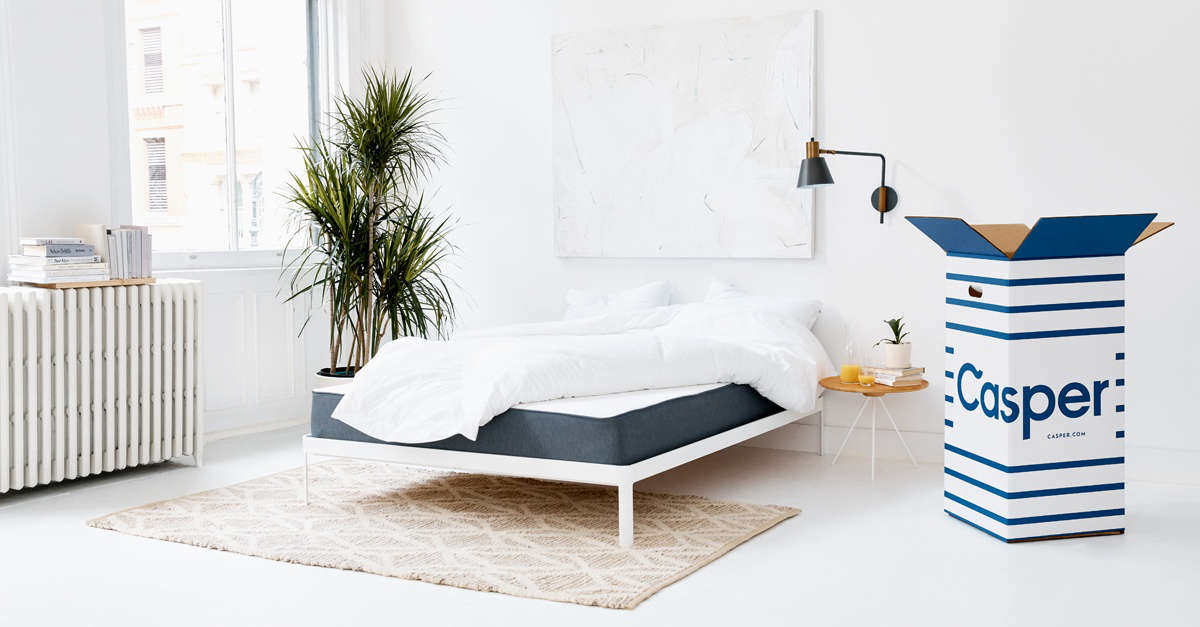
Once upon a time, buying a mattress meant wandering through a fluorescent showroom, pretending to understand the difference between “plush luxury euro pillowtop supreme” and “ultra-cloud orthopedic dream fortress.” Then Casper arrived and helped make the mattress-in-a-box idea feel normal: order online, open the box, watch the bed expand like a sleepy marshmallow, and hope your back sends a thank-you note by morning.
Today, Casper is no longer just “that one famous foam mattress.” It has become a multi-mattress world with foam beds, hybrid mattresses, cooling models, kid-friendly options, premium support designs, bedding, pillows, bed frames, and sleep accessories. In other words, Casper went from simple to strategic. The brand now gives shoppers several routes to the same destination: better sleep without turning mattress shopping into a graduate-level research project.
This guide explores Casper’s current mattress universe, how its models differ, who each type may suit, what to know before buying, and why the company’s evolution says a lot about the modern sleep industry. Grab your pillow. We are going in.
What Is Casper’s Multi-Mattress World?
Casper’s multi-mattress world is the brand’s shift from a one-size-fits-many mattress company into a broader sleep system built around different comfort levels, construction types, cooling needs, budgets, and sleep positions. The company’s lineup now includes all-foam mattresses, hybrid mattresses with coils, cooling-focused beds, and upgraded Max models designed for more advanced support.
The idea is simple: not every sleeper wants the same feel. A side sleeper who loves a plush, pressure-relieving surface may not enjoy the same mattress as a stomach sleeper who needs firmer hip support. A hot sleeper may care more about cooling materials than someone who sleeps under three blankets in July like a determined burrito. Casper’s expanded collection tries to answer those differences without overwhelming shoppers with 47 nearly identical choices.
A Quick Look at Casper’s Mattress Categories
Casper groups its mattresses into a few major categories: foam mattresses, hybrid mattresses, and Max mattresses. Each category has a different personality, like members of the same family who all show up to dinner with wildly different energy.
Foam Mattresses: Simple, Comfortable, and Familiar
Casper’s foam mattresses are designed for shoppers who want a clean, straightforward bed-in-a-box experience. Foam models generally focus on contouring, pressure relief, and motion isolation. That makes them appealing for people who share a bed and do not want to feel every midnight blanket tug, dog jump, or dramatic pillow flip.
The One is Casper’s entry-level foam mattress and is positioned as an accessible choice for people who want Casper comfort without jumping into the premium price tier. Cloud One offers a softer, more pressure-relieving foam feel. Snug is aimed at younger sleepers, giving kids a dedicated mattress option instead of making parents guess whether an adult mattress is too much bed for a growing child.
Foam mattresses are often a strong choice for back sleepers, lighter side sleepers, apartment dwellers, and anyone who wants easy delivery and setup. They may not be the best fit for people who need extra edge support or prefer the bounce of coils, but for many shoppers, foam remains the cozy classic.
Hybrid Mattresses: Foam Meets Springs
Casper’s hybrid mattresses combine foam comfort layers with innerspring coils. This structure gives sleepers a blend of cushioning and support. The foam helps relieve pressure, while coils add responsiveness, airflow, and a sturdier feel.
The Dream is Casper’s balanced hybrid option. It is designed for support, comfort, and reduced sleep interruptions. The Snow is the cooling-focused hybrid, made for people who wake up feeling like their mattress secretly joined a sauna club. Snow models emphasize cooler sleep through Casper’s cooling technologies and a more conforming feel.
Hybrid mattresses are especially useful for couples, combination sleepers, and people who want more lift than an all-foam bed can provide. They often feel easier to move around on, which matters if you rotate from side to back to stomach like a rotisserie chicken with responsibilities.
Max Mattresses: Premium Support and Cooling
Casper’s Max models sit at the higher end of the lineup. Dream Max focuses on ergonomic support, pressure relief, and a medium-soft responsive feel. Snow Max adds advanced cooling features to that more supportive Max structure, making it a premium option for hot sleepers who also want deeper comfort.
The Max category is where Casper leans into enhanced support zones and more specialized materials. These mattresses are designed for shoppers who are not just replacing an old bed but trying to solve specific sleep complaints, such as waking up sore, overheating, or feeling unsupported through the lower back and hips.
Why Casper Expanded Beyond One Mattress
Casper began as a direct-to-consumer mattress disruptor. Its early appeal came from making mattress shopping feel less mysterious. Instead of visiting a store, negotiating prices, and wondering whether a mattress name was invented by a committee with too much coffee, customers could buy online and try the bed at home.
That model helped change the sleep industry. But as the mattress-in-a-box category grew, shoppers became more educated and more demanding. People wanted cooling beds, softer beds, firmer beds, hybrid beds, luxury beds, kid mattresses, adjustable bases, pillows, protectors, and bundles. One mattress could not reasonably serve every body type, sleep position, and comfort preference.
Casper’s expanded lineup reflects a bigger trend in online mattress shopping: simplicity still matters, but personalization matters more. The modern shopper wants guidance, not just fewer options. Casper’s multi-mattress world is a response to that shift.
How to Choose the Right Casper Mattress
The best Casper mattress depends on how you sleep, how warm you sleep, how much support you need, and how much you want to spend. The right choice is not always the most expensive one. A premium cooling hybrid may be wonderful, but if you sleep cold, live alone, and prefer a firmer foam feel, you may not need all the bells, whistles, and tiny imaginary trumpets.
For Back Sleepers
Back sleepers usually need a mattress that keeps the spine neutral while cushioning the shoulders and hips. A medium-firm foam mattress such as The One may work well for many back sleepers who want support without a hard surface. Hybrid models like Dream can also be appealing because coils provide extra lift and help prevent the lower back from dipping too far into the mattress.
For Side Sleepers
Side sleepers typically need more pressure relief at the shoulders and hips. A mattress that is too firm can create pressure points, while one that is too soft can let the spine curve awkwardly. Cloud One, Dream, Dream Max, or Snow Max may be worth considering depending on whether the sleeper prefers foam softness, hybrid support, or cooling comfort.
For Stomach Sleepers
Stomach sleepers usually need a firmer, more supportive surface to keep the hips from sinking. If the hips drop too far, the lower back may complain loudly before breakfast. Firmer foam or more supportive hybrid options are generally better than ultra-plush choices. The One or Dream may make more sense than the softer Max models for many stomach sleepers.
For Hot Sleepers
Hot sleepers should look closely at Casper’s Snow collection. The Snow and Snow Max are designed around cooling comfort, with materials intended to reduce heat buildup and help the surface feel cooler. No mattress can turn a bedroom into an igloo, but cooling technology can make a meaningful difference for people who regularly wake up warm.
For Couples
Couples should think about motion isolation, edge support, cooling, and overall responsiveness. Foam mattresses often perform well at absorbing movement, which helps if one partner tosses and turns. Hybrids can add better edge support and easier movement. Couples who sleep hot may prefer Snow or Snow Max, while couples who want balanced comfort may gravitate toward Dream.
Casper’s Bed-in-a-Box Advantage
One reason Casper became famous is convenience. A compressed mattress in a box is easier to move than a traditional full-size mattress. It arrives rolled and packed, then expands after unboxing. Foam and hybrid mattresses can often be slept on fairly soon after opening, though full expansion may take longer depending on the model.
This matters because mattress buying used to be inconvenient in oddly specific ways. You had to borrow a truck, bribe a friend with pizza, angle the mattress through a hallway like you were solving a geometry puzzle, and hope nobody dropped it in the stairwell. Casper helped make the process more manageable for online shoppers.
Trial, Warranty, and Return Policies Matter
Casper’s 100-night mattress trial is one of the key reasons people feel comfortable buying online. A mattress can feel different after several weeks than it does on night one, so a real at-home trial is important. Casper also notes that the body may need time to adjust to a new mattress, which is why shoppers should not judge the bed after a single dramatic nap.
The 10-year limited mattress warranty is another important part of the value equation. It is designed to cover certain defects in materials and workmanship, not normal comfort preferences or damage caused by misuse. That distinction matters. A warranty is not a magical “I changed my mind after six years” coupon; it is protection against qualifying defects.
Shoppers should also pay attention to support requirements. Mattresses generally need a firm, stable base, platform, foundation, or compatible adjustable frame. Poor support can shorten mattress life and may affect warranty coverage. In plain English: do not put your new mattress on a suspicious old frame that looks like it lost a fight with a garage sale.
What Makes Casper Different in a Crowded Market?
The online mattress space is crowded. Brands like Purple, Nectar, Leesa, Helix, Saatva, Tempur-Pedic, and many others compete for attention. Casper’s advantage is brand recognition, a long track record in the bed-in-a-box category, a broad product ecosystem, and a lineup that now covers multiple sleeping needs.
Casper also benefits from blending online convenience with physical retail access. Many shoppers still want to try a mattress before buying, and Casper stores or retail partners help bridge the gap between digital browsing and real-world testing. This hybrid shopping model is increasingly important because mattresses are personal. Reading about pressure relief is helpful; lying down for five minutes and realizing your shoulders have forgiven you is even better.
The Role of Cooling in Casper’s Mattress World
Cooling has become one of the biggest battlegrounds in mattress design. Memory foam is loved for contouring but sometimes criticized for trapping heat. Casper’s Snow mattresses are designed to address that concern with cooling covers and heat-management materials.
For hot sleepers, cooling is not a luxury; it is survival. A mattress that sleeps too warm can interrupt deep sleep, increase tossing and turning, and make bedtime feel less restorative. Cooling mattresses do not replace good bedroom habits, such as breathable sheets, lighter bedding, and proper room temperature, but they can be an important part of the sleep environment.
Casper Beyond the Mattress
Casper’s multi-mattress world is not limited to mattresses. The company sells pillows, sheets, mattress protectors, bed frames, adjustable bases, bedding, toppers, and even dog beds. This is a smart business move, but it also reflects how people actually sleep. A great mattress helps, but a bad pillow can still ruin the party.
Building a sleep system means thinking about the whole bedroom. A supportive pillow affects neck alignment. Breathable sheets affect temperature. A mattress protector helps keep the bed clean. A stable foundation supports durability. Casper’s broader catalog encourages shoppers to view sleep as an ecosystem instead of a single purchase.
Pros and Cons of Casper’s Multi-Mattress Approach
Pros
Casper’s expanded lineup gives shoppers more ways to match their mattress to their actual sleep habits. The foam, hybrid, cooling, and Max categories make the shopping process more flexible. The at-home trial reduces risk, while the 10-year limited warranty adds long-term confidence. The brand’s sleep accessories also make it easy to build a coordinated bedroom setup.
Cons
More options can create confusion. Someone who remembers Casper as “the simple mattress brand” may now need to compare several models before choosing. Premium models can also become expensive, especially in larger sizes or with adjustable bases and bedding bundles. Finally, comfort is subjective. A mattress praised by one sleeper may feel too soft, too firm, or too warm to another.
Smart Buying Tips Before Choosing a Casper Mattress
First, identify your sleep position. Side sleepers usually need pressure relief, stomach sleepers need firmness, and back sleepers need balanced support. Second, decide whether you prefer foam or hybrid construction. Foam is great for motion isolation and contouring, while hybrid beds add bounce and stronger support.
Third, be honest about temperature. If you sleep hot, consider Snow or Snow Max before convincing yourself that ordinary bedding will solve everything. Fourth, check your bed frame. A great mattress on a bad base is like putting a luxury car on square wheels. Fifth, use the trial period wisely. Sleep on the mattress for several weeks, rotate if recommended, and pay attention to how you feel in the morning rather than how the bed feels during a five-minute test.
Experience Section: Living in Casper’s Multi-Mattress World
Experiencing Casper’s multi-mattress world feels a bit like walking into a sleep-themed choose-your-own-adventure book. The first surprise is that the brand no longer asks shoppers to accept one universal answer. Instead, the experience starts with questions: Do you sleep hot? Do you share the bed? Do you want a softer surface? Do you need more support? Are you buying for a child? Are you replacing a sagging mattress that has developed the emotional depth of a hammock?
That question-based approach is useful because most people do not actually know what they want in a mattress until they think about what annoys them. Some people wake up with sore shoulders. Some wake up sweaty. Some feel their partner move all night. Some love a plush feel but hate feeling stuck. Casper’s lineup makes it easier to connect those complaints to specific mattress types.
The unboxing experience remains one of the most memorable parts. A Casper mattress arrives compressed, and opening it feels oddly satisfying. You cut away the plastic, the mattress begins to expand, and suddenly the box in your hallway has become a real bed. It is practical, but it also has a tiny bit of theater. Mattress shopping rarely gives people a “ta-da” moment, but bed-in-a-box delivery comes close.
During the first few nights, the biggest lesson is patience. A new mattress can feel unfamiliar because your body has adapted to the old one, even if the old one was doing the ergonomic equivalent of shrugging. Casper’s 100-night trial matters because comfort is not always instant. Some sleepers need a break-in period before they know whether the mattress supports them properly.
Another important experience is comparing models in real life. A foam Casper may feel calm, stable, and motion-absorbing. A hybrid Casper may feel more lifted and responsive. A Snow model may feel more appealing to someone who throws off the blanket at 2 a.m. like they are escaping a campfire. The Max models may feel more substantial, especially for people seeking stronger ergonomic support.
Casper’s multi-mattress world also changes how couples shop. Instead of asking, “Which mattress do I like?” the better question becomes, “Which mattress works for both of us?” Motion isolation, edge support, firmness, and cooling all matter more when two people share one sleep surface. A couple may discover that the best mattress is not the softest or firmest option, but the one with the fewest compromises.
The broader Casper ecosystem adds another layer. Pairing a mattress with the right pillow, breathable sheets, a protector, and a sturdy base can make the bed feel more complete. This is where the sleep system idea becomes practical. A premium mattress with the wrong pillow can still leave your neck grumbling. A cooling mattress under heavy, heat-trapping bedding may not perform at its best. The experience improves when every layer works together.
The best way to approach Casper is not to ask which mattress is “best” in the abstract. The better question is: best for whom? The best Casper mattress for a hot side sleeper may be different from the best one for a back sleeper in a cool room. The best option for a guest room may be different from the best option for someone with nightly back discomfort. In Casper’s multi-mattress world, the winner is the model that fits your body, habits, bedroom, and budget.
Conclusion
Casper’s multi-mattress world shows how much the online mattress industry has matured. The brand that helped simplify mattress buying now offers a more personalized sleep catalog with foam, hybrid, cooling, and premium support options. That expansion gives shoppers more control, but it also makes thoughtful comparison more important.
The key is to shop by need, not hype. Choose foam if you want contouring and motion isolation. Choose hybrid if you want lift, airflow, and bounce. Choose Snow if cooling is a priority. Choose Max if you want more advanced support and comfort features. And remember: the best mattress is not the one with the fanciest name. It is the one that helps you wake up feeling less like a folded lawn chair and more like a functioning human being.
Note: This article is based on current publicly available information about Casper’s mattress lineup, sleep trial, warranty, return policies, product categories, and reputable U.S. mattress-testing insights. Specific prices, promotions, and product availability may change over time.