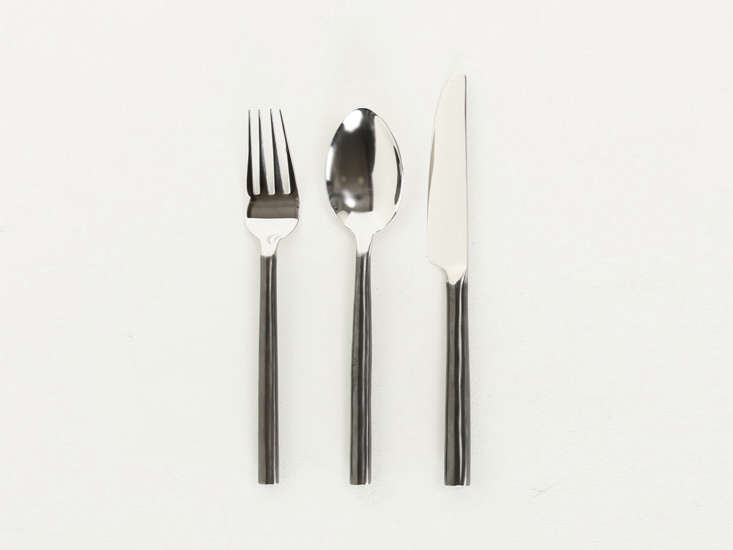
A dinner fork may be small, but the right one can change the mood of a table before anyone even asks, “Who made the salad?” The burnished stainless steel dinner fork is a beautiful example of everyday design doing more than its job. It lifts roasted vegetables, twirls pasta, anchors a place setting, and quietly adds texture, warmth, and craftsmanship to the dining experience.
Unlike mirror-polished flatware that practically winks under overhead lights, burnished stainless steel has a softer personality. It feels lived-in, intentional, and a little artisanallike it belongs in a kitchen where olive oil is poured with confidence and bread never survives the appetizer course. This article explores what a burnished stainless steel dinner fork is, why the finish matters, how it compares with other flatware styles, how to choose one, and how to keep it looking good without treating it like a museum artifact.
What Is a Burnished Stainless Steel Dinner Fork?
A burnished stainless steel dinner fork is a full-size eating fork made from stainless steel and finished with a softened, rubbed, or slightly matte surface. The term “burnished” often refers to a finish that has been polished, smoothed, or worked by hand or machine to create subtle luster rather than a bright mirror shine. It is not dull, exactly. It is more like stainless steel after it has learned good manners.
Some burnished forks are machine-pressed and then hand-finished. Others are forged, rolled, brushed, tumbled, or treated to create a surface that looks gently aged. In artisan flatware, burnishing may highlight small variations in the handle, edges, or tines. These tiny irregularities are part of the charm. The fork still functions like normal flatware, but visually, it has more depth than basic polished silverware.
Why the Dinner Fork Matters
The dinner fork is usually the workhorse of a flatware set. It is larger than a salad fork and designed for main courses such as roasted chicken, pasta, grain bowls, steakhouse sides, casseroles, and those “I made this from scratch” meals that may or may not involve a jar of sauce. Because it appears at nearly every place setting, the dinner fork has a major effect on the overall look and feel of the table.
A burnished stainless steel dinner fork gives the table a grounded, modern, slightly rustic character. It pairs well with linen napkins, handmade ceramics, stoneware plates, wood serving boards, and minimalist glassware. It also looks surprisingly good next to everyday white plates, proving once again that simple things often have the strongest style opinions.
Why Stainless Steel Is the Favorite Material for Flatware
Stainless steel dominates modern flatware because it is durable, relatively affordable, easy to clean, and resistant to corrosion. It does not require the polishing routine associated with sterling silver, and it is sturdy enough for daily use. That is why restaurants, hotels, home cooks, newlyweds, design lovers, and people who simply want forks that do not bend like wet noodles all keep returning to stainless steel.
The “stainless” part comes mainly from chromium. Chromium helps form a thin protective surface layer that resists rust and staining. Nickel, when present, adds luster and improves corrosion resistance. This is why flatware descriptions often include numbers such as 18/10, 18/8, or 18/0. Those numbers refer to chromium and nickel content.
18/10, 18/8, and 18/0: What the Numbers Mean
In flatware, 18/10 stainless steel generally means the alloy contains about 18 percent chromium and 10 percent nickel. This type is often considered premium because it resists corrosion well and has a pleasing shine. 18/8 is similar, with slightly less nickel. 18/0 contains chromium but little to no nickel, making it more affordable and often magnetic, but usually less lustrous and less resistant to corrosion over time.
For a burnished stainless steel dinner fork, the grade matters because the finish is only part of the story. A beautiful surface is wonderful, but the fork also needs strength, balance, and resistance to everyday wear. If the product description lists 18/10 or 304 stainless steel, that is often a positive sign for long-term use. If the grade is not listed, look at the weight, manufacturer reputation, care instructions, and customer feedback.
The Beauty of a Burnished Finish
The appeal of a burnished finish is all about restraint. A mirror finish says, “Look at me.” A burnished finish says, “I have excellent taste, but I do not need to announce it with a trumpet.” It creates a soft sheen that catches light without reflecting everything on the table, including your cousin’s phone screen during Thanksgiving dinner.
Burnished flatware often feels warmer than highly polished stainless steel. The surface texture can make the piece appear handcrafted, even when it is produced through a combination of machine work and hand finishing. This makes it especially popular in modern rustic interiors, Scandinavian-inspired dining rooms, farmhouse kitchens, industrial lofts, and boutique restaurant settings.
Burnished vs. Brushed vs. Satin vs. Mirror Finish
These finishes can overlap, but they are not identical. Mirror-polished flatware has a bright reflective surface. Satin flatware has a smooth, soft glow. Brushed stainless steel shows fine directional lines. Burnished stainless steel may have a rubbed, mellowed, or hand-worked look that feels slightly more organic. In some collections, “burnished” is used to describe a darker or more aged-looking stainless surface.
The best choice depends on the table style. Mirror polish works well for formal settings. Brushed and satin finishes are excellent for everyday modern homes. Burnished stainless steel is ideal when you want flatware that feels relaxed but still refined. It can handle a weeknight pasta bowl and still look ready for a dinner party where someone brings flowers instead of just texting “on my way.”
Design Details That Make a Dinner Fork Feel Premium
Not all forks are created equal. Some feel balanced and comfortable. Others feel like they were designed by someone who has only heard rumors about hands. When choosing a burnished stainless steel dinner fork, pay attention to the following details.
Weight and Balance
A good dinner fork should have enough weight to feel substantial, but not so much that it turns dinner into wrist day at the gym. Balance matters even more than weight. The fork should not feel top-heavy or awkward. The handle should rest naturally in the hand, while the head should feel sturdy enough to handle dense foods.
Tine Shape
The tines should be smooth, evenly spaced, and shaped for practical use. Four-tine dinner forks are common in American flatware, though some artisan designs use three tines for a more distinctive look. A three-pronged burnished fork can feel sculptural and old-world, while a four-tine fork tends to feel more familiar and versatile.
Handle Shape
The handle is where style becomes personal. A rolled handle can feel handmade and tactile. A slim handle looks modern and elegant. A wider handle may feel more comfortable for everyday use. Burnished finishes work especially well with handles that have small curves, hammered details, or softened edges because the surface catches light in subtle ways.
Edges and Comfort
Run your finger along the handle and the sides of the fork head if you can inspect it in person. Quality flatware should not have sharp seams, rough spots, or unfinished edges. A burnished finish should look intentionally textured, not accidentally scratched. There is a difference between “artisan character” and “fell out of a moving truck.”
How to Style a Burnished Stainless Steel Dinner Fork
A burnished stainless steel dinner fork is wonderfully adaptable. It does not demand a formal tablescape, but it also does not disappear into the background. It brings just enough personality to make a meal feel designed.
For Everyday Dining
Pair burnished stainless steel forks with simple stoneware plates, cotton napkins, and clear drinking glasses. The result feels casual but intentional. This setup works for eggs at breakfast, sandwiches at lunch, and the heroic dinner known as “whatever is left in the fridge plus sauce.”
For Dinner Parties
For guests, lean into texture. Use linen napkins, ceramic plates, tapered candles, and a low centerpiece of herbs or seasonal flowers. Burnished stainless steel flatware adds a restaurant-like detail without making the table feel stiff. It tells guests that dinner is special, but nobody has to whisper.
For Rustic or Farmhouse Tables
The mellow surface of burnished steel looks beautiful with wood, terracotta, cream-colored ceramics, and handmade serving bowls. It adds a little shine without fighting the natural materials. If your dining table has visible grain or a reclaimed finish, burnished flatware will likely look right at home.
For Modern Minimalist Settings
Use matte black plates, white porcelain, or gray stoneware to create contrast. The burnished fork softens the minimalist look so it does not feel too cold. Add one warm element, such as amber glassware or a woven placemat, and the whole table becomes more inviting.
How to Care for Burnished Stainless Steel Flatware
Stainless steel is low-maintenance, but it is not magic. Even high-quality stainless flatware can develop water spots, discoloration, or tiny rust marks if it is exposed to harsh conditions, salt, acidic food residue, or long periods of moisture. The good news is that a few simple habits can keep a burnished stainless steel dinner fork looking handsome for years.
Dishwasher Tips
Many stainless steel forks are dishwasher safe, but always check the maker’s instructions. Load forks with enough space between pieces so water can circulate. Avoid overcrowding the basket. Do not let stainless steel touch silver-plated items, aluminum, cast iron, or rusty utensils during washing. Mixed metals can cause staining or corrosion marks.
Use the correct amount of detergent and avoid overly harsh cleaners. After the cycle finishes, open the dishwasher to release steam and dry the flatware promptly. Water spots are more likely when utensils sit wet for hours, especially in hard-water areas.
Hand-Washing Tips
Hand washing is the gentlest method, especially for artisan pieces or specialty finishes. Use warm water, mild dish soap, and a soft sponge or cloth. Dry immediately with a clean towel. This step is small but powerful. Drying prevents mineral deposits and helps preserve the soft burnished surface.
What to Avoid
Do not use steel wool, harsh scouring pads, bleach, or abrasive powders unless the manufacturer specifically says they are safe. Avoid soaking flatware overnight, especially with salty or acidic foods. Tomato sauce, vinegar, citrus, mustard, and salt are delicious, but they should not hold a sleepover on your fork.
Removing Spots or Light Rust
For water spots, try a soft cloth dampened with white vinegar, then rinse and dry. For light rust marks, a baking soda paste applied gently with a soft sponge may help. If the finish is specialty, hand-burnished, blackened, plated, or patinated, test any cleaning method on a small area first or follow the maker’s care directions.
Buying Guide: How to Choose the Right Burnished Stainless Steel Dinner Fork
When shopping for a burnished stainless steel dinner fork, consider whether you want individual replacement pieces, a full flatware set, or a mix-and-match table. Individual forks are useful if you are building a collection slowly or replacing missing pieces from a vintage pattern. Full sets create consistency and are easier for hosting.
Check the Material Grade
Look for 18/10, 18/8, or 304 stainless steel when possible. These grades are common in quality flatware and generally offer good corrosion resistance. If the fork is 18/0, it can still be practical, especially for budget-friendly use, but it may not have the same long-term shine or resistance as nickel-containing stainless steel.
Look at the Finish Description
Because “burnished” can mean different things depending on the brand, read the description closely. Is the fork hand-burnished? Brushed? Tumbled? Fieldstone-finished? Matte? Aged? The more specific the description, the easier it is to understand what will arrive at your door.
Consider the Length
Most dinner forks are roughly seven to eight inches long, though artisan versions may vary. A longer fork can feel elegant, while a shorter one may feel casual and comfortable. If you already own flatware, compare measurements so your new fork does not look like it wandered in from a different table universe.
Buy One First if Possible
If you are investing in a new flatware pattern, buy a single dinner fork before committing to a full set. Use it for a few meals. Wash it. Hold it. See whether it feels balanced. A fork may look gorgeous online and still feel strange in real life. Flatware is tactile; your hand gets a vote.
Why Burnished Flatware Feels So Timeless
Trends in tableware come and go, but burnished stainless steel has staying power because it balances beauty and usefulness. It has enough texture to feel special, enough simplicity to avoid looking dated, and enough durability for daily meals. That combination is rare. Many decorative objects are charming until they require complicated care, special storage, and an emotional support cloth. A good burnished stainless steel dinner fork simply shows up and does the work.
It also fits the way many people eat today. Modern dining is less about formal rules and more about atmosphere. People want tables that feel warm, personal, and easy to live with. A burnished fork supports that mood. It looks curated without feeling precious. It pairs with thrifted plates, heirloom bowls, modern ceramics, and even takeout served proudly on real dishes.
Experience Notes: Living With a Burnished Stainless Steel Dinner Fork
The first thing you notice about a burnished stainless steel dinner fork is not always how it looks. Sometimes it is how it feels. A well-made fork has a quiet confidence in the hand. It does not feel flimsy. It does not shout for attention. It simply makes dinner feel a little more considered, which is impressive for an object whose main job is transporting potatoes.
In everyday use, the burnished finish is forgiving. A mirror-polished fork can show fingerprints, tiny scratches, and water marks almost immediately. A burnished finish tends to hide small signs of use better because the surface already has visual texture. That does not mean it is indestructible, but it ages gracefully. Over time, the fork may develop a softer patina, especially if it is handmade or hand-finished. For many people, that is part of the appeal.
At a casual family dinner, burnished stainless steel flatware adds a little restaurant energy without making the table feel formal. Imagine a simple meal: roast chicken, green beans, warm bread, and a salad bowl large enough to suggest optimism. Set beside a ceramic plate and a linen napkin, the burnished dinner fork makes the whole scene look intentional. Nobody needs to know the salad dressing came from a bottle. The fork is doing visual public relations.
For hosting, the experience is even better. Guests often notice flatware subconsciously before they mention it. They may not say, “What a well-burnished utensil,” because most people are not walking flatware catalogs. But they do notice when the table has texture and balance. Burnished stainless steel catches candlelight gently, avoiding the glare that highly polished pieces can create. It photographs beautifully, too, which matters in a world where dinner sometimes has a social media career.
There is also a practical pleasure in using flatware that does not feel too delicate. A burnished stainless steel dinner fork is usually sturdy enough for real food: roasted vegetables, thick-cut lasagna, grain salads, pork chops, baked pasta, and birthday cake that refuses to slice cleanly. If the fork has good tine strength, it can handle dense foods without bending. If the handle is comfortable, it becomes the piece people reach for without thinking.
Care becomes a small ritual rather than a chore. Rinse the fork after meals, wash it with mild soap, dry it well, and it stays handsome. If you use a dishwasher, unload promptly and wipe away lingering moisture. These habits are not glamorous, but neither is discovering rust-colored dots on your favorite fork while making breakfast. A little attention keeps the finish looking relaxed instead of neglected.
The most enjoyable part of owning burnished stainless steel flatware is how easily it blends with different moods. It can look rustic on Monday, modern on Friday, and quietly elegant during the holidays. It works with mismatched plates and formal table runners. It suits both slow dinners and quick lunches eaten while standing near the counter pretending that counts as “dining.” In short, the burnished stainless steel dinner fork is not just a utensil. It is a small design choice that makes ordinary meals feel a bit more grounded, tactile, and memorable.
Conclusion
A burnished stainless steel dinner fork is proof that useful objects can still have soul. Its softened finish, durable material, and versatile style make it an excellent choice for homes that value both function and atmosphere. Whether you are building a full flatware set, replacing a vintage pattern, or adding character to your table, this type of fork offers a smart balance of beauty, strength, and everyday practicality.
The best burnished stainless steel dinner fork should feel comfortable in the hand, suit your table style, resist everyday wear, and clean up without drama. Choose quality stainless steel when possible, follow sensible care habits, and let the finish develop its quiet charm over time. After all, dinner tastes better when even the fork looks like it belongs there.