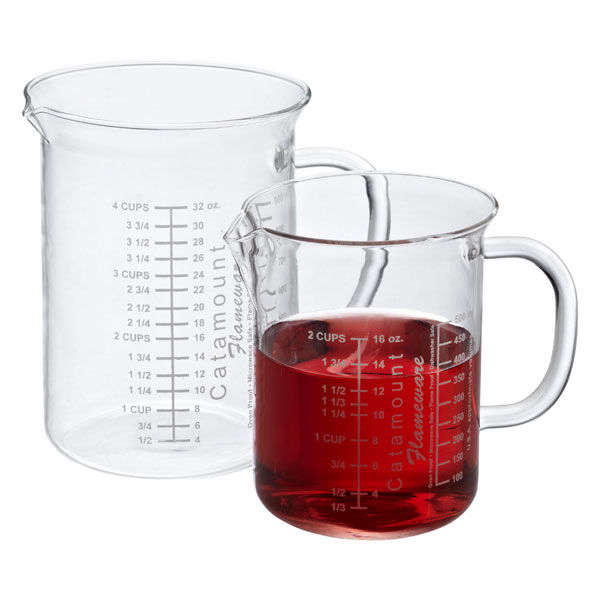
A good measuring cup is one of those kitchen tools that looks boring until the exact moment it saves dinner. Need to melt butter, warm milk, bloom gelatin, measure stock, pour pancake batter, or rescue a sauce that is flirting with disaster? There it is: humble, clear, sturdy, and ready to work. Among the many options on the shelf, borosilicate glass measuring cups have earned a loyal following because they combine practical measurement with impressive heat resistance, clean visibility, and everyday durability.
Unlike thin decorative glassware that trembles at the sight of hot tea, borosilicate glass is engineered for temperature changes. That is why it has long been associated with laboratory glassware, coffee gear, bakeware, and modern kitchen tools. For home cooks, the appeal is simple: a borosilicate measuring cup can move more confidently between cold ingredients, warm liquids, microwaves, and dishwashers when used according to the manufacturer’s instructions. It is not magic, but in a busy kitchen, it can feel suspiciously close.
What Is a Borosilicate Glass Measuring Cup?
A borosilicate glass measuring cup is a liquid measuring vessel made from glass that contains silica and boron compounds. The boron component helps reduce how much the glass expands and contracts when exposed to heat or cold. In plain English, it is less likely to panic when temperatures change. That lower thermal expansion is the main reason borosilicate glass is often used for items that need to handle heat, such as lab beakers, coffee carafes, baking dishes, storage containers, and measuring cups.
In the kitchen, these measuring cups are usually designed with printed or etched measurement markings, a handle, and a pouring spout. Many models include both U.S. customary units and metric measurements, such as cups, ounces, milliliters, and liters. Some newer versions also come with silicone or plastic lids, which are helpful for storing sauces, prepped ingredients, or leftover broth without turning your refrigerator into a tiny soup swamp.
Why Borosilicate Glass Is Popular in the Kitchen
1. Better Resistance to Temperature Changes
The biggest reason people shop for borosilicate glass measuring cups is thermal-shock resistance. Thermal shock happens when one part of the glass changes temperature much faster than another part. That uneven expansion can create stress, and stress is what causes glass to crack or shatter. Borosilicate glass is not unbreakable, but it is better suited to temperature changes than ordinary glass.
This matters for everyday cooking. You might measure cold milk, warm it gently in the microwave, stir in cocoa, and pour it into a recipe. You might melt butter directly in the cup instead of dirtying another bowl. You might reheat gravy, dissolve sugar, or warm maple syrup for pancakes because cold syrup on hot pancakes is a breakfast crime scene. Borosilicate glass makes those tasks feel more natural and less fussy.
2. Clear Visibility for More Accurate Measuring
Glass measuring cups are popular because you can see the liquid level clearly. That sounds obvious, but it matters. When measuring liquids, you want the cup on a flat surface and your eyes level with the measurement line. A transparent cup lets you check the meniscus, the slight curve at the top of the liquid, instead of guessing from above like a kitchen fortune teller.
The best borosilicate measuring cups use bold, high-contrast markings that are easy to read even when the cup is filled with darker liquids such as coffee, soy sauce, broth, or chocolate mixture. Etched markings may last longer than printed markings, although printed red or black measurements are often easier to see at a glance.
3. Odor and Stain Resistance
Plastic measuring cups can be lightweight and cheap, but they sometimes hold onto smells, oils, and stains. Tomato sauce, curry paste, garlic oil, and strong marinades have a way of moving in permanently, like they signed a lease. Glass is nonporous, so it generally resists staining and odor absorption better than many plastics. That makes borosilicate measuring cups especially useful for cooks who move between sweet and savory recipes.
You can measure lemon juice in the morning, whisk a salad dressing at lunch, and melt chocolate in the evening without wondering whether dessert will have a mysterious hint of vinaigrette. That alone is enough to make a glass cup worth keeping within arm’s reach.
Borosilicate Glass vs. Tempered Soda-Lime Glass
One of the most confusing things about measuring cups is that not all glass is the same. Some popular glass measuring cups are made from tempered soda-lime glass, while others are made from borosilicate glass. Both can be useful, but they have different strengths.
Borosilicate glass is known for better resistance to rapid temperature changes. That makes it a strong choice if you often move between the fridge, microwave, warm ingredients, and hot liquids. Tempered soda-lime glass can be very durable for everyday use and may handle bumps better in some situations, but it is generally more sensitive to sudden temperature changes.
The practical advice is simple: read the product description carefully. Do not assume every famous glass measuring cup is borosilicate. Some brands sell tempered glass measuring cups that are microwave, dishwasher, freezer, or preheated-oven safe when used properly, but that does not automatically mean they are borosilicate. If borosilicate is important to you, look for the word clearly stated in the specifications.
Best Uses for Borosilicate Glass Measuring Cups
Melting Butter and Chocolate
A borosilicate glass measuring cup is excellent for melting butter in the microwave because the handle gives you control and the spout makes pouring easy. It is also handy for chocolate, especially when you need to drizzle it over cookies, brownies, strawberries, or whatever snack you are pretending is not dinner.
Heating Liquids
Need warm milk for mashed potatoes, yeast dough, hot cocoa, or a creamy sauce? A glass measuring cup lets you measure and heat in the same container. That saves time and reduces dishes, which is the kind of kitchen math everyone can support.
Mixing Dressings, Sauces, and Marinades
The wide opening of many glass measuring cups makes them useful for whisking vinaigrettes, marinades, glazes, and small-batch sauces. The measurement lines help you build a recipe directly in the cup: oil to this line, vinegar to that line, mustard, honey, salt, pepper, whisk, done. It is meal prep without the drama.
Pouring Batter
Pancake batter, crepe batter, cupcake batter, and waffle batter are easier to control from a measuring cup with a good spout. A borosilicate glass measuring cup gives you visibility, volume, and pouring precision in one tool. If the spout is designed well, you get fewer drips on the counter and fewer mysterious batter fossils on the stovetop.
Meal Prep and Storage
Measuring cups with lids are especially convenient for storing sauces, chopped aromatics, beaten eggs, or measured liquids before cooking. A 2-cup or 4-cup borosilicate measuring cup with a lid can act like a prep bowl, storage container, microwave-safe reheating vessel, and pouring jug. That is a pretty good résumé for something that still fits in a cabinet.
How to Choose the Right Borosilicate Glass Measuring Cup
Choose the Right Size
Most home kitchens benefit from at least two sizes: a 1-cup measuring cup and a 2-cup or 4-cup measuring cup. The 1-cup size is perfect for small quantities, such as lemon juice, melted butter, cream, or syrup. A 2-cup cup is the everyday workhorse for sauces, broth, milk, and batter. A 4-cup cup is excellent for larger recipes, pancake mornings, soup prep, and mixing wet ingredients for baking.
If you cook often, a set can be more useful than a single cup. Having multiple sizes also prevents the classic kitchen problem of needing to measure milk while your only measuring cup is already full of melted butter. That is not a tragedy, but it is how unnecessary dishes are born.
Look for Easy-to-Read Markings
Measurement markings should be clear, accurate, and visible from the side. Many cooks prefer cups with both standard and metric measurements because recipes increasingly use grams, milliliters, ounces, and cups depending on where they were written. Metric markings are especially useful for precision baking and international recipes.
If you use the dishwasher often, check reviews and product details related to marking durability. Some markings last for years, while others fade sooner than expected. Etched markings can be a smart choice if longevity is a priority.
Check the Handle
A good handle should feel secure even when the cup is full. This is especially important with a 4-cup measuring cup, which can become heavy when filled with stock, batter, or sauce. Some borosilicate glass measuring cups include silicone or non-slip handles for comfort. Others use all-glass handles for a classic look and easy cleaning.
Pay Attention to the Spout
A measuring cup can be beautiful, heat-resistant, and accurate, but if the spout dribbles liquid down the side every time you pour, it will slowly become your kitchen nemesis. Look for a pointed or well-shaped spout designed for controlled pouring. This small detail makes a big difference when transferring hot broth, cake batter, or homemade caramel.
Decide Whether You Need a Lid
Lids are not essential, but they are very useful. A lid turns a measuring cup into a short-term storage container, helps prevent splatter in the microwave, and makes fridge organization cleaner. Just remember that lids may not always be oven safe, even when the glass cup is rated for heat. Always check the care instructions.
Safety Tips for Using Borosilicate Glass Measuring Cups
Borosilicate glass is tough, but it is still glass. Treat it with respect and it will reward you with years of reliable service. Avoid placing hot glass directly on a wet, cold, or stone surface. Do not use a chipped or cracked cup. Do not put glass under a broiler unless the manufacturer specifically says it is safe. Avoid heating an empty measuring cup, and be careful with sudden, extreme temperature changes.
It is also smart to follow brand-specific instructions. Some products are safe for the microwave, freezer, and dishwasher, while others have different limits. If the cup includes a lid, confirm whether the lid is microwave safe, dishwasher safe, or only meant for storage. The glass may be the hero, but the lid has its own rulebook.
Cleaning and Care
Most borosilicate glass measuring cups are dishwasher safe, but hand washing can help preserve printed markings longer. Use a soft sponge, mild dish soap, and warm water. For stubborn residue, soak the cup before scrubbing. Avoid abrasive pads that can scratch the surface or damage measurement markings.
For cloudy buildup, a mixture of vinegar and warm water can help remove mineral deposits. Baking soda paste can also lift stuck-on food without harsh scratching. Dry the cup before storing it, especially if you stack multiple pieces together. If you do stack them, place them gently. Glass is strong, but gravity remains undefeated.
Are Borosilicate Glass Measuring Cups Worth It?
For many home cooks, yes. Borosilicate glass measuring cups are worth it if you regularly heat ingredients, prepare sauces, bake, meal prep, or prefer kitchen tools that can handle more than one job. They are especially helpful for people who want to reduce plastic use in the kitchen or avoid containers that stain and hold odors.
That said, you do not need to replace every measuring cup you own overnight. A good strategy is to buy one high-quality borosilicate cup in the size you use most often, then add more if it earns its spot. The 2-cup size is usually the best starting point because it handles small and medium tasks without feeling bulky.
Common Mistakes to Avoid
Assuming All Glass Measuring Cups Are Borosilicate
Always read the material description. “Glass” does not automatically mean borosilicate. If a product is made from borosilicate glass, the brand will usually say so clearly because it is a selling point.
Ignoring Capacity
A 1-cup measuring cup is great for small jobs, but it is annoying for pancake batter or soup stock. A 4-cup cup is excellent for larger batches but may feel too heavy for quick tasks. Match the size to your cooking habits.
Overlooking Marking Durability
Faded measurement lines turn a measuring cup into a transparent mystery bowl. Look for clear, durable markings, especially if you plan to run the cup through the dishwasher frequently.
Using It Like It Is Indestructible
Borosilicate glass is heat-resistant, not superhero-resistant. It can still break if dropped, chipped, slammed, or exposed to extreme conditions outside the product’s care instructions.
Real Kitchen Experience: Living With Borosilicate Glass Measuring Cups
After using borosilicate glass measuring cups in everyday cooking, the biggest advantage is not just heat resistance. It is convenience. The cup becomes a tiny kitchen station. On a busy morning, you can measure milk, warm it, whisk in cocoa, and pour it without reaching for a saucepan. During baking, you can melt butter, let it cool slightly, add vanilla, and pour it into dry ingredients with less mess. When making dinner, you can measure broth, microwave it briefly, stir in bouillon or miso, and pour it straight into a pan.
The 2-cup size is the one that tends to live closest to the action. It is big enough for most sauces but not so large that it feels clumsy. It works well for scrambled eggs, salad dressing, cornstarch slurry, quick gravy, pancake batter, and small amounts of soup. The handle matters more than expected. A comfortable handle makes hot liquids feel safer to manage, especially when the cup is full. A poor handle turns every pour into a tiny trust exercise.
The 4-cup size becomes useful on weekends or whenever recipes get ambitious. It is ideal for mixing wet ingredients for muffins, waffles, banana bread, and casseroles. It also helps when making stock-based sauces because you can measure several cups of liquid at once instead of refilling a smaller cup repeatedly. If the spout pours cleanly, it becomes one of those tools you reach for automatically. If the spout drips, you will notice every single time, usually while wiping broth off the counter and questioning your life choices.
Cleaning is usually easy. Glass does not hold onto smells the way plastic sometimes does, which is a major win after measuring garlic-heavy marinades or oily dressings. Tomato sauce rinses away cleanly, and melted chocolate does not leave a permanent shadow. Dishwashers are convenient, but hand washing can be better for preserving printed measurement lines. A soft sponge and warm soapy water are usually enough. For sticky syrup, honey, or caramel, a short soak works better than aggressive scrubbing.
Another real-world benefit is visual confidence. When a cup is clear and the markings are bold, measuring feels faster. You do not have to tilt, squint, or guess whether you are at three-quarters of a cup or somewhere in the emotional neighborhood of three-quarters. That matters in baking, where small differences can affect texture. It also matters when doubling recipes, where one wrong liquid measurement can turn cookie dough into pancake batter with dreams.
The main drawback is weight. Borosilicate glass can feel heavier than plastic, especially in larger sizes. It also requires more careful storage because it can chip if knocked against other hard items. But those trade-offs are reasonable for cooks who value heat resistance, clarity, and cleanliness. In a practical kitchen, the best tools are not always the fanciest. They are the ones that quietly solve problems. A borosilicate glass measuring cup does exactly that: it measures, heats, mixes, stores, pours, and cleans up without demanding applause. Although, honestly, after a clean pancake pour with zero drips, applause would be fair.
Conclusion
Borosilicate glass measuring cups are simple tools with serious kitchen value. They offer excellent visibility, useful heat resistance, odor and stain resistance, and the flexibility to handle measuring, mixing, melting, reheating, and pouring. They are not indestructible, and they still require sensible care, but they are a smart upgrade for home cooks who want fewer dishes, cleaner prep, and more confidence around hot and cold ingredients.
If you are buying your first one, start with a 2-cup borosilicate glass measuring cup with clear markings, a comfortable handle, and a drip-resistant spout. Add a 1-cup and 4-cup version later if you cook or bake often. Once you get used to the convenience, you may wonder how such a plain-looking cup became one of the most useful tools in your kitchen. The answer is simple: good design does not need to shout. Sometimes it just pours without dripping.
Note: Always follow the specific care and safety instructions provided by the manufacturer of your measuring cup. Borosilicate glass is heat-resistant, but no glass product should be treated as unbreakable.