Blue splatter dinnerware has a special talent: it can make Tuesday-night leftovers look like they were plated by someone who owns linen napkins and says “tablescape” without laughing. With its playful blue-and-white speckled pattern, this dinnerware style sits comfortably between farmhouse charm, coastal casual, vintage diner energy, and modern handmade design. It is relaxed, photogenic, and just imperfect enough to feel human.
At its simplest, blue splatter dinnerware refers to plates, bowls, mugs, platters, or serving pieces decorated with scattered blue dots, flicks, sprays, or painterly marks. Some pieces look like old-school enamel camping dishes. Others are glazed stoneware with an artisan studio feel. Some are crisp porcelain, while others are lightweight melamine for outdoor dining. The common thread is movement: the pattern looks spontaneous, fresh, and a little rebellious, like your dinner plate decided to have a tiny paint-party before serving pasta.
In today’s home decor world, blue splatter dinnerware works because it combines nostalgia with versatility. The blue-and-white palette feels classic, while the irregular pattern keeps the table from looking too formal. It can dress down a roast chicken dinner, dress up a picnic sandwich, or make a bowl of cereal feel oddly curated. That is the magic of the splatter: it looks casual, but never careless.
What Is Blue Splatter Dinnerware?
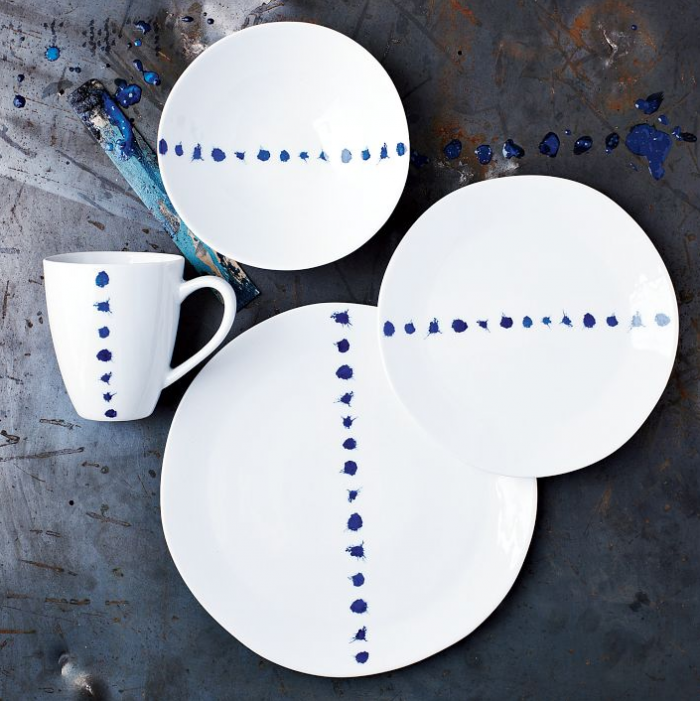
Blue splatter dinnerware is dinnerware decorated with blue speckles, spots, or hand-applied splash patterns, usually over a white, cream, or pale background. The pattern may be bold and high contrast, with cobalt dots scattered across the surface, or soft and misty, with pale blue flecks that look like sea spray.
The term “splatterware” is often used for enamelware, ceramic, and pottery pieces with this spotted design. “Spatterware” is another related term, especially when discussing older pottery traditions. While the two words are sometimes used interchangeably in casual shopping and decorating, both point to the same visual idea: controlled chaos, but make it dinner-ready.
Common Materials
Blue splatter dinnerware comes in several materials, and each has a different personality. Stoneware is sturdy, slightly weighty, and popular for everyday dishes. Porcelain feels a bit more refined and can have a brighter white base. Enamelware is usually made from metal coated with enamel, giving it that nostalgic camp-kitchen look. Melamine is lightweight and shatter-resistant, often used for patios, poolside meals, and kid-friendly settings.
If you want a set for daily indoor meals, stoneware or porcelain is usually the most practical choice. If you love camping, cookouts, or rustic styling, enamelware has the look. If you need something for outdoor parties where plates may be carried by children, distracted adults, or one uncle who tells stories with both hands, melamine may be your friend.
Why Blue Splatter Dinnerware Is Popular
The popularity of blue splatter dinnerware is not hard to understand. Blue is one of the easiest colors to use in the kitchen and dining room. It pairs beautifully with white, wood, brass, stainless steel, rattan, glass, and neutral linens. It can look nautical without turning your dining table into a souvenir shop, and it can look rustic without requiring a barn.
The splatter pattern also hides minor imperfections better than plain white plates. A tiny mark or water spot is less noticeable when the whole design already says, “Relax, I came like this.” For busy households, this is a small but meaningful advantage. Dinnerware should be beautiful, yes, but it should also survive spaghetti night.
Another reason for its appeal is the handmade look. Many modern shoppers are drawn to pieces that feel personal rather than mass-produced. Blue splatter dinnerware often gives that effect, even when the set is affordable. Because the dots and flecks look irregular, the table feels warm, collected, and lived-in.
A Brief Look at Splatterware Style
Splatter-style pottery and enamelware have long been associated with practical household goods. Vintage speckled enamel dishes were common in cabins, camps, farm kitchens, and outdoor settings because they were lightweight and durable. Over time, the pattern moved from purely practical use into decorative dining.
Today, blue splatter dinnerware feels both old and new. It carries the memory of enamel coffee mugs by a campfire, but it also fits perfectly on a modern open shelf next to matte black flatware and handmade glassware. This is why designers and home cooks keep coming back to it: the style has history, but it does not feel stuck in history.
Best Uses for Blue Splatter Dinnerware
Everyday Family Meals
Blue splatter plates are excellent for everyday meals because they are lively without being loud. A set of blue splatter dinner plates can handle scrambled eggs, sandwiches, grilled fish, pasta, tacos, and birthday cake with equal confidence. Unlike highly seasonal patterns, they do not scream “holiday,” “summer,” or “I bought this during a very specific mood.” They simply work.
Casual Entertaining
For casual entertaining, blue splatter dinnerware gives the table a thoughtful look without requiring a complicated setup. Pair dinner plates with white salad plates, natural linen napkins, clear glass tumblers, and a low centerpiece of herbs or flowers. The result is relaxed but polished, like you planned everything but did not panic-clean the entire house at 4 p.m.
Outdoor Dining
Blue splatter enamelware and melamine are especially popular for outdoor dining. The pattern feels right at home on picnic tables, patios, porches, and campsites. It pairs naturally with grilled corn, burgers, fruit salads, lemonade, and anything served from a big bowl while someone says, “Just grab a plate.”
Open Shelving and Kitchen Decor
If you have open shelves, blue splatter dinnerware can double as decor. Stack plates in visible groups, line up mugs on hooks, or place a large splatter serving bowl on a shelf as a functional accent. The pattern adds texture and movement without overwhelming the room.
How to Style Blue Splatter Dinnerware
Go Coastal Without Going Overboard
Blue and white naturally suggest coastal style. To keep the look elegant rather than theme-heavy, pair blue splatter dinnerware with woven placemats, white napkins, pale wood, and simple glassware. Avoid adding too many seashells, anchors, ropes, and tiny decorative boats unless your table is legally required to sail.
Create a Farmhouse Table
For farmhouse style, mix blue splatter plates with wood chargers, vintage flatware, cotton napkins, and a pitcher of wildflowers. Enamelware is especially effective here because it has that old-kitchen charm. Add a big serving platter in the same pattern and your table instantly feels like biscuits may appear.
Make It Modern
Blue splatter dinnerware can also look modern when paired with sleek elements. Try matte black utensils, crisp white linens, minimalist glassware, and simple ceramic serving pieces. The splatter becomes the main pattern, while everything else stays quiet and structured.
Mix and Match With Confidence
You do not need every single piece to match. In fact, blue splatter dinnerware often looks better when mixed with solids. Use blue splatter dinner plates with plain white bowls, or pair splatter salad plates with navy dinner plates. You can also add clear glass, natural wood, or stainless steel serving pieces to keep the table from feeling too busy.
What to Look for Before Buying
Material Matters
Before buying blue splatter dinnerware, check the material. Stoneware is great for daily use but can be heavier. Porcelain is usually lighter and more refined. Enamelware is durable for outdoor use but may chip if dropped hard. Melamine is light and practical, but it is generally not intended for microwave use.
Dishwasher and Microwave Safety
Always read the manufacturer’s care instructions. Many stoneware and porcelain dinnerware sets are dishwasher safe and microwave safe, but exceptions exist, especially if the pieces have metallic trim or unusual glaze details. Enamelware should not go in the microwave because it has a metal base. Melamine should also be kept out of the microwave unless the manufacturer clearly says otherwise.
Weight and Stackability
A dinnerware set may look gorgeous online, but if the plates are too heavy or do not stack neatly, daily use can become annoying. Look for plates that fit comfortably in your cabinets and dishwasher. If you have limited storage, coupe plates and low bowls often stack more easily than wide-rimmed pieces.
Set Size
Most dinnerware sets are sold as 12-piece or 16-piece collections. A 12-piece set typically includes dinner plates, salad plates, and bowls for four people. A 16-piece set often adds mugs. If you entertain regularly, consider buying extra dinner plates or serving pieces while the pattern is still available. Dinnerware patterns have a sneaky habit of disappearing right when you break one bowl.
Blue Splatter Dinnerware for Different Home Styles
Small Apartments
In a small apartment, blue splatter dinnerware can add character without taking up visual space. Choose a compact set with dinner plates, bowls, and mugs. Keep the rest of the kitchen palette simple so the pattern feels intentional rather than cluttered.
Family Homes
For families, durability is key. Stoneware works well for most households, while melamine or enamelware may be useful for younger children or outdoor meals. A blue splatter pattern is forgiving and cheerful, which helps when dinner includes sauce, crumbs, and someone asking where the ketchup is after you already put it on the table.
Vacation Homes and Cabins
Blue splatter enamelware is a natural choice for cabins, lake houses, and vacation rentals. It feels casual, sturdy, and nostalgic. It also photographs beautifully, which is helpful if your rental listing needs that “come drink coffee here and forget your inbox exists” feeling.
Care Tips to Keep Blue Splatter Dinnerware Looking Good
Good dinnerware care starts with common sense. Avoid sudden temperature changes, especially with stoneware and ceramics. Do not take a very hot plate and plunge it into cold water. Thermal shock can cause cracking, and nobody wants their favorite pasta bowl to retire dramatically in the sink.
Use gentle cleaning tools. A soft sponge and mild dish soap are usually enough. Avoid harsh scouring pads that can scratch glossy surfaces or dull matte finishes. If flatware marks appear on matte stoneware, a gentle powdered cleaner recommended for dinnerware may help, but always test carefully and follow the maker’s instructions.
For enamelware, dry pieces thoroughly after washing. Enamel is tough, but chipped areas can expose the metal underneath. Drying helps prevent moisture from lingering around rims or chips. For melamine, avoid high heat and microwave use unless clearly approved by the manufacturer.
When stacking plates, do not overload the pile. If your dishes are handmade, matte, or slightly textured, consider placing soft separators between them. This is especially helpful for special pieces you want to keep looking fresh for years.
Food That Looks Great on Blue Splatter Plates
Blue splatter dinnerware is surprisingly food-friendly. White and blue create a clean background that makes many dishes stand out. A tomato salad looks brighter. Pancakes look more charming. Lemon pasta looks fresh and sunny. Even toast looks like it has upgraded its lifestyle.
For brunch, try blue splatter plates with eggs, berries, waffles, and coffee mugs in the same pattern. For dinner, pair them with grilled salmon, roasted vegetables, rice bowls, or creamy pasta. For dessert, they are wonderful with blueberry pie, vanilla cake, peach cobbler, or chocolate brownies. The pattern brings energy to the table without competing too aggressively with the food.
Is Blue Splatter Dinnerware Timeless or Trendy?
The answer is both, which is exactly why it works. Blue-and-white dinnerware has been loved for generations, and splatter patterns have a long decorative history. At the same time, the current interest in handmade-looking, casual, mix-and-match table settings makes blue splatter dinnerware feel very current.
If you are worried about it feeling too trendy, choose a simple pattern with a classic blue tone rather than an overly busy design. A clean cobalt or navy splatter on white will age better than a pattern that includes too many colors, shapes, or novelty details. The more flexible the design, the longer you will enjoy using it.
How to Build a Blue Splatter Dinnerware Collection
You do not need to buy everything at once. Start with the pieces you will use most: dinner plates and bowls. If you love the look after a few weeks, add salad plates, mugs, serving bowls, or a platter. This approach keeps your cabinets under control and helps you avoid buying a 48-piece set when you mostly eat from one favorite bowl.
A smart starter collection might include four dinner plates, four salad plates, four cereal bowls, and four mugs. For entertaining, add a large platter and one deep serving bowl. If you prefer a more collected look, use blue splatter only for accent pieces, such as salad plates or mugs, and combine them with plain white dishes.
Common Mistakes to Avoid
One common mistake is ignoring care labels. A piece may look like stoneware but actually be enamel-coated metal or melamine. That matters when reheating food. Another mistake is buying a pattern that is too visually loud for your everyday style. If your kitchen already has bold tile, colorful cabinets, or patterned linens, choose a lighter splatter pattern to avoid visual traffic jams.
It is also wise to check replacement availability. If you are buying from a limited seasonal collection, you may not be able to replace broken pieces later. For everyday dinnerware, this matters. For accent plates, it matters less because mixing patterns is part of the charm.
Experience: Living With Blue Splatter Dinnerware
The best thing about blue splatter dinnerware is how quickly it changes the mood of a meal. Plain white plates are useful, but blue splatter plates have personality before the food even arrives. They make the table feel more relaxed, almost like a weekend breakfast at a small inn or a summer dinner on a screened porch.
In daily use, the pattern is forgiving. When you serve something casual, like scrambled eggs, roasted potatoes, or a turkey sandwich, the plate makes it look more intentional. When you serve something colorful, like a Greek salad or shrimp tacos, the blue flecks frame the food without stealing the show. That balance is important. A dinner plate should support the meal, not audition for the lead role.
Blue splatter dinnerware is also a good conversation starter. Guests often notice it because it feels familiar and fresh at the same time. Someone may say it reminds them of camping mugs from childhood. Another person may think it looks like handmade pottery from a small studio. Both reactions are part of the appeal. The style does not belong to just one category.
For hosting, blue splatter pieces reduce the pressure to make everything perfect. With very formal dinnerware, a slightly crooked napkin can feel like a crime scene. With splatterware, the table already has movement and playfulness, so the whole setup becomes more forgiving. You can use simple glass tumblers, grocery-store flowers, and folded cotton napkins, and the table still feels styled.
One practical experience worth noting is that not all blue splatter dinnerware feels the same in the hand. Stoneware has a comforting weight, but it may be too heavy for people who prefer lighter dishes. Enamelware feels breezy and casual, but it can chip at the edges if treated roughly. Melamine is easy for outdoor meals, but it lacks the satisfying heft of ceramic. The best choice depends on how and where you eat most often.
For a busy household, the most useful setup is usually a durable stoneware or porcelain set for indoor dining, plus a few enamel or melamine pieces for outdoor use. This gives you the beauty of ceramic for everyday meals and the practicality of lighter pieces for picnics, patios, and backyard dinners. It also lets you layer the same visual theme across different situations without forcing one material to do every job.
Another pleasant surprise is how well blue splatter dinnerware works across seasons. In spring, it looks fresh with tulips and lemon desserts. In summer, it feels coastal with grilled seafood and corn. In fall, it pairs nicely with wood boards, roasted squash, and navy napkins. In winter, it looks crisp with candles, evergreen sprigs, and creamy soups. A good blue splatter set does not disappear into the cabinet after one season; it earns its shelf space.
Ultimately, blue splatter dinnerware is for people who want dishes that feel useful, beautiful, and a little bit joyful. It is not stiff. It is not precious. It does not require a perfect dining room or a professional centerpiece. It simply makes meals feel more alive. And honestly, if a plate can make leftovers feel charming, it deserves a round of applause.
Conclusion
Blue splatter dinnerware is a stylish, practical, and surprisingly versatile choice for modern homes. It blends vintage charm with everyday function, offering a look that works for casual breakfasts, family dinners, outdoor parties, and relaxed entertaining. Whether you choose stoneware, porcelain, enamelware, or melamine, the key is to match the material to your lifestyle and care for each piece properly.
With its classic blue-and-white palette, playful speckled pattern, and easy mix-and-match appeal, blue splatter dinnerware can refresh a table without making it feel overdesigned. It is cheerful but not childish, nostalgic but not outdated, and decorative without being fussy. In other words, it is the rare dinnerware style that can handle both a beautiful dinner party and a reheated slice of pizza. That is range.