Blood sugar can feel like the world’s least exciting dashboarduntil it suddenly is not. Whether you live with diabetes, have been told you have prediabetes, are pregnant, or simply want to understand a lab result without spiraling down a search-engine rabbit hole, a blood sugar chart can turn mysterious numbers into useful information. The goal is not to achieve “perfect” glucose at every minute of the day. Bodies are not spreadsheets, and even spreadsheets occasionally have feelings. The goal is to recognize patterns, follow a target plan tailored to you, and know when a number deserves a snack, a phone call, or urgent care.
This guide explains common blood glucose targets, how they differ from diagnostic cutoffs, practical ways to manage highs and lows, and the risks of leaving glucose out of range for too long. It is educational, not a replacement for individualized medical adviceespecially for children, pregnancy, insulin use, kidney disease, or a history of severe low blood sugar.
What Blood Sugar Actually Measures
Blood sugar, also called blood glucose, is the amount of glucose circulating in your bloodstream. Glucose comes largely from carbohydrates in food, and it supplies energy to muscles, the brain, and other tissues. Insulin, a hormone made by the pancreas, helps move glucose from the blood into cells. In type 1 diabetes, the body makes little or no insulin. In type 2 diabetes, the body may not use insulin efficiently and may eventually make too little. Either way, glucose can linger in the bloodstream longer than it should.
A glucose reading is a snapshot, not a character judgment. A high result may reflect a meal, illness, stress, missed medication, a device issue, or a dose that needs reviewing. A low result can happen after more activity than usual, delayed meals, alcohol, or too much glucose-lowering medication. Context matters as much as the number itself.
Blood Sugar Chart: Common Targets and Diagnostic Ranges
The chart below separates management targets for many nonpregnant adults with diabetes from diagnostic ranges used by clinicians. They are related, but they are not interchangeable. A home meter reading cannot diagnose diabetes by itself, and your personal targets may be different.
| Situation or Test | Common Range or Goal | What It Means |
|---|---|---|
| Before meals (many nonpregnant adults with diabetes) | 80–130 mg/dL (4.4–7.2 mmol/L) |
A common pre-meal target, individualized by your care team. |
| 1–2 hours after starting a meal | Less than 180 mg/dL (less than 10.0 mmol/L) |
A common post-meal target for many nonpregnant adults with diabetes. |
| Low blood sugar (hypoglycemia) | Below 70 mg/dL (below 3.9 mmol/L) |
Usually calls for prompt treatment with fast-acting carbohydrate. |
| Fasting glucose: normal | Below 100 mg/dL (below 5.6 mmol/L) |
Typical laboratory range when fasting at least eight hours. |
| Fasting glucose: prediabetes | 100–125 mg/dL (5.6–6.9 mmol/L) |
Higher-than-normal glucose that raises future type 2 diabetes risk. |
| Fasting glucose: diabetes | 126 mg/dL or higher (7.0 mmol/L or higher) |
Usually needs confirmation with repeat testing unless symptoms and marked elevation are present. |
| A1C: normal / prediabetes / diabetes | <5.7% / 5.7–6.4% / 6.5% or higher | A1C estimates average glucose exposure over roughly the prior two to three months. |
For most nonpregnant adults with diabetes, the American Diabetes Association lists an A1C goal below 7%, a pre-meal target of 80–130 mg/dL, and a post-meal target below 180 mg/dL. These are starting points, not a one-size-fits-all contract written in stone.
For diagnosis, clinicians commonly use laboratory fasting glucose and A1C testing: fasting glucose below 100 mg/dL is generally considered normal, 100–125 mg/dL indicates prediabetes, and 126 mg/dL or higher may indicate diabetes when confirmed. An A1C below 5.7% is typical, 5.7–6.4% suggests prediabetes, and 6.5% or higher may indicate diabetes with appropriate confirmation.
Blood Sugar Goals During Pregnancy
Pregnancy has a separate rulebook. For many people with gestational diabetes, commonly used goals are 95 mg/dL or lower before a meal, 140 mg/dL or lower one hour after a meal, and 120 mg/dL or lower two hours after a meal. Pregnancy targets should come directly from the obstetric and diabetes care teams because timing, medication, and fetal health all matter.
Why Your “Best” Number May Differ From Someone Else’s
Targets may be adjusted for age, pregnancy, other medical conditions, hypoglycemia risk, medication type, and whether someone can sense a low coming on. For example, a person taking insulin who has had severe nighttime lows may need a safer, less aggressive target than a younger adult who can monitor closely. A strong plan balances the benefits of lower glucose with the very real danger of lows.
How to Read a Blood Sugar Pattern, Not Just a Lone Number
One reading is a photograph. A log or continuous glucose monitor (CGM) is the movie. Write down or review the time, meal, activity, medication, stress level, illness, and symptoms around unusual readings. After a week or two, you may notice that breakfast sends glucose soaring, a long walk causes late-afternoon lows, or work deadlines seem to turn your liver into an unsolicited glucose factory.
A1C adds a longer view, but it cannot show whether the “average” came from mostly steady readings or a dramatic mix of highs and lows. CGM systems add trend arrows and time-in-range information. For many people using CGM, a common goal is to spend at least 70% of time between 70 and 180 mg/dL, though personal targets can vary.
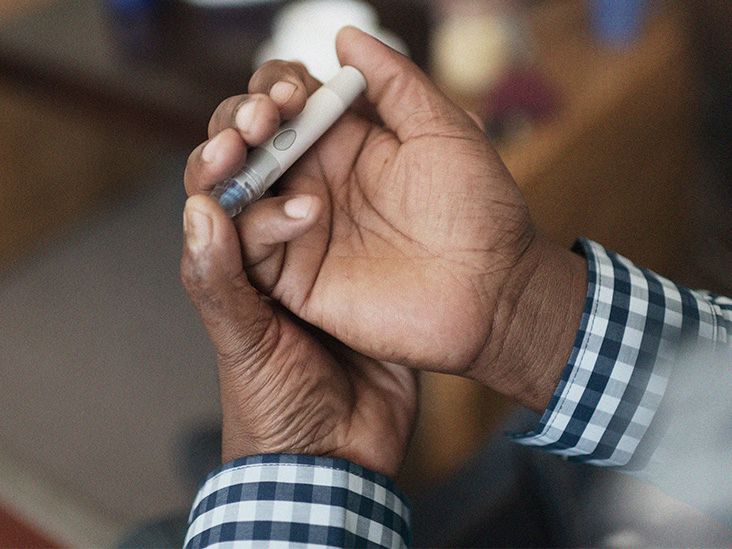
Finger-stick meters are still useful and may be needed to confirm a CGM reading when symptoms do not match the device, when a sensor reading seems surprising, or when a clinician has instructed you to check. The FDA notes that blood glucose monitoring devices measure glucose from a small blood sample, while CGMs continuously or frequently estimate glucose in body fluid; each tool has a role.
Managing Blood Sugar Without Turning Life Into a Math Exam
Build Meals Around Consistency, Not Punishment
Carbohydrates raise glucose, but the answer is not to banish every carb to a culinary exile. Instead, aim for steady portions and meals that combine carbohydrates with protein, fiber, and healthy fats. Think beans with chicken and vegetables, Greek yogurt with berries and nuts, or a sandwich paired with crunchy vegetables rather than a lonely mountain of refined crackers. Highly processed, rapidly absorbed carbohydrates and sugary drinks can cause a sharper rise, while fiber-rich foods tend to slow the ride.
Try a simple plate pattern: half nonstarchy vegetables, one quarter protein, and one quarter carbohydrate-rich food such as brown rice, potatoes, fruit, beans, or whole-grain bread. The “best” meal plan is one you can repeat on an ordinary Wednesday, not only on the kind of Monday when your fridge looks like a wellness retreat. Nutrition plans should also reflect culture, budget, food access, and medication timing.
Use Movement as a Glucose-Management Tool
Physical activity helps muscles use glucose. A walk after meals, resistance training, cycling, dancing, gardening, or chasing a toddler who has discovered speed can all count. If you take insulin or a medication that can cause lows, check with your clinician about how to prevent exercise-related hypoglycemia. Extra activity can lower glucose during the workout and sometimes hours afterward. Carry fast-acting carbohydrate, especially during longer or more intense activity.
Take Medication as Prescribedand Review Patterns, Not Individual “Failures”
Medication may include insulin, metformin, GLP-1 medicines, SGLT2 inhibitors, sulfonylureas, or other treatments. The right choice depends on diabetes type, kidney and heart health, cost, side-effect risk, and your daily routine. Do not change doses simply because of one surprising number unless your clinician has given you a written correction plan. Repeated highs or repeated lows are useful data to bring to an appointment; they may signal a need to adjust medication, meal timing, injection technique, or activity planning.
Make Sleep, Stress, and Sick Days Part of the Plan
Poor sleep, illness, pain, infection, and stress hormones can raise glucose even when you are eating carefully. On sick days, monitor as instructed, stay hydrated, follow your medication plan, and ask your care team when to check ketonesespecially if you have type 1 diabetes or use insulin. Illness is not the moment to “tough it out” with vague rules; a written sick-day plan is far more useful than heroic improvisation.
Low Blood Sugar: Symptoms, Treatment, and When It Is an Emergency
Common symptoms of hypoglycemia include shakiness, sweating, hunger, anxiety, a racing heartbeat, dizziness, irritability, confusion, blurred vision, or weakness. Some people develop hypoglycemia unawareness, meaning warning symptoms become faint or disappear. This is why a routine check can be lifesaving when you feel “off,” particularly after exercise, missed meals, alcohol, or a medication change.
For a reading below 70 mg/dL, a common approach is the 15-15 rule: consume 15 grams of fast-acting carbohydrate, wait 15 minutes, and recheck. Examples include glucose tablets, 4 ounces of juice, or regularnot dietsoda. Repeat if still low, then eat a balanced snack or meal when appropriate. Foods high in fat, such as chocolate, may raise glucose more slowly than you need during a low.
Call emergency services immediately if a person is unconscious, having a seizure, cannot safely swallow, or needs another person to treat the low. Glucagon may be used by trained caregivers when it has been prescribed, but food or drink should never be forced into the mouth of someone who is drowsy or unconscious.
High Blood Sugar: Symptoms, Risks, and Red Flags
High blood sugar may cause thirst, frequent urination, dry mouth, fatigue, blurry vision, nausea, or unexplained weight loss. It can also be quiet for a long time, which is why “I feel fine” is not a reliable glucose-management strategy. Persistently high glucose can damage blood vessels and nerves and is linked with eye disease, kidney disease, nerve damage, foot problems, heart disease, and stroke risk.
Seek urgent medical advice for repeated high readings above the range your clinician gave you, particularly with vomiting, abdominal pain, trouble breathing, confusion, dehydration, or ketones. These can be warning signs of diabetic ketoacidosis (DKA), which is especially important for people with type 1 diabetes but can occur in other situations too. Emergency care is appropriate if you cannot keep fluids down, have trouble breathing, or have concerning illness symptoms alongside abnormal glucose.
Everyday Experiences: What Blood Sugar Management Often Looks Like in Real Life
The examples below are illustrative composites, not individual medical advice.
Experience 1: The “healthy breakfast” surprise. Maya swaps a donut for a large fruit smoothie and feels pleased with her responsible choice. Her CGM, however, shows a substantial rise an hour later. The lesson is not that fruit is forbidden or smoothies are villains in tiny paper capes. It is that liquid carbohydrates can enter the bloodstream quickly, and a smoothie can contain several servings of fruit plus juice or sweetened yogurt. Working with her dietitian, Maya experiments with a smaller smoothie, more protein, and a side of eggs. Her readings become less dramatic, and breakfast stops feeling like a science fair project.
Experience 2: The mystery of the 3 p.m. low. Daniel notices shakiness and irritability every afternoon. At first, he blames meetings, which is understandable because meetings deserve some blame. His log shows the pattern happens on days when he eats a light lunch, takes a longer walk, and delays his afternoon snack while using insulin. His clinician helps him adjust his routine rather than telling him to merely “try harder.” Daniel starts carrying glucose tablets, plans a snack on active days, and learns to check before driving home. The practical win is not a perfect graph; it is fewer scary moments and more confidence.
Experience 3: Numbers that rise during illness. Priya has type 1 diabetes and is surprised when her glucose climbs during a stomach bug despite eating very little. Her sick-day plan reminds her that the body releases stress hormones during illness and that insulin needs may change. She checks glucose more often, tests ketones according to her team’s instructions, sips fluids, and contacts her clinician early when vomiting continues. The takeaway is simple: eating less does not guarantee lower glucose, and a prewritten plan is easier to follow when you are tired, nauseated, and in no mood to become your own endocrinology department.
Experience 4: A reassuring A1C that hides a rough ride. Leo’s A1C looks close to his goal, but he regularly wakes up sweaty and exhausted. His CGM report shows overnight lows balanced by higher daytime readings, creating an average that looks calmer than his actual life. After reviewing the pattern, his care team modifies the timing of treatment and discusses low alerts. This illustrates an important point: A1C is valuable, but it is not the full story. Glucose patterns, symptoms, quality of life, and safety matter too.
Experience 5: The benefit of “good enough” consistency. Rosa used to respond to a high reading by skipping her next meal or punishing herself with an exhausting workout. That approach produced swings, hunger, and more lows. Over time, she learns a steadier method: regular meals, a ten-minute walk after dinner, medication reminders, water, and a weekly review of trends. Her blood sugar does not become a flawless straight linebecause no human body works that waybut she sees fewer extremes. The most durable management plan is usually built from repeatable habits, compassion, and timely medical support, not from dramatic rules that collapse by Thursday.
Bottom Line
A blood sugar chart is a navigation tool, not a report card. For many nonpregnant adults with diabetes, common targets are 80–130 mg/dL before meals and under 180 mg/dL one to two hours after starting a meal, while A1C goals are often below 7%. But the safest target is the one you set with your health care team, taking medications, pregnancy, age, other conditions, and hypoglycemia risk into account. Track patterns, treat lows promptly, take persistent highs seriously, and get urgent help for severe symptoms. Small, repeatable changes can do more than perfectionism ever will.