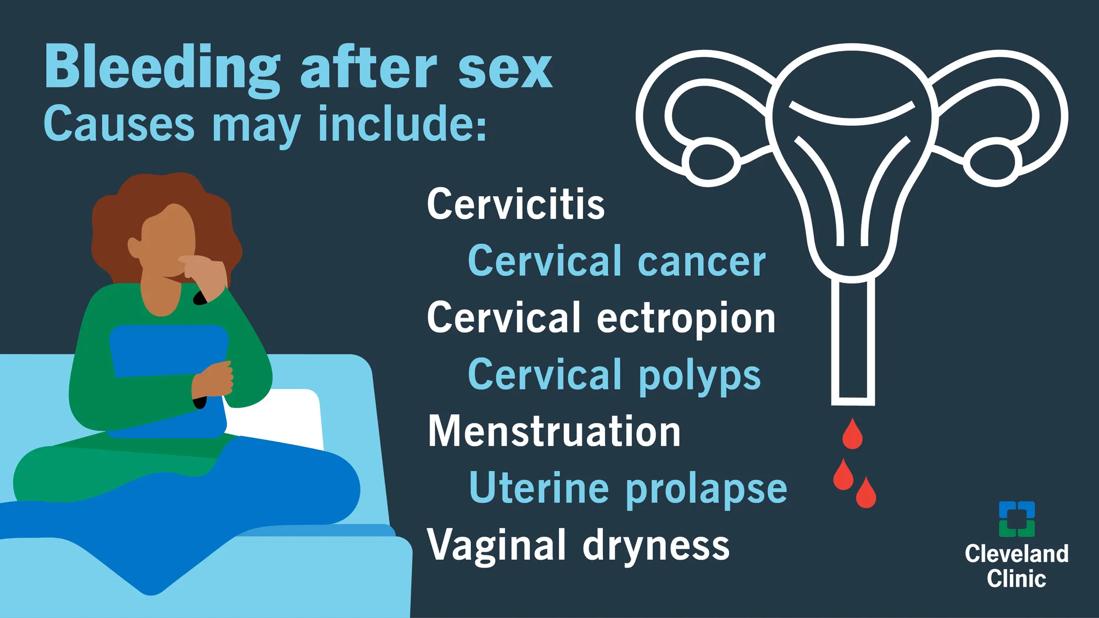
Bleeding after sex, also called postcoital bleeding, can feel scary, awkward, confusing, and wildly unfair. One minute you are trying to enjoy an intimate moment; the next, you are doing mental math about your last period, your birth control, your laundry situation, and whether Google is about to ruin your evening. Deep breath. A small amount of spotting after sex is not always an emergency, but it is also not something to ignore when it keeps happening.
Postcoital bleeding can come from several places: the vagina, vulva, cervix, uterus, or sometimes the urinary tract or rectal area if the source is mistaken for vaginal bleeding. The causes range from everyday issues like friction and vaginal dryness to infections, cervical changes, polyps, hormonal shifts, pregnancy-related changes, and, rarely, cancer. The key is not to panic, but also not to play detective forever with a flashlight and a search engine.
This guide explains the most common causes of bleeding after sex, important risk factors, warning signs, and what a health care provider may do to find the cause. It is written for education, not diagnosis. Your body deserves more than guesswork, and honestly, so does your underwear.
What Does Bleeding After Sex Mean?
Bleeding after sex means vaginal bleeding or spotting that happens during or after sexual activity. It may appear as a few pink streaks when wiping, red blood on sheets, brown discharge later in the day, or bleeding that looks more like a period. The amount, color, timing, and accompanying symptoms can offer clues, but they cannot confirm the exact cause without an exam or testing.
Occasional light spotting may happen from friction, especially if sex was vigorous, lubrication was low, or vaginal tissue was sensitive. However, bleeding after sex more than once, bleeding after menopause, bleeding with pelvic pain, bleeding with unusual discharge, or bleeding after a possible STI exposure should be checked by a medical professional.
A helpful rule: if the bleeding is new, repeated, unexplained, or worries you, it is worth making an appointment. You do not need to wait until it becomes dramatic. Bodies do not award bonus points for suffering quietly.
Common Causes of Bleeding After Sex
1. Vaginal Dryness and Friction
One of the most common reasons for light bleeding after sex is friction. When the vagina is not well lubricated, sex can cause tiny tears or irritation in delicate tissue. These microtears may bleed a little, sting, or feel sore afterward.
Vaginal dryness can happen at any age. It is more common after menopause because estrogen levels drop, which can make vaginal tissue thinner, drier, and more fragile. It can also happen during breastfeeding, after childbirth, during perimenopause, with some medications, during stress, or when there is not enough arousal or foreplay. Yes, foreplay is not just decoration. It is part of the engineering.
Using a water-based or silicone-based lubricant, slowing down, and communicating about discomfort can reduce friction-related bleeding. If dryness is persistent, especially after menopause, a clinician may recommend vaginal moisturizers, prescription vaginal estrogen, or other treatments depending on health history.
2. Small Vaginal Tears or Injury
Minor vaginal tears can happen after intense sex, sex after a long break, sex with insufficient lubrication, or use of fingers, toys, or objects that irritate tissue. A small tear may cause bright red spotting, burning with urination, or tenderness near the vaginal opening.
Most tiny tears heal on their own with time, gentle hygiene, and a break from activities that worsen the irritation. But deep tears, heavy bleeding, severe pain, swelling, or bleeding that does not stop need medical care. If bleeding is related to sexual assault or any non-consensual contact, urgent medical and emotional support is important.
3. Cervicitis
Cervicitis is inflammation of the cervix, the lower part of the uterus that opens into the vagina. An inflamed cervix can bleed easily, especially after sex, a pelvic exam, or tampon use. Cervicitis may also cause unusual discharge, pelvic discomfort, painful sex, or burning during urination, but some people have no symptoms at all.
Sexually transmitted infections such as chlamydia, gonorrhea, trichomoniasis, genital herpes, and sometimes HPV-related changes can be involved. Non-STI causes may include irritation from chemicals, douching, spermicides, latex sensitivity, or bacterial imbalance. Treatment depends on the cause. If an STI is found, partners may also need testing and treatment to prevent reinfection.
4. Sexually Transmitted Infections
STIs are a major reason not to ignore bleeding after sex. Chlamydia and gonorrhea can infect the cervix and may cause postcoital bleeding, bleeding between periods, abnormal discharge, pelvic pain, or painful urination. Trichomoniasis can cause irritation, discharge, odor, and inflammation. Herpes may cause sores that bleed or hurt.
The tricky part is that many STIs can be quiet. You can feel completely fine and still have an infection that needs treatment. That is why testing matters, especially if you have a new partner, multiple partners, a partner with unknown STI status, condomless sex, or symptoms such as discharge, odor, pelvic pain, or burning when peeing.
5. Cervical Ectropion
Cervical ectropion is a benign condition in which delicate glandular cells from inside the cervical canal are present on the outer surface of the cervix. These cells are more fragile and may bleed more easily after sex. Cervical ectropion is more common in younger people, during pregnancy, and among those using estrogen-containing birth control.
It is not cancer and does not become cancer. However, because cervical ectropion can look red and cause bleeding after sex, it should be evaluated rather than self-diagnosed. A clinician may examine the cervix and decide whether testing is needed to rule out infection or abnormal cervical cells.
6. Cervical Polyps
Cervical polyps are small, usually noncancerous growths on the cervix. They often have fragile blood vessels, which means they can bleed after sex, between periods, or after a pelvic exam. Some polyps also cause increased mucus-like discharge.
Many cervical polyps are harmless, but a provider may remove them if they cause symptoms or if their appearance needs further evaluation. Removal is often quick in an office setting, and the tissue may be sent to a lab to confirm it is benign.
7. Uterine Polyps, Fibroids, and Other Structural Causes
Sometimes bleeding that appears after sex is actually abnormal uterine bleeding that happens around the same time. Uterine polyps, fibroids, adenomyosis, and hormonal changes can cause spotting between periods, heavier periods, or bleeding that seems triggered by sex.
Fibroids are noncancerous growths in or around the uterus. Polyps are overgrowths of tissue in the uterine lining or cervix. These conditions may also cause cramps, pelvic pressure, longer periods, or heavier flow. Diagnosis may involve a pelvic exam, ultrasound, saline sonogram, hysteroscopy, or biopsy depending on age, symptoms, and risk factors.
8. Hormonal Birth Control and IUD Issues
Hormonal birth control can change bleeding patterns, especially during the first few months of use. Pills, patches, rings, implants, injections, and hormonal IUDs may cause spotting or breakthrough bleeding. Emergency contraception can also temporarily disrupt the menstrual cycle.
An intrauterine device that has shifted or is not positioned correctly can contribute to pain, cramping, or bleeding. If you have an IUD and notice new bleeding after sex, pain during sex, missing strings, longer strings, fever, or unusual discharge, contact a health care provider.
9. Pregnancy-Related Changes
Pregnancy can make the cervix more sensitive and blood-rich, so light spotting after sex may occur. Still, bleeding during pregnancy should always be discussed with a health care provider. It may be harmless, but it can also signal infection, cervical changes, miscarriage, placenta problems, or other concerns depending on timing and symptoms.
If bleeding is heavy, accompanied by severe pain, dizziness, shoulder pain, fainting, or one-sided pelvic pain, seek urgent care. Those symptoms can suggest serious conditions that need immediate attention.
10. Perimenopause, Menopause, and Vaginal Atrophy
During perimenopause, hormone levels fluctuate like a badly behaved elevator. Periods may become irregular, and vaginal tissue may become drier or more sensitive. After menopause, lower estrogen can lead to genitourinary syndrome of menopause, which may include vaginal dryness, burning, irritation, painful sex, urinary symptoms, and light bleeding after intercourse.
Any bleeding after menopause is considered abnormal and should be checked. The cause may be vaginal atrophy, polyps, medication effects, or other treatable issues, but evaluation is important because postmenopausal bleeding can also be a warning sign of endometrial or other gynecologic cancers.
11. Cervical, Vaginal, or Uterine Cancer
Most bleeding after sex is not caused by cancer. Still, cancer is one reason clinicians take postcoital bleeding seriously. Cervical cancer can cause bleeding after sex, bleeding between periods, bleeding after menopause, unusual discharge, pelvic pain, or pain during sex. Vaginal and endometrial cancers can also cause abnormal bleeding.
Regular cervical cancer screening with Pap tests and HPV testing helps find precancerous changes before they become cancer. HPV vaccination can also reduce the risk of HPV-related cancers. If you are overdue for screening, bleeding after sex is a very good reason to schedule a visit instead of waiting for “someday,” a date that famously never appears on the calendar.
Risk Factors for Bleeding After Sex
Anyone with a vagina can experience bleeding after sex, but certain factors make it more likely. Understanding these risk factors can help you decide when to seek care and what to mention during an appointment.
Low Estrogen Levels
Menopause, perimenopause, breastfeeding, some cancer treatments, ovary removal, and certain medications can lower estrogen. Lower estrogen can make vaginal tissue thinner and less elastic, increasing the chance of irritation, pain, and spotting after sex.
Higher STI Exposure Risk
Risk increases with new partners, multiple partners, condomless sex, a partner with untreated infection, or not getting routine STI testing. Because infections can inflame the cervix and vagina, they can make bleeding after sex more likely.
Missed Cervical Cancer Screening
Being overdue for Pap or HPV testing can increase the chance that cervical cell changes go unnoticed. Postcoital bleeding does not automatically mean cervical cancer, but screening history matters when deciding how quickly to evaluate symptoms.
History of Cervical Polyps, Fibroids, or Abnormal Bleeding
People with previous cervical polyps, uterine polyps, fibroids, adenomyosis, or irregular cycles may be more likely to notice bleeding around sex. These conditions are often treatable, but they need proper diagnosis.
Pregnancy or Recent Childbirth
Pregnancy and postpartum recovery can change cervical sensitivity, vaginal tissue, hormones, and lubrication. Sex after childbirth can be uncomfortable or cause spotting if tissues are still healing or dryness is present.
Vigorous Sex, Insufficient Lubrication, or Pain During Sex
Sex should not feel like a home renovation project. If intercourse is painful, rushed, dry, or too intense, tissue irritation and bleeding become more likely. Pain is information, not a challenge to push through.
When Should You See a Doctor?
You should schedule a medical appointment if bleeding after sex happens more than once, is new or unexplained, occurs after menopause, happens during pregnancy, or comes with other symptoms. Also seek care if you may have been exposed to an STI or if your partner has symptoms.
Get urgent medical help if bleeding is heavy, you feel dizzy or faint, you have severe pelvic or abdominal pain, you have fever, you notice foul-smelling discharge, you are pregnant with significant bleeding, or the bleeding follows trauma or assault.
It can feel embarrassing to talk about sex-related bleeding, but clinicians hear this kind of thing all the time. For them, it is not scandalous. It is Tuesday.
How Doctors Diagnose Bleeding After Sex
A provider will usually begin with questions about your menstrual cycle, birth control, pregnancy possibility, menopause status, sexual activity, pain, discharge, STI risk, medications, and screening history. Try to be honest. The exam room is not a courtroom.
Depending on your situation, evaluation may include a pelvic exam, speculum exam, Pap test, HPV test, STI testing, pregnancy test, urine test, vaginal swab, or blood work. If structural causes are suspected, a pelvic ultrasound may be recommended. If the cervix looks abnormal, a colposcopy or biopsy may be needed. If uterine bleeding is suspected, an endometrial biopsy or hysteroscopy may be considered, especially after menopause or in people with risk factors for endometrial disease.
The goal is not to order every test on Earth. The goal is to match the evaluation to your age, symptoms, risk factors, and exam findings.
Treatment Depends on the Cause
There is no one-size-fits-all treatment for bleeding after sex because the causes vary. Friction-related spotting may improve with lubricant, more arousal time, gentler sex, and temporary rest. Vaginal dryness may respond to moisturizers, lubricants, or prescription hormonal or nonhormonal therapies.
Infections may require antibiotics, antivirals, or other medications. If an STI is diagnosed, partners may need treatment too. Cervical or uterine polyps may be removed. Birth control-related bleeding may improve with time, but persistent symptoms may require switching methods or checking IUD placement. Abnormal cervical cells, fibroids, endometrial changes, or cancer require more specific care from a gynecologist.
The most important treatment step is finding the cause. Otherwise, you may spend months buying random products, blaming yourself, and having the same problem return like an uninvited group chat.
Can You Prevent Bleeding After Sex?
You cannot prevent every cause, but you can reduce risk. Use lubricant when needed, avoid sex that causes pain, communicate with your partner, and allow enough time for arousal. Use condoms or barrier protection to reduce STI risk, and get tested when you have a new partner or possible exposure.
Stay current with cervical cancer screening and HPV vaccination recommendations. Avoid douching, scented vaginal products, and harsh cleansers, which can irritate tissue and disturb the vaginal microbiome. If you are postmenopausal or breastfeeding and sex feels dry or painful, ask a clinician about safe treatment options instead of assuming discomfort is just “part of life.” It is not a subscription you agreed to.
Experiences Related to Bleeding After Sex: What People Often Notice
Because bleeding after sex can happen for many reasons, people often describe very different experiences. These examples are not personal medical diagnoses; they are realistic situations that show how symptoms can vary and why getting checked can be helpful.
The “Just a Little Pink When I Wipe” Experience
Some people notice a faint pink streak on toilet paper after sex and nothing else. There may be no pain, no odor, and no bleeding the next day. This can happen after friction, especially if sex was longer than usual, lubrication was low, or the person was near the end or beginning of a period. If it happens once and clearly fits the situation, it may not be alarming. But if the same light spotting appears repeatedly, it deserves attention. Repeated small signals are still signals.
The “Sex Suddenly Hurts” Experience
Another common story is bleeding that appears with new pain during sex. The pain may feel like burning at the entrance of the vagina, deep pelvic pressure, or a raw sensation afterward. This pattern can be linked to dryness, inflammation, infection, pelvic floor tension, endometriosis, ovarian issues, or other gynecologic conditions. Painful sex plus bleeding is not something to brush off. Sex should not require bravery, a heating pad, and a motivational speech.
The “I Thought It Was My Period, But the Timing Is Weird” Experience
Some people notice bleeding after sex and assume their period started, only to realize the timing does not match their cycle. Bleeding between periods can come from hormonal contraception, missed pills, ovulation spotting, cervical inflammation, polyps, fibroids, or infection. Keeping a simple record can help: date of bleeding, amount, color, pain level, discharge, contraception use, and whether sex happened before the bleeding. This information can make a medical visit more productive.
The “I’m Postmenopausal, So Why Is This Happening?” Experience
Postmenopausal bleeding can feel especially unsettling because periods have already stopped. Sometimes the cause is vaginal atrophy: thinner, drier tissue that bleeds after friction. But any bleeding after menopause needs evaluation because it can also come from polyps, endometrial changes, medication effects, or cancer. The good news is that many causes are treatable. The important part is not waiting months to see whether it “sorts itself out.” After menopause, bleeding is not considered normal, even if it is light.
The “Could This Be an STI?” Experience
Bleeding after sex can trigger anxiety after a new partner or condomless sex. That worry is understandable. STIs can cause cervicitis, discharge, pelvic pain, urinary burning, or bleeding after intercourse, but they can also cause no symptoms at all. Testing is the only reliable way to know. It is better to get a clear answer than to let anxiety host a full Broadway production in your brain.
The “I’m Embarrassed to Bring It Up” Experience
Many people delay care because they feel embarrassed, fear judgment, or are unsure how to describe the problem. A simple script can help: “I have noticed bleeding after sex, and I would like to find out why.” That is enough. You do not need perfect medical vocabulary. You do not need to apologize. You do not need to explain your entire romantic history unless it is medically relevant. A good clinician will ask focused questions and help you sort through possible causes.
The “It Stopped, So I Guess I’m Fine?” Experience
Sometimes bleeding stops before the appointment, and people wonder whether they should cancel. If it happened once after obvious friction and never returns, monitoring may be reasonable. But if it happened more than once, happened after menopause, happened during pregnancy, or came with pain, discharge, odor, fever, or STI risk, keeping the appointment is wise. Symptoms do not have to perform on command to be real.
The bottom line from these experiences is simple: bleeding after sex is common enough that you should not feel alone, but important enough that recurring or unexplained bleeding should be evaluated. Your body is not being dramatic. It is communicating, sometimes with terrible timing.
Conclusion
Bleeding after sex can be caused by many things, including vaginal dryness, friction, small tears, cervicitis, STIs, cervical ectropion, polyps, fibroids, hormonal birth control, pregnancy-related changes, menopause-related tissue thinning, and, rarely, gynecologic cancer. Most causes are treatable, and many are not dangerous, but repeated or unexplained bleeding should not be ignored.
If you notice bleeding after sex, pay attention to timing, amount, pain, discharge, pregnancy possibility, menopause status, and STI risk. Then talk with a health care provider, especially if the bleeding happens more than once or feels unusual for you. The goal is not panic. The goal is clarity, comfort, and getting your sex life out of the mystery-thriller genre.