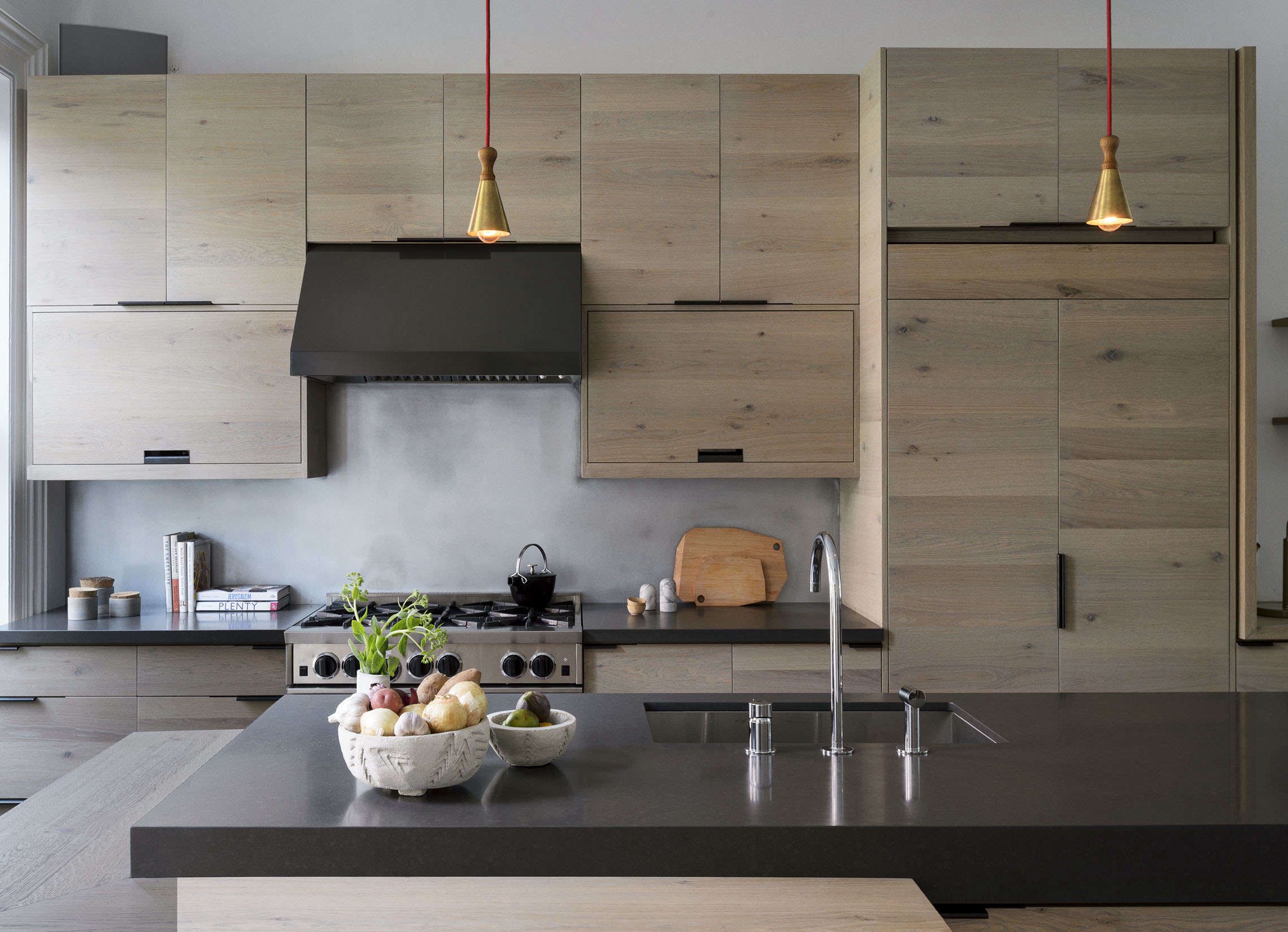
Building products used to be judged by a simple question: “Will this thing stay put?” Today, the bar is much higher. A better, smarter building product should help a home or commercial space use less energy, last longer, protect indoor air, reduce maintenance headaches, and maybe even tell you when something is going wrong before your ceiling develops an indoor waterfall. Progress, thankfully, is more than a prettier thermostat and a faucet with stage lighting.
The modern building industry is being reshaped by high-performance materials, connected controls, low-emission finishes, resilient roofing systems, water-saving fixtures, and products with clearer environmental data. In plain English, the best products are no longer just “stuff you install.” They are part of a larger building strategy. They support comfort, safety, durability, sustainability, and lower operating costs.
For homeowners, contractors, architects, facility managers, and developers, this shift matters. Choosing the right windows, insulation, air-sealing systems, ventilation equipment, smart controls, flooring, roofing, or plumbing fixtures can affect utility bills, indoor comfort, resale value, and even health. The trick is knowing which products are genuinely smarter and which ones are simply wearing a shiny marketing hat.
What Makes a Building Product “Better” Today?
A better building product solves more than one problem. A high-performance window, for example, does not merely fill a hole in the wall while letting you spy on squirrels. It can reduce heat loss, improve comfort near the glass, limit unwanted solar heat gain, reduce condensation risk, and contribute to quieter interiors. A smarter water heater does not just make showers possible; it may use heat pump technology to move heat efficiently instead of generating it the expensive old-fashioned way.
In modern construction, “better” usually means a product performs well across several categories: energy efficiency, durability, indoor air quality, resilience, ease of installation, maintenance, environmental transparency, and compatibility with other building systems. “Smarter” often means the product can respond to conditions, provide data, integrate with controls, or help owners make better decisions.
The key is balance. A product can be technologically impressive and still be wrong for the project. A smart thermostat is useful only if the HVAC system is designed properly. Low-VOC paint is helpful, but ventilation still matters. A highly insulated wall assembly can save energy, but if moisture is trapped inside it, congratulationsyou have built an expensive science experiment with mold as the guest lecturer.
The Building Envelope: The First Place to Get Smarter
The building envelope includes the walls, roof, foundation, windows, doors, skylights, air barriers, and insulation that separate indoors from outdoors. It is the jacket of the building. If the jacket leaks, no amount of fancy equipment can fully make up for it.
Better building products often start here because the envelope affects heating, cooling, comfort, and moisture control. High-performance insulation, continuous exterior insulation, advanced sheathing systems, self-adhered flashing, liquid-applied air barriers, insulated doors, and properly rated windows can dramatically improve how a building feels and performs.
High-Performance Windows and Doors
Windows, doors, and skylights are among the most noticeable building products because they affect daylight, views, comfort, and curb appeal. But they are also weak points if chosen poorly or installed carelessly. Better window products may include low-emissivity coatings, warm-edge spacers, insulated frames, double or triple glazing, and climate-appropriate solar heat gain ratings.
Smarter selection means matching the window to the climate and orientation. A window that performs beautifully in Minnesota may not be the best choice for a sun-blasted wall in Arizona. The same product can be hero or villain depending on where it is installed. Installation matters too. Even an excellent window can leak air and water if flashing is treated like decorative tape.
Air Sealing and Moisture Management
Air leaks are sneaky. They hide around rim joists, attic hatches, penetrations, recessed lights, window openings, ducts, and electrical boxes. Smarter air-sealing productssuch as tapes, gaskets, sealants, fluid-applied membranes, and integrated sheathing systemshelp create a tighter, more predictable building enclosure.
However, tighter buildings need better ventilation. That is not a contradiction; it is building science behaving like an adult. The goal is not to stop fresh air. The goal is to stop random, uncontrolled air leakage and replace it with designed ventilation that can be filtered, measured, and managed.
Indoor Air Quality: The Invisible Feature Buyers Notice Later
Indoor air quality has become a major driver of smarter building product choices. Paints, adhesives, sealants, composite wood, flooring, cabinetry, insulation, and finishes can emit volatile organic compounds, or VOCs. Some products may also contribute formaldehyde or other pollutants if they are not carefully specified.
Better products include low-emitting paints, certified flooring, formaldehyde-compliant composite wood, low-odor adhesives, and materials tested under recognized indoor environmental quality standards. These products do not replace ventilation, but they reduce the pollutant load the ventilation system has to manage.
Ventilation Products Are Building Products Too
Ventilation is sometimes treated like an afterthought, possibly because it hides in ducts and fans rather than posing elegantly on a showroom wall. But bath fans, kitchen exhaust, energy recovery ventilators, heat recovery ventilators, range hoods, filters, and fresh-air systems are essential performance products.
A smarter ventilation approach considers source control, filtration, humidity, outdoor air conditions, and occupant behavior. In a well-built home, a quiet, efficient bath fan that people actually use may do more good than a loud bargain fan that sounds like a lawn mower trapped in a shoebox.
Energy-Saving Products That Actually Pull Their Weight
Energy efficiency remains one of the clearest ways building products can become better and smarter. The strongest choices usually combine passive strategies, such as insulation and air sealing, with efficient mechanical systems and intelligent controls.
Smart Thermostats and Building Controls
A smart thermostat can learn schedules, support remote control, use geofencing, and help reduce heating and cooling waste. In larger buildings, advanced building automation systems can coordinate HVAC, lighting, shading, ventilation, occupancy sensors, and sometimes energy storage or solar power.
The smartest control is not the one with the flashiest app. It is the one occupants can understand and facility teams can maintain. If a building control system needs a wizard, three passwords, and a sacrificial printer cartridge to change the schedule, it is not smart. It is just complicated with Wi-Fi.
Heat Pump Water Heaters
Heat pump water heaters are one of the most practical examples of smarter building technology. Instead of making heat directly like a conventional electric resistance water heater, they move heat from surrounding air into the water. That can make them significantly more efficient than standard electric models.
They are not perfect for every location. They need adequate space, airflow, condensate management, and attention to noise. But in the right settingsuch as a garage, basement, utility room, or conditioned mechanical spacethey can reduce energy use while providing reliable hot water. Some models also include smart scheduling, leak alerts, and modes that help shift operation to lower-cost electricity periods.
Lighting, Sensors, and Daylight Controls
LED lighting is now standard in most quality projects, but smarter lighting goes further. Occupancy sensors, vacancy sensors, daylight dimming, tunable lighting, and networked controls can reduce waste and improve comfort. In offices, schools, hospitality, and multifamily spaces, lighting controls can also support safety and maintenance planning.
The best lighting products are not merely efficient; they are pleasant. A room can be low-energy and still feel like a dentist’s waiting room on a spaceship. Good product selection considers color rendering, glare, dimming quality, fixture placement, and the human beings who must live or work under the lights.
Smarter Materials: From Low Carbon to Long Life
Building products are increasingly evaluated not only by how they perform after installation, but also by how they are made. This is where environmental product declarations, low-embodied-carbon materials, recycled content, regional sourcing, and product transparency come into play.
Embodied carbon refers to greenhouse gas emissions associated with extracting, manufacturing, transporting, installing, maintaining, and sometimes disposing of materials. Concrete, steel, glass, asphalt, and insulation can have large impacts, so smarter procurement pays attention to product data rather than vague green claims.
Environmental Product Declarations
An environmental product declaration, often called an EPD, is like a nutrition label for a building product. It does not automatically mean the product is “good,” just as a nutrition label does not magically turn cookies into kale. It provides data so designers, owners, and contractors can compare options more intelligently.
EPDs are becoming especially important for concrete, steel, glass, asphalt, insulation, flooring, and other major materials. They support better procurement decisions and help project teams document sustainability goals with more confidence.
Durability Is Sustainability in Work Boots
A product that lasts longer often reduces waste, maintenance, replacement cost, and disruption. Durable cladding, corrosion-resistant fasteners, high-quality roofing membranes, fiber-cement siding, properly treated wood, rainscreen systems, and moisture-tolerant materials can all make a building smarter over its life span.
Durability is not glamorous, but neither is replacing rotten trim every few years. The smartest product is sometimes the one nobody notices because it quietly does its job for decades.
Resilient Building Products for a Rougher Climate
Better building products must also handle real-world hazards. Depending on location, that may include hurricanes, hail, wildfire, flooding, extreme heat, freezing temperatures, high winds, or heavy rainfall. Resilience is no longer a luxury category reserved for coastal mansions and emergency facilities. It is becoming part of responsible construction.
Roofing Systems That Fight Wind and Water
Roofs are one of the most important resilience upgrades. Stronger roof deck attachment, sealed roof decks, impact-rated shingles, wind-rated roofing systems, improved edge metal, better underlayment, and tested vents can help reduce storm damage. The roof is not just a lid; it is the first line of defense against water intrusion.
For high-wind regions, products and assemblies that meet above-code standards can provide extra protection. The smartest approach is not simply buying the thickest shingle in the aisle. It is selecting a complete tested system and installing it according to manufacturer instructions and local hazard requirements.
Flood-Damage-Resistant Materials
In flood-prone areas, smarter products include flood-damage-resistant insulation, cementitious materials, tile, closed-cell foam where appropriate, pressure-treated or naturally durable wood, corrosion-resistant connectors, and wall assemblies that can dry. Below expected flood levels, materials should be chosen for their ability to survive wetting, cleaning, and drying.
Carpet in a flood-risk basement is not a design choice; it is a sponge with ambition. Smarter product selection starts by admitting what water does and choosing materials accordingly.
Water-Smart Products: Saving More Than a Few Drops
Water efficiency is another pillar of better building products. Low-flow does not have to mean low performance. Certified toilets, showerheads, faucets, irrigation controllers, and leak detection systems can reduce water use while maintaining comfort and convenience.
Smart leak detectors and automatic shutoff valves are especially useful because water damage is often expensive, messy, and rude enough to happen while you are on vacation. These products can alert owners to leaks early or stop water flow before damage spreads.
Fixtures That Perform, Not Just Conserve
Old low-flow fixtures earned a mixed reputation because some sacrificed performance. Newer water-efficient products are generally better engineered. A good showerhead can save water without making the user feel like they are being misted by a shy garden hose. A well-designed toilet can use less water and still do the job in one flush, which is really the entire job description.
Smart Building Products Need Cybersecurity
Connected products introduce a new requirement: cybersecurity. Smart locks, cameras, thermostats, lighting systems, access controls, elevators, HVAC controls, leak sensors, and building automation platforms may improve performance, but they also create digital entry points.
A smarter product should support secure setup, software updates, strong authentication, network segmentation, and clear ownership of data. For commercial buildings, smart systems should be selected with IT and facilities teams at the same table. If the HVAC system can be accessed through an old default password, the building is not smart. It is politely holding the door open for trouble.
How to Choose Better Building Products Without Getting Lost
The product aisle can be overwhelming. Every label promises performance, comfort, sustainability, resilience, and possibly eternal happiness. A practical selection process helps separate strong products from strong marketing.
Start With the Building Goal
Before choosing products, define the goal. Is the project trying to reduce energy bills? Improve indoor air quality? Meet a green building rating system? Prepare for hurricanes? Lower embodied carbon? Reduce maintenance? Support aging in place? Different goals point to different products.
Look for Third-Party Verification
Independent certification is helpful because it reduces guesswork. ENERGY STAR, WaterSense, UL programs, product safety listings, low-emitting material certifications, EPDs, and code-recognized approvals can provide useful evidence. No label is a substitute for judgment, but verified information is better than a brochure written by someone who uses the word “revolutionary” too freely.
Consider the Assembly, Not Just the Product
A building product rarely performs alone. Windows need flashing. Insulation needs air sealing. Cladding needs drainage. Ventilation needs controls and ducts. Smart devices need secure networks. Roofing needs underlayment, fasteners, edges, and penetrations detailed correctly.
This is why experienced builders often say buildings are systems. One excellent product cannot rescue a poorly designed assembly. On the other hand, a coordinated set of good products installed correctly can outperform a random collection of premium items installed like a weekend dare.
Specific Examples of Better, Smarter Building Products
Here are practical product categories shaping modern construction and remodeling:
- Advanced air barriers: Tapes, membranes, sealants, and sheathing systems that reduce uncontrolled air leakage.
- High-performance windows: Climate-appropriate glazing and frames that improve comfort and reduce energy waste.
- Heat pump water heaters: Efficient systems that move heat rather than generating it directly.
- Energy recovery ventilators: Ventilation equipment that exchanges heat or energy between incoming and outgoing air.
- Low-emitting finishes: Paints, adhesives, sealants, flooring, and composite wood products designed to reduce indoor pollutants.
- Smart leak detection: Sensors and shutoff valves that help prevent water damage.
- Resilient roofing systems: Sealed roof decks, stronger fastening, impact-rated materials, and wind-tested assemblies.
- Water-efficient fixtures: Toilets, faucets, showerheads, and irrigation products that save water while maintaining performance.
- Low-embodied-carbon materials: Concrete, steel, asphalt, glass, and other products selected with environmental data.
- Connected building controls: Systems that coordinate HVAC, lighting, sensors, and energy use for better performance.
Common Mistakes to Avoid
The first mistake is buying products in isolation. A premium insulation product will not perform well if air leaks bypass it. A beautiful exterior cladding can fail if the wall has no drainage plane. A smart thermostat will not fix oversized HVAC equipment. Product choice and design must work together.
The second mistake is ignoring installation. Many building failures are not product failures; they are installation failures wearing a fake mustache. Even the best flashing tape, membrane, window, fan, or roofing system needs correct detailing.
The third mistake is chasing gadgets before basics. Before installing the most advanced smart-home dashboard, fix the envelope, ducts, ventilation, moisture management, and water leaks. A building should be smart in the same way a person is smart: fundamentals first, accessories later.
Field Notes: Real-World Experiences With Better, Smarter Building Products
In real projects, smarter building products often prove their value in quiet, unglamorous ways. A homeowner may not throw a party because the attic hatch is air sealed, but they may notice that the upstairs bedroom is no longer roasting in July and freezing in January. A facility manager may not write poetry about occupancy sensors, but they will appreciate fewer complaints, lower lighting waste, and better control over empty conference rooms that used to glow all night like tiny office aquariums.
One of the biggest lessons from high-performance construction is that comfort is cumulative. No single product creates it. Better windows reduce drafts near glass. Air sealing cuts hidden leaks. Insulation evens out surface temperatures. Balanced ventilation keeps fresh air moving. Smart controls reduce waste without demanding constant human attention. Together, these products make a room feel calmer, quieter, and more stable.
Another experience worth noting is that occupants care about outcomes, not specifications. Most people do not wake up thrilled about U-factors, solar heat gain coefficients, static pressure, vapor permeability, or MERV ratings. They care that the living room is comfortable, the bathroom mirror clears quickly, the nursery smells fresh, the floor is not cold, and the utility bill does not arrive dressed as a jump scare. Good product choices translate technical performance into everyday relief.
Contractors also learn quickly that better products can save time when they are designed with installation in mind. Pre-applied membranes, integrated flashing systems, labeled components, clear instructions, and compatible accessories reduce jobsite improvisation. That matters because improvisation is where many building problems begin. A product that installs consistently is smarter than one that looks impressive but requires every installer to become a philosopher of adhesives.
Smart products also reveal how important maintenance is. Leak sensors need batteries or power. Smart thermostats need software updates and user-friendly settings. Ventilation filters need replacement. Heat pump water heaters need space and airflow. Roofing systems need inspections after storms. The best products make maintenance visible and manageable rather than mysterious.
Finally, real-world experience shows that “better” does not always mean the most expensive option. It means the most appropriate option for the climate, budget, building type, risk, and owner. A modest, well-installed, well-documented product can outperform a luxury product installed poorly. Better building is not about buying the fanciest thing in the catalog. It is about making the building work as a system, then choosing products that support that system for years.
Conclusion: The Future Belongs to Products That Do More
Better, smarter building products are changing how homes and commercial spaces are designed, built, operated, and maintained. They help reduce energy waste, improve indoor air quality, manage water, strengthen resilience, support lower-carbon construction, and give owners more useful information. The best products are not simply advanced; they are practical, durable, verifiable, and well matched to the building.
The future of construction will not be won by gadgets alone. It will be won by products that work together: high-performance envelopes, efficient equipment, low-emitting materials, resilient assemblies, secure controls, and transparent environmental data. A smarter building product is one that makes the whole building better, not just the product brochure shinier.
Note: This article is original, written in standard American English, and based on synthesized information from reputable U.S. building science, energy-efficiency, indoor air quality, resilience, water-efficiency, and smart-building resources.