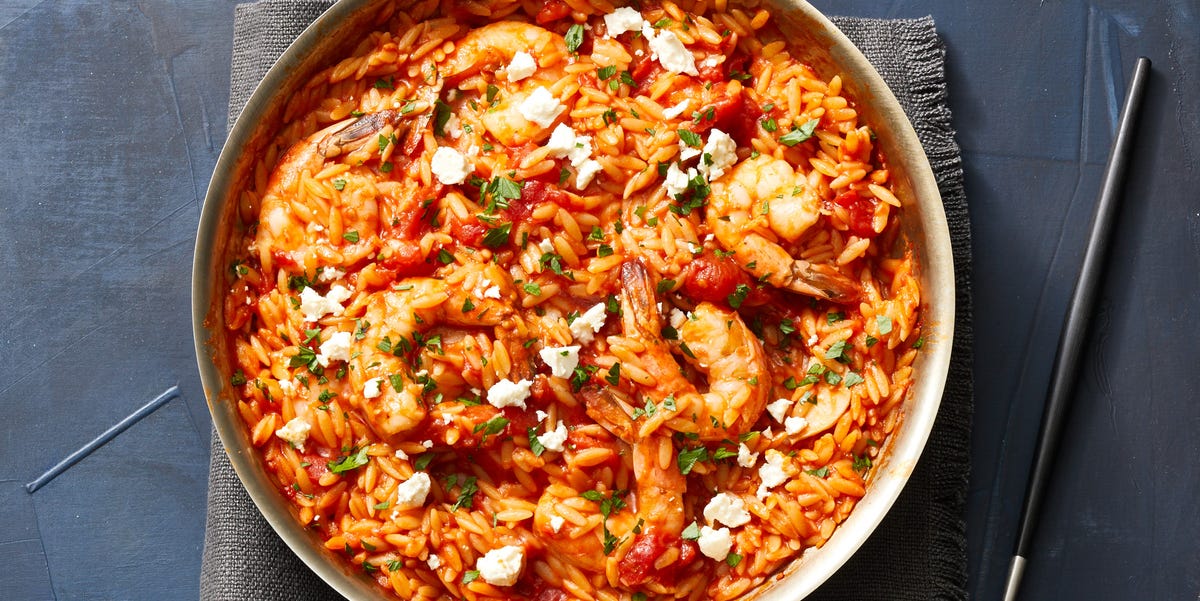
There are weeknight dinners, and then there are weeknight dinners that make you feel like you accidentally wandered into a breezy little seaside restaurant where someone else does the dishes. This skillet shrimp and orzo recipe belongs firmly in the second category. It is garlicky, lemony, buttery, lightly creamy, and cooked in one pan, which means dinner arrives fast and cleanup does not require a motivational speech.
The magic of this dish is simple: shrimp cooks quickly, orzo behaves like a tiny pasta-rice hybrid, and a skillet gives both ingredients enough room to become cozy without turning into mush. Instead of boiling the orzo separately, this recipe cooks it directly in broth, wine, garlic, and aromatics so every small piece absorbs flavor. The result tastes rich and restaurant-worthy, but the process is very doable on a Tuesday night when your energy level is somewhere between “functional adult” and “cereal for dinner.”
This guide shows you how to make skillet shrimp and orzo with practical steps, smart substitutions, and tested cooking tips. You will learn when to add the shrimp, how to keep the orzo creamy without drowning it, and why lemon should always get the final word.
Why This Is the Best Skillet Shrimp and Orzo Recipe
A great one-pan shrimp orzo dinner should hit three marks: quick cooking, big flavor, and a texture that feels comforting rather than heavy. This version does all three. The shrimp is seasoned and seared first, then removed so it stays tender. The orzo is toasted in the same skillet, which adds a nutty flavor and helps it hold its shape. Then broth is added gradually enough to create a creamy, risotto-like finish without asking you to stand over the stove whispering encouragement to your pasta.
Garlic, shallot, lemon zest, lemon juice, white wine, Parmesan, and fresh herbs create layers of flavor. The wine is optional, but it adds brightness and helps lift the browned bits from the bottom of the skillet. Those browned bits are tiny flavor coupons, and we do not waste coupons in this kitchen.
This dish is also flexible. Add spinach for color, cherry tomatoes for sweetness, peas for a springy feel, or a sprinkle of feta for a Mediterranean twist. Keep it buttery and classic, or make it spicy with red pepper flakes. Once you understand the technique, this shrimp and orzo skillet becomes less of a recipe and more of a delicious dinner formula.
Recipe Overview
- Prep time: 10 minutes
- Cook time: 20 minutes
- Total time: 30 minutes
- Servings: 4
- Best for: Weeknight dinners, casual entertaining, seafood lovers, and anyone who enjoys fewer dishes
Ingredients for Skillet Shrimp and Orzo
For the Shrimp
- 1 pound large shrimp, peeled and deveined
- 1 tablespoon olive oil
- 1/2 teaspoon kosher salt
- 1/2 teaspoon smoked paprika or Old Bay-style seasoning
- 1/4 teaspoon black pepper
- 1/4 teaspoon red pepper flakes, optional
For the Orzo
- 2 tablespoons unsalted butter, divided
- 1 tablespoon olive oil
- 1 small shallot, finely chopped
- 4 garlic cloves, minced
- 1 cup dry orzo pasta
- 1/2 cup dry white wine, optional
- 2 1/4 cups low-sodium chicken broth or vegetable broth
- 1 cup halved cherry tomatoes
- 2 cups baby spinach
- 1 teaspoon lemon zest
- 2 tablespoons fresh lemon juice
- 1/3 cup freshly grated Parmesan cheese
- 2 tablespoons chopped parsley, dill, or chives
- Salt and black pepper, to taste
How To Make Skillet Shrimp and Orzo
Step 1: Dry and Season the Shrimp
Pat the shrimp dry with paper towels. This is not a fussy chef step; it is the difference between shrimp that sears and shrimp that steams in its own little seafood puddle. Toss the shrimp with olive oil, salt, paprika, black pepper, and red pepper flakes if you like a gentle kick.
Step 2: Sear the Shrimp Quickly
Heat a large, deep skillet over medium-high heat. Add 1 tablespoon butter. When it melts and begins to foam, add the shrimp in a single layer. Cook for about 1 to 2 minutes per side, just until the shrimp turns pink and begins to curl. Transfer it to a plate. The shrimp will finish later, so do not cook it into tiny rubber commas.
Step 3: Build the Flavor Base
Reduce the heat to medium. Add the remaining tablespoon of butter and 1 tablespoon olive oil. Stir in the shallot and cook for 2 to 3 minutes, until softened. Add the garlic and cook for about 30 seconds, just until fragrant. Garlic burns fast, so keep an eye on it. Garlic is wonderful; scorched garlic is a villain origin story.
Step 4: Toast the Orzo
Add the dry orzo to the skillet and stir for 1 to 2 minutes. Toasting the orzo gives it a subtle nuttiness and helps it stay pleasantly firm as it simmers. This small move makes the final dish taste deeper and more polished.
Step 5: Deglaze and Simmer
Pour in the white wine, if using, and scrape the bottom of the skillet with a wooden spoon. Let the wine reduce for about 1 minute. Add the broth and cherry tomatoes, then bring everything to a gentle simmer. Cook for 9 to 11 minutes, stirring often, until the orzo is tender and most of the liquid has been absorbed.
If the skillet looks dry before the orzo is done, add another splash of broth or water. Orzo can be a little dramatic near the finish line, so give it liquid as needed.
Step 6: Add Shrimp, Spinach, Lemon, and Cheese
Return the shrimp and any plate juices to the skillet. Add the spinach and stir until wilted. Cook for 1 to 2 minutes, just until the shrimp is fully cooked through. Stir in lemon zest, lemon juice, Parmesan cheese, and fresh herbs. Taste and adjust with salt, pepper, or more lemon juice.
Step 7: Serve Immediately
Spoon the lemon garlic shrimp and orzo into shallow bowls. Finish with extra Parmesan, herbs, and a light drizzle of olive oil if desired. Serve while creamy and warm, ideally with crusty bread for swiping the skillet clean. That is not optional behavior; that is good manners.
Important Tips for Perfect Shrimp and Orzo
Use Large Shrimp
Large shrimp are easier to sear and less likely to overcook than very small shrimp. Look for peeled and deveined shrimp to save time. Fresh shrimp works beautifully, but frozen shrimp is often convenient and reliable. Thaw it overnight in the refrigerator or quickly under cold running water, then dry it well.
Do Not Overcook the Shrimp
Shrimp cooks fast. It should turn opaque and pink, with a gentle C-shape. If it curls tightly into an O, it has probably gone too far. For food safety, shrimp should be cooked until firm and opaque, with an internal temperature of 145°F if you are checking with a thermometer.
Toast the Orzo Before Adding Liquid
Toasting adds flavor and improves texture. Since orzo is small, it can become soft quickly. A quick toast in butter and olive oil gives it a better chance of staying tender but not mushy.
Stir Often, But Not Constantly
Unlike risotto, this dish does not need constant stirring. Stir every minute or so to prevent sticking and help the orzo release starch. That starch is what gives the skillet its creamy texture without needing heavy cream.
Finish With Lemon at the End
Lemon juice tastes brightest when added near the end of cooking. Lemon zest can go in with the final ingredients too, giving the dish a fresh aroma that balances the butter and Parmesan.
Flavor Variations
Mediterranean Shrimp and Orzo
Add crumbled feta, chopped olives, oregano, and a handful of fresh dill. Swap the Parmesan for feta or use both if your heart says yes. Cherry tomatoes are especially good in this version.
Creamy Shrimp Orzo
For a richer skillet, stir in 1/4 cup heavy cream or half-and-half at the end. Keep the heat low after adding dairy so the sauce stays smooth.
Spicy Shrimp and Orzo
Double the red pepper flakes or add a pinch of cayenne. A spoonful of Calabrian chili paste also works beautifully if you like heat with a little fruity depth.
Vegetable-Packed Shrimp Orzo
Add asparagus, zucchini, peas, mushrooms, or bell peppers. Firmer vegetables should be sautéed before the orzo simmers; quick-cooking vegetables like spinach and peas can go in near the end.
What To Serve With Skillet Shrimp and Orzo
This easy shrimp orzo recipe is filling enough to stand alone, but a few simple sides can turn it into a complete meal. A crisp green salad with vinaigrette cuts through the richness. Roasted asparagus or broccolini adds color and crunch. Garlic bread is always welcome, especially if you believe sauce should never be left behind.
For drinks, a chilled Sauvignon Blanc, Pinot Grigio, or sparkling water with lemon pairs nicely. If you skip the wine in the recipe, use extra broth and add a small splash of white wine vinegar or more lemon juice for brightness.
Storage and Reheating
Skillet shrimp and orzo tastes best right after cooking because shrimp is most tender when freshly prepared. Still, leftovers can be stored in an airtight container in the refrigerator for up to 2 days. Reheat gently in a skillet over low heat with a splash of broth or water to loosen the orzo.
Avoid microwaving for too long, as shrimp can become tough. Use short bursts and stir between each one. Freezing is not recommended because cooked shrimp and creamy orzo can lose their best texture after thawing.
Common Mistakes To Avoid
Adding Raw Shrimp Too Early
If shrimp simmers with the orzo for the full cooking time, it will overcook. Sear it first, remove it, and return it at the end. This keeps the shrimp juicy and the orzo perfectly cooked.
Using Too Much Liquid at Once
Orzo needs enough broth to soften, but too much liquid can make the dish soupy. Start with the amount listed, then add a little more only if needed.
Forgetting To Season in Layers
Season the shrimp, season the orzo, and taste again at the end. Layered seasoning keeps the dish balanced. Parmesan adds saltiness, lemon adds brightness, and herbs add freshness.
Skipping the Fresh Herbs
Fresh parsley, dill, or chives wake up the whole skillet. Without herbs, the dish is still good, but with herbs, it tastes finished. Think of them as the tiny green confetti that says, “Congratulations, you made dinner.”
Frequently Asked Questions
Can I make skillet shrimp and orzo without wine?
Yes. Replace the wine with extra broth. For a little acidity, add an extra squeeze of lemon juice at the end or a teaspoon of white wine vinegar.
Can I use cooked shrimp?
You can, but add it only during the last minute or two of cooking. Cooked shrimp only needs to warm through. If it stays in the skillet too long, it can become tough.
Can I make this recipe dairy-free?
Yes. Use olive oil instead of butter and skip the Parmesan. To add savory depth, finish with extra herbs, lemon zest, and a drizzle of good olive oil.
Is orzo rice or pasta?
Orzo looks like rice, but it is pasta. Its small shape makes it perfect for skillet meals because it cooks quickly and absorbs flavor from broth, aromatics, and sauce.
Can I double the recipe?
Yes, but use a very large skillet or Dutch oven. Crowding the pan can make the orzo cook unevenly and the shrimp steam instead of sear.
Kitchen Experience: What Makes This Recipe Work in Real Life
The best thing about skillet shrimp and orzo is that it feels generous without demanding much from the cook. In real home kitchens, the biggest challenge is timing. Shrimp cooks so quickly that it can go from tender to bouncy while you are still searching for the lemon. That is why this recipe treats shrimp like the special guest it is: it arrives early, makes a good impression, leaves the skillet, and returns only when the party is almost over.
Another useful experience is learning how orzo behaves. At first, it may look like there is too much broth in the skillet. Then, suddenly, the orzo begins absorbing liquid faster than expected. This is normal. Stirring occasionally helps the pasta cook evenly and releases starch into the sauce. Near the end, the mixture should look creamy and loose, not dry. If it thickens too much while you are setting the table, add a splash of broth and stir. Orzo is forgiving, but it appreciates attention.
A wide skillet makes the process easier. A cramped pan traps steam, which can make shrimp less flavorful and orzo more likely to stick. A 12-inch skillet with higher sides is ideal because it gives the shrimp room to sear and gives the orzo enough space to simmer. If your skillet is smaller, cook the shrimp in batches. It may feel like one extra step, but it prevents the sad gray seafood situation no one wants to discuss at dinner.
Seasoning is another place where small choices matter. Paprika or seafood seasoning gives shrimp color and warmth. Garlic and shallot create the base. Lemon juice at the end keeps everything lively. The Parmesan adds body, but it should not dominate. This is not mac and cheese wearing a shrimp hat. It is a balanced seafood pasta skillet where each ingredient has a job.
For family dinners, this recipe is friendly because it can be adjusted at the table. People who like spice can add chili flakes. Lemon lovers can squeeze on more juice. Someone who wants extra greens can stir in more spinach. If serving guests, garnish with herbs and lemon wedges right before bringing the skillet to the table. It looks fresh, smells fantastic, and gives the impression that you have your life together, at least for the next 30 minutes.
Leftovers also teach a useful lesson: orzo keeps absorbing sauce as it sits. When reheating, do not simply blast it in the microwave and hope for the best. Add broth or water, warm it gently, and stir until creamy again. The shrimp will never be quite as perfect as it was fresh from the skillet, but gentle reheating keeps it enjoyable. This dish is best on day one, good on day two, and probably gone before day three.
Most importantly, this recipe gives you confidence. Once you master the method, you can change the flavors based on the season or what is hiding in the fridge. Add peas in spring, tomatoes in summer, mushrooms in fall, or a little cream in winter. The skillet does not judge. It simply brings shrimp, orzo, garlic, lemon, and butter together in a way that makes dinner feel easy, bright, and a little bit special.
Final Thoughts
The best skillet shrimp and orzo recipe is not complicated. It is built on smart timing, simple ingredients, and one very useful pan. Sear the shrimp quickly, toast the orzo, simmer it in flavorful broth, and finish with lemon, Parmesan, herbs, and just enough butter to make everyone at the table suspiciously quiet for the first few bites.
This dish is fast enough for weeknights but impressive enough for guests. It has the comfort of pasta, the freshness of seafood, and the convenience of a one-pan meal. Make it once, and it may become one of those recipes you keep in your back pocket for busy nights, casual dinners, and moments when you want something delicious without turning the kitchen into a disaster zone.
Note: This article is written for web publication and synthesizes practical cooking guidance from reputable U.S. recipe, seafood safety, and nutrition resources into an original, publication-ready recipe article.