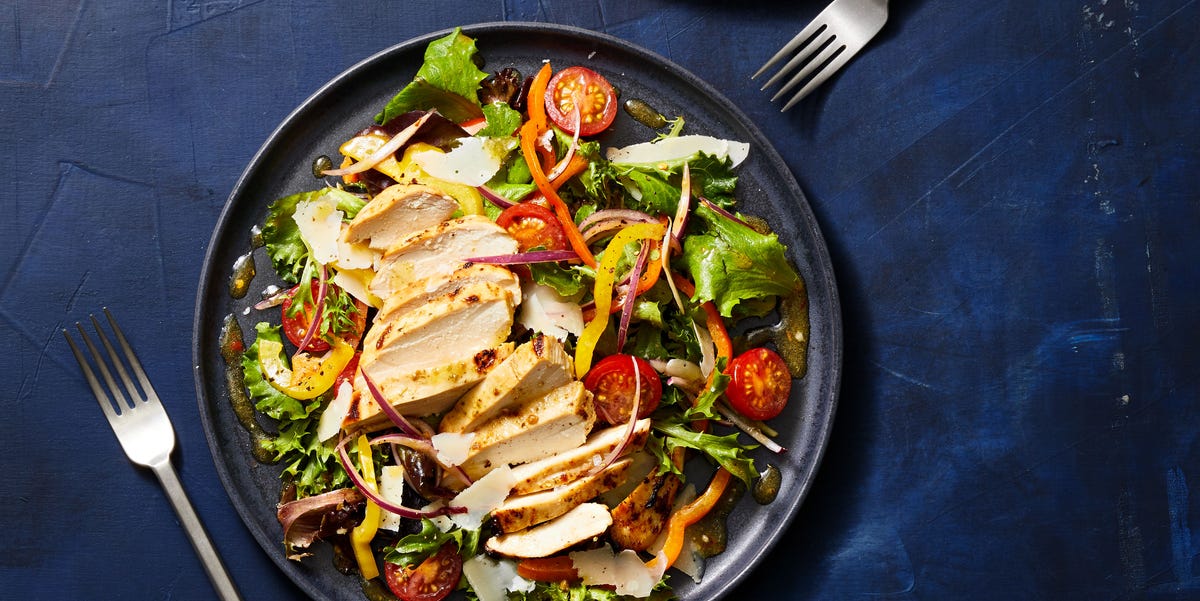
If chicken breasts have ever betrayed you by turning into sad little protein erasers, this Italian-marinated chicken recipe is here to restore peace at the dinner table. It is juicy, garlicky, herby, a little tangy, and wildly usefulthe kind of recipe that can become grilled chicken sandwiches on Monday, salad toppers on Tuesday, and “I meant to meal prep” refrigerator snacks by Wednesday.
The beauty of the best Italian-marinated chicken recipe is that it does not require culinary gymnastics. No complicated sauce reduction. No ingredient you have to explain to your family. Just olive oil, vinegar or lemon juice, garlic, Italian herbs, a touch of sweetness, enough salt, and good cooking technique. That combination turns plain chicken into a weeknight hero with weekend energy.
This guide explains how to make Italian-marinated chicken for the grill, oven, stovetop, or air fryer. You will also learn how long to marinate chicken, which cuts work best, what to serve with it, and how to avoid the two great chicken crimes: blandness and dryness.
Why This Italian-Marinated Chicken Works
A great chicken marinade is basically a flavorful balancing act. It needs fat, acid, salt, aromatics, and herbs. Think of it like a tiny dinner party in a bowl: olive oil keeps everyone smooth, vinegar brings the sparkle, garlic talks loudly, oregano tells stories, and salt makes sure nobody is boring.
For this recipe, extra-virgin olive oil carries the flavor and helps the chicken brown. Red wine vinegar and lemon juice add brightness. Garlic, oregano, basil, parsley, black pepper, and crushed red pepper flakes create that classic Italian-inspired flavor. A small spoonful of honey or brown sugar rounds out the acidity and encourages caramelization when the chicken hits heat.
The result is a versatile marinated chicken recipe that tastes fresh but comforting. It is bold enough for grilled chicken platters and simple enough for a Wednesday night when everyone is hungry and the dishwasher is already full.
Ingredients For Italian-Marinated Chicken
For The Chicken
- 2 pounds boneless, skinless chicken breasts or thighs
- 1 teaspoon kosher salt, plus more to taste
- 1/2 teaspoon freshly ground black pepper
For The Italian Marinade
- 1/2 cup extra-virgin olive oil
- 1/4 cup red wine vinegar
- 2 tablespoons fresh lemon juice
- 4 garlic cloves, finely minced or grated
- 1 tablespoon Dijon mustard
- 1 tablespoon honey or light brown sugar
- 2 teaspoons dried oregano
- 1 teaspoon dried basil
- 1 teaspoon dried parsley
- 1/2 teaspoon onion powder
- 1/2 teaspoon crushed red pepper flakes, optional
- 1 teaspoon kosher salt
- 1/2 teaspoon black pepper
- 2 tablespoons chopped fresh parsley or basil, for serving
- Lemon wedges, for serving
Best Chicken Cuts To Use
Boneless, skinless chicken breasts are the most popular option because they cook quickly and slice beautifully for salads, sandwiches, wraps, grain bowls, and pasta. The trick is to pound them to an even thickness before marinating. This helps them cook evenly, so the thinner end does not become dry before the thicker end is safe to eat.
Boneless chicken thighs are even more forgiving. They have a little more fat, which means more flavor and less panic. If you are grilling for a crowd, thighs are excellent because they stay juicy even if someone gets distracted arguing about whether pasta salad counts as salad.
Bone-in chicken can also work, but it needs more time to cook. If using bone-in thighs, drumsticks, or split chicken breasts, keep the marinade the same and increase the cooking time. Always use a meat thermometer and cook chicken to an internal temperature of 165°F.
How To Make Italian-Marinated Chicken
Step 1: Prepare The Chicken
Pat the chicken dry with paper towels. If using chicken breasts, place them between two sheets of parchment paper or plastic wrap and gently pound to an even thickness, about 1/2 to 3/4 inch. This is not the moment to release every frustration from traffic. Gentle taps are enough.
Step 2: Mix The Marinade
In a medium bowl, whisk together olive oil, red wine vinegar, lemon juice, garlic, Dijon mustard, honey, oregano, basil, parsley, onion powder, crushed red pepper flakes, salt, and black pepper. The mustard helps emulsify the marinade, making it cling to the chicken instead of sliding off like it has somewhere better to be.
Step 3: Marinate The Chicken
Place the chicken in a resealable bag or shallow glass container. Pour the marinade over the chicken and turn to coat. Seal or cover, then refrigerate for at least 30 minutes and up to 2 hours for boneless chicken. If using thighs, you can marinate a little longer, but avoid letting chicken sit in a highly acidic marinade overnight because the texture can turn soft or mushy.
Step 4: Remove And Rest Briefly
Take the chicken out of the refrigerator about 15 minutes before cooking. Remove it from the marinade and let the excess drip off. For better browning, lightly pat the surface with paper towels. Discard the used marinade unless you boil it thoroughly to use as a sauce.
Step 5: Cook Until Juicy And Safe
Cook the chicken using your preferred method: grill, oven, skillet, or air fryer. The exact time depends on thickness and cut, but the goal is the same every time: golden outside, juicy inside, and 165°F in the thickest part.
Grilling Instructions
Preheat the grill to medium-high heat and lightly oil the grates. Grill chicken breasts for 5 to 7 minutes per side, depending on thickness. Chicken thighs may need 6 to 8 minutes per side. Avoid flipping every 10 seconds like you are nervous. Let the chicken make solid contact with the grates so it develops those beautiful grill marks and smoky edges.
Once the chicken reaches 165°F, transfer it to a plate and rest for 5 minutes before slicing. Resting gives the juices time to settle, which is a fancy way of saying your cutting board will not steal all the flavor.
Oven-Baked Italian-Marinated Chicken
Preheat the oven to 425°F. Arrange the marinated chicken in a lightly greased baking dish or on a parchment-lined sheet pan. Bake boneless chicken breasts for 18 to 23 minutes, or until the internal temperature reaches 165°F. Chicken thighs may take 22 to 28 minutes.
For extra color, broil the chicken for 1 to 2 minutes at the end. Watch closely because broilers are dramatic and can go from “beautifully browned” to “insurance claim” in under a minute.
Stovetop Instructions
Heat a large skillet over medium-high heat. Add a small drizzle of olive oil. Cook the chicken for 5 to 7 minutes per side, lowering the heat if the marinade browns too quickly. If using thicker chicken breasts, cover the skillet for the final few minutes to help the center cook through without burning the outside.
This method is perfect when you want Italian-marinated chicken but the weather is not cooperating. Rain, snow, mosquitoes the size of helicoptersyour skillet does not care.
Air Fryer Instructions
Preheat the air fryer to 375°F. Arrange chicken in a single layer, leaving space between pieces. Cook chicken breasts for 10 to 14 minutes, flipping halfway through. Chicken thighs may need 12 to 16 minutes. Check the internal temperature and rest before slicing.
The air fryer gives you a nicely browned exterior with minimal effort. It is a great choice for meal prep, small households, or nights when turning on the oven feels like a personal attack.
How Long Should You Marinate Chicken?
For boneless Italian-marinated chicken, 30 minutes to 2 hours is the sweet spot. That gives the salt, garlic, herbs, and acid enough time to season the surface and add flavor without damaging the texture.
If you are using chicken thighs, you can often stretch the marinating time to 4 hours because thighs are more forgiving. Bone-in pieces can handle a longer marinating window, but for this particular vinegar-and-lemon marinade, overnight is not necessary. More time does not always mean better chicken. Sometimes it just means chicken with commitment issues and a weird texture.
Italian Marinade Variations
Spicy Italian-Marinated Chicken
Add 1 teaspoon crushed red pepper flakes and 1/2 teaspoon smoked paprika. This gives the chicken gentle heat and a little smoky depth, especially good for grilling.
Creamy Italian-Marinated Chicken
Whisk 2 tablespoons plain Greek yogurt into the marinade. Yogurt helps the marinade cling to the chicken and creates a slightly richer texture. This version is especially good for chicken breasts.
Parmesan Herb Chicken
After cooking, sprinkle the hot chicken with finely grated Parmesan and chopped parsley. Do not add Parmesan directly to the marinade if grilling, because cheese can burn quickly over high heat.
Italian Dressing Shortcut
In a hurry? Use a good-quality bottled Italian dressing as the base. Add extra garlic, lemon juice, black pepper, and fresh herbs to make it taste homemade. This is the “I have 12 minutes and people are circling the kitchen” version.
What To Serve With Italian-Marinated Chicken
This chicken plays nicely with almost everything. Serve it with roasted potatoes, grilled zucchini, Caesar salad, pasta salad, garlic bread, or a simple tomato-cucumber salad. For a lighter dinner, slice it over greens with mozzarella, cherry tomatoes, olives, and a drizzle of balsamic glaze.
For a heartier meal, tuck the sliced chicken into toasted ciabatta with provolone, arugula, and roasted red peppers. You can also chop leftovers and toss them into pasta with pesto, sun-dried tomatoes, and spinach. Suddenly, leftovers become dinner with a passport.
Storage And Meal Prep Tips
Store cooked Italian-marinated chicken in an airtight container in the refrigerator for up to 4 days. Slice it only after resting, and if meal prepping, consider keeping some pieces whole so they stay juicier when reheated.
To reheat, warm gently in a covered skillet with a splash of water or chicken broth. You can also microwave it at reduced power in short intervals. Avoid blasting it into rubber territory. Chicken has feelings, or at least it behaves like it does.
You can freeze cooked chicken for up to 2 months. For best results, wrap portions tightly and thaw overnight in the refrigerator. Raw chicken can also be frozen in the marinade; the marinating process pauses while frozen and resumes as the chicken thaws.
Common Mistakes To Avoid
Using Too Much Acid
Vinegar and lemon juice are wonderful, but too much can make chicken unpleasantly soft. Keep the oil-to-acid ratio balanced and avoid marinating boneless chicken all day in a sharp marinade.
Skipping The Salt
Herbs are lovely, but salt is what makes the flavor pop. Without enough salt, your Italian chicken may smell amazing but taste shy.
Cooking Straight From A Wet Marinade
If the chicken is dripping wet, it may steam instead of sear. Let excess marinade drip off and pat lightly before cooking, especially for skillet and grill methods.
Guessing Doneness
Color is not enough. Use an instant-read thermometer and cook chicken to 165°F. It is the simplest way to protect both juiciness and dinner guests.
Best Italian-Marinated Chicken Recipe
Recipe Summary
- Prep time: 10 minutes
- Marinating time: 30 minutes to 2 hours
- Cook time: 12 to 25 minutes, depending on method
- Total time: About 1 hour
- Servings: 4 to 6
- Best for: Grilling, baking, meal prep, salads, sandwiches, and family dinners
Instructions
- Pat chicken dry. Pound chicken breasts to even thickness if needed.
- In a bowl, whisk together olive oil, red wine vinegar, lemon juice, garlic, Dijon mustard, honey, oregano, basil, parsley, onion powder, red pepper flakes, salt, and black pepper.
- Add chicken to a resealable bag or shallow container. Pour marinade over the chicken and coat evenly.
- Refrigerate for at least 30 minutes and up to 2 hours.
- Remove chicken from marinade and let excess drip off. Discard used marinade.
- Grill, bake, pan-sear, or air fry until the chicken reaches 165°F in the thickest part.
- Rest for 5 minutes, then slice and serve with fresh herbs and lemon wedges.
Experience Notes: What I Learned Making Italian-Marinated Chicken Again And Again
The first time I made Italian-marinated chicken, I treated the marinade like a magic potion. I poured in vinegar with the confidence of a person who had not yet learned consequences, added enough dried herbs to landscape a small garden, and left the chicken in the refrigerator overnight. The next day, it smelled fantastic. Unfortunately, the texture had gone from “tender” to “why is this chicken wearing a sweater?” That was the beginning of my personal marinade education.
The biggest lesson is that Italian-marinated chicken does not need an entire day to become flavorful. In fact, it is better when the timing is modest. Thirty minutes gives you a noticeable boost. One to two hours gives you juicy, well-seasoned chicken with bright, herby flavor. After that, especially with boneless breasts, the lemon juice and vinegar can start to change the texture in a way that is not exactly dinner-party material.
I also learned that pounding chicken breasts evenly is not optional if you want consistent results. Before I started doing this, one end of the chicken would be dry while the other end was still making me nervous. Once the pieces were the same thickness, cooking became easier and calmer. The chicken browned better, sliced better, and stopped behaving like a riddle.
Another useful discovery: fresh garlic matters. Garlic powder has its place, and that place is usually “I am tired and still deserve dinner.” But fresh grated garlic gives the marinade a sharper, fuller flavor that tastes more homemade. The same goes for finishing with fresh parsley or basil. Dried herbs are excellent in the marinade because they hydrate and bloom, but fresh herbs at the end make the whole dish feel brighter.
For grilling, I prefer chicken thighs when feeding a group. They are flavorful, forgiving, and less likely to dry out while people are finding plates, fixing drinks, or asking whether the salad has onions. For slicing over salads or pasta, I usually choose chicken breasts because they look neat and absorb the Italian marinade beautifully.
The most reliable serving move is simple: grilled Italian-marinated chicken, roasted potatoes, a crisp green salad, and lemon wedges. It feels complete without being fussy. Leftovers are even better the next day in wraps with lettuce, tomato, provolone, and a little mayo mixed with pesto. That sandwich alone is reason enough to cook extra chicken on purpose.
My final experience-based tip is to respect the resting time. It is tempting to slice immediately, especially when the kitchen smells like garlic, herbs, and victory. But five quiet minutes make a real difference. Rested chicken holds onto its juices, slices cleanly, and tastes like you knew exactly what you were doing all along.
Conclusion
The best Italian-marinated chicken recipe is not about complicated ingredients. It is about balance: olive oil for richness, vinegar and lemon for brightness, garlic for backbone, herbs for personality, salt for flavor, and careful cooking for juicy results. Whether you grill it outdoors, bake it on a sheet pan, sear it in a skillet, or toss it in the air fryer, this recipe gives you tender, flavorful chicken that fits almost any meal.
Make it once and you will understand why Italian-marinated chicken is such a reliable family favorite. Make it twice and you will start planning leftovers before dinner even hits the table. That is not greed. That is strategy.
Note: This article synthesizes practical cooking methods, common U.S. recipe guidance, and standard poultry safety recommendations. Source links are intentionally not included so the HTML remains clean for publication.