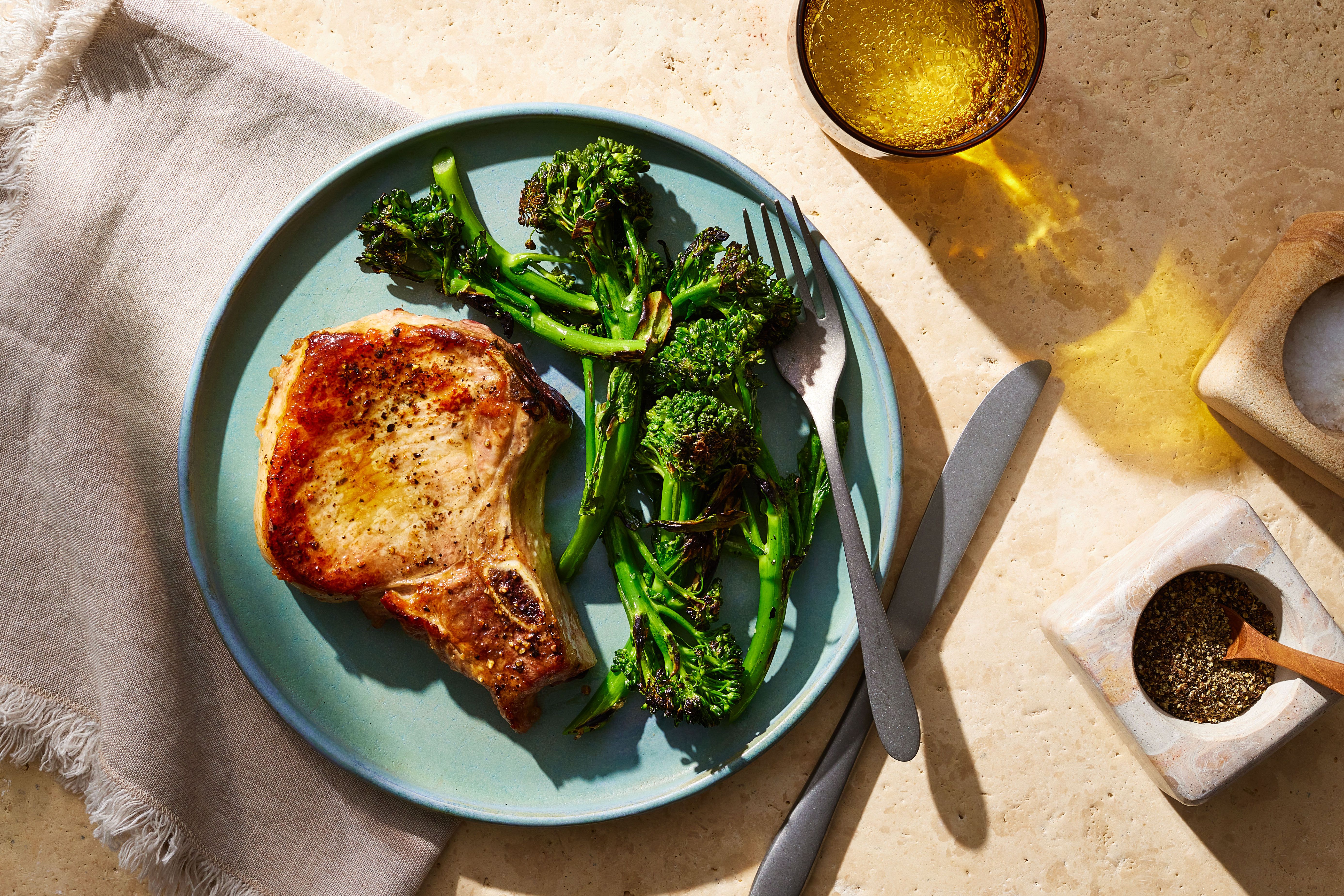
If pork chops had a public relations team, their slogan would probably be: “Please stop overcooking us.” For years, baked pork chops carried an unfair reputation for being dry, tough, and about as exciting as a Tuesday afternoon spreadsheet. But the truth is simple: when you choose the right cut, season it well, bake it hot, and pull it from the oven at the right temperature, pork chops become juicy, savory, and weeknight-dinner heroic.
This best baked pork chops recipe is built for real kitchens, real schedules, and real appetites. You do not need a culinary degree, a restaurant oven, or a pantry full of mystery spices with labels peeling off. You need good pork chops, a bold seasoning rub, a little oil, a hot oven, and a meat thermometer. That last one is not optional unless you enjoy guessing games with dinner.
The result is a pan of tender baked pork chops with golden edges, a flavorful crust, and a juicy center. Serve them with mashed potatoes, roasted vegetables, rice, salad, applesauce, or whatever side dish is currently trying to escape your fridge. This recipe is simple enough for busy weeknights but tasty enough to serve when guests come over and you want them to think you casually “just threw something together.”
Why This Is the Best Baked Pork Chops Recipe
The secret to juicy oven baked pork chops is not complicated. It comes down to four things: thickness, seasoning, high heat, and temperature control. Thin pork chops cook quickly, which sounds convenient until they turn dry before the table is even set. Thicker pork chops, especially chops around 1 inch thick, give you more room to build flavor while keeping the center moist.
This recipe uses a sweet-savory spice rub made with brown sugar, smoked paprika, garlic powder, onion powder, salt, pepper, and herbs. The brown sugar helps the surface caramelize, while the paprika brings color and a gentle smoky flavor. Garlic and onion powder give the pork chops that classic “why does the kitchen smell so good?” aroma.
Baking at a higher temperature also matters. A hot oven helps the exterior cook quickly while the inside stays tender. Low-and-slow baking can work for some cuts of meat, but lean pork chops prefer a shorter bake. Think of them as guests who want to make a memorable appearance, not move in for the weekend.
Ingredients for Juicy Baked Pork Chops
This recipe makes 4 servings.
Main Ingredients
- 4 pork chops, about 1 inch thick, bone-in or boneless
- 2 tablespoons olive oil
- 1 tablespoon brown sugar
- 1 teaspoon smoked paprika
- 1 teaspoon garlic powder
- 1 teaspoon onion powder
- 1 teaspoon kosher salt
- 1/2 teaspoon black pepper
- 1/2 teaspoon dried thyme
- 1/4 teaspoon cayenne pepper, optional
- 1 tablespoon butter, optional for finishing
- Fresh parsley, optional for garnish
Optional Quick Brine
- 4 cups cold water
- 1/4 cup kosher salt
- 2 tablespoons brown sugar
- 2 garlic cloves, smashed
- 1 bay leaf, optional
A quick brine is optional, but it can make the pork chops extra juicy, especially if you are using lean boneless chops. Brining helps the meat hold onto moisture during baking. If you are short on time, do not panic. The seasoning rub still delivers excellent flavor.
Choosing the Right Pork Chops
For the best baked pork chops, choose chops that are at least 1 inch thick. Bone-in pork chops often stay juicier because the bone slows down cooking slightly and adds flavor. Boneless pork chops are convenient and easy to slice, but they can dry out faster, so check their temperature early.
Look for pork chops with a light pink color and a small amount of marbling. Avoid chops that look gray or watery. A thin fat cap around the edge is a good thing because it adds flavor and helps prevent dryness. You can trim excess fat after baking if you prefer, but do not remove every bit before cooking. Fat is flavor’s tiny assistant.
How to Make the Best Baked Pork Chops
Step 1: Brine the Pork Chops, If Using
In a large bowl, stir together cold water, kosher salt, brown sugar, garlic, and bay leaf until dissolved. Add the pork chops, cover, and refrigerate for 30 minutes to 2 hours. After brining, remove the chops and pat them very dry with paper towels. Do not skip drying them. Wet pork chops steam instead of browning, and steamed pork chops are not the dream.
Step 2: Preheat the Oven
Preheat the oven to 400°F. Line a rimmed baking sheet with foil or parchment paper for easier cleanup, then lightly grease it. You can also use a baking dish, but a sheet pan gives the pork chops more room and helps the edges brown better.
Step 3: Make the Seasoning Rub
In a small bowl, mix brown sugar, smoked paprika, garlic powder, onion powder, salt, black pepper, dried thyme, and cayenne if using. This blend gives the pork chops a balanced flavor: savory, lightly sweet, smoky, and just a little warm.
Step 4: Season the Pork Chops
Brush both sides of the pork chops with olive oil. Sprinkle the seasoning rub evenly over both sides, pressing it gently so it sticks. Let the seasoned chops rest at room temperature for about 10 minutes while the oven finishes heating. This short rest helps the seasoning settle and reduces the chill from the refrigerator.
Step 5: Bake Until Juicy and Tender
Arrange the pork chops in a single layer on the prepared pan. Bake for 14 to 20 minutes, depending on thickness and whether the chops are bone-in or boneless. Start checking the internal temperature around the 12-minute mark. The goal is 145°F in the thickest part of the chop, followed by a 3-minute rest.
Step 6: Rest Before Serving
Remove the pork chops from the oven and loosely tent them with foil. Let them rest for at least 3 minutes before slicing. Resting allows the juices to redistribute, which means they end up on your plate instead of running all over the cutting board like a tiny pork waterfall.
Baked Pork Chop Time Chart
| Pork Chop Type | Thickness | Oven Temperature | Estimated Bake Time |
|---|---|---|---|
| Boneless pork chops | 3/4 inch | 400°F | 10 to 14 minutes |
| Boneless pork chops | 1 inch | 400°F | 14 to 18 minutes |
| Bone-in pork chops | 1 inch | 400°F | 16 to 22 minutes |
| Thick-cut pork chops | 1 1/2 inches | 400°F | 22 to 28 minutes |
These times are estimates. Your oven, pan, and pork chop thickness can all change the timing. A meat thermometer is the most reliable way to know when the chops are done.
Recipe Card: Best Baked Pork Chops
Prep Time
10 minutes, plus optional brining time
Cook Time
14 to 22 minutes
Total Time
About 30 minutes without brining
Servings
4 servings
Instructions
- Preheat oven to 400°F and prepare a rimmed baking sheet.
- Pat pork chops dry with paper towels.
- Mix brown sugar, paprika, garlic powder, onion powder, salt, pepper, thyme, and cayenne in a small bowl.
- Brush pork chops with olive oil on both sides.
- Rub seasoning mixture evenly over the pork chops.
- Place chops on the baking sheet in a single layer.
- Bake until the internal temperature reaches 145°F.
- Rest for at least 3 minutes before serving.
- Top with a small pat of butter and fresh parsley, if desired.
Pro Tips for Tender Oven Baked Pork Chops
Do Not Overbake
The fastest way to ruin pork chops is to bake them “just a few more minutes” for emotional comfort. Pork chops are lean, so extra time can dry them out quickly. Pull them at 145°F and let the rest do its job.
Use a Hot Oven
A 400°F oven gives the pork chops a better texture than a low oven. It helps the outside develop color while the inside stays juicy.
Pat the Meat Dry
Drying the pork chops before adding oil and seasoning helps the rub stick and encourages browning. Moisture on the surface creates steam, and steam is the enemy of a flavorful crust.
Let the Pork Rest
Resting is not a fancy chef trick. It is a simple step that keeps pork chops juicy. Cutting too soon lets the juices escape, and once they are gone, they are not coming back with an apology note.
Flavor Variations
Honey Mustard Baked Pork Chops
Mix 2 tablespoons Dijon mustard with 1 tablespoon honey and brush it over the pork chops during the last 5 minutes of baking. This creates a glossy, tangy-sweet finish that pairs beautifully with roasted carrots or green beans.
Garlic Herb Pork Chops
Skip the brown sugar and use garlic powder, onion powder, dried rosemary, thyme, salt, pepper, and a squeeze of lemon after baking. This version tastes bright, savory, and classic.
Parmesan Crusted Pork Chops
Combine grated Parmesan with breadcrumbs and Italian seasoning. After brushing the chops with oil, press the crumb mixture onto the top. Bake until the coating is golden and the pork reaches 145°F.
Spicy Cajun Pork Chops
Replace the seasoning blend with Cajun seasoning, smoked paprika, garlic powder, and a pinch of brown sugar. Serve with rice, corn, or a crunchy slaw.
What to Serve With Baked Pork Chops
Baked pork chops are flexible enough to work with comfort-food sides or lighter vegetable dishes. For a cozy dinner, serve them with mashed potatoes, gravy, mac and cheese, cornbread, or roasted sweet potatoes. For a fresher plate, try a crisp green salad, steamed broccoli, roasted asparagus, sautéed cabbage, or apple slaw.
Apples are a classic pairing with pork because their sweetness balances the savory flavor of the meat. Applesauce works, but roasted apple wedges with a little cinnamon and butter are even better. If you want a complete sheet pan dinner, add small potatoes, carrots, or Brussels sprouts to the pan. Just make sure the vegetables are cut small enough to cook in the same amount of time as the pork chops.
How to Store and Reheat Leftovers
Store leftover baked pork chops in an airtight container in the refrigerator for up to 3 to 4 days. To reheat, place them in a covered baking dish with a splash of broth or water and warm at 300°F until heated through. You can also slice the pork and warm it gently in a skillet.
Avoid blasting leftover pork chops in the microwave for too long. Short bursts work better. Cover the pork with a damp paper towel and heat in 30-second intervals. The goal is warm and tender, not rubbery and regretful.
Common Mistakes to Avoid
Using Pork Chops That Are Too Thin
Thin pork chops can still taste good, but they need careful timing. If your chops are very thin, reduce the baking time and start checking early.
Skipping the Thermometer
Color is not a reliable way to judge doneness. Some pork may remain slightly pink at a safe temperature. A thermometer gives you confidence and better results.
Overcrowding the Pan
Give the pork chops space. If they are packed together, they release moisture and steam instead of browning. Use two pans if needed.
Cutting Immediately After Baking
Let the pork rest before serving. This small pause makes a big difference in texture and juiciness.
Frequently Asked Questions
Should I bake pork chops covered or uncovered?
For this recipe, bake them uncovered. Uncovered baking helps the seasoning form a flavorful crust. If your pork chops are very thick and browning too quickly, you can loosely tent them with foil near the end.
What temperature should baked pork chops reach?
Baked pork chops should reach an internal temperature of 145°F in the thickest part, followed by a 3-minute rest.
Can I use boneless pork chops?
Yes. Boneless pork chops work well, but they usually cook faster than bone-in chops. Start checking their temperature early to prevent dryness.
Do I have to brine pork chops?
No, but brining is helpful. A short brine adds moisture and seasoning throughout the meat. If you skip it, make sure to season generously and avoid overbaking.
Can I make this recipe ahead of time?
You can mix the seasoning rub ahead of time and season the pork chops a few hours before baking. Keep them covered in the refrigerator, then let them sit at room temperature for about 15 minutes before baking.
Experience Notes: What I Learned Making the Best Baked Pork Chops
The biggest lesson I learned from making baked pork chops is that pork is not difficult; it is just honest. It tells you immediately whether you treated it right. If you overcook it, it becomes dry. If you season it timidly, it tastes timid. If you pull it at the right temperature and let it rest, it rewards you with a juicy center and a savory crust that makes everyone at the table suddenly very interested in seconds.
One practical experience that changed my results was switching from thin pork chops to thicker ones. For a long time, I bought whatever pork chops were on sale, usually thin boneless chops. They cooked fast, but they also dried out fast. Once I started choosing chops closer to 1 inch thick, the recipe became much more forgiving. The outside had time to develop flavor, and the inside stayed tender. Bone-in chops were especially reliable, though boneless chops worked beautifully when I watched the temperature closely.
Another helpful discovery was the power of a simple spice rub. You do not need twenty ingredients. Brown sugar, smoked paprika, garlic powder, onion powder, salt, pepper, and thyme are enough to make pork chops taste like you planned dinner before 5:47 p.m. The brown sugar adds just enough sweetness to balance the savory spices, and smoked paprika gives the chops a deeper color. It is the kind of seasoning blend that makes the kitchen smell like dinner is under control, even if the sink says otherwise.
I also learned that resting the pork chops is not optional. The first time I sliced into a pork chop straight from the oven, all the juices ran out onto the cutting board. It looked dramatic, but dinner should not need a rescue team. Giving the chops just a few minutes to rest made them noticeably juicier. That tiny pause is the perfect time to finish a salad, warm the rolls, or pretend you intentionally timed everything perfectly.
For weeknight cooking, I like pairing these baked pork chops with roasted potatoes and green beans because everything feels hearty without becoming complicated. For a slightly fancier meal, I serve them with mashed sweet potatoes and sautéed apples. The sweet apples and savory pork work together like they have been best friends since elementary school. Leftovers are also useful. Sliced baked pork chops make excellent sandwiches, rice bowls, quick wraps, or protein for a next-day salad.
My final experience-based advice is simple: trust the thermometer more than the clock. Recipes can give timing ranges, but pork chops vary in thickness, ovens vary in accuracy, and pans behave differently. The thermometer removes the guesswork. Once you get comfortable cooking pork chops to temperature instead of time alone, baked pork chops become one of the easiest and most dependable dinners you can make.
Conclusion
The best baked pork chops recipe is not about complicated techniques or fancy ingredients. It is about choosing thick pork chops, seasoning them boldly, baking them in a hot oven, and removing them when they reach the perfect internal temperature. With a simple spice rub and a short rest, pork chops become juicy, flavorful, and satisfying enough for both weeknight dinners and special family meals.
Whether you use bone-in or boneless chops, this recipe gives you a dependable method that can be customized with herbs, honey mustard, Parmesan crumbs, or spicy seasoning. Keep the thermometer nearby, let the meat rest, and enjoy pork chops that finally live up to their delicious potential.
Note: This article is prepared as web-ready HTML body content and follows current safe-cooking guidance for pork chops.