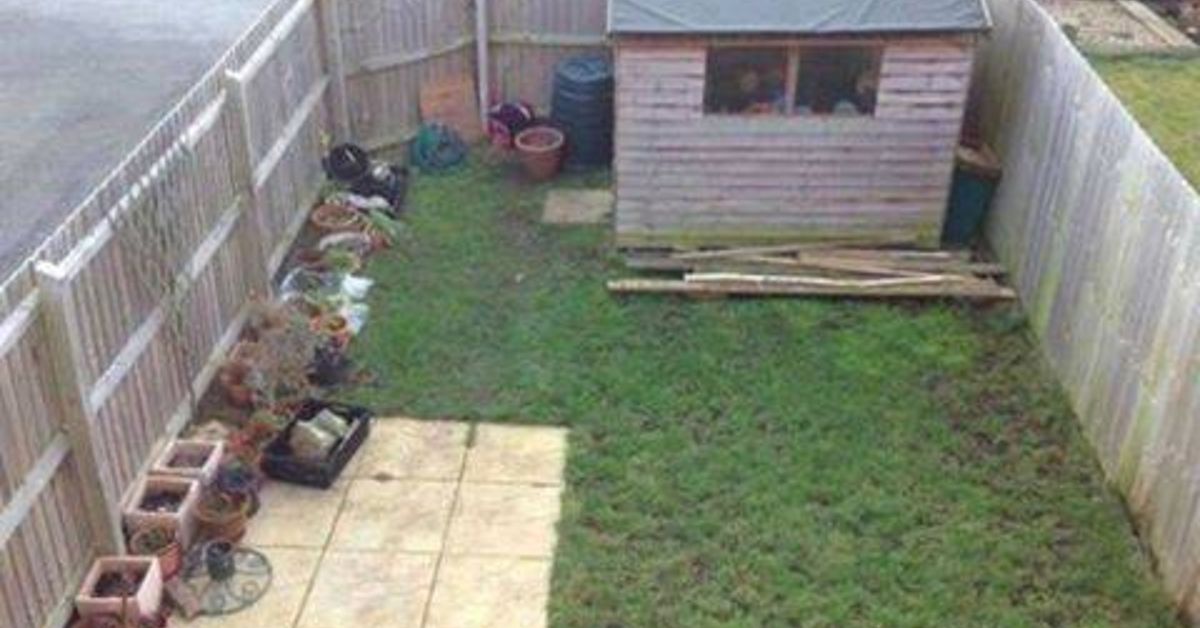
A small garden can look innocent at first. A few tired pots, a patch of struggling grass, one mysterious corner where leaves go to retire forevernothing dramatic, right? Then one weekend you decide to “tidy it up,” and suddenly you are measuring sunlight, comparing mulch, talking to lavender, and wondering whether a three-foot trellis could change your entire personality.
That is the magic of a before and after small garden transformation. It proves that a compact outdoor space does not need to be large to feel lush, useful, and wildly charming. A balcony, side yard, townhouse patio, narrow front strip, or tiny backyard can become a peaceful retreat, a pollinator stop, a mini vegetable patch, or a stylish outdoor room. The trick is not having more space. The trick is using the space with intention.
This guide walks through how to plan, design, plant, and maintain a small garden makeover that actually works in real lifenot just in photos where every chair is mysteriously free of pollen. We will cover layout, soil, containers, vertical gardening, plant choices, budget ideas, and practical before-and-after examples that can help turn “meh” into “may I please have coffee out here every morning?”
Why Small Garden Makeovers Are So Satisfying
Small gardens offer one huge advantage: every improvement is visible. Add a clean path, and the whole space feels more organized. Replace patchy turf with gravel and raised beds, and suddenly the garden has structure. Install a trellis, and a blank wall becomes a living backdrop. In a large yard, upgrades can disappear like socks in a dryer. In a small garden, even one smart change can deliver a dramatic before and after.
Another benefit is control. Smaller spaces are easier to water, weed, plant, decorate, and maintain. You can experiment without turning your weekends into a landscaping marathon. A compact garden also encourages creativity. When square footage is limited, the best designs go upward, layer textures, combine beauty with function, and make every pot, bench, and stepping stone earn its keep.
The “Before” Stage: What Usually Goes Wrong
Most small gardens do not start out terrible. They start out undecided. A random chair here, a lonely plant there, three bags of soil waiting for motivation to arrive. The space may have potential, but it lacks a clear purpose.
Common Small Garden Problems
The most common “before” issues include poor layout, too many tiny pots, not enough vertical interest, weak soil, awkward traffic flow, and plants that do not match the light conditions. Some small gardens also suffer from what might be called “garden clutter syndrome,” where every cute item at the garden center came home and now none of them are speaking to each other.
Other spaces feel flat because all plants are the same height. A row of short flowers may be pretty, but without taller plants, containers, trellises, or shrubs, the garden can look more like a plant lineup than a finished design. Shade, drainage, and watering access are also major factors. Before buying anything, observe the space like a detective with pruning shears.
Start With a Simple Garden Makeover Plan
A strong before and after small garden project begins with a plan, not a shopping cart. First, decide what the garden needs to do. Is it for relaxing, growing herbs, entertaining, supporting pollinators, hiding a fence, improving curb appeal, or giving your dog a nicer place to judge squirrels?
Once the purpose is clear, sketch the space. It does not need to be artistic. A rectangle with labels is enough. Mark doors, windows, water access, sunny areas, shady areas, problem corners, existing plants, and anything that must stay. Then divide the garden into zones: seating, planting, storage, pathway, and focal point.
Ask These Questions Before You Start
How many hours of sunlight does the space get? Where does rainwater collect? Is the soil compacted or poor? Do you need privacy? Will children or pets use the area? Do you want low maintenance or are you willing to fuss over plants like they are tiny green celebrities?
Answering these questions prevents expensive mistakes. A sun-loving vegetable bed will not thrive in deep shade. A delicate fern may not appreciate baking beside a brick wall. A large outdoor sofa may look dreamy online but swallow the entire patio in person. In small garden design, scale matters.
Before and After Small Garden Ideas That Work
The best transformations usually combine structure, planting, and a clear focal point. You do not need to redo everything at once. In fact, many beautiful small garden makeovers happen in layers.
1. From Bare Patio to Green Outdoor Room
Before: a plain concrete patio with a few scattered pots and no personality. After: a cozy outdoor room with container plants, a slim bench, string lights, and a vertical planter against the wall.
Containers are perfect for small gardens because they allow flexible planting even when soil is poor or nonexistent. Use a mix of pot sizes rather than many tiny containers. Larger pots hold moisture better, create visual weight, and make the garden look more intentional. Group containers in odd numbers and vary plant heights for a lush, layered effect.
2. From Patchy Grass to Raised Bed Garden
Before: a small lawn that never looks happy no matter how politely you ask. After: raised beds filled with herbs, vegetables, flowers, or compact shrubs.
Raised beds are excellent for small spaces because they organize planting areas and can improve drainage. They also create strong lines, which instantly make a garden look designed. Place raised beds where plants can receive appropriate light and where watering is convenient. If the goal is edible gardening, leave enough room to reach the beds without stepping on the soil.
3. From Blank Fence to Vertical Garden
Before: a bare fence staring at you with all the warmth of a waiting room wall. After: climbing vines, trellised vegetables, hanging baskets, or wall-mounted planters.
Vertical gardening is one of the smartest moves in a small garden makeover. Trellises, arbors, obelisks, and wall planters use height instead of floor space. Climbing plants can soften hard surfaces, add privacy, and create a feeling of enclosure. For edible gardens, peas, pole beans, cucumbers, and some compact tomatoes can work beautifully with sturdy support.
4. From Dark Corner to Shade Garden
Before: a forgotten shady corner where enthusiasm goes to nap. After: a cool, calming nook with hostas, ferns, heuchera, astilbe, or other shade-loving plants suited to the region.
Shade does not mean defeat. It simply means choosing plants that enjoy lower light. Add pale flowers, variegated foliage, light-colored gravel, or a small mirror-style garden accent to brighten the area. In a tiny garden, a well-designed shade corner can feel peaceful and surprisingly luxurious.
5. From Water-Hungry Lawn to Low-Maintenance Planting
Before: a small lawn that needs mowing, watering, and emotional support. After: drought-tolerant plants, mulch, stepping stones, and grouped plantings with similar water needs.
Water-wise landscaping is especially useful for small gardens because efficient design can reduce waste and maintenance. Mulch helps conserve moisture, limit weeds, and moderate soil temperature. Drip irrigation or careful hand watering can target plant roots instead of spraying sidewalks, fences, and the occasional surprised visitor.
Design Principles for a Better Small Garden
A successful before and after small garden is not only about adding plants. It is about creating order, rhythm, and comfort.
Use One Main Focal Point
Small spaces can become chaotic when too many things compete for attention. Choose one focal point: a beautiful container, a small tree, a bench, a birdbath, a sculpture, a painted gate, or a statement trellis. Let the rest of the design support that feature.
Repeat Colors and Materials
Repeating colors makes a small garden feel calm and connected. For example, use terracotta pots, warm gravel, and peach-toned flowers. Or choose black planters, white blooms, and deep green foliage for a crisp modern look. Repetition is the difference between “collected charm” and “yard sale with roots.”
Create Layers
Think in three levels: low groundcovers or edging plants, medium perennials or shrubs, and taller vertical elements. Layering creates depth and makes the garden feel larger than it is. A narrow bed can look generous when it includes plants of different heights and textures.
Keep Pathways Clear
Even a tiny garden needs movement. A path does not have to be wide or formal, but it should guide people comfortably through the space. Stepping stones, gravel, brick, or pavers can add structure and reduce muddy areas. Curved paths can make a small garden feel more relaxed, while straight lines often look clean and modern.
Choosing Plants for a Small Garden Makeover
The best plants for a small garden are hardworking. They offer more than one season of interest, fit the scale of the space, and match the site conditions.
Go for Compact Varieties
Look for dwarf shrubs, compact perennials, patio vegetables, columnar trees, and plants labeled suitable for containers. A small garden is not the place for a plant that wants to become a suburban legend. Always check mature height and width before planting.
Mix Flowers, Foliage, and Evergreens
Flowers are wonderful, but foliage carries the garden when blooms fade. Combine leaf shapes, colors, and textures. Add evergreen structure where climate allows so the garden does not disappear visually in winter. Ornamental grasses, herbs, compact shrubs, and long-blooming perennials can all help maintain interest.
Consider Native Plants and Pollinators
Native plants can support local wildlife and often fit naturally into regional conditions when planted in the right place. Even a small garden can include pollinator-friendly flowers for bees, butterflies, and hummingbirds. A container of native blooms or a narrow pollinator strip can make a tiny space feel alive.
Budget-Friendly Before and After Small Garden Tips
A garden makeover does not need to empty your wallet and then ask for lunch money. Start with cleanup. Remove weeds, broken pots, dead plants, and items that no longer serve the space. Prune overgrown shrubs. Edge beds. Wash paving. These simple steps can produce an immediate “after” effect before you buy a single plant.
Next, invest in structure. A few quality containers, a trellis, mulch, compost, or a small seating area can do more than dozens of random plants. Reuse materials when safe and attractive. Old bricks can edge a bed. A weathered stool can become a plant stand. A plain fence can be painted or dressed with climbing plants.
Buy smaller plants when possible. They are cheaper, adapt well, and grow quickly in the right conditions. Swap cuttings with neighbors, divide perennials, start herbs from seed, and choose plants that return year after year. The goal is not to make the garden look expensive. The goal is to make it look loved, organized, and alive.
A Practical Small Garden Makeover Timeline
Weekend One: Clear and Observe
Clean the space, remove clutter, pull weeds, prune lightly, and track sun exposure. Take “before” photos from several angles. These photos are useful for planning and deeply satisfying later when you need proof that you are, in fact, a garden wizard.
Weekend Two: Build Structure
Add beds, containers, edging, trellises, paths, or seating. Improve soil with compost where appropriate. Fix drainage issues before planting. In a small garden, structure is the skeleton. Without it, plants can look messy even when healthy.
Weekend Three: Plant and Mulch
Place plants before digging. Arrange them by height, spacing, color, and water needs. Once planted, water deeply and add mulch around plants, keeping it away from stems and trunks. Mulch gives the garden a finished look while helping the soil stay cooler and more evenly moist.
Weekend Four and Beyond: Edit and Maintain
Live with the garden. Move containers. Replace plants that sulk. Add supports. Deadhead flowers. Adjust watering. The best gardens are not frozen in one perfect moment; they evolve. A small garden is easy to tweak, and that flexibility is part of its charm.
Before and After Small Garden Experience: What the Transformation Really Feels Like
The most surprising part of a small garden makeover is how quickly the space begins to change your habits. Before the transformation, the garden may be something you pass through without looking. It is the place where unused pots gather, where the hose tangles itself into modern art, and where one stubborn weed seems to have a gym membership. After the makeover, the same space starts pulling you outside.
One of the most useful experiences is learning that restraint matters. At the beginning, it is tempting to buy every beautiful plant in sight. Garden centers are dangerous places for optimistic people. A purple salvia here, a tomato plant there, a fern because it looked emotionally supportivesuddenly the tiny garden has no plan. The better approach is to choose a limited palette and repeat it. Three matching containers often look better than nine unrelated pots. A few strong plants can create more impact than a crowd of confused ones.
Another lesson is that soil improvement is not glamorous, but it is the quiet hero of the whole project. In many small gardens, especially urban patios and narrow side yards, the existing soil may be compacted, dry, or low in organic matter. Adding compost, refreshing container mix, and making sure water drains properly can determine whether the “after” photo lasts longer than a week. Plants are not furniture. You cannot simply place them somewhere and expect them to behave. They need the right foundation.
Watering also becomes more personal in a small garden. You begin to notice which containers dry out first, which corner stays damp, and which plant performs a dramatic fainting routine every afternoon. Grouping plants by water needs makes maintenance much easier. Mulch helps, too. It gives the garden that polished, finished look while quietly doing practical work in the background, like the dependable friend who brings snacks and a spreadsheet.
The emotional payoff is real. A small garden after makeover does not have to look like a magazine cover to feel successful. Maybe it is a cleaner patio with herbs by the kitchen door. Maybe it is a shady bench surrounded by ferns. Maybe it is a front entry with neat edging, cheerful flowers, and enough curb appeal to make delivery drivers pause respectfully. The transformation works because it turns unused space into lived space.
The best experience is watching the garden mature. Week one may look tidy. Month two begins to look lush. By the next season, plants settle in, pollinators visit, and the design feels less like a project and more like a place. That is the real before and after: not just messy to beautiful, but ignored to enjoyed.
Conclusion
A before and after small garden makeover proves that limited space can still deliver big personality. With a smart plan, layered planting, better soil, vertical elements, containers, mulch, and a clear purpose, even the tiniest outdoor area can become a relaxing retreat, productive mini garden, or welcoming entryway. The key is to design for real life. Choose plants that match the light, use materials that fit the scale, and build a garden you can maintain without needing a rescue team.
Small gardens reward thoughtful decisions. They invite creativity, encourage editing, and make every improvement count. Whether you start with a bare patio, patchy grass, a narrow side yard, or a balcony that currently holds one brave chair, the after can be beautiful, practical, and deeply satisfying. All it takes is a plan, a little patience, and the willingness to believe that even a tiny garden can have main-character energy.