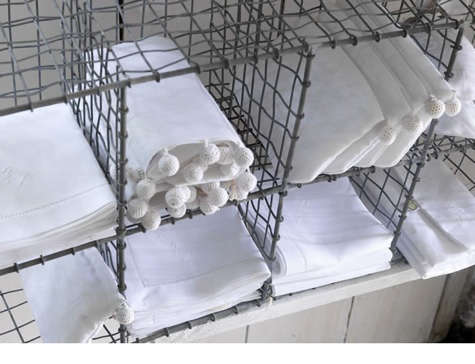
Some bathroom upgrades require a contractor, a permit, and the emotional stamina to discuss grout for three weeks. Others require one beautiful towehe second category: small, useful textiles capable of making an ordinary sink look as though it belongs in a relaxed English country house.
The original towels that inspired this design conversation were produced by the British interiors company Cabbages & Roses. They combined Belgian linen and cotton with embroidery and playful pom-pom edging. Documented versions appeared in soft beige and warm red, offering a charming alternative to anonymous white terry cloth. Those specific products have since been discontinued, but their decorating lessons remain remarkably useful.
They demonstrate how a guest hand towel can provide texture, color, hospitality, and personality without overwhelming a room. In other words, it is the bathroom equivalent of wearing excellent shoes with a simple outfit.
Why Cabbage & Roses Guest Towels Still Feel Special
The appeal begins with contrast. Bathrooms are naturally full of hard surfaces: porcelain, tile, glass, stone, chrome, and mirrors that reveal exactly how tired you are before coffee. A linen-cotton guest towel introduces softness and movement into that rigid environment.
The Cabbage & Roses approach was decorative without becoming precious. The fabric had a relaxed natural texture, while the embroidered details and pom-pom trim added a gentle sense of humor. These were not stiff display towels that appeared ready to report anyone who touched them. They looked attractive, but they were still meant to be used.
A Blend of British Romance and Practical Design
Cabbages & Roses is associated with faded florals, stripes, natural fabrics, and rooms that feel collected rather than aggressively coordinated. Its interiors often combine old furniture, botanical patterns, painted surfaces, and textiles that appear softened by time.
That visual language translates naturally into a bathroom. A small guest towel can suggest English cottage style without requiring floral wallpaper, an antique claw-foot tub, or a cottage in England. The effect is subtle: a little rustic, a little romantic, and comfortably imperfect.
Details That Reward a Closer Look
The historic towels were memorable because the decoration was concentrated around the edges. Embroidery created a handcrafted appearance, while the pom-pom trim gave the fabric dimension. Instead of relying on a loud all-over pattern, the towels used modest embellishment to make a plain surface more interesting.
This is particularly effective in small bathrooms. A heavily patterned towel may compete with wallpaper, tile, artwork, or a decorative mirror. A mostly solid towel with a distinctive border adds character while allowing the rest of the room to breathe.
Why Linen and Cotton Work Well Together
A beautiful guest towel must perform at least one important trick: it must dry hands. Decorative value is lovely, but a towel that merely pushes water from one finger to another is just fabric with an inflated résumé.
Cotton and linen offer different strengths. Cotton is valued for softness and absorbency, especially when woven into terry loops that increase the amount of surface area available to capture moisture. Linen is generally lighter, strong, breathable, and quicker to dry. Combining the two can create a towel that feels comfortable while retaining the crisp, textural character associated with linen.
Absorbency Without Excessive Bulk
Plush cotton towels can absorb a great deal of water, but thick towels also take longer to dry. That is not always ideal in a powder room where several people may use the same towel during an evening.
A linen-cotton hand towel provides a slimmer alternative. It will not necessarily feel like a dense resort towel, but it can dry efficiently and hang neatly without forming a damp, bulky lump beside the sink. Its lighter profile is especially useful in compact bathrooms with limited ventilation.
Texture That Improves With Use
Natural linen often begins with a slightly crisp hand and becomes softer through repeated washing. Cotton contributes immediate familiarity, helping a blended towel feel less formal than pure decorative linen.
Minor wrinkles and irregularities are part of the appeal. A linen-rich guest towel does not need to look ironed within an inch of its life. Its relaxed surface complements cottage interiors, vintage bathrooms, farmhouse vanities, and casual homes where perfection would feel suspicious.
How to Style Guest Towels in a Bathroom
Guest towels occupy very little physical space, yet they sit in one of the most visible parts of the room. Placed near the sink, they naturally attract attention. This makes them an efficient decorating tool for anyone who wants a noticeable update without changing fixtures or painting walls.
Pair Beige Towels With Warm Natural Materials
A beige linen-cotton towel works beautifully with aged brass, unlacquered metal, oak, walnut, limestone, terracotta, and woven baskets. The combination produces a warm, quiet bathroom that feels comfortable rather than sterile.
To prevent beige from becoming visually sleepy, vary the textures. Place the towel beside a glossy ceramic soap dish, a ribbed glass dispenser, or a small vase with leafy stems. The contrast between smooth, rough, shiny, and woven surfaces creates depth even when the palette remains neutral.
Use Red as a Small but Confident Accent
A red-edged guest towel can bring energy to an otherwise subdued bathroom. It pairs naturally with cream walls, black-and-white tile, dark wood, brass hardware, or muted floral wallpaper.
The key is repetition in small doses. Echo the red with a framed print, a striped soap box, a tiny flower arrangement, or one line in the wallpaper. Avoid adding a red bath mat, red shower curtain, red wastebasket, and red toilet brush unless your design goal is “tomato festival.”
Let Decorative Towels Act Like Bathroom Artwork
Patterned and embroidered hand towels function much like throw pillows in a living room. They introduce color and personality at a relatively low cost and can be changed seasonally.
Floral or embellished guest towels are especially useful in rentals, where permanent design changes may be restricted. A distinctive towel, attractive soap dispenser, framed print, and small tray can establish an entire visual direction without drilling into a single tile.
Choosing the Right Guest-Towel Size and Weight
Not every small towel serves the same purpose. A fingertip towel is usually smaller and more decorative, while a standard hand towel offers more drying area. For an actively used powder room, a regular hand towel is generally the most practical choice. Fingertip towels work well for short visits, formal dinners, or layered displays.
Towel density is commonly expressed as GSM, meaning grams per square meter. Higher-GSM towels tend to be thicker and plusher, while lower-GSM towels are lighter and quicker to dry. Many hospitality-oriented cotton towels fall in the middle range, balancing comfort with manageable laundering.
A woven linen-cotton towel should not be judged by terry-towel standards. Its luxury comes from fiber quality, weave, finishing, and detail rather than maximum fluffiness. Buyers seeking a Cabbage & Roses-inspired look should focus on natural texture, reinforced hems, attractive edging, and a fabric that feels pleasant after washing.
Creating a Welcoming Guest Bathroom
A lovely towel cannot rescue an empty soap dispenser or a bathroom containing half a sheet of toilet paper. Successful guest-bathroom design combines appearance with quiet preparation.
Make the Towel Easy to Find and Use
Position the towel within comfortable reach of the sink. A ring, short bar, peg, or open tray works better than an elaborate display guests are afraid to disturb. If the towel looks like it took 45 minutes to fold, visitors may dry their hands on their pants out of politeness.
For multiple guests, provide several clean towels in a basket or neatly folded stack. Used towels can be placed in a separate washable container. This arrangement prevents one increasingly damp towel from serving an entire dinner party.
Coordinate Without Creating a Matching Set
Rooms usually feel more interesting when elements coordinate rather than match exactly. A floral guest towel does not require floral soap, floral wallpaper, floral curtains, and a bouquet large enough to conceal the faucet.
Instead, select one or two shared characteristics. A raspberry-colored border might relate to a stripe in the wallpaper. A natural linen background might complement a woven wastebasket. Embroidery can echo the handcrafted quality of a painted mirror or vintage cabinet.
Support the Towel With Thoughtful Essentials
Complete the sink area with liquid or bar soap, a clean soap dish, and an uncluttered surface. Add extra toilet paper where guests can see it without conducting an archaeological expedition through the vanity.
A small tray can organize hand lotion, room spray, or wrapped personal-care items. Fresh greenery or a modest vase of flowers adds life, but avoid arrangements that shed pollen directly into the sink. Hospitality should be beautiful, not biologically aggressive.
How to Care for Linen-Cotton Guest Towels
Always begin with the manufacturer’s care label. Embroidery, pom-poms, decorative stitching, and dyed borders may require gentler treatment than plain cotton terry.
Wash new towels before their first use. Manufacturing and retail finishes can reduce initial absorbency, and washing helps the fibers begin performing properly. Separate pale towels from strong colors, especially during the first few wash cycles.
Use Moderate Detergent
Too much detergent can accumulate in the fibers, leaving towels stiff or less absorbent. Use an appropriate amount for the load size and water conditions, then choose an extra rinse if residue remains noticeable.
Avoid Heavy Fabric-Softener Buildup
Liquid softeners and some dryer products may coat fibers, making towels feel smooth while reducing their ability to absorb water. For functional guest towels, clean fibers are more valuable than artificially slippery ones.
Dry Thoroughly but Gently
Hang the towel fully open after use instead of folding it while damp. During laundering, follow the recommended dryer setting or air-dry when appropriate. Decorative trim should not be exposed to unnecessarily high heat.
Remove linen blends before they become bone-dry if you want fewer wrinkles. Alternatively, embrace the natural creases. A relaxed linen towel is charming; a scorched pom-pom is a tiny textile tragedy.
Finding a Modern Alternative
Because the original beige and red Cabbages & Roses pom-pom towels are discontinued, shoppers may need to search vintage marketplaces or select a contemporary substitute. The goal should not be to find an exact copy but to preserve the qualities that made the originals appealing.
Look for These Design Features
- A linen-cotton blend or lightweight natural-fiber weave
- Embroidery, scalloped edging, tassels, pom-poms, or contrast stitching
- Faded red, raspberry, beige, cream, dusty rose, or botanical green
- A design that remains practical enough for regular washing
- Secure hems and firmly attached decorative trim
- A scale suitable for the towel ring or bar already installed
Current decorative hand towels range from restrained linen styles to boldly embroidered cotton designs. Before purchasing, check the fiber label, dimensions, care instructions, and customer photographs. Product images can make a towel appear substantial when it is actually closer in size to an ambitious napkin.
Are Decorative Guest Towels Worth Buying?
They are worthwhile when they combine beauty with genuine usefulness. A carefully chosen hand towel can soften a hard room, reinforce a color palette, welcome visitors, and make a basic vanity feel finished.
The investment makes particular sense in a powder room, where one small textile can have more visual influence than it would in a large primary bathroom. Decorative guest towels are also easy to store, rotate, launder, and replace. Compared with new tile, their financial and emotional risk is delightfully low.
However, avoid buying towels solely because they look attractive in a folded stack. Check whether they absorb water, dry within a reasonable period, and tolerate washing. A guest towel should not require museum-level preservation.
Conclusion
Cabbage & Roses guest towels represent the best kind of small-scale decorating: practical, personal, and easy to enjoy. Their linen-cotton fabric offered natural texture, while embroidered details and pom-pom trim transformed a basic household item into a memorable design accent.
Although the original documented towels are no longer in regular production, their influence can be recreated with lightweight natural fibers, faded colors, handcrafted borders, and a relaxed English-country sensibility. Style the towel where guests can reach it, wash it often, let it wrinkle a little, and resist the urge to coordinate every object in the room.
A bathroom does not need to resemble a hotel to feel welcoming. Sometimes it needs only clean soap, adequate toilet paper, and one towel with more personality than the plumbing.
Experience Notes: Living With Cabbage & Roses-Inspired Guest Towels
The most revealing way to evaluate a decorative guest towel is to stop admiring it and begin using it. During a week of testing a linen-cotton towel inspired by the Cabbage & Roses aesthetic, the first surprise was how strongly one small textile changed the sink area. The bathroom itself remained exactly the same: white walls, a plain ceramic basin, chrome fixtures, and a mirror that had never been accused of having character. Once the towel was added, the room felt warmer and more deliberate.
The towel had a cream background with a muted red embroidered edge. From across the room, the color was subtle. Up close, the stitching and slight irregularity of the weave made it feel more personal than a mass-produced terry towel. It looked especially good beside a simple amber soap dispenser and a small bunch of clipped greenery. No additional themed accessories were necessary.
In use, the linen-cotton texture felt different from plush hotel cotton. It was thinner, slightly crisp, and less enveloping. That might disappoint someone expecting cloud-like softness, but it made sense beside a hand basin. The towel absorbed everyday moisture effectively without becoming heavy, and it dried more quickly than the thick cotton towel it replaced.
Hanging method mattered more than expected. Folded twice over a narrow ring, the towel looked neat but remained damp along the inner crease. Draped loosely over a short bar, it dried faster and displayed more of the embroidered border. The looser arrangement also suited the relaxed country-house look. This was useful evidence that styling and performance do not need to be enemies; they merely need a proper towel bar.
Guests noticed the towel, though not in the grand manner one might hope for after researching bathroom textiles. One person commented on the trim. Another asked whether it was a tea towel. That question was not entirely unreasonable because woven linen hand towels and kitchen cloths can resemble each other. Placement beside the soap and a clearly bathroom-oriented scale helped communicate its intended purpose.
After washing, the towel became slightly softer and more relaxed. The border remained attractive, but the fabric emerged with natural wrinkles. Pressing it would have created a sharper display; air-drying preserved the casual appearance. The only part requiring attention was the decorative edging, which needed reshaping by hand before drying.
The experience also revealed that one towel is not enough for frequent entertaining. A second and third towel allowed clean replacements to be introduced before the first became visibly damp. Storing the extras rolled in an open basket looked attractive, but folding them flat proved more space-efficient and reduced wrinkles along the decorated edge.
Most importantly, the towel made the bathroom feel cared for without making it formal. Guests were willing to use it because it remained visibly functional. That balance is the central lesson of Cabbage & Roses-inspired bath styling: choose something pretty, but not so precious that everyone becomes afraid of clean hands.