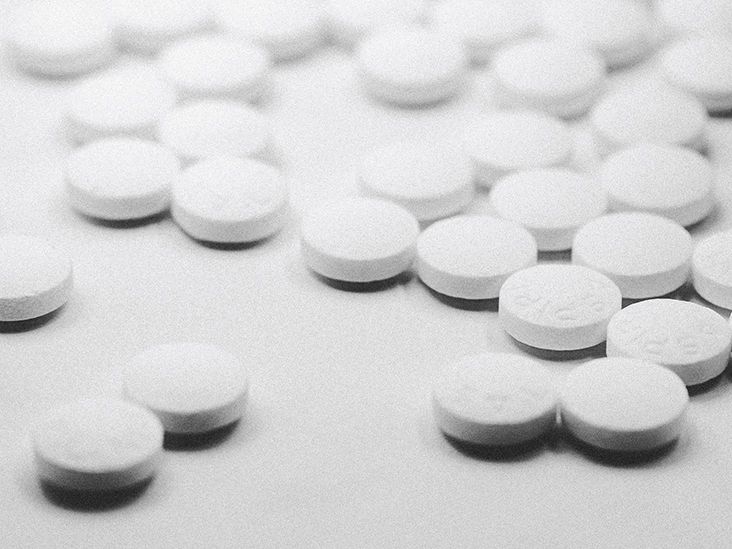
Aspirin may be one of the most famous pills in medicine. It has been tucked into medicine cabinets for generations, praised as a pain reliever, feared as a stomach irritant, and marketed with the kind of confidence usually reserved for superhero capes. But aspirin is not a magic bean. It is a powerful drug with real benefits, real risks, and a remarkable ability to confuse people who have heard the phrase “baby aspirin” and assumed that meant “adorably harmless.”
If you have ever wondered whether aspirin is good for your heart, useful for pain, dangerous for your stomach, risky during pregnancy, or a terrible idea for a teenager with the flu, the short answer is: sometimes, yes, and absolutely. The long answer is more useful, so let’s get into it.
What aspirin is and how it works
Aspirin is a salicylate and a type of nonsteroidal anti-inflammatory drug, or NSAID. It works by blocking chemical pathways involved in pain, fever, inflammation, and blood clotting. That multitasking is exactly why aspirin has stayed relevant for so long. One medicine can help a headache feel less dramatic, cool down a fever, calm inflammation, and, in certain patients, make blood platelets less likely to clump into a clot.
That last effect is where aspirin becomes more than a pain pill. When platelets become less sticky, aspirin can help lower the risk of some clot-related events, including certain heart attacks and ischemic strokes. The catch is obvious and important: if blood clots less easily, bleeding can become a much bigger problem.
Health benefits of aspirin
1. Relief of pain, fever, and inflammation
This is aspirin’s classic role. It can help with mild to moderate pain, headaches, muscle aches, fever, and some inflammatory conditions. For short-term use in the right adult, aspirin may be a reasonable option for occasional discomfort. It is especially well known for old-school symptom relief: the kind of medicine people reach for when the body is complaining loudly but not yet writing a full novel.
That said, the fact that aspirin is over the counter does not mean it is ideal for everyone. Plenty of adults should avoid it or at least check with a clinician before using it regularly.
2. Cardiovascular protection for selected patients
Aspirin’s best-known modern medical use is helping prevent blood clots in people with established cardiovascular disease. This is called secondary prevention. If someone has already had a heart attack, an ischemic stroke, certain types of angina, or a coronary stent, aspirin may be part of the treatment plan because it can reduce the chance of another clot-related event.
This is where aspirin earns genuine respect. In properly selected patients, low-dose aspirin can be a lifesaving long-term therapy. It may also be combined with another antiplatelet drug after some cardiac procedures, although that decision belongs firmly to the medical team, not to a late-night internet search.
3. Specific specialty uses under medical supervision
Aspirin also appears in a few more specialized settings. It may be used in certain inflammatory or vascular conditions, and low-dose aspirin is sometimes recommended during pregnancy for women at high risk of preeclampsia, usually under obstetric guidance. That does not mean pregnancy is an invitation to self-prescribe aspirin from the bottom of a purse. In medicine, context is everything.
Common uses of aspirin today
In real-world American medicine, aspirin usually shows up in four lanes:
- Short-term relief of mild pain, fever, or inflammation
- Clinician-directed low-dose therapy after a heart attack or stroke
- Antiplatelet treatment after stents or in certain forms of heart disease
- Selected pregnancy care for preeclampsia prevention in high-risk patients
What aspirin is not is a universal daily supplement for every healthy adult who wants to “do something good” for their heart. That advice used to float around a lot more casually. Current guidance is much more careful.
Who may benefit from daily aspirin, and who probably should not start it
The biggest misunderstanding about aspirin is the idea that daily low-dose use is broadly beneficial for healthy adults. Current recommendations do not support that simple story.
For primary prevention, which means trying to prevent a first cardiovascular event in someone who has not had one before, aspirin is now approached with caution. In adults ages 40 to 59 who have an elevated 10-year cardiovascular risk, the potential benefit may be small and the decision should be individualized. In adults 60 and older, guidelines recommend not initiating aspirin for primary prevention because the bleeding risk often outweighs the benefit.
That does not mean aspirin is “bad now.” It means aspirin has always been a trade-off, and medicine got better at measuring the price of that trade-off.
People more likely to need a careful conversation before taking daily aspirin include:
- Adults over 60 thinking about starting it on their own
- Anyone with a history of stomach ulcers or gastrointestinal bleeding
- People taking blood thinners or steroids
- People who also use ibuprofen or naproxen often
- Anyone with kidney disease, liver disease, or bleeding disorders
- People with asthma, nasal polyps, or aspirin sensitivity
- Pregnant patients unless specifically advised by a clinician
The biggest risks of aspirin
1. Stomach irritation, ulcers, and gastrointestinal bleeding
This is the headline risk and the one many people underestimate. Aspirin can irritate the stomach lining and raise the risk of ulcers and bleeding in the digestive tract. Some people notice heartburn, nausea, or stomach pain first. Others do not get a polite warning. Signs of serious bleeding may include black or tarry stools, vomiting blood, or feeling faint.
The risk is higher in older adults, people with a prior ulcer, people who drink heavily, and people combining aspirin with other medicines that increase bleeding risk. Surprise: some upset-stomach products also contain aspirin, which means a person trying to calm heartburn may accidentally invite a much bigger GI problem to the party.
2. Bleeding in the brain
Because aspirin reduces clotting, it can also increase the risk of intracranial bleeding. This is one of the reasons doctors are much more conservative about recommending daily aspirin for healthy older adults. If a drug may lower clot-related events in a small way but raise the danger of serious bleeding, the math gets uncomfortable very quickly.
3. Drug interactions
Aspirin does not always play nicely with others. Combining it with anticoagulants such as warfarin or certain newer blood thinners can raise bleeding risk. Regular use with ibuprofen or naproxen may also increase bleeding and stomach injury. Even timing matters in some cases, especially for people taking low-dose aspirin for heart protection.
This is why medication lists matter. “It’s just aspirin” has launched many a preventable problem.
4. Allergy and aspirin-sensitive respiratory disease
Some people react badly to aspirin, especially those with asthma, chronic sinus disease, or recurrent nasal polyps. In aspirin-exacerbated respiratory disease, aspirin and related NSAIDs can trigger wheezing, nasal congestion, and other respiratory symptoms. In more classic hypersensitivity reactions, people may develop hives, swelling, or breathing trouble.
If aspirin has ever made you sound like a squeaky accordion, that is not quirky. That is medical information worth sharing with a clinician.
5. Overdose and toxicity
Taking too much aspirin can be dangerous. Early signs of toxicity may include ringing in the ears, dizziness, vomiting, restlessness, confusion, and rapid breathing. Severe overdose can become life-threatening. Aspirin is common, but it is not casual.
6. Pregnancy-related cautions
Low-dose aspirin may be recommended in some pregnancies for patients at high risk of preeclampsia. That is a medical decision, not a DIY prenatal hack. Higher-dose aspirin around 20 weeks of pregnancy or later may harm the fetus or contribute to delivery complications unless a clinician specifically recommends it. In other words, pregnancy changes the rules.
7. Reye syndrome in children and teenagers
This is one of the most important aspirin safety rules. Aspirin should not be given to children or teenagers with viral illnesses such as flu or chickenpox unless a healthcare professional specifically directs it. The reason is the risk of Reye syndrome, a rare but potentially life-threatening condition affecting the brain and liver.
For parents, this is not trivia. It is a fridge-magnet-level rule.
Is “baby aspirin” actually safer?
“Baby aspirin” usually refers to low-dose aspirin, commonly 81 mg. The lower dose may reduce clotting with less bleeding risk than higher doses, but it is not harmless. The cute nickname has done public understanding no favors. A smaller dose can still cause stomach bleeding, interact with other drugs, and be the wrong choice for the wrong person.
Think of low-dose aspirin as a precision tool, not a vitamin gummy with a law degree.
How to use aspirin more safely
Talk to a clinician before starting daily aspirin
If the goal is heart attack or stroke prevention, do not self-start daily aspirin just because a relative swears by it. Your age, cardiovascular risk, bleeding risk, medication list, and health history all matter.
Read labels carefully
Aspirin shows up in more products than many people realize, including some combination pain medicines and some antacid products. Double-dosing by accident is easier than it should be.
Avoid mixing casually with other NSAIDs
If you take daily aspirin for heart protection, do not assume ibuprofen is a harmless add-on. Ask how to use them safely, or whether another option makes more sense.
Know the danger signs
Seek medical attention promptly for vomiting blood, black stools, severe stomach pain, unusual bruising, fainting, wheezing after a dose, or symptoms of overdose such as ringing in the ears and confusion.
Do not stop prescribed aspirin without guidance
If a clinician prescribed aspirin after a heart attack, stroke, or stent, stopping it suddenly without medical advice may be risky. Aspirin is one of those medicines where both starting and stopping deserve a conversation.
The bottom line
Aspirin is one of medicine’s great paradoxes. It is familiar enough to feel ordinary and powerful enough to be dangerous when used casually. It can relieve pain, reduce fever, and lower the risk of serious clot-related events in selected patients. It can also cause ulcers, major bleeding, dangerous interactions, and entirely avoidable mistakes when people treat it like a harmless wellness shortcut.
The smartest way to think about aspirin is not as a “good” drug or a “bad” drug, but as a context-dependent one. For the right patient, it can be essential. For the wrong patient, it can be trouble in a small white tablet.
So yes, aspirin has real health benefits. It also has real risks. That is not a contradiction. That is medicine being honest for once.
Experiences related to aspirin: what people often learn the hard way
The examples below are composite, educational scenarios based on common real-world patterns rather than personal medical advice.
One of the most common aspirin stories starts after a heart attack. A patient leaves the hospital with a much greater appreciation for tiny tablets and much less appreciation for the phrase “over the counter.” For that person, low-dose aspirin is not a casual choice. It becomes part of a carefully designed plan to prevent another clot. Many patients in this situation describe aspirin as boring but reassuring. It is not glamorous. It is not trendy. It is just one of the quietly serious things that help keep the next emergency from happening.
Another common experience is almost the opposite. A healthy older adult hears that baby aspirin is “good for the heart” and starts taking it every morning like a ritual of responsible adulthood. Then a doctor reviews current guidance, looks at age, bleeding risk, and lack of prior heart disease, and says, “Actually, this may not be helping you.” For many people, that moment is surprising. They assumed aspirin was a bonus feature. Instead, it turns out to be a risk-benefit calculation.
There is also the person who uses aspirin for headaches or body aches and gradually notices stomach trouble. At first it is mild heartburn. Then it becomes regular stomach pain. Sometimes the lesson arrives with dark stools, a panicked urgent-care visit, and the realization that a familiar drug can still be rough on the digestive tract. Aspirin has a special talent for reminding people that “common” and “gentle” are not synonyms.
Some people run into aspirin through combination products. They take a pain reliever in the morning and an antacid later, not realizing both contain ingredients that can raise bleeding risk. This kind of accidental overlap is more common than most people think. The experience often leads to a new household rule: read the label first, trust your assumptions later.
Parents often learn about aspirin through what not to do. A child gets the flu, someone remembers aspirin from their own childhood, and a clinician or pharmacist quickly says no because of Reye syndrome risk. That information tends to stick forever. It becomes one of those health facts people repeat to siblings, grandparents, babysitters, and anyone else who might reach into the medicine cabinet with good intentions and outdated information.
Pregnancy creates another memorable aspirin experience. Some women with a history that raises concern for preeclampsia may be told by their obstetric clinician to take low-dose aspirin on a schedule. That can sound strange until it is explained properly. In that setting, aspirin is not random. It is targeted prevention. The key lesson many patients describe is that aspirin during pregnancy should be physician-guided, not crowd-sourced from social media comment sections.
And then there are people with asthma or nasal polyps who discover aspirin does not agree with them at all. What looked like a simple pain reliever turns into wheezing, congestion, or an allergic-type reaction. For them, aspirin is memorable for all the wrong reasons, but the experience often leads to better diagnosis and safer medication choices later.
Taken together, these experiences tell the same story from different angles: aspirin is not trivial. It can be incredibly useful, but only when the person, the reason, the dose, and the risks all line up.