Some kitchen appliances quietly do their jobs, then disappear into a cabinet like introverts at a networking event. Others sit on the countertop and announce, with great confidence, “Yes, I make smoothies, but I also studied architecture.” The Krups Blender by Konstantin Grcic belongs proudly to the second group.
Known as the Krups KB720, this blender is more than a tool for pulverizing berries, ice, and overambitious breakfast resolutions. It is a small appliance shaped by one of the most respected industrial designers of our time. Konstantin Grcic, the German designer celebrated for rigorous, functional, geometric work, brought his disciplined design language to Krups during a broader project that included coffee machines, mixers, toasters, kettles, and other household appliances.
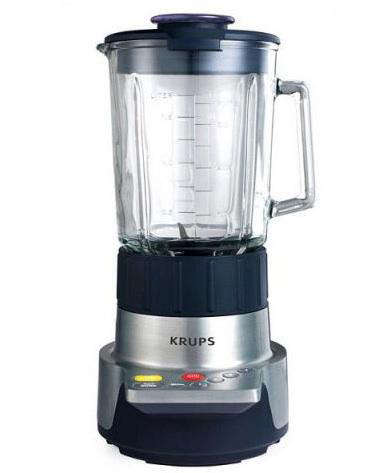
The result is a blender that feels unusually serious without becoming cold. It has a 1000-watt motor, a 60-ounce thermal-shock-resistant glass jar, five speeds, an ice-crushing function, detachable blades, dishwasher-safe non-motor parts, and a die-cast metal base built for stability. In other words, it looks like it could make a spinach smoothie and also survive a minor kitchen uprising.
Why This Krups Blender Still Deserves Attention
The world is not short on blenders. Walk into any big-box store and you will find machines promising everything from “silky smoothies” to “life transformation in 30 seconds.” Many are colorful, many are loud, and some look as if they were designed during a brainstorming session fueled entirely by energy drinks.
The Krups KB720 is different because its appeal is not built on gimmicks. Its charm comes from restraint. Grcic’s approach treats the blender as a real working machine, not a decorative gadget wearing a chrome costume. Every feature feels connected to use: the wide glass pitcher, the strong base, the measured cap, the speed control, the removable blades, and the quietly professional silhouette.
This is what makes the appliance interesting for design lovers and practical cooks alike. It is not just “pretty for a blender.” It is an example of how industrial design can improve an everyday object without making that object fussy. Nobody wants to read a 90-page manual before making a mango smoothie. The Krups Blender understands that breakfast should not require a PhD.
Konstantin Grcic’s Design DNA
Konstantin Grcic was trained as a cabinetmaker before studying design at the Royal College of Art in London. That background matters. Cabinetmaking teaches patience, proportion, construction, and respect for materials. Industrial design adds production logic, safety, repeatability, and the ability to make an object work for thousands of households instead of one gallery pedestal.
Grcic’s best-known work often balances strict geometry with a surprising human quality. His designs can look minimal at first glance, but they are rarely empty. They have tension, utility, and sometimes a sly sense of humor. With Krups, that sensibility translated into appliances that felt precise, compact, and slightly technical, as if they were born in a laboratory but raised in a tasteful kitchen.
The KB720 blender reflects that mindset. Its die-cast metal base gives visual and physical weight. Its glass pitcher makes the machine feel substantial rather than disposable. Its controls are direct, avoiding the “spaceship dashboard” problem that haunts many modern appliances. Grcic’s contribution is not decorative styling added at the end. It is a system of decisions that makes the blender feel coherent from handle to base.
The Krups KB720: Key Features That Matter
1. A 1000-Watt Motor for Everyday Power
A blender’s motor is not everything, but it certainly matters. The Krups KB720’s 1000-watt motor places it in a strong category for everyday kitchen use. It is suitable for smoothies, soups, sauces, dressings, crushed ice drinks, and thicker mixtures when handled properly. Modern blender testing often shows that wattage alone does not guarantee excellent performance, because jar shape, blade design, and torque also matter. Still, 1000 watts gives this Krups model a practical foundation.
2. Five Speeds Plus Pulse Control
Five speeds give home cooks more control than a simple on-off blender. Lower speeds help begin thicker blends without launching ingredients onto the lid like a culinary fireworks show. Higher speeds help finish smoothies, purees, and sauces. The pulse function adds quick bursts for texture control, especially useful when crushing ice or loosening stubborn ingredients.
3. Ice-Crushing Function
The dedicated ice-crushing function is one of the KB720’s most practical features. Ice is a surprisingly demanding test for a blender. It reveals whether the motor, blade assembly, and jar shape can keep ingredients moving instead of creating a sad frozen cave above the blades. With automatic pulsing, the Krups Blender was designed to produce more even results without forcing users to babysit every cube.
4. A 60-Ounce Glass Jar
The large glass jar is a major part of the blender’s personality. Glass feels premium, resists staining, and does not hold odors as easily as some plastics. Make a tomato-based sauce or a turmeric-heavy smoothie and you will appreciate that difference quickly. The jar’s 60-ounce capacity is large enough for family smoothies, blended soups, batters, sauces, and frozen drinks.
5. Die-Cast Metal Base
The base matters because blending creates vibration. A lightweight base may dance across the counter like it just heard disco for the first time. The KB720’s die-cast metal base gives it durability and stability, supporting the machine during heavier blending tasks. It also reinforces the professional look that makes the appliance attractive enough to leave on display.
6. Removable Blades and Dishwasher-Safe Parts
Cleaning is where many beautiful appliances reveal their dark side. A blender can look like a sculpture, but if cleaning it requires tweezers, prayer, and emotional resilience, it will eventually become cabinet furniture. The Krups KB720 keeps things practical with detachable blades and dishwasher-safe parts, excluding the motor base. That makes cleanup easier after smoothies, sauces, and sticky mixtures.
Design Analysis: Why the KB720 Looks So Good
The Krups Blender by Konstantin Grcic has a purposeful visual language. It is not retro, though it has enough solidity to feel timeless. It is not futuristic either, unless your idea of the future involves calm German engineering and fewer blinking lights. The design is best described as architectural: stable base, clean vertical presence, clear material contrast, and no unnecessary decoration.
The metal base gives the blender a grounded appearance. The glass jar adds transparency and lightness. The control panel sits where it belongs, visible and easy to understand. There is a pleasing honesty to the object: you can look at it and understand what it does. That sounds obvious, but many appliances today hide basic function behind glossy panels and cryptic icons that make users wonder if they are blending soup or launching a satellite.
Grcic’s design also respects the countertop. A blender often lives in public view, especially in smaller kitchens where storage space is precious. That means it should not look like visual clutter. The KB720 earns its place by being compact, disciplined, and visually balanced. It works with modern kitchens, stainless steel appliances, wood counters, concrete surfaces, white cabinets, and minimalist interiors.
Performance in Real Kitchen Terms
For everyday cooking, the KB720’s strengths are easy to understand. It can handle smoothies with frozen fruit, yogurt, milk, juice, or plant-based alternatives. It can make pureed soups once ingredients are properly prepared. It can emulsify vinaigrettes and sauces. It can crush ice for frozen drinks. It can blend pancake batter, marinades, dips, and creamy vegetable purees.
Like any countertop blender, it performs best when ingredients are layered wisely. Liquids should usually go in first, followed by softer ingredients, then frozen items or ice. Thick mixtures may need occasional pauses and a little added liquid. This is not a flaw; it is blender reality. Even expensive high-performance models ask for cooperation now and then. Appliances are helpful, not magical kitchen goblins.
The 60-ounce jar is especially useful when cooking for more than one person. Personal blenders are convenient for single smoothies, but they can feel limiting when making soup, salsa, or drinks for guests. The Krups KB720 offers a more traditional full-size format, which gives it versatility beyond breakfast.
How It Compares With Today’s Blender Market
Modern blender buyers often face three categories: budget blenders, personal blenders, and high-performance machines. Budget blenders are affordable but may struggle with ice, fibrous greens, and long-term durability. Personal blenders are compact and convenient, but their small cups limit batch size. High-performance blenders deliver serious power, but often come with premium prices and tall plastic jars.
The Krups KB720 sits in an interesting middle ground. It offers a strong motor, premium materials, and serious design credibility without the bulk or price identity of ultra-high-end professional machines. Its glass jar appeals to users who dislike plastic pitchers. Its die-cast base appeals to those who want stability. Its appearance appeals to people who prefer appliances that look intentional, not disposable.
It may not replace a commercial-grade blender for daily nut butter, heavy frozen bowls, or restaurant-level prep. But for home kitchens focused on smoothies, soups, sauces, ice drinks, and general blending, it remains a compelling example of thoughtful appliance design.
Who Should Love This Blender?
The Krups Blender by Konstantin Grcic is ideal for people who care about both function and form. It suits design-conscious homeowners, apartment dwellers with open kitchens, collectors of modern industrial design, and practical cooks who want a durable countertop blender without visual chaos.
It is especially appealing if you enjoy objects with a story. This is not just a random blender from a product lineup. It is part of a larger Krups design program created after Groupe SEB worked with Grcic to rethink a family of household appliances. That context gives the KB720 more cultural weight than the average blender. It belongs to the world of kitchen tools, but it also belongs to the world of product design.
Small Appliances as Design Objects
Small appliances have an awkward job. They must be useful, safe, affordable, cleanable, durable, and attractive. They must survive heat, moisture, sticky fingers, hurried mornings, and the occasional user who believes “maximum speed” is the only speed. Designing one well is harder than it looks.
This is why the Krups KB720 is worth discussing. It reminds us that a blender is not just a motor with a jar attached. It is an interface between people and food. The handle must feel right. The lid must inspire trust. The controls must make sense. The base must stay put. The jar must pour without creating a countertop crime scene. The whole object must invite use rather than intimidation.
When industrial design succeeds, people may not notice every detail. They simply use the product more often. That is the quiet victory of the KB720: it makes blending feel straightforward, stable, and slightly elegant.
Practical Tips for Using the Krups KB720
Start Slow, Then Increase Speed
Beginning at a lower speed helps ingredients settle into the blades. This reduces splashing and gives the motor an easier start. Once the mixture begins moving, increase speed for a smoother texture.
Use Enough Liquid
Frozen fruit, nut butters, and fibrous greens need liquid to circulate. Add liquid gradually instead of flooding the jar. You want movement, not soup unless, of course, you are making soup.
Do Not Overfill
The 60-ounce capacity is generous, but leaving headroom helps prevent pressure and overflow. Hot liquids should be blended with extra caution, in smaller batches, and with venting as directed by the manual.
Clean Immediately
The easiest blender to clean is the one you clean before smoothie residue turns into edible cement. Rinse the jar right after use, detach washable parts as needed, and avoid immersing the motor base.
Experience Notes: Living With a Design-Minded Blender
Using a blender like the Krups KB720 changes the mood of a kitchen in small but noticeable ways. The first difference is visual. Many appliances look temporary, as if they are waiting to be replaced by next year’s model with a louder motor and a more dramatic name. The KB720 feels more settled. Its metal base and glass jar make it seem like a tool rather than a toy. On a counter, it does not shout. It stands there with the calm confidence of someone who alphabetizes spices for fun.
The second difference is behavioral. A good-looking appliance is more likely to remain accessible, and an accessible blender gets used more often. When a blender is buried behind mixing bowls, holiday platters, and the waffle maker you swore you would use every Sunday, smoothies become less likely. When it lives on the counter and looks good there, it becomes part of daily routine.
In everyday use, the large jar is helpful for flexible cooking. Morning smoothies are the obvious task, but the blender becomes more valuable at dinner. Roasted tomato soup can be blended until velvety. A quick herb sauce can rescue grilled chicken from boredom. A vinaigrette can be emulsified in seconds. A weekend pancake batter can come together without a whisking workout. The blender becomes less of a “smoothie machine” and more of a general kitchen assistant.
The glass jar also affects the experience. It feels substantial in the hand, and it gives a clear view of the blending process. Watching ingredients move from separate pieces into a smooth mixture is oddly satisfying, like a tiny weather system with better nutrition. Glass also feels reassuring when working with strongly colored ingredients such as berries, tomatoes, greens, cocoa, or turmeric.
The die-cast base contributes to confidence. With lighter blenders, you may instinctively hold the top and side while blending, just in case the machine decides to migrate toward the edge of the counter. A heavier base reduces that anxiety. It makes the appliance feel planted, which matters when crushing ice or working through thick mixtures.
The most enjoyable part, however, is the sense that the blender was designed by someone who respected ordinary life. Grcic’s work for Krups was not about creating a museum object that occasionally meets a banana. It was about making a real machine with a cable, plug, motor, safety requirements, manufacturing limits, and daily kitchen mess. That reality gives the design depth. The KB720 is attractive because it is useful, not attractive instead of useful.
Of course, no blender is perfect. Thick smoothie bowls may require patience. Sticky mixtures may need scraping. Ice can be demanding. The dishwasher may be helpful, but immediate rinsing is still the smartest move. Yet these are normal kitchen compromises, not design failures. The best appliances do not remove every inconvenience; they make the work feel smoother, safer, and more enjoyable.
For anyone who loves design, the Krups Blender by Konstantin Grcic offers a satisfying lesson: beauty in the kitchen does not have to mean fragile, precious, or impractical. Sometimes beauty is a stable base, a clear jar, a sensible button, and a motor ready to turn frozen fruit into breakfast before coffee has fully repaired your personality.
Conclusion
The Krups KB720 Blender by Konstantin Grcic is a reminder that small appliances can be both practical and intelligent. It combines a powerful 1000-watt motor, a large glass jar, die-cast stability, five-speed control, ice-crushing capability, and easy-clean features with a disciplined design language rooted in real industrial thinking.
More than a countertop accessory, it represents a moment when Krups used design as a strategic tool to refresh its identity and bring coherence to everyday appliances. For cooks, it offers useful performance. For design enthusiasts, it offers a compact example of Grcic’s functional, precise, and quietly witty approach. For everyone else, it offers a very good reason to stop hiding the blender in the cabinet.