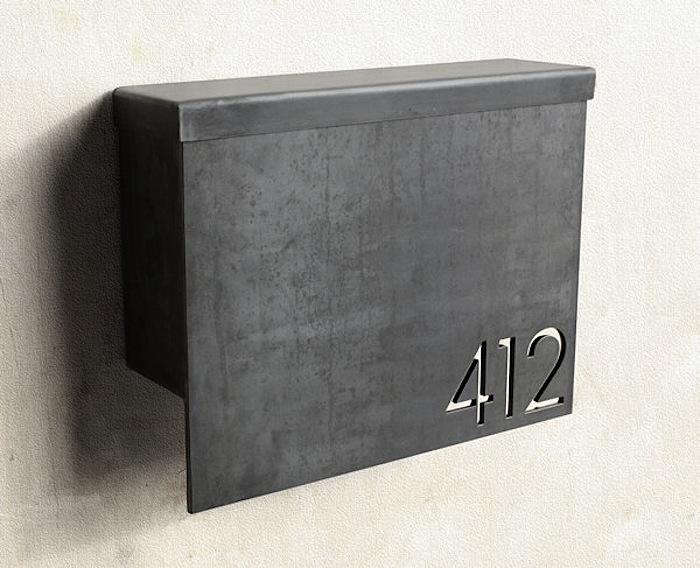
A mailbox is usually the first tiny handshake your home gives the world. Before anyone notices your front door, your porch swing, your trimmed hedges, or the suspiciously heroic effort you put into hiding the garden hose, they see the mailbox. And yet, for many homes, this hard-working little box is treated like a forgotten appliance on a stick.
That is a missed opportunity. A custom mailbox can add curb appeal, express personality, improve daily function, and make your home feel more finished from the street. It does not need to be wildly expensive or complicated, either. With the right materials, proportions, installation details, and a little design confidence, a mailbox can become a small but mighty exterior feature.
Whether you love farmhouse charm, modern minimalism, cottage garden romance, rustic cedar, sleek black metal, or a mailbox that quietly says, “Yes, I own a level and I know how to use it,” this guide will help you design a custom mailbox with style to spare.
Why a Custom Mailbox Matters More Than You Think
A mailbox is not just a container for bills, birthday cards, coupons, and the occasional mysterious catalog addressed to someone who has not lived there since 2009. It is part of your home’s first impression. In real estate and home design, curb appeal is often built through small, repeated details: lighting, house numbers, paint, plants, hardware, and yes, the mailbox.
A tired or crooked mailbox can make an otherwise well-kept home look neglected. On the other hand, a custom mailbox that matches the architecture of the house can create instant polish. Think of it as exterior styling on a manageable scale. You may not be ready to repaint the whole house, replace the driveway, or build a dramatic stone entryway, but you can upgrade the mailbox in a weekend.
A well-designed custom mailbox can also solve practical problems. Maybe your current mailbox is too small for modern mail and small parcels. Maybe it rusts every winter. Maybe the numbers are hard to read from the street. Maybe the post leans like it is emotionally exhausted. Customizing gives you the chance to fix the function while improving the look.
Start with the Rules Before the Style
Before sketching the mailbox of your dreams, start with the less glamorous but very important part: regulations. Curbside mailboxes in the United States generally need to meet USPS placement guidelines. A common standard is positioning the mailbox so the bottom of the box or point of mail entry sits about 41 to 45 inches above the road surface. The mailbox door is typically placed 6 to 8 inches back from the curb or road edge.
You should also make sure your house number is visible on the mailbox. If the mailbox sits on a different street from the home, the full street address may be needed. Some communities, HOAs, and local roads departments may also have their own rules about mailbox materials, location, post type, and breakaway safety. Translation: your mailbox can be stylish, but it should not become a tiny architectural rebellion.
If you are replacing an existing mailbox in the same spot, still double-check the measurements. Older installations are often “close enough” in the way a wobbly chair is technically still a chair. A custom mailbox looks best when it is level, properly placed, and easy for the mail carrier to reach.
Choosing a Mailbox Style That Matches Your Home
The best custom mailbox does not look random. It should feel like a natural extension of your home’s architecture. A sleek steel mailbox may look stunning in front of a modern home, while a cedar post with black hardware might suit a craftsman, cabin, or farmhouse exterior. A white post with a flower bed may feel perfect for a cottage or traditional home.
Modern Mailbox Style
Modern mailboxes often feature clean lines, simple shapes, matte finishes, oversized house numbers, and materials like powder-coated steel, aluminum, concrete, or stained wood. Black, charcoal, bronze, and natural wood tones work especially well. The goal is restraint. A modern mailbox does not need curls, decals, or decorative flags shaped like woodland animals. It wins by being crisp.
Farmhouse and Cottage Mailbox Style
Farmhouse mailboxes usually feel warm, practical, and welcoming. Popular details include wood posts, white or black finishes, simple brackets, copper accents, and surrounding flowers. Cottage-style designs may include climbing plants, soft color palettes, painted posts, or a small garden bed around the base. This look should feel charming, not cluttered. One tasteful planter beats twelve decorative geese every time.
Rustic and Craftsman Mailbox Style
Rustic designs lean into natural textures such as cedar, stone, brick, and oil-rubbed metal. Craftsman-style mailboxes often look best with sturdy proportions, visible joinery, rich wood stains, and simple geometric details. If your home has wood beams, stone columns, or warm exterior trim, your mailbox can echo those details on a smaller scale.
Traditional Mailbox Style
Traditional homes often pair well with classic post-mounted boxes, decorative caps, brass or bronze numbers, and symmetrical landscaping. A traditional custom mailbox should look polished and timeless. Choose high-quality materials and keep the color palette coordinated with shutters, trim, railings, or front door hardware.
Materials That Look Good and Last
When designing a custom mailbox, beauty mattersbut durability pays the bills. Your mailbox lives outside through sun, rain, wind, sprinklers, road dust, snow in colder states, and the occasional neighborhood basketball that somehow gains a personal vendetta.
Metal Mailboxes
Steel and aluminum are common mailbox materials because they are strong, widely available, and easy to paint or powder coat. Steel can be very durable, but it needs proper coating to resist rust. Aluminum is lighter and naturally rust-resistant, making it a smart choice in damp or coastal climates. For a high-end look, consider stainless steel, bronze-tone finishes, or matte black powder coating.
Wood Mailbox Posts and Enclosures
Wood brings warmth and character. Cedar, redwood, and pressure-treated lumber are common choices for outdoor posts and decorative surrounds. Wood should be sealed, stained, or painted to resist moisture damage. For a custom look, you can build a simple wood sleeve around a standard mailbox, add a newspaper cubby, or frame the box with clean horizontal boards.
Brick, Stone, and Masonry
Brick or stone mailbox columns can look substantial and elegant, especially when they match the home’s exterior. They also require more planning. In some areas, rigid masonry structures near roads may be discouraged or restricted for safety reasons. Always confirm local rules before building a permanent column. If masonry is allowed, keep the design proportional to the house and not so large that it looks like a tiny fortress guarding your utility bill.
Composite and PVC Materials
Composite and PVC mailbox posts offer low maintenance and clean styling. They resist rot, insects, and frequent repainting. Many come in white, black, or wood-look finishes. These are useful if you want a polished appearance without becoming the person who spends every spring sanding a mailbox post.
Design Details That Make a Mailbox Feel Custom
You do not need to reinvent the mailbox to make it feel custom. Often, the best upgrades come from small details that feel intentional.
House Numbers with Personality
Large, readable house numbers are both stylish and practical. Choose numbers that match your home’s exterior hardware. Modern homes may look best with floating black or stainless numbers. Farmhouse homes might suit black metal or aged brass. Traditional homes often work well with bronze, brass, or classic serif styles.
Readability matters. Emergency responders, delivery drivers, guests, and mail carriers should be able to spot the address quickly. Tiny decorative numbers may look cute up close, but if they require binoculars from the street, they are not doing their job.
Paint and Finish
A fresh finish can completely transform a mailbox. Matte black is a popular choice because it pairs with almost everything and looks crisp against greenery. White feels classic and bright. Deep green, navy, bronze, charcoal, and warm brown can also look sophisticated. For a playful home, a muted red, blue, or yellow mailbox may add charm without looking cartoonish.
Use exterior-rated paint and primer suitable for the mailbox material. For metal boxes, remove rust, clean the surface, and use rust-inhibiting primer before painting. For wood posts, sand rough areas and seal the wood properly.
Lighting
Solar lighting around the mailbox can improve nighttime visibility and add a soft glow to the curb. Keep it subtle. A pair of low-profile solar path lights or a small downlight can look elegant. Avoid turning your mailbox into a runway unless your mail carrier is landing aircraft.
Planters and Mailbox Gardens
A mailbox garden is one of the easiest ways to add charm. Choose plants that tolerate heat, road dust, reflected sunlight, and inconsistent watering. In sunny locations, consider daylilies, salvia, lavender, ornamental grasses, sedum, coneflowers, creeping thyme, or compact shrubs. In shadier spots, try hostas, coral bells, ferns, or shade-tolerant groundcovers.
Keep plants low enough that they do not block the mailbox door or hide the address. Leave room for the mail carrier to access the box easily. Mulch, edging, and a clean border help the planting area look intentional rather than like nature staged a small uprising.
Practical Features Worth Adding
Style is wonderful, but a custom mailbox should also make life easier. Before choosing a design, think about how you receive mail.
Locking Mailboxes
If mail security is a concern, a locking mailbox can add peace of mind. These designs usually allow the carrier to place mail through a slot while you retrieve it with a key. Make sure the slot is large enough for your typical mail and that the design is approved for your delivery type.
Oversized or Package-Friendly Mailboxes
Many households receive more small packages than traditional mailboxes were designed to handle. An oversized mailbox can reduce bent envelopes and exposed parcels. For frequent deliveries, consider a larger capacity mailbox or a separate package drop box near the porch, depending on your property layout.
Newspaper Slots and Cubbies
A newspaper slot or lower cubby can be both practical and attractive, especially in a custom wood design. It creates visual weight beneath the mailbox and gives you a place for newspapers, small community flyers, or rolled items. Just keep the design clean and easy to maintain.
DIY Custom Mailbox Ideas
A custom mailbox can be as simple or ambitious as you want. The trick is choosing a project that matches your skill level, tools, and patience. Be honest with yourself. If assembling flat-pack furniture makes you question reality, start small.
Easy Weekend Upgrade
For a quick project, replace the old mailbox with a fresh model, paint the post, add new numbers, and create a small mulch bed around the base. This can dramatically improve curb appeal without major construction. Choose a mailbox finish that matches your front door hardware or exterior lights for a coordinated look.
Wood Sleeve Makeover
A wood sleeve or surround can turn a basic metal mailbox into a custom feature. Build a simple frame around the box using cedar or treated lumber, leaving the door and flag fully functional. Add trim, stain the wood, and mount large numbers on the side. This works especially well for modern, rustic, and craftsman homes.
Modern Post and Box Combo
For a sleek look, install a horizontal wood or metal post with a matte black mailbox and vertical house numbers. Keep lines straight, colors limited, and landscaping minimal. Gravel, ornamental grass, and one sculptural plant can make the whole area look professionally designed.
Mailbox with Built-In Planter
A planter mailbox adds instant personality. You can mount a small planter beneath the mailbox or use a post design with an integrated flower box. Choose plants that will not droop over the door or attract too much maintenance. Trailing flowers are pretty, but the mailbox still needs to open without performing a botanical wrestling match.
Common Custom Mailbox Mistakes to Avoid
Even a beautiful mailbox can fail if the basics are ignored. Avoid these common mistakes:
Ignoring Postal Access
The mailbox must be easy for the carrier to reach. Do not let plants, decorations, stones, or oversized posts block the door. If the carrier cannot access it safely and efficiently, the design needs adjustment.
Choosing Materials That Cannot Handle Weather
Indoor paint, untreated wood, cheap hardware, and thin decorative metals may look good for one season and then surrender dramatically. Use exterior-rated products and corrosion-resistant fasteners.
Making the Design Too Busy
A mailbox is small. Too many colors, fonts, decorations, plants, and textures can make it look chaotic. Pick one main style, one or two materials, and a limited color palette.
Forgetting Maintenance
If you do not enjoy weekly garden care, do not design a mailbox bed that needs weekly garden care. Choose low-maintenance plants, durable finishes, and easy-clean materials. Future you deserves mercy.
How to Make Your Mailbox Look Expensive on a Budget
You do not need a luxury budget to create a polished mailbox. The most expensive-looking designs are usually clean, coordinated, and well-installed. Start by straightening or replacing the post. A leaning mailbox instantly looks neglected, even if the box itself is new.
Next, update the numbers. High-quality address numbers can make a basic mailbox look custom. Then simplify the color scheme. A black mailbox with a stained wood post, fresh mulch, and a neat border often looks better than a complicated design with too many decorative parts.
Finally, clean up the surrounding area. Remove weeds, define the bed edge, add mulch or gravel, and choose a few hardy plants. Curb appeal is often less about spending more and more about editing better.
Seasonal Maintenance for a Stylish Mailbox
A custom mailbox should not be a “set it and forget it until it falls over” project. A little seasonal care keeps it looking sharp.
In spring, clean the box, check for rust, refresh mulch, and prune plants. In summer, water mailbox plantings as needed and trim anything blocking the door or address. In fall, clear leaves and inspect the post before winter weather. In colder regions, make sure snowplows, road salt, and ice buildup will not damage the mailbox or make access difficult.
Once a year, tighten hardware, touch up paint, and check that the post remains sturdy. This small maintenance ritual takes less time than hunting for a package that was delivered “near mailbox” and somehow disappeared into a shrub.
Real-Life Experience: What a Custom Mailbox Teaches You
One of the best things about upgrading a mailbox is that it teaches you how much small exterior details matter. Many homeowners start with the mailbox because it feels manageable. It is not as intimidating as replacing siding or redesigning the entire front yard. But once the new mailbox is in place, something funny happens: the rest of the curb starts asking for attention.
A freshly painted mailbox can make faded house numbers look tired. New house numbers can make old porch lights look outdated. A neat mailbox garden can make the driveway edge look messy. This is not a problem; it is how good design works. One improvement creates momentum.
From experience, the most satisfying custom mailbox projects are the ones that balance personality with restraint. A homeowner might begin with a simple black metal mailbox, then add a cedar post, bold vertical numbers, and a small bed of lavender and ornamental grass. Nothing about that design screams for attention, but everything works together. It looks calm, confident, and finished.
Another common lesson is that measurements matter more than enthusiasm. It is very easy to get excited about the look and forget the height, setback, level, and door clearance. A mailbox that looks beautiful but sits too low, too high, too far from the curb, or behind a jungle of flowers can become frustrating fast. The best projects begin with practical placement, then layer style on top.
Material choice also becomes personal very quickly. Some people love the natural aging of wood and do not mind resealing it. Others want a low-maintenance post that can survive weather with minimal attention. Neither choice is wrong. The right choice is the one that matches your climate, your home, and your tolerance for weekend chores.
There is also a surprisingly emotional side to mailbox design. A custom mailbox can make a house feel more like yours. Maybe you choose numbers that match the front door hardware. Maybe you plant flowers your grandmother used to grow. Maybe you build a simple wood surround because the home has craftsman details and you want the curb to feel connected to the porch. These details are small, but they turn a generic object into a personal marker.
The best part is the daily payoff. Every time you pull into the driveway, the mailbox is there, quietly doing its job and looking good while doing it. It becomes a little moment of order at the edge of the property. And when neighbors notice, the compliment usually sounds something like, “I never thought a mailbox could make that much difference.” That is the magic of a well-designed small project: it proves style does not always need a grand entrance. Sometimes it just needs a post, a box, a few smart details, and enough personality to make the mail feel slightly more glamorous.
Conclusion: Give Your Mailbox the Glow-Up It Deserves
A custom mailbox with style to spare is one of the most practical curb appeal upgrades you can make. It is visible, useful, affordable compared with larger exterior projects, and full of design potential. Whether you choose a modern black mailbox, a rustic cedar post, a cottage-style garden, or a bold custom build with oversized house numbers, the goal is the same: create a mailbox that looks intentional, functions well, and feels connected to your home.
Start with the rules, choose durable materials, match the design to your architecture, and keep the surrounding area tidy. Add personality through color, numbers, landscaping, lighting, or handcrafted details. Most of all, remember that a mailbox does not have to be boring just because it handles boring envelopes.
Note: This article is for general design and planning guidance. Before installing or replacing a curbside mailbox, confirm USPS placement rules, local road requirements, and any HOA guidelines that apply to your property.