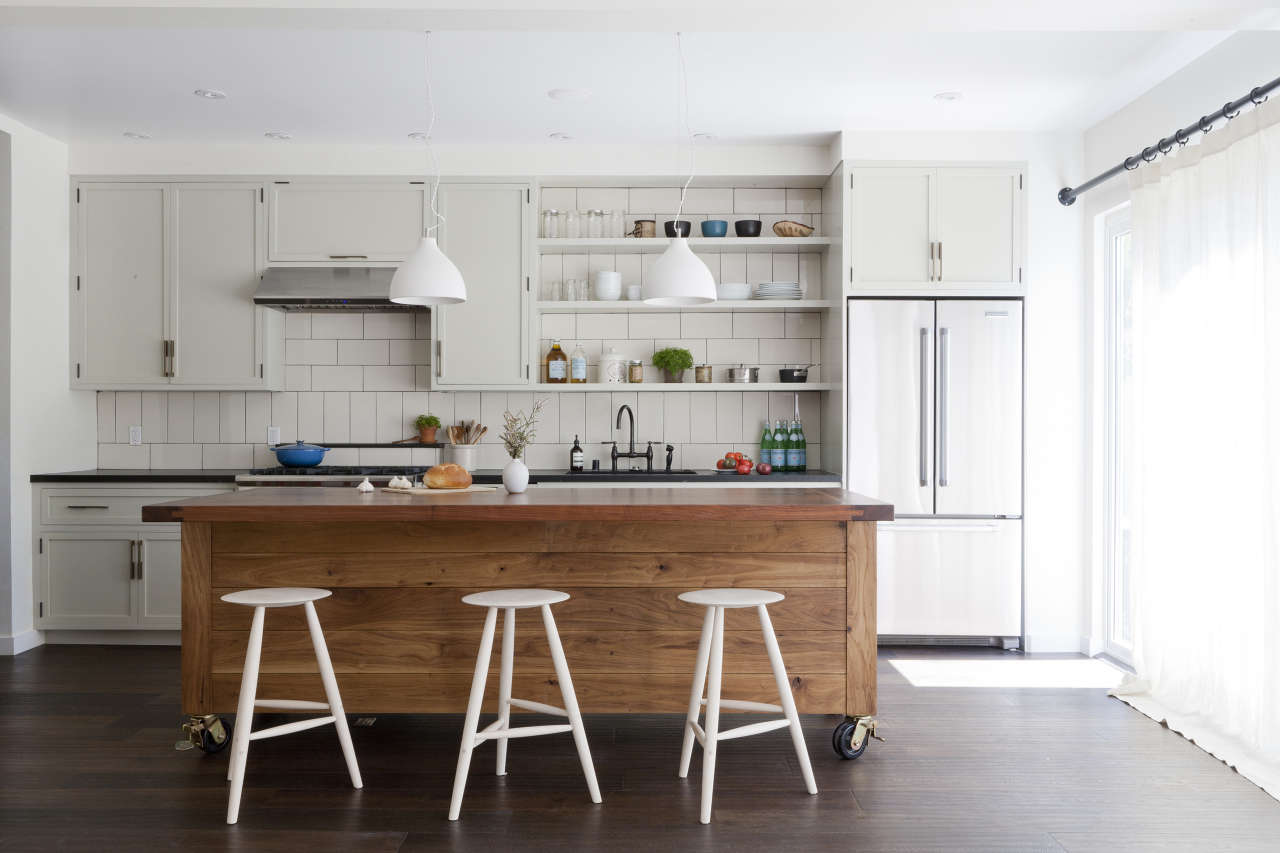
Choosing the best refrigerator during a kitchen remodel sounds simple until you discover that “fridge shopping” is not one decision. It is a small obstacle course involving cabinet depth, door swing, cubic feet, ice makers, electrical outlets, delivery paths, energy labels, family habits, and the suspiciously strong opinions of everyone who has ever owned a French door refrigerator. Welcome to adulthood: the snacks are cold, but the decisions are hot.
The refrigerator is more than a large box that guards the milk. In a remodel, it affects the entire kitchen layout. It changes traffic flow. It determines whether your island feels spacious or like an airport security line. It influences your cabinet design, countertop landing space, grocery routine, energy use, and even how often you rediscover a forgotten jar of pesto from another era.
This definitive remodeling guide explains how to choose a refrigerator that fits your kitchen, your food habits, your budget, and your future self. We will cover refrigerator types, measurements, capacity, counter-depth vs. standard-depth models, energy efficiency, smart features, installation, food safety, and real-world lessons from remodels that looked perfect on paper but had a refrigerator door that opened directly into a wall. Yes, that happens. No, the wall does not apologize.
Start With the Remodel Plan, Not the Refrigerator Photo
The first rule of choosing the best refrigerator is simple: do not fall in love with a model before you understand your kitchen. A refrigerator that looks glamorous online may become a daily frustration if it blocks a walkway, sticks out too far, or cannot open fully because a cabinet handle is in the way.
During a remodel, the refrigerator should be planned with the sink, cooking zone, pantry storage, prep area, and main traffic routes. Traditional kitchen planning often refers to the “work triangle,” which connects the refrigerator, sink, and cooking surface. Modern kitchens may use zones instead, especially in open layouts, but the goal is the same: keep food storage, prep, cooking, and cleanup close enough to feel natural.
In practical terms, place the refrigerator where family members can grab drinks and snacks without marching directly through the cooking zone. If your household includes children, guests, or snack-seeking adults who behave like children, this matters more than you think.
Measure Everything: Width, Height, Depth, Doors, and Delivery Path
Before comparing brands or features, measure the refrigerator opening. Then measure it again. Then, for emotional support, measure it one more time. Refrigerator mistakes are expensive because a model that is one inch too tall is not “almost right.” It is simply not going in.
Measure the Refrigerator Opening
Record the width, height, and depth of the available space. Check the dimensions at the top, middle, and bottom because walls and cabinets are not always perfectly square. Leave room for ventilation according to the manufacturer’s installation instructions. A refrigerator needs space to breathe, just like a homeowner reading the final remodeling invoice.
Measure Door Swing and Drawer Clearance
Open refrigerator doors require side clearance. French door models need less swing width per door than a single wide door, but freezer drawers still need room to pull out. Side-by-side refrigerators can work well in narrow kitchens, but their compartments are slimmer, which can make wide trays and pizza boxes a dramatic event.
Measure the Delivery Route
Do not forget hallways, staircases, exterior doors, elevators, and tight corners. A refrigerator that fits the kitchen but cannot fit through the front door is not an appliance. It is an outdoor sculpture.
Choose the Right Refrigerator Style
Refrigerator style affects storage, appearance, accessibility, price, and energy use. The best choice depends on your kitchen layout and the way your household actually eats.
Top-Freezer Refrigerators
Top-freezer refrigerators are classic, practical, and often budget-friendly. The freezer sits above the fresh-food compartment. They tend to be narrower, simpler, and efficient, making them a strong choice for small kitchens, rental properties, secondary kitchens, and remodels where reliability matters more than theatrical lighting.
The downside is convenience. Fresh food sits lower, so you may bend more often to reach produce, leftovers, and everyday items. Still, if you want good value and a straightforward design, a top-freezer refrigerator remains one of the most sensible choices.
Bottom-Freezer Refrigerators
Bottom-freezer models place fresh food at eye level and frozen items below. This design makes sense for many households because most people open the refrigerator compartment more often than the freezer. If you cook with fresh ingredients, this layout can feel more comfortable.
The freezer may be a drawer or a door, depending on the model. Drawer freezers are convenient but can become a frozen archaeological dig if you do not organize them with bins.
French Door Refrigerators
French door refrigerators are extremely popular in remodeled kitchens because they combine wide fresh-food storage with a sleek, upscale look. Two narrow upper doors open to the refrigerator compartment, while the freezer usually sits in a lower drawer.
This style is excellent for large platters, meal prep containers, produce drawers, and households that want modern convenience. Many French door refrigerators include flexible temperature drawers, interior water dispensers, dual ice makers, or smart features.
The trade-off is cost and complexity. More doors, drawers, sensors, dispensers, and electronics can mean more things to clean, maintain, and eventually repair. Choose the features you will truly use, not the ones that sound impressive for exactly three days.
Side-by-Side Refrigerators
Side-by-side refrigerators have freezer space on one side and fresh-food space on the other. They are useful in kitchens where door swing is limited because each door is narrower than a full-width refrigerator door.
They often include external ice and water dispensers, which many families love. However, the narrow compartments can make it harder to store wide items. If you regularly chill sheet cakes, party platters, or very ambitious Thanksgiving leftovers, test the interior layout carefully.
Built-In and Panel-Ready Refrigerators
Built-in refrigerators are designed to sit flush with cabinetry for a high-end, custom look. Panel-ready versions can accept cabinet panels so the refrigerator blends into the kitchen design. These models are popular in luxury remodels and designer kitchens.
The advantages are style, integration, and premium materials. The disadvantages are price, installation complexity, and sometimes reduced interior depth. Built-in refrigerators require careful planning early in the remodel, not after the cabinets have been ordered and everyone is pretending not to panic.
Column Refrigerators and Freezers
Columns separate refrigerator and freezer units into individual appliances. For example, you might install a 30-inch refrigerator column beside an 18-inch freezer column, or place them in different zones. This gives excellent design flexibility and storage customization.
Columns are best for serious cooks, large households, luxury remodels, or kitchens with a separate pantry/freezer strategy. They are also expensive, so your budget should be emotionally prepared.
Counter-Depth vs. Standard-Depth: The Remodeling Decision That Matters
One of the biggest refrigerator decisions in a remodel is depth. Standard-depth refrigerators usually offer more capacity and lower cost, but they can protrude beyond the counter. Counter-depth refrigerators sit more flush with cabinetry for a cleaner built-in look, but they often sacrifice interior storage.
Choose Counter-Depth If Appearance and Flow Matter Most
A counter-depth refrigerator can make a kitchen look more intentional. It reduces visual bulk and can improve walking space, especially near islands or narrow passages. Because the shelves are shallower, food is easier to see and less likely to vanish into the back like a tiny dairy-based ghost.
Counter-depth is often ideal for open-concept kitchens, narrow layouts, and remodels where the refrigerator is highly visible from the living or dining area.
Choose Standard-Depth If Capacity Matters Most
A standard-depth refrigerator is usually better for large families, bulk shoppers, batch cooks, and people who believe a freezer should always contain three emergency pizzas. These models often provide more cubic feet for the money.
If you choose standard-depth in a remodel, consider recessing the refrigerator into a deeper cabinet surround or adjacent wall space if construction allows. This can reduce the “giant appliance sticking out into the room” effect without giving up as much capacity.
How Much Refrigerator Capacity Do You Need?
Refrigerator capacity is measured in cubic feet. A compact household may be comfortable with 12 to 18 cubic feet, while a family that cooks daily may need 20 to 28 cubic feet or more. Some large French door models exceed 30 cubic feet, which sounds generous until someone fills half of it with sparkling water.
As a general planning rule, allow about 4 to 6 cubic feet per adult, then adjust for your lifestyle. Do you cook most meals at home? Buy groceries in bulk? Host holidays? Store meal prep containers? Freeze garden produce? Keep a second refrigerator in the garage? These habits matter more than household size alone.
Also look beyond total capacity. Interior layout is just as important. Adjustable shelves, gallon door bins, humidity-controlled crispers, full-width drawers, and flexible freezer dividers can make a smaller refrigerator feel more useful than a larger one with awkward storage.
Energy Efficiency: Read the Label Before You Buy
A refrigerator runs 24 hours a day, which makes energy efficiency important. Look for the yellow EnergyGuide label, which estimates annual energy use and operating cost. Also consider ENERGY STAR-certified models, which meet efficiency standards above the federal minimum.
In general, larger refrigerators use more energy. Extra doors, through-the-door ice dispensers, and multiple cooling zones may also increase energy use. That does not mean you must buy the smallest plain white refrigerator on earth and call it a personality. It means you should balance features with long-term operating cost.
Top-freezer models are often among the most efficient options, while large side-by-side and feature-heavy models may use more power. During a remodel, it is smart to compare annual energy consumption, not just purchase price. The cheapest refrigerator on delivery day is not always the cheapest refrigerator over ten years.
Food Safety Features Matter More Than Fancy Screens
The best refrigerator keeps food at safe, consistent temperatures. The FDA recommends keeping the refrigerator at or below 40°F and the freezer at 0°F. A built-in temperature display is helpful, but an inexpensive appliance thermometer is still a wise backup.
Look for strong temperature management, sealed crispers, door alarms, quick-cool settings, and reliable freezer performance. If your refrigerator cannot hold safe temperatures, it does not matter if it can connect to Wi-Fi and tell you the weather. Your lettuce deserves better.
For households that buy a lot of fresh produce, humidity-controlled drawers can help greens, herbs, and vegetables last longer. For families that store meats, deli items, or snacks, a dedicated temperature-controlled drawer can be practical. The key is choosing preservation features that match your shopping habits.
Ice and Water Dispensers: Convenient, But Not Free of Trade-Offs
External ice and water dispensers are convenient, especially for families. They reduce door openings and make cold drinks easy. However, they add cost, take up interior space, require filter replacement, and introduce more components that may need maintenance.
Interior water dispensers offer a cleaner exterior look and can be less visually busy. Dual ice makers are useful for entertaining, sports families, and anyone who treats iced coffee as a food group. Before paying extra, ask yourself: do we actually run out of ice, or do we just enjoy the idea of being prepared for a lemonade festival?
Smart Refrigerators: Useful Tool or Expensive Party Trick?
Smart refrigerators can include app alerts, internal cameras, touchscreens, voice assistant compatibility, energy monitoring, and maintenance reminders. Some features are genuinely helpful. A door-left-open alert, for example, can save food and prevent energy waste. Filter replacement reminders are also practical.
But do not let smart features distract from fundamentals: fit, cooling performance, storage layout, reliability, and service availability. A refrigerator that sends grocery reminders but has awkward shelves is like a personal assistant who cannot find your keys.
If you choose a smart model, check software support, app reviews, privacy settings, and whether the features require subscriptions. In a remodel, technology should make the kitchen easier to live in, not turn breakfast into a firmware update.
Finish and Design: Match the Kitchen, Not Just the Trend
Stainless steel remains popular because it works with many kitchen styles. Fingerprint-resistant stainless is especially helpful in homes with children, pets, or adults who eat peanut butter directly from the spoon. Black stainless, matte finishes, white glass, and panel-ready fronts can also look beautiful when coordinated with cabinetry, hardware, and lighting.
For a timeless remodel, consider how the refrigerator finish works with the range, dishwasher, sink, faucet, cabinet pulls, and overall color palette. Matching brands is not always required, but matching finish tones helps. Stainless steel can vary from cool silver to warmer brushed tones, and mixing them accidentally can look slightly off.
Installation Details Homeowners Often Forget
A refrigerator installation is not just “slide it in and plug it in.” During a remodel, confirm electrical requirements, water line location, shutoff access, floor protection, ventilation clearance, anti-tip requirements, and cabinet opening dimensions.
If the refrigerator has a water dispenser or ice maker, plan the water line before the walls are closed. Add an accessible shutoff valve. Make sure flooring continues under the refrigerator area so future replacement does not reveal a sad rectangle of unfinished subfloor.
Also consider service access. Built-in and panel-ready refrigerators may require specialized installation and repair. If you live far from a major service area, verify that technicians are available for the brand you choose.
Reliability, Warranty, and Repair: The Unsexy Stuff That Saves Money
Refrigerator reliability matters because this appliance protects hundreds of dollars of food. Research brand reliability, warranty coverage, parts availability, and service reputation. Read owner reviews carefully, but do not overreact to one dramatic review titled “My Refrigerator Ruined Thanksgiving.” Look for patterns instead: repeated complaints about ice makers, compressor failures, noisy operation, poor customer service, or temperature swings.
Extended warranties may be worth considering for expensive built-in models or feature-heavy refrigerators, but compare the coverage details. Some plans exclude the very things homeowners assume are covered. The fine print is where optimism goes to do paperwork.
Budget: Think Beyond the Sticker Price
Refrigerator prices vary widely. A basic top-freezer model may be affordable, while a built-in, panel-ready, column-style refrigeration system can cost several times more than a full appliance package. In a remodel, your true refrigerator budget should include delivery, installation, water line work, cabinet modifications, trim kits, panels, filters, warranty coverage, and old appliance removal.
If your budget is tight, prioritize size, fit, efficiency, and reliability over flashy features. A well-fitted midrange refrigerator usually beats a feature-loaded model that crowds the kitchen and causes daily irritation.
What to Do With the Old Refrigerator
Plan responsible disposal before delivery day. Refrigerators contain materials such as refrigerant, compressor oil, metal, plastic, insulation foam, and sometimes other components that require proper handling. Many retailers offer haul-away services when delivering a new appliance. Local utilities, municipalities, and recycling programs may also accept old refrigerators, and some programs offer rebates or credits.
Do not simply dump an old refrigerator or attempt to remove refrigerant yourself. Proper appliance recycling helps recover materials and reduce environmental harm. Also, remove doors or secure the appliance if it will sit temporarily before pickup, especially where children could access it.
Real-World Remodeling Experiences: Lessons From the Refrigerator Zone
After watching many kitchen remodel decisions play out, one truth becomes clear: the best refrigerator is the one that fits real life, not fantasy life. Fantasy life includes perfectly arranged glass containers, one charming bottle of oat milk, and produce that looks like it was styled by a magazine intern. Real life includes leftover pizza, half a watermelon, three mustards, science-project yogurt, and a family member who puts empty boxes back in the freezer for reasons known only to the universe.
One common remodeling lesson is that counter-depth refrigerators look better in photographs, but standard-depth refrigerators often feel better after a warehouse shopping trip. If you love the built-in look but buy groceries in bulk, consider a counter-depth refrigerator in the kitchen plus a secondary freezer or garage refrigerator. This combination gives you daily beauty and backup storage without forcing your main kitchen to swallow a giant appliance.
Another experience: door swing can make or break satisfaction. A refrigerator placed in a corner may look fine on the floor plan, but if the door cannot open wide enough to remove drawers, cleaning becomes miserable. Always check whether crisper drawers, freezer baskets, and shelves can be removed with the doors open in the planned location.
Families with kids often appreciate external water and ice dispensers, but they also learn that dispensers need cleaning and filters need replacing. If your family uses ice constantly, a strong ice maker may be worth every penny. If you rarely use ice, an interior dispenser or no dispenser at all may provide more storage and fewer maintenance chores.
People who cook frequently tend to value wide refrigerator shelves, strong produce drawers, and eye-level fresh food storage. That often points toward French door or bottom-freezer models. People who rely more on frozen meals may prefer side-by-side access or a larger freezer section. The right answer depends on whether your kitchen personality is “fresh herbs and meal prep” or “frozen dumplings at 11 p.m.” Both are valid. One is just more honest.
In small kitchens, a few inches matter. Counter-depth can improve walkway clearance and make the space feel calmer. In larger kitchens, a full-depth refrigerator may be more practical, especially if the design includes panels, side cabinets, or a recessed niche to reduce visual bulk. The goal is not to follow a trend. The goal is to make the kitchen easier to use every single day.
Another overlooked lesson is lighting. Interior LED lighting makes a refrigerator easier to use, especially deep models. Good lighting helps reduce food waste because you can actually see what you own. A dark refrigerator is where leftovers go to write their memoirs.
Noise also matters. Open-concept homes place the refrigerator near living and dining areas, so compressor hums, ice drops, and fan noise are more noticeable. Check noise-related reviews before buying. A refrigerator does not need to be silent, but it should not sound like it is preparing for takeoff.
Finally, think about the future. A remodel should serve your household for years. If your family is growing, your cooking habits are changing, or you plan to age in place, choose a refrigerator that supports those needs. Easy-to-open doors, accessible shelves, clear drawers, and simple controls can matter as much as finish and style.
Final Checklist: How to Choose the Best Refrigerator
Before you buy, confirm the exact refrigerator opening, delivery path, cabinet clearance, door swing, water line, and electrical location. Choose the refrigerator style based on how you use food, not just how the appliance looks in a showroom. Compare usable capacity, shelf flexibility, freezer organization, energy use, food preservation features, warranty, and service support.
If you are remodeling, select the refrigerator early enough for your designer, contractor, or cabinetmaker to plan around it. Appliances are not accessories at the end of a kitchen remodel. They are major design anchors, and the refrigerator is the biggest anchor of all.
Conclusion
Choosing the best refrigerator for a remodel is part design decision, part engineering puzzle, and part lifestyle confession. The right refrigerator should fit the kitchen physically, support the way your household eats, keep food safely cold, use energy wisely, and look like it belongs in the finished space.
Do not chase features you will never use. Do not ignore measurements. Do not assume bigger is always better. Instead, focus on fit, function, capacity, efficiency, reliability, and daily convenience. When those pieces come together, your refrigerator will not just complete the remodel. It will quietly support breakfast, dinner, leftovers, midnight snacks, holiday chaos, and every “we have food at home” conversation for years to come.
Note: This article is written for general remodeling and appliance-buying guidance. Always confirm final dimensions, clearance requirements, electrical needs, water-line specifications, warranty terms, and installation instructions with the refrigerator manufacturer, retailer, and remodeling professional before purchase.