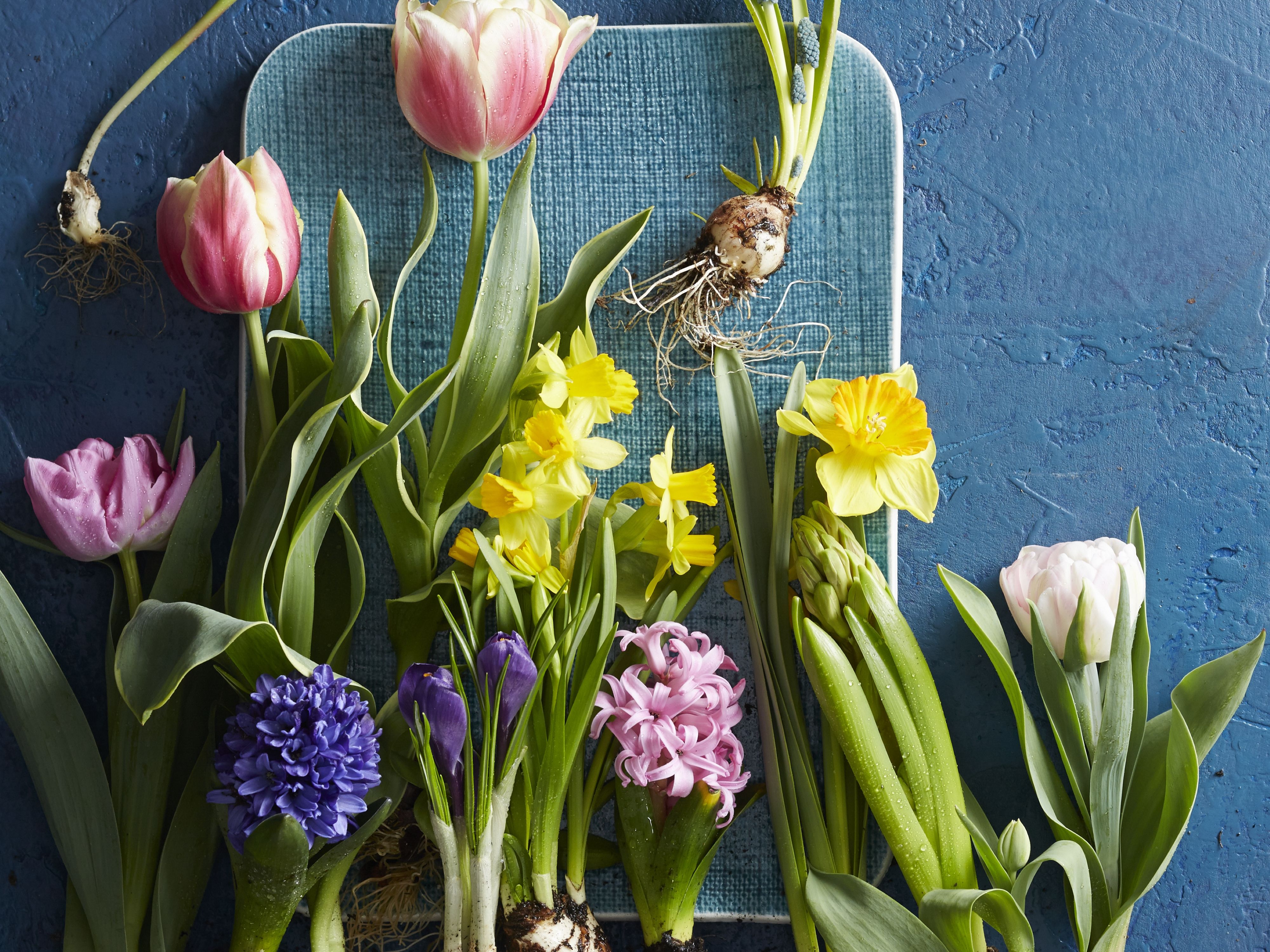
There are two kinds of fall bulb shoppers: the calm, strategic gardener with a tape measure and a plan, and the rest of us standing in front of a bulb display whispering, “Well, I do need 47 more tulips in a color called Moonlit Sorbet.” If that second person sounds familiar, welcome. You are among friends.
The good news is that planting flower bulbs for fall doesn’t have to feel like funding a tiny underground luxury resort. With the right strategy, you can build a gorgeous spring display without blowing your gardening budget. In fact, a little bulb math and a little restraint can stretch your dollars farther than you’d think.
The smartest way to save money on flower bulbs is not always to buy the cheapest bag. Real savings come from choosing bulbs that return well, buying the right quantities, matching bulb size to the job, planting them where they’ll actually thrive, and designing for maximum visual impact. In other words: spend smarter, not just less.
Here are five smart ways to save money on your favorite flower bulbs for fall planting, plus practical lessons from real-world bulb shopping and planting mistakes that most gardeners learn the fun way. Or the muddy way. Usually both.
1. Choose Bulbs That Give You More Than One Season of Beauty
If you want to save money on fall planting bulbs, the first rule is beautifully simple: buy bulbs that are likely to come back. A bulb that blooms once and disappears into gardening legend is not nearly as budget-friendly as one that multiplies, naturalizes, or reliably returns every spring.
Daffodils are one of the best examples. They’re famously dependable, and in the right conditions they can increase over time. That means one purchase can eventually turn into a larger drift of color without requiring you to rebuy the whole display every year. Crocus, muscari, scilla, and some alliums are also popular value picks because many of them naturalize well.
Tulips, on the other hand, are where budgets sometimes go to have a dramatic emotional experience. Tulips are stunning, but many of the large modern hybrids don’t return with the same vigor year after year. Some gardeners treat them almost like annuals, especially in climates or beds where conditions are less than ideal. If tulips are your favorite, you do not need to break up with them. Just be strategic. Reserve the premium tulips for high-visibility spots, and lean on longer-lasting bulbs elsewhere.
Best value-focused bulb choices for many gardens
Budget-conscious gardeners often get the most mileage from daffodils, crocus, muscari, scilla, and selected alliums. Species tulips and some perennial-style tulip varieties can also be smarter long-term choices than oversized, ultra-fancy hybrids that put on a one-season Broadway performance and then retire.
This does not mean you have to plant only the sensible bulbs. Gardening would be unbearably boring if every decision were practical. It just means you can build your foundation with reliable performers and use pricier or fussier bulbs as accents. Think of daffodils as the sturdy sofa and boutique tulips as the throw pillows.
2. Buy in Bulk, but Only After You Measure and Make a Plan
Bulk buying is one of the easiest ways to save money on flower bulbs for fall planting. Specialty bulb retailers often offer lower per-bulb prices when you order larger quantities, and naturalizing mixes can give you more color for less money than buying lots of small individual packs.
But there is a catch. Bulk buying only saves money if you actually need the quantity you buy. A bargain is not a bargain if half the bulbs are still sitting in the garage while you stare at frozen ground in late November.
Before ordering, sketch the bed or border and estimate the square footage. Then decide whether you want a soft, scattered look or a dense “look at me, neighbors” display. Bulbs usually look best in groups and drifts, not lonely military rows. That means it’s often smarter to plant fewer varieties in generous clusters than to buy one of everything and end up with a spring garden that looks like it can’t commit.
How to make bulk buying work for your budget
Measure first. Count second. Shop third. This order matters more than most gardeners want to admit.
If you’re planting a front walkway, one big drift of 50 daffodils will usually look more expensive and polished than five random groups of 10 unrelated bulbs. The same is true in lawn edges, beneath deciduous trees, or along foundation beds. Repetition creates impact, and impact makes the planting look more luxurious without necessarily increasing the budget.
Bulk packs are especially useful when you’re planting naturalizing bulbs in larger areas. A sweep of crocus in the lawn, a ribbon of muscari along a border, or a broad drift of daffodils under shrubs often gives a much stronger return on investment than tiny scattered packets bought on impulse.
And yes, impulse bulb buying is real. Gardeners know. Garden centers know. The squirrels definitely know.
3. Compare Bulb Size and Quality, Not Just the Price Tag
One of the sneakiest ways people overspend on flower bulbs is by focusing only on the package price instead of the actual value. A cheaper bag of undersized or poor-quality bulbs may look like a deal, but if the bulbs produce weaker blooms, fewer stems, or shorter-lived performance, the “savings” disappear fast.
Healthy bulbs should feel firm, not mushy, moldy, or dried out. In many bulb categories, larger bulbs produce stronger flowering performance. That doesn’t mean you need the largest grade for every single planting, but it does mean that quality matters.
A smart budget move is to match bulb grade to purpose. Use larger, premium bulbs where you want the biggest impact, such as containers by the front door, a focal bed near the patio, or a formal entry border. Then use more affordable bulbs or smaller naturalizing types in secondary spaces, woodland edges, or large background drifts.
Where to spend and where to save
Spend more on bulbs for close-up viewing. Save on bulbs for mass planting at a distance.
For example, a pot on the porch filled with top-size hyacinths or statement tulips is worth splurging on because every bloom is on display. But if you’re filling a long side yard border, a mix of daffodils, crocus, and muscari may give you more beauty per dollar.
This is the gardening version of buying one great coat instead of twelve mediocre sweaters. Both keep you technically covered, but one choice ages much better.
4. Plant Them Right the First Time So You Don’t Pay Twice
Nothing wastes money faster than bulbs planted in the wrong place or at the wrong depth. Even the best bulb bargain turns expensive if it rots in soggy soil, gets planted too shallow, or never establishes roots before winter.
Most spring-flowering bulbs do best in well-drained soil and should be planted in fall with enough time to root before the ground freezes. A common rule of thumb is to plant bulbs about two to three times as deep as the bulb is tall, though soil type can affect the exact depth. In heavy clay, slightly shallower planting may help. In sandy soil, slightly deeper planting can make sense.
Drainage is where many budget plans go off the rails. Bulbs generally dislike sitting in wet soil. If you’ve got a spot where water lingers after rain, that is not a bulb bed. That is a bulb regret zone.
Simple ways to protect your investment
Choose a site with good drainage and adequate sun for the bulbs you’re planting. Water after planting if the soil is dry so roots can begin to develop. Mulch where appropriate to help moderate temperature swings. Then, after bloom, let the foliage die back naturally instead of chopping it down the second it starts looking untidy. That fading foliage is the bulb’s recharge station for next year’s flowers.
This is not glamorous advice, but it is money-saving advice. Good aftercare is often the difference between bulbs that return and bulbs that become a sentimental memory you mention every October.
If critters are a problem in your area, you can also save money by favoring bulbs that are less tempting to pests. Daffodils and alliums are often better bets than tulips in gardens with hungry wildlife. Sometimes the cheapest bulb is the one that doesn’t become squirrel brunch.
5. Design for Maximum Impact With Fewer Bulbs
Here is the most stylish budget trick in fall bulb planting: you do not need more bulbs nearly as often as you need better placement.
Bulbs are far more effective in clusters, drifts, and repeated patterns than they are in isolated singles. If you have 30 bulbs, plant them in three generous groups of 10 instead of scattering them around the yard like floral confetti. The grouped planting will look fuller, richer, and more intentional.
You can also stretch your budget by combining bulb types with different bloom times. For instance, crocus can start the show, daffodils can carry the middle act, and alliums can close the curtain. This sequencing makes one planting area feel active for longer, which gives you more visual value from the same square footage.
Budget-friendly design ideas
Use small bulbs in large numbers where they can naturalize. Tuck crocus or scilla into lawn edges or beneath deciduous trees. Plant daffodils behind emerging perennials that will later hide their fading foliage. Create one eye-catching container near the front door instead of trying to force a major display into every corner of the yard.
Another clever approach is to build a “focal point first” plan. Spend most of your bulb budget where you actually see it from a window, front walk, or patio. Less-visible areas can wait for next season. Gardens are not graded on completion. They are grown in chapters.
And that’s good news, because bulb catalogs tend to make gardeners feel like they are one unpurchased allium away from emotional collapse.
Final Thoughts: Saving Money on Fall Bulbs Is Really About Playing the Long Game
If you want a beautiful spring garden without overspending, the best strategy is part shopping plan, part design plan, and part self-control. Choose reliable bulbs that return well. Buy in bulk when it makes sense. Pay attention to bulb size and quality. Plant properly. And design in bold, intentional groups instead of weak little scatterings.
That combination gives you the real budget win: a garden that looks generous without requiring a reckless autumn checkout cart.
In other words, the smartest money-saving move is not just finding cheap flower bulbs. It’s building a planting plan that keeps paying you back in spring color year after year.
That, and walking away from the seventh bag of novelty tulips you definitely do not need. Probably.
Extra Experience: What Budget-Friendly Bulb Planting Taught Me
The first time I tried to save money on flower bulbs for fall planting, I made the classic beginner mistake: I bought by emotion instead of by plan. I came home with a little bit of everything. Ten pink tulips. Seven white tulips. A few hyacinths. One lonely bag of crocus. Some mystery bulbs I bought because the package photo looked like spring had hired a stylist. On planting day, I realized I didn’t have enough of any one thing to make a real statement, so I spread them all over the yard. The result was not elegant. It looked like the garden had lost a small bet.
The next year, I changed tactics. I bought mostly daffodils, crocus, and muscari, plus a smaller number of tulips for one focal bed near the front door. Immediately, the whole garden looked more polished. The drifts of repeating color had much more impact, and because the daffodils and minor bulbs were dependable, the display felt richer even though I had spent more carefully, not more heavily.
I also learned that cheap bulbs are not always cheap. One year I grabbed a discount bag from a big display without checking bulb condition. Some were soft, some were undersized, and a few never amounted to much. That same season, the firmer, better-sized bulbs I bought from a specialty seller performed far better. That experience changed the way I shop. Now I compare value, not just sticker price. I’d rather buy fewer excellent bulbs than a mountain of questionable ones.
Another lesson came from planting location. I once tucked bulbs into a bed that looked sunny in October but turned soggy and miserable in winter. By spring, the display was underwhelming, and I had basically paid for a lesson in drainage. Since then, I’ve become very picky about where bulbs go. The well-drained spots get the investment bulbs. The iffy spots get improved first or skipped entirely.
The biggest money-saving change, though, was mental. I stopped trying to create a magazine-worthy full-yard transformation in one season. Instead, I focused on the places I actually see every day: the front steps, the mailbox bed, and the border outside the kitchen window. Once I concentrated the budget there, the garden felt fuller and more joyful. A small, well-planned bulb display can look far more luxurious than a big, scattered one.
So if you’re trying to save money on your favorite flower bulbs this fall, take it from someone who has absolutely been seduced by pretty packaging: a measured plan beats a shopping spree every time. The good news is that bulbs reward patience. Every smart choice you make now can turn into a stronger, prettier, more affordable spring display later. And honestly, that kind of delayed gratification is about as close as gardening gets to magic.