The phrase “toy storage” usually sounds about as exciting as a laundry basket full of missing puzzle pieces. But the Oeuf Classic Toy Store is one of those rare children’s furniture pieces that makes organization feel intentional, stylish, andmiracle of miraclesalmost fun. Designed by Oeuf, the Brooklyn-born children’s furniture brand known for modern silhouettes and sustainability-minded production, this toy organizer is less of a plastic bin situation and more of a tiny, design-forward command center for childhood chaos.
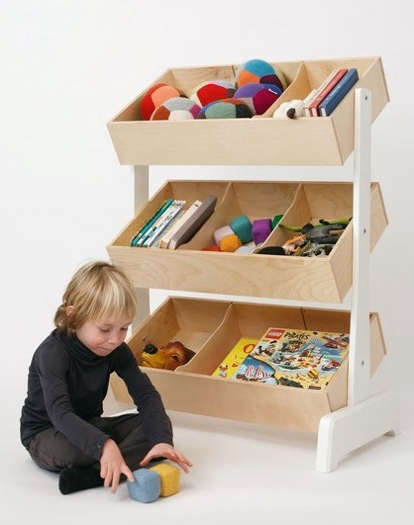
At first glance, the Oeuf Classic Toy Store looks simple: a clean white-and-birch storage unit with three tiers of open bins. But that simplicity is exactly the point. It is built for the way kids actually live: grab, dump, sort, stack, rediscover, and occasionally hide a cracker behind a wooden divider. For parents trying to create a calm playroom, Montessori-inspired bedroom, nursery corner, or shared family space, this piece offers an elegant way to make toys visible, reachable, and easier to put away.
This guide takes a deep look at what the Oeuf Classic Toy Store is, why it stands out, how it compares to ordinary kids’ toy storage, and how families can use it in real homes without turning the playroom into a museum where nobody is allowed to touch anything.
What Is the Oeuf Classic Toy Store?
The Oeuf Classic Toy Store is a modern children’s storage organizer designed for toys, books, puzzles, craft supplies, stuffed animals, building blocks, and all the tiny mystery objects that children collect as if preparing for an archaeological dig. It features three tiers of easy-to-reach storage bins, with dividers that can be removed depending on what needs to be stored.
Unlike a traditional toy chest, where everything disappears into a dark wooden cave and the favorite dinosaur is never seen again, the Oeuf Toy Store uses open compartments. Children can see what they own, choose what they want, and return items to a logical place. That open design is especially helpful for younger kids because it reduces the “Where is my thing?” drama that tends to occur five minutes before bedtime.
The unit is commonly associated with Oeuf’s Classic collection aesthetic: clean lines, pale wood tones, a minimalist white-and-birch look, and a design language that fits easily into modern nurseries, Scandinavian-inspired playrooms, and family living rooms where adults still want the house to look like adults live there.
Key Features of the Oeuf Classic Toy Store
Three Tiers of Kid-Friendly Storage
The main appeal of the Oeuf Classic Toy Store is its three-tier structure. The compartments are positioned at child height, so toddlers and young children can reach their toys without climbing, dragging a chair across the room, or summoning a parent like a royal servant. This makes the unit practical for daily play and cleanup.
Low, accessible storage also supports independence. In Montessori-style rooms and child-centered spaces, furniture is often scaled to the child so kids can choose materials, complete tasks, and restore order on their own. The Oeuf Toy Store fits neatly into that philosophy without looking like classroom furniture.
Adjustable Flat or Tilted Bins
One of the smartest design details is that the storage bins can be installed flat or tilted. Flat bins work well for books, puzzles, board games, and larger items that need stable support. Tilted bins are great for quick visual access, especially for toys children use every day, such as wooden blocks, toy cars, animal figures, dolls, pretend food, or art supplies.
This flexibility matters because kids’ belongings change fast. One month the house is ruled by chunky stacking toys; the next month it is invaded by LEGO bricks, tiny figurines, and craft pom-poms that multiply when no one is watching. A storage piece that adapts is more useful than one that only works for one age or one type of toy.
Removable Dividers
The removable dividers are another practical feature. With dividers in place, the Toy Store can create smaller categories: blocks in one section, trains in another, puzzles in a third, books in a fourth. Remove the dividers, and the compartments can hold bulkier items like stuffed animals, large wooden toys, costume accessories, or oversized puzzles.
This is where the unit earns its “Toy Store” name. It can look like a miniature shop display where every category has a home. Children enjoy browsing their own toys, and parents enjoy not stepping on a wooden strawberry at 6:42 a.m.
Sustainable Materials and Safer Finishes
Oeuf is known for using materials such as Baltic birch plywood and eco-MDF in its furniture. The brand’s furniture is also associated with non-toxic, water-based finishes and GREENGUARD Gold certification, a standard focused on lower chemical emissions and healthier indoor air quality. For nurseries and children’s rooms, these details matter because small children spend plenty of time close to furniture surfaces, floors, mattresses, rugs, and everything else they can turn into a personal lounge.
The Oeuf Classic Toy Store is not simply a pretty shelf. It is part of a broader design philosophy that values longevity, responsible production, and furniture that can survive more than one childhood. That is helpful for families who prefer buying fewer, better pieces instead of replacing cracked plastic bins every year.
Why Parents Like the Oeuf Classic Toy Store
It Makes Cleanup More Realistic
Parents do not need a toy organizer that looks nice only when photographed by a lifestyle blogger with excellent lighting and suspiciously calm children. They need something that works on a Tuesday afternoon when the floor is covered in wooden vegetables, train tracks, sock puppets, and one crayon with no wrapper.
The Oeuf Classic Toy Store helps because it creates obvious destinations. Instead of saying, “Clean up the toys,” which can feel like asking a toddler to reorganize a warehouse, a parent can say, “Cars go in this bin, books go here, animals go there.” The visual structure turns cleanup into a matching game.
It Encourages Independence
Because the bins are easy to reach, children can participate in both play and organization. They do not have to ask an adult to retrieve every item. They can select a puzzle, pull out blocks, or choose a book without help. After playtime, they can return items to the same compartments.
This may sound small, but it builds habits. A child who knows where things belong is more likely to help maintain the space. Will they do it perfectly? Absolutely not. A three-year-old’s filing system may still include placing a banana in the train bin. But the furniture gives them a framework.
It Looks Good in Shared Spaces
Many families do not have a separate playroom. Toys often live in the living room, bedroom, hallway nook, or office corner. That is where the Oeuf Toy Store shines. Its clean design is polished enough for common areas while still being practical for children.
The white-and-birch look pairs easily with neutral rugs, warm wood floors, woven baskets, modern cribs, Scandinavian furniture, and colorful toys. It does not scream “daycare storage unit,” which is a compliment in the world of children’s furniture.
Oeuf Classic Toy Store vs. Traditional Toy Boxes
A traditional toy box can be charming, but it often creates one big problem: everything gets buried. Kids dump the whole box to find one item, then the room looks like a toy tornado held a board meeting. The Oeuf Classic Toy Store solves that problem by separating toys into visible zones.
Here is how the two storage styles compare:
- Visibility: The Oeuf Toy Store keeps toys visible; toy boxes hide them.
- Access: Open bins are easier for small children to reach and use.
- Organization: Divided compartments support categories; large boxes encourage mixing.
- Cleanup: Kids can return items to specific sections instead of dumping everything into one pile.
- Design: The Oeuf unit functions as furniture, not just a container.
That does not mean toy boxes are useless. They can work well for dress-up clothes, plush animals, or large soft toys. But for mixed toy collections, especially toys with small parts, an open organizer like the Oeuf Classic Toy Store usually makes daily life easier.
Best Uses for the Oeuf Classic Toy Store
Playroom Storage
In a playroom, the Toy Store can become the main organization hub. Use one tier for building toys, one for pretend play, and one for books or puzzles. Keep the most-used toys in the easiest-to-reach bins and rotate less-used items to avoid visual overload.
Nursery Organization
In a nursery, the unit can hold board books, rattles, soft toys, teethers, stacking cups, and small blankets. As the baby grows into toddlerhood, the same organizer can transition into toy storage. This makes it more versatile than nursery-specific furniture that loses usefulness after the first stage.
Montessori-Inspired Bedrooms
For families creating a Montessori-inspired bedroom, the Oeuf Toy Store works well because it supports independence and order. Keep only a limited number of toys visible, arrange them by category, and leave enough empty space so each item feels intentional. Children often engage more deeply when they are not overwhelmed by too many choices.
Art and Craft Supplies
The removable dividers make the unit useful for craft organization. One compartment can hold paper, another can hold washable markers, another can hold glue sticks, and another can hold collage materials. For safety, keep scissors, permanent markers, and small choking hazards out of reach unless the child is old enough and supervised.
Book and Puzzle Display
The tilted-bin setup can also work for displaying board books and puzzles. Front-facing storage helps children recognize covers and choose independently. It also prevents books from turning into one leaning tower that collapses every time someone wants “Goodnight Moon.”
How to Organize the Oeuf Classic Toy Store
To get the most out of the Oeuf Classic Toy Store, avoid filling every compartment to the brim. Overstuffed bins are hard for children to use and harder to clean. A good rule is to leave breathing room. If a child cannot remove a toy without causing a landslide, the bin is too full.
Try organizing by play category:
- Building: blocks, magnetic tiles, wooden cubes, construction toys
- Pretend play: toy food, dolls, animals, doctor kits
- Movement: scarves, balls, soft play items
- Learning: puzzles, matching games, alphabet toys
- Reading: board books, picture books, seasonal books
- Creative: crayons, paper, stickers, stamps, supervised craft supplies
Labels can help, especially for preschoolers. Use simple words, pictures, or both. A picture of a car on the car bin makes cleanup more intuitive. For early readers, labels become a subtle literacy tool. Look at that: organization and reading practice, sneaking into the house like a responsible ninja.
Safety Considerations for Children’s Storage Furniture
Any furniture placed in a child’s room should be considered from a safety perspective, not just a design perspective. Even sturdy furniture can become risky if children climb on it, pull on it, or use it as a ladder to reach something fascinating and forbidden.
Parents and caregivers should follow the manufacturer’s assembly instructions, check that all hardware is secure, and consider wall anchoring where appropriate. Child-safety organizations and consumer safety guidance consistently emphasize anchoring furniture with shelves, drawers, or doors to reduce tip-over hazards. The Oeuf Classic Toy Store is designed for children’s use, but smart placement and secure installation still matter.
It is also wise to avoid placing heavy items on upper shelves or bins. Keep lightweight toys higher and heavier toys lower. If the unit is in a toddler’s room, skip small loose parts that could pose choking risks. A beautiful playroom is lovely; a safe playroom is non-negotiable.
Design Tips: Making the Toy Store Look Beautiful and Useful
Use Toy Rotation
Toy rotation means keeping only some toys available while storing the rest elsewhere. Every week or two, swap items. This helps reduce clutter and makes old toys feel new again. The Oeuf Classic Toy Store is ideal for rotation because its open compartments make it obvious when the space is overcrowded.
Mix Practical and Pretty
Do not organize only for aesthetics. Yes, wooden toys look lovely on birch shelves, but real children also own neon plastic dinosaurs, birthday party favors, and one mysterious toy that plays music at the worst possible time. Give everyday favorites prime placement, even if they do not match the room’s color palette.
Create Zones Around the Unit
Place a small rug nearby for building blocks, a child-sized table close to craft supplies, or a reading cushion beside the book section. The Toy Store works best when it anchors an activity zone rather than floating randomly in a room.
Keep the Top Simple
The top surface can hold a lamp, a basket, a small plant placed safely out of reach, or a rotating display of favorite books. Avoid cluttering the top with heavy objects or fragile décor. Children are curious, and gravity is undefeated.
Is the Oeuf Classic Toy Store Worth It?
The Oeuf Classic Toy Store sits in the premium children’s furniture category, so it is not the cheapest toy organizer on the market. Families can absolutely find lower-cost storage systems from big-box retailers. The question is not whether cheaper options exist; they do. The question is whether this piece offers enough design, durability, flexibility, and sustainability value to justify the investment.
For families who want long-lasting modern kids’ furniture, the answer may be yes. The unit is versatile enough for nurseries, toddler rooms, playrooms, homeschool corners, and shared living spaces. Its adjustable bins and removable dividers give it a longer useful life than many single-purpose toy organizers. Its materials and certifications also appeal to parents who care about indoor air quality and responsible production.
However, if a family needs ultra-budget storage, frequently moves, or wants something lightweight and temporary, a simpler bin system may be more practical. The Oeuf Toy Store is best for households that want a furniture-quality storage piece and are willing to pay for design and longevity.
Who Should Buy the Oeuf Classic Toy Store?
The Oeuf Classic Toy Store is a strong fit for families who want children’s storage that blends function with style. It is especially useful for parents creating a calm, organized environment without hiding every toy behind cabinet doors.
It may be a great choice if you:
- Prefer modern, minimalist, or Scandinavian-inspired children’s furniture.
- Want open toy storage that children can access independently.
- Care about sustainability-minded materials and lower-emission furniture.
- Need a storage piece that can move from nursery to playroom to bedroom.
- Like the idea of toy rotation and visible organization.
- Want a premium alternative to plastic toy bins.
It may not be ideal if you need hidden storage, have very limited floor space, or prefer lightweight pieces that can be moved from room to room daily. The Toy Store is furniture, not a collapsible bin. It wants a real place in the room, preferably one where it can quietly judge the pile of plush animals in the corner.
500-Word Experience Section: Living With an Oeuf Classic Toy Store
The real test of any children’s furniture is not how it looks on delivery day. Everything looks good on delivery day. The room is clean, the floor is visible, and parents are still speaking in hopeful sentences like, “This will finally keep everything organized.” The real test begins two weeks later, when the toy cars have migrated to the kitchen, the puzzle pieces are mingling with socks, and someone has placed a stuffed rabbit face-down in the book bin like a tiny crime scene.
In everyday family life, the Oeuf Classic Toy Store works best when it becomes part of a routine rather than a decorative object. The first experience many parents notice is that children naturally gravitate toward open storage. When toys are visible, kids remember what they have. A wooden train in a tilted bin invites play more effectively than a train buried under a pile of plush animals. The organizer acts like a gentle display shelf, presenting options without shouting.
Another practical experience is that cleanup becomes more specific. Instead of asking a child to clean the entire room, parents can point to one category at a time: “Let’s put the blocks back in this section,” or “Can the animals go to their home?” Children respond better to small, clear tasks. The Oeuf Toy Store’s compartments make that possible. It turns a giant mess into several small messes, which is basically the parenting version of project management.
The removable dividers are especially helpful as children grow. During the toddler years, larger compartments may hold chunky toys, soft books, and simple puzzles. Later, the same storage can be divided into sections for magnetic tiles, pretend food, wooden animals, art supplies, or early reading materials. The piece does not become obsolete the moment a child moves from stacking rings to elaborate pretend restaurants where you are served invisible soup and charged $400.
Parents also tend to appreciate how the Oeuf Classic Toy Store changes the mood of a room. A play area feels calmer when toys are not spilling from random baskets. The white-and-birch finish has a clean, warm look that softens visual clutter. Even colorful toys look more intentional when grouped in simple wooden compartments. It will not magically make children minimalists, but it can make their chaos look better edited.
There are a few real-life lessons, too. First, do not overfill it. The Toy Store works beautifully when each section has a manageable number of items. Cramming too much into every bin makes it harder for children to use and defeats the purpose. Second, rotate toys regularly. A half-empty organizer with well-chosen toys is more inviting than a stuffed organizer full of forgotten objects. Third, place the most-used toys at the easiest level. If a child reaches for blocks daily, blocks should not live in the least convenient corner.
The Oeuf Classic Toy Store also encourages parents to edit. When every toy has a visible home, duplicates and neglected items become obvious. That can lead to healthier toy habits: donating what is no longer used, repairing what is loved, and keeping only what supports real play. In that sense, the Toy Store is not just storage. It is a quiet reminder that children do not need endless things; they need access, order, imagination, and enough floor space to build a blanket fort that will absolutely violate local zoning laws.
Conclusion
The Oeuf Classic Toy Store is more than a handsome piece of kids’ storage furniture. It is a thoughtful solution for families who want toys to be accessible, organized, and part of a beautiful room instead of a plastic-bin avalanche. With three tiers of open storage, removable dividers, flexible bin positioning, sustainable-minded materials, and a clean modern look, it supports both child independence and parent sanity.
It is not the cheapest toy organizer available, and it may not be necessary for every household. But for families investing in durable, design-forward children’s furniture, it offers a rare combination of function, style, and long-term usefulness. Used well, it can make playrooms calmer, bedrooms tidier, and cleanup routines less dramatic. That alone may be worth celebratingpreferably with a cup of coffee that nobody has used to wash a toy dinosaur.
Note: This article is written in original American English and synthesized from verified product information, child-centered organization principles, sustainability details, and furniture safety best practices.