A school uniform can save you from the daily crisis of staring into a closet and declaring, “I have absolutely nothing to wear,” while standing in front of several perfectly wearable outfits. Still, wearing the same combination of polo shirts, button-downs, plaid skirts, khaki pants, or navy sweaters every weekday can make personal style feel temporarily suspended.
The good news is that a uniform does not have to erase your personality. Thoughtful accessories can make a standard outfit feel more polished, comfortable, and unmistakably yours. The trick is to work with your school’s dress code rather than treating it as an opponent in a courtroom drama.
Uniform rules vary widely. One school may permit colorful socks and several pieces of jewelry, while another may specify exact colors for shoes, belts, headbands, and even shoelaces. Current U.S. school policies commonly place limits on jewelry size, shoe styles, hair accessories, colors, logos, and items considered distracting or unsafe.
Before buying anything, read the latest student handbook. Then use the four strategies below to accessorize your school uniform without collecting dress-code warnings like trading cards.
1. Use Shoes, Socks, and Belts to Build Your Look
Shoes, socks, and belts are among the easiest ways to change the mood of a uniform. They are practical, visible, and available in enough styles to make even a basic navy-and-khaki outfit feel intentional.
Choose shoes that match your personal style
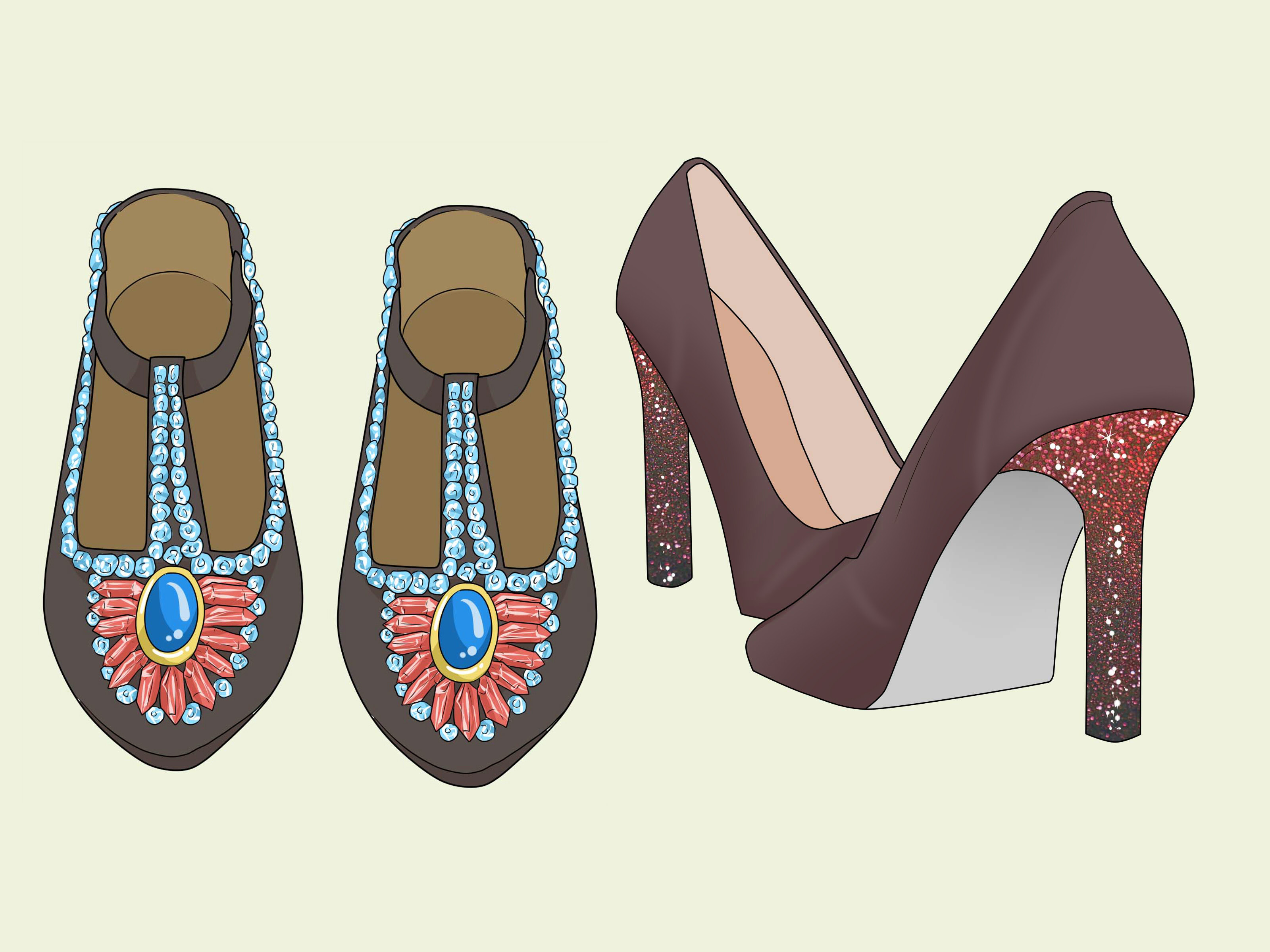
If your school allows multiple footwear styles, decide what you want your shoes to communicate. Clean white sneakers create a casual, modern look. Black loafers make a uniform appear more traditional and polished. Simple flats can feel elegant, while lace-up shoes add a slightly academic, vintage-inspired touch.
Students who prefer a sporty look might choose streamlined sneakers in an approved color. Someone with a classic style could wear polished leather or synthetic-leather shoes. A student who likes subtle details might look for contrast stitching, textured panels, small metallic accents, or unusual lacesprovided the dress code permits them.
Comfort matters more than obtaining footwear that looks impressive for twelve seconds in a mirror. School-aged children and teens spend long hours walking through hallways, standing during activities, climbing stairs, and occasionally sprinting because the bell has apparently developed a personal grudge. The American Podiatric Medical Association advises choosing properly fitted, flexible, flat-soled shoes for everyday wear unless a medical need requires something different.
Check that your toes have room to move, your heel does not slide excessively, and no seam rubs against your foot. Try shoes on with the socks you normally wear to school. A stylish shoe that produces blisters by second period is not an accessory; it is a portable punishment device.
Let socks add controlled color
When colorful footwear is prohibited, socks may provide a smaller canvas for self-expression. Depending on school rules, you might rotate among:
- School-color crew socks
- Ribbed knee-high socks
- Subtle stripes or tiny patterns
- Neutral ankle socks with textured details
- Seasonal colors that remain within the approved palette
Keep the rest of the outfit balanced. Patterned socks look best when your shoes and other accessories are relatively simple. If you are already wearing decorative hair clips, a bright watch, and a backpack covered in pins, socks featuring neon dinosaurs may turn the outfit into a committee meeting where everyone is shouting.
Finish the outfit with a belt
A belt can make uniform pants, shorts, or a skirt look more structured. Black and brown belts are the safest options when rules are strict. If more variety is allowed, consider braided belts, reversible designs, subtle textures, or buckles in silver, gold, or matte black.
Match the belt loosely with your shoes rather than obsessing over an exact shade. Black shoes with a black belt create a formal appearance, while brown accessories soften khaki or navy pieces. The goal is coordination, not forensic color matching.
2. Add Jewelry and Hair Accessories Carefully
Small jewelry and hair accessories can make a noticeable difference without changing the uniform itself. They are especially useful when your school requires specific shirts, bottoms, sweaters, and shoes.
Keep jewelry simple and school-friendly
Start with one focal point. That could be a watch, a delicate necklace, a bracelet, a ring, or a pair of small earrings. Minimal pieces usually blend well with uniforms and are less likely to violate rules designed to prevent distractions or safety problems.
Possible choices include:
- Small stud or hoop earrings
- A thin chain with a modest pendant
- A simple analog or digital watch
- One understated bracelet
- A signet ring or slim stacking ring
Avoid jewelry that is heavy, sharp, noisy, extremely long, or likely to catch on clothing and equipment. Large hoops, dangling chains, bulky bracelets, and oversized rings may be inappropriate for physical education, science labs, art rooms, workshops, or crowded hallways.
Quality and safety also deserve attention, particularly for younger students. The U.S. Consumer Product Safety Commission maintains safety standards and guidance covering children’s jewelry, including concerns involving hazardous materials in certain products. Buy age-appropriate accessories from reputable sellers, inspect damaged coatings or broken clasps, and stop wearing anything that causes irritation.
Coordinate metals and colors
You do not have to match every metal perfectly, but repeating one finish can make an outfit look more cohesive. For example, silver earrings can coordinate with a silver watch buckle, while a gold pendant can echo a gold-toned belt buckle.
Students who enjoy mixing metals can do so deliberately. Choose one dominant finish and use the second in a smaller amount. This creates contrast without making it look as though you got dressed during a power outage.
Use hair accessories as functional decoration
Headbands, barrettes, bows, scrunchies, clips, and simple hair ties can combine practicality with personality. Select colors that complement the uniform, such as burgundy with gray, navy with white, forest green with khaki, or black with almost anything.
For a polished look, try a narrow headband, matching clips on each side, or a ribbon tied around a ponytail. For a relaxed style, use a fabric scrunchie in a muted color. Students with short hair might add small clips or use an approved headband to keep hair away from the face.
Do not assume every accessory is acceptable just because it is tiny. Some schools limit hair accessories to uniform colors, prohibit oversized bows, or restrict styles considered distracting. Check the written policy before arriving with a headpiece large enough to receive its own student ID.
3. Turn Your Backpack and School Supplies Into Accessories
If your school’s clothing rules are extremely strict, your backpack and supplies may offer more room for creativity. A bag is practical, visible, and easy to personalize without altering the official uniform.
Pick a backpack that supports your style
A structured black or navy backpack creates a clean, minimalist look. A canvas bag feels casual and creative. A backpack in a rich solid colorsuch as dark green, burgundy, cobalt, or lavendercan provide contrast while remaining suitable for school.
Patterns can work well, too, especially when the uniform is plain. Consider checks, small florals, geometric prints, or subtle illustrations. Choose a design you will still enjoy several months later. A backpack is a daily companion, not a dramatic weekend fling.
Function should guide your choice. Look for comfortable shoulder straps, durable zippers, a water-bottle pocket, and compartments for books, devices, and smaller items. The American Academy of Pediatrics recommends a properly fitted backpack with wide, padded straps and encourages students to use both straps. It also advises keeping the load light and regularly removing unnecessary items.
A backpack does not become more fashionable when it contains three forgotten water bottles, last semester’s worksheets, a fossilized sandwich, and enough loose paper to start a recycling company.
Personalize without creating clutter
When permitted, personalize your backpack with one or two carefully selected details:
- An embroidered name tag
- A small keychain
- A removable ribbon
- A luggage tag
- A fabric patch
- A limited collection of pins
Choose items connected to your interests, such as music, books, sports, animals, art, gaming, travel, or a favorite school club. Avoid offensive messages, sharp objects, noisy decorations, or anything valuable enough to cause heartbreak if it disappears.
Coordinate smaller school supplies
Your pencil case, laptop sleeve, water bottle, lunch bag, notebook covers, and folders can reinforce the same visual theme. A student who likes minimalist style might choose black, gray, and white supplies. Someone who loves color could use a coordinated palette of teal, coral, and yellow. A book lover might select literary illustrations, while an artist might decorate removable notebook covers with original drawings.
Do not feel obligated to make everything match. Coordination simply means the pieces look related. Think “friendly group project,” not “identical clones reporting for duty.”
4. Personalize With Layers, Grooming, and Small Details
The final method focuses on subtle choices that influence the entire outfit. Approved layers, neat grooming, and carefully repeated details can create a signature look without depending on bold accessories.
Use approved layers strategically
If your school allows cardigans, sweater vests, blazers, tights, jackets, or undershirts, use those pieces to introduce texture and shape. A fitted cardigan creates a tidy, classic appearance. A sweater vest adds academic charm. A blazer makes the outfit more formal, while an approved zip-up sweater may feel sportier.
Layer according to the weather rather than wearing every available piece at once. A blazer, cardigan, vest, scarf, and jacket may look impressive for approximately four minutes before you begin overheating beside the math classroom radiator.
Make sure every layer fits properly. Sleeves should not cover your hands, shoulders should sit correctly, and sweaters should not bunch underneath jackets. Clean lines make inexpensive uniform pieces look more polished.
Create a consistent grooming routine
Personal style is not limited to objects you can purchase. Neatly styled hair, clean shoes, cared-for nails, and wrinkle-free clothing have a major effect on how a uniform looks.
Try choosing two or three school-friendly hairstyles that are quick enough for busy mornings. Depending on your hair type and school rules, these might include a low ponytail, braids, a bun, a side part, defined curls, twists, or a simple clipped-back style.
Makeup, nail color, facial hair, and hair color may be regulated, so review those sections of the handbook as well. When cosmetics are allowed, a light and practical routine is usually easier to maintain during a long school day.
Develop one signature detail
A signature detail makes your style recognizable without requiring a completely different outfit every day. It might be:
- A particular watch
- A favorite approved hairstyle
- Matching hair ribbons and socks
- A rotating collection of small earrings
- A distinctive backpack
- A consistent color used across several accessories
Repeat the detail often enough that it feels intentional, but leave room for variety. Personal style should feel like a useful shortcut, not another school assignment with a grading rubric.
How to Keep an Accessorized Uniform Balanced
The easiest styling principle is to choose one main accessory and one or two supporting details. For example, colorful shoes can be the focal point while your jewelry and hair accessories remain neutral. A decorative headband can take center stage while your shoes, socks, and backpack stay simple.
Before leaving home, ask three questions:
- Does everything comply with the current dress code?
- Can I comfortably study, walk, sit, and participate in activities?
- Is there one detail I could remove to make the outfit cleaner?
The third question is particularly useful. Accessories are supposed to complete an outfit, not surround it until the uniform sends a distress signal.
Affordable Ways to Refresh Your Uniform Accessories
You do not need a large shopping budget to personalize a school uniform. Begin by organizing what you already own. A forgotten belt, watch, ribbon, or pair of shoes may look completely different when combined with your uniform.
Next, build a small rotation rather than buying many similar pieces. One neutral belt, two pairs of comfortable shoes, several approved socks, a few hair accessories, and one everyday piece of jewelry may be enough to create dozens of combinations.
Thrift stores, clothing swaps, end-of-season sales, and hand-me-downs can reduce costs, although shoes should fit the current wearer properly. You can also refresh accessories with inexpensive changes such as replacing shoelaces, adding a removable ribbon to a bag, or using interchangeable watchbands where permitted.
Prioritize items that can be used outside school. A durable backpack, comfortable sneakers, a simple watch, or a neutral cardigan offers more value than an accessory that works with only one uniform combination.
Real Experiences With Accessorizing a School Uniform
The first week I wore a school uniform, I assumed everyone would look exactly alike. The hallway seemed to confirm my suspicion: rows of white shirts, dark pants, plaid skirts, and sweaters in the same approved colors. It felt less like a school and more like an extremely organized group photo.
By the end of the week, however, the differences became obvious. One student always wore spotless black sneakers with bright white socks. Another coordinated small hair clips with the stripe in her uniform skirt. Someone else carried a canvas backpack covered with carefully arranged patches from museums, national parks, and school clubs.
The uniforms were identical on paper, but nobody looked entirely the same.
My first attempt at accessorizing was not especially sophisticated. I attached several keychains to my backpack because each one looked good individually. Together, they sounded like a kitchen drawer falling down a staircase. Teachers could hear me approaching before I entered the hallway, which is not the type of personal branding most students need.
I eventually kept one keychain and replaced the others with a small fabric patch. The bag looked cleaner, weighed less, and no longer announced my location to the entire building.
Shoes taught me another useful lesson. I once chose a pair because they looked perfect with the uniform in the store mirror. Unfortunately, I had tested them while standing still for less than a minute. After walking between classes, the heel began rubbing. By lunch, I was moving with the elegance of someone crossing a floor covered in toy bricks.
After that, I treated comfort as part of style rather than its enemy. I looked for shoes that fit correctly, supported a full school day, and still worked with the uniform. Surprisingly, I wore the comfortable pair far more often, which made them a better purchase even though the design was simpler.
I also discovered that the smallest details often received the most compliments. A narrow headband that matched the school sweater looked more intentional than a pile of unrelated accessories. A basic watch made the uniform seem polished while also helping me stop asking classmates how many minutes remained in class. Rolled sleeves looked neat on casual days, while a properly fitted cardigan made the same shirt and pants feel more formal.
There were mistakes. A decorative bracelet repeatedly hit the desk while I wrote. A loose scarf was inconvenient during science class. A beautiful bag lacked enough compartments, turning every search for a pen into an archaeological excavation. Each failure helped clarify an important point: a school accessory has to function in a real school environment.
The best approach was creating a weekly rotation. On Monday, I wore simple sneakers and a watch. Tuesday featured a coordinated belt and shoes. Wednesday was usually a sweater-vest day. Thursday included a favorite hair accessory, and Friday was reserved for the backpack patch or school-spirit colors.
This routine prevented decision fatigue without making every day feel identical. It also helped me notice which accessories were genuinely useful and which ones spent most of their lives waiting in a drawer.
Most importantly, accessorizing made the uniform feel less like something imposed on me and more like a base I could interpret. I did not need to break rules or wear anything expensive. I simply needed to pay attention to fit, color, comfort, proportion, and the few areas where the policy allowed choice.
That is the real advantage of learning how to accessorize a school uniform. Restrictions can encourage creativity. When you cannot change the main clothing, you become better at noticing the power of a clean shoe, an interesting texture, a coordinated color, or one meaningful object.
Conclusion
The best way to accessorize your school uniform is not to add as many items as possible. It is to choose a few details that express your personality, support your daily routine, and comply with school rules.
Start with comfortable shoes, socks, and a belt. Add simple jewelry or hair accessories if permitted. Treat your backpack and supplies as part of your overall look, and use approved layers and grooming choices to create a recognizable style. When everything feels balanced, practical, and genuinely connected to you, even the most standardized uniform can feel personal.
Note: Dress codes can change between school years and may differ by grade level, campus, activity, or special event. Check the current student handbook before purchasing or wearing new accessories. Research on the broader effects of school uniforms remains mixed, so this article focuses on practical personalization rather than claiming that uniforms automatically improve behavior or academic performance.