Note: HTML body only, source links intentionally omitted, and publishing artifacts removed.
Phyllo pastry has a reputation for being dramatic. It tears. It flakes. It behaves like it knows you have company coming over in an hour. But here’s the good news: phyllo dough is much easier to master than its fancy, crackly layers suggest. Once you understand how to thaw it, layer it, and keep it from drying out, you can turn a humble box of frozen dough into crisp triangles, elegant pies, savory appetizers, and desserts that look like they came from a bakery with tiny gold tongs.
This beginner’s guide to making phyllo pastries and pies walks you through the basics without the usual pastry panic. You’ll learn what phyllo is, how it differs from puff pastry, how to handle it without turning into a stressed-out kitchen poet, and which fillings are easiest for beginners. Whether your dream is spinach pie, apple strudel, baklava-inspired bars, or flaky little cheese parcels, this guide will help you build confidence one delicate sheet at a time.
What Is Phyllo Dough?
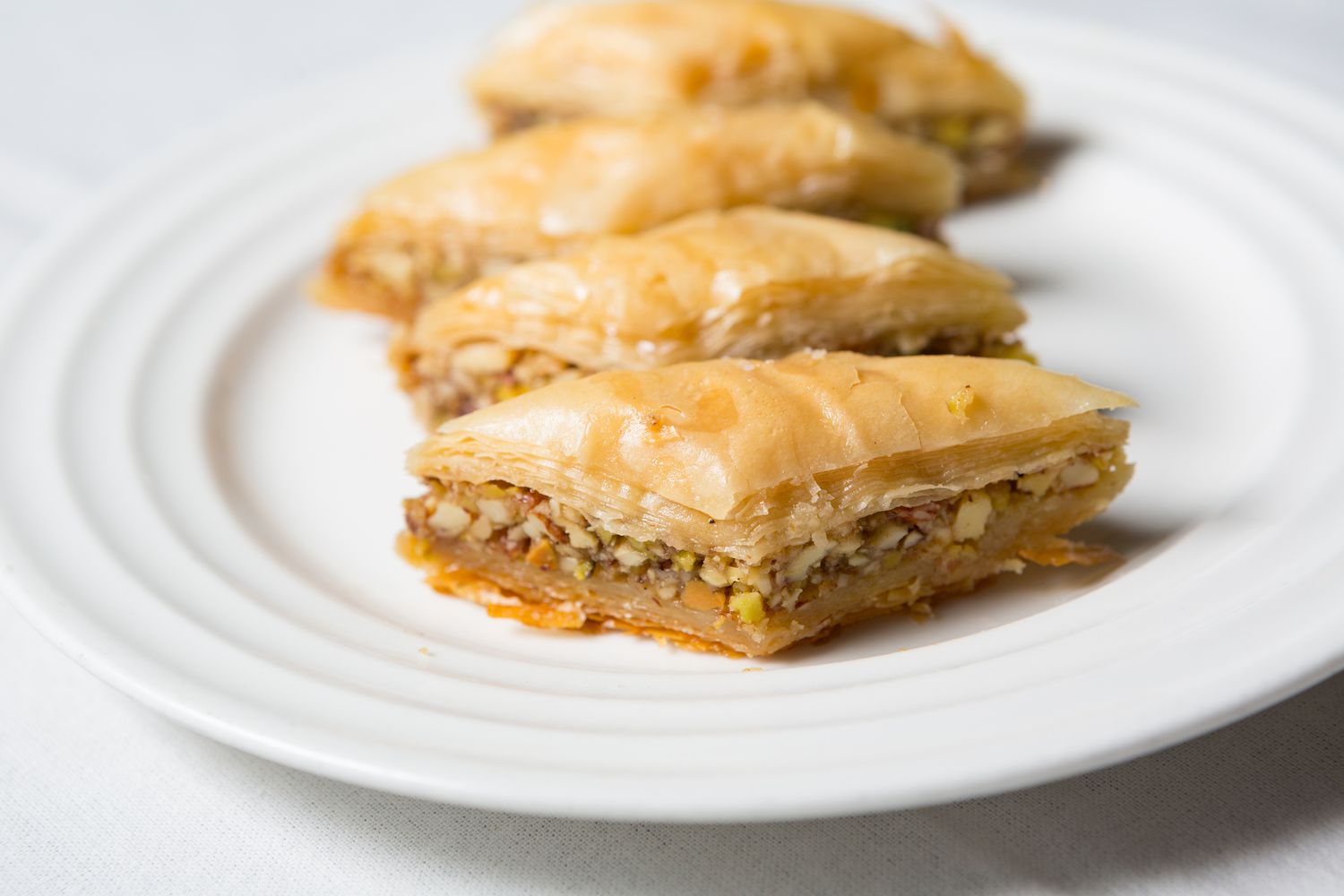
Phyllo dough, sometimes spelled filo, is an ultra-thin pastry dough used in many Mediterranean, Middle Eastern, Balkan, and Eastern European dishes. Unlike puff pastry, which gets its lift from laminated butter layers built into the dough, phyllo relies on stacked sheets separated by a light coating of fat. The result is a shatteringly crisp texture with delicate, flaky layers that turn beautifully golden in the oven.
That’s why phyllo pastries feel so dramatic on the plate. You are not biting into one thick crust. You are biting into dozens of whisper-thin layers working together like a pastry choir. Yes, that sounds overly emotional. No, it is not inaccurate.
Phyllo Dough vs. Puff Pastry
Many beginners confuse phyllo and puff pastry, but they are not interchangeable in every recipe. Puff pastry is richer, thicker, and airier, with a buttery rise. Phyllo is thinner, crisper, and more brittle in the best possible way. If puff pastry is a winter coat, phyllo is a sequined jacket. Both have a place. They simply enter the party differently.
Phyllo is ideal when you want a light, crisp shell around a filling, a stacked pie with audible crunch, or a rustic ruffled top that looks impressive even if your folding technique is mostly optimism.
Why Beginners Should Absolutely Try Phyllo
Phyllo is surprisingly beginner-friendly once you stop expecting perfection. Torn sheet? Layer it anyway. Crooked edge? Fold it under. Butter a little unevenly? Congratulations, you are cooking like a human. Because phyllo is stacked in multiple layers, minor mistakes often disappear during baking.
It is also incredibly versatile. A single box of phyllo dough can become:
- Spinach and feta triangles
- Apple or pear hand pies
- Savory mushroom parcels
- Rustic phyllo tart shells
- Baklava-style dessert bars
- Ruffled custard pies
- Mini cups filled with cheese, fruit, or nuts
That range is exactly why phyllo pastries and pies are so popular with home cooks. One ingredient can look casual, elegant, festive, or wildly overachieving depending on what you put inside it.
What You Need Before You Start
Basic Ingredients
- Frozen phyllo dough
- Melted butter, olive oil, or neutral oil
- Your chosen filling
- Optional extras like cinnamon sugar, sesame seeds, herbs, or chopped nuts
Useful Tools
- Pastry brush
- Sharp knife or pizza cutter
- Sheet pan or baking dish
- Parchment paper
- Plastic wrap
- A clean kitchen towel, lightly dampened
You do not need a pastry degree, a marble counter, or a playlist labeled “European Café Morning.” Helpful? Maybe. Required? Absolutely not.
How to Thaw Phyllo Dough the Right Way
The first rule of working with phyllo dough is simple: do not rush the thawing process. Frozen phyllo needs time to defrost gently so the sheets separate without sticking or cracking. The safest method is to thaw it overnight in the refrigerator. Once thawed, let it sit at room temperature for a short time if the package instructions recommend it, so it becomes easier to unroll and handle.
Trying to force the process is how people end up glaring at pastry while muttering things that would disappoint their grandmothers. Slow thawing gives you flexible sheets instead of pastry confetti.
Golden Thawing Rule
If the box is still cold in the center or the sheets feel brittle, give it more time. Phyllo rewards patience and punishes shortcuts with tiny, papery vengeance.
How to Handle Phyllo Without Losing Your Mind
Once opened, phyllo dries out fast. That is the main challenge, and also the most manageable one. After unrolling the dough, cover the stack with plastic wrap and then a lightly damp towel. Remove one sheet at a time and keep the rest covered while you work.
That’s the whole secret. Not a rare ingredient. Not a magic folding pattern. Just: keep it covered.
Best Practices for Working with Phyllo Sheets
- Work on a clean, dry surface.
- Lift sheets gently from the edges instead of tugging from the middle.
- Brush each layer lightly, not heavily, with butter or oil.
- Do not soak the sheets. A thin coating is enough.
- If a sheet tears, patch it and keep going.
- Keep fillings cool or room temperature, not steaming hot.
The goal is crisp layers, not soggy sadness. If your filling is very wet, drain it first. This matters a lot with cooked spinach, mushrooms, apples, and soft cheeses.
How to Build Flaky Layers for Phyllo Pastries & Pies
Phyllo recipes may look different, but most follow the same basic architecture. You layer a few sheets, add fat between them, then shape or fill. Depending on the recipe, you might build a bottom crust, create individual packets, or accordion-fold sheets into a ruffled pan.
For Triangles and Small Parcels
Layer one or two sheets, brush lightly with butter or oil, cut into strips, add filling near one end, then fold the strip over itself like folding a flag. This is one of the easiest ways to start because the small size makes the dough less intimidating.
For Pies and Large Bakes
Lay sheets into a buttered pan one at a time, brushing between layers. Let excess dough hang over the edges if needed, then fold or tuck it in once the filling is added. This creates a light crust that turns wonderfully crisp on top and around the edges.
For Tartlets and Cups
Layer a few sheets, cut into squares, and press them gently into muffin tins. The corners will stick up and toast into crunchy little crowns, which is objectively delightful.
The Best Fillings for Beginners
The smartest beginner move is choosing fillings that are flavorful but not too wet. Phyllo loves fillings with body and structure.
Easy Savory Fillings
- Spinach, feta, herbs, and onion
- Mushrooms with garlic and cream cheese
- Ricotta with roasted vegetables
- Chicken with herbs and a small amount of cheese
- Potato with caramelized onion and dill
Easy Sweet Fillings
- Apples with cinnamon and sugar
- Pears with honey and chopped nuts
- Cream cheese with jam
- Sweetened nuts with warm spices
- Custard or pudding-style fillings for ruffled pies
If your filling has released liquid during cooking, let it cool and drain before assembling. A little moisture is fine. A puddle is a betrayal.
Step-by-Step Beginner Method for a Simple Phyllo Pie
If you want one reliable starting point, a basic layered pie is ideal. It teaches you how to handle sheets, build structure, and bake for color and crunch.
- Preheat your oven according to the recipe, usually in the 350°F to 375°F range.
- Prepare the filling and let it cool completely.
- Brush your baking dish lightly with butter or oil.
- Lay in one sheet of phyllo and brush lightly with butter.
- Repeat with several more sheets, rotating or offsetting them slightly if desired.
- Add the filling in an even layer.
- Top with more sheets, brushing lightly between layers.
- Tuck or trim excess dough.
- Score the top gently before baking if you want cleaner slices later.
- Bake until the top is crisp, deeply golden, and the filling is heated through.
- Let it rest before cutting so the layers can settle.
That rest period matters. Cutting into fresh-from-the-oven phyllo too soon is like trying to fold laundry during a windstorm. Technically possible. Emotionally costly.
Common Mistakes Beginners Make
1. Letting the Dough Dry Out
This is the big one. Keep the stack covered at all times except when removing a sheet.
2. Using Too Much Butter or Oil
More is not always better. Heavy brushing can make the layers greasy instead of crisp.
3. Using Wet Filling
Drain cooked vegetables, cool fruit fillings, and avoid excess liquid. Crisp pastry and watery filling are not friends.
4. Skipping the Cooling Time
Hot filling creates steam. Steam softens pastry. Let ingredients cool before assembly.
5. Panicking Over Tears
Phyllo tears. This is normal. Layer enough sheets and nobody will know unless you hold a press conference.
Easy Phyllo Projects for First-Time Bakers
Spinach and Cheese Triangles
A classic starter recipe. The filling is forgiving, the folding is easy to learn, and the results feel wonderfully professional.
Apple Phyllo Tart
Layer sheets on a pan, add sliced apples tossed with sugar and cinnamon, fold the edges casually, and bake until golden. Rustic is not a flaw here. Rustic is a strategy.
Mini Phyllo Cups
Perfect for parties or practice. Fill with brie and jam, mushrooms and herbs, or sweetened cream cheese and berries.
Ruffled Phyllo Pie
If you want maximum drama with minimal technical complexity, this is your moment. Fold sheets accordion-style, line them up in a buttered dish, pour over a simple custard or add filling between layers, then bake until the top looks like edible sculpture.
How to Store and Reheat Phyllo Pastries
Baked phyllo pastries are best the day they are made, when the layers are at peak crispness. That said, leftovers can still be excellent. Store cooled pastries in an airtight container in the refrigerator if they contain dairy, eggs, or meat. Reheat them in the oven rather than the microwave to bring back the crisp texture.
The microwave has many gifts. Restoring flaky pastry is not one of them.
Why Phyllo Is Worth Learning
Once you get comfortable with phyllo dough, an entire world of pastries and pies opens up. You stop seeing a fragile stack of sheets and start seeing possibilities: brunch tart, weeknight savory pie, holiday dessert, party appetizer, snack that makes people assume you own linen napkins.
That is the real magic of phyllo pastries and pies. They look special, taste incredible, and become easier every time you make them. The first batch teaches you the rules. The second batch teaches you confidence. The third batch teaches you that “I’ll just make a small tray” was a lie from the beginning.
Experience and Lessons from the Phyllo Learning Curve
Anyone who has ever opened a package of phyllo dough for the first time tends to remember the moment vividly. There is often a brief pause, followed by a look that says, “This seems too thin to be legally considered dough.” That reaction is normal. Phyllo is delicate, dramatic, and deeply misunderstood by beginners who expect it to behave like pie crust. It does not. It behaves more like a team project: each individual sheet seems fragile, but when layered together properly, the whole structure becomes strong, crisp, and surprisingly forgiving.
One of the most common beginner experiences is realizing that perfection is not required. The first sheet may tear. The second may fold awkwardly. The third may cling to itself like it has unresolved feelings. Then the tray goes into the oven, and somehow the finished bake emerges bronzed, flaky, and beautiful. That moment teaches an important lesson: phyllo rewards persistence more than precision. It is less about making every sheet flawless and more about understanding the rhythm of layering, brushing, covering, and shaping.
There is also a noticeable change in confidence after the first successful bake. At first, beginners often work too slowly because they are afraid of ruining the dough. Then they discover that speed, organization, and a simple setup are more useful than nervous perfectionism. A small bowl of melted butter, a pastry brush, a lined pan, and a damp towel over the stack can transform the whole experience. Suddenly, the process feels less like handling antique paper and more like assembling something deliciously clever.
Another memorable lesson comes from fillings. Many beginners learn the hard way that phyllo and excess moisture make a terrible couple. Spinach that was not squeezed dry enough, apples that released too much juice, or cheese mixtures that were spooned in while still warm can soften the layers and undo all that crisp, flaky promise. After one soggy-bottom episode, most home bakers become loyal fans of draining, cooling, and thickening their fillings. It is not glamorous advice, but it is the kind that saves dinner.
There is also a pleasure in discovering how adaptable phyllo can be. A beginner might start with a simple spinach pie, then branch out into mushroom parcels, fruit tarts, or honey-drizzled nut pastries. The dough begins to feel less intimidating and more like a creative tool. That shift matters because it turns phyllo from a “special occasion ingredient” into something you can actually use on an ordinary weekend when you want dinner to feel a little more exciting than usual.
Perhaps the best experience of all is serving phyllo pastries to other people. They almost always look harder to make than they really are, which is one of the greatest kitchen loopholes ever invented. Guests see layers, color, and crisp texture and assume advanced pastry wizardry. Meanwhile, the cook knows the truth: stay calm, keep the dough covered, use a filling that behaves itself, and bake until beautifully golden. That is the phyllo secret. It is not about chasing perfection. It is about learning a few practical habits, trusting the process, and letting the oven turn thin sheets into something wonderfully memorable.
Conclusion
If you’ve been curious about making phyllo pastries and pies but worried the dough was too fussy, consider this your official permission slip to begin. Start simple, keep the sheets covered, use a light hand with butter, choose a filling that is not dripping with liquid, and let the layers do their thing. Phyllo may look delicate, but it is one of the most rewarding shortcuts to crisp, bakery-style results in a home kitchen.
So go ahead: make the triangles, bake the tart, try the ruffled pie, and embrace a little flake in your life. In pastry, unlike group chats, flakiness is often a sign that everything went exactly right.