Somewhere in your home, an object is waiting for its big moment. It might be a pasta machine still wearing factory stickers, a resistance-band set that has resisted only being opened, or a tiny waffle maker purchased during a brief but passionate belief that every morning would become brunch.
Most of us own at least one thing that seemed brilliant at checkout and strangely unnecessary once it reached the closet. That is why the question “What is something you bought but never used?” produces such funny, honest answers. One person has a telescope. Another has a fondue fountain. Somewhere, someone owns a deluxe candle-making kit and no desire to make a candle.
So, Pandas, take a picture of that untouched item and tell us its story. There is no judgment hereonly receipts, regret, and possibly a rowing machine working full time as a clothes rack.
Why Do We Buy Things We Never Use?
An unused purchase is not always careless. It often begins with a reasonable goal: become healthier, more creative, better organized, prepared for emergencies, or impressive at dinner parties. The product becomes a symbol of the person we hope to be.
Consumer researchers describe impulse buying as an emotionally charged purchase made with little advance planning. Digital shopping removes friction through saved cards, one-click checkout, free shipping, countdown clocks, and constant promotions. The American Psychological Association has highlighted how digitally tempting payment systems can encourage impulsive decisions, while Stanford research has linked depleted self-control with a greater willingness to spend.
We Shop for Our Imaginary Future Selves
The future self is ambitious. The future self meal-preps on Sundays, learns Italian before breakfast, repairs furniture, uses the treadmill, and never forgets reusable produce bags. Unfortunately, the future self is represented by the same tired person who made the purchase.
This gap explains unopened planners, unread self-improvement books, elaborate hobby kits, camping gear owned by people who dislike sleeping outdoors, and formal clothes waiting for invitations that never arrive.
A Discount Can Make “Maybe” Feel Necessary
A sale changes the question from “Will I use this?” to “How can I afford not to buy this at 40% off?” Research summarized by Harvard Business Review suggests discounts can raise purchase intentions and convince shoppers to buy things they otherwise might skip. Saving $30 on an unused product is not really saving $30; it is spending the rest with excellent public relations.
Buying Is Easier Than Beginning
Purchasing a watercolor set takes two minutes. Learning watercolor requires time, patience, cleanup, and the courage to paint seven muddy apples before producing one respectable leaf. A bread machine needs ingredients and counter space. A camera needs practice. A sewing machine needs thread, fabric, setup, and the discovery that sleeves are apparently advanced engineering.
The item promises transformation, but using it requires a routine. When the first step contains more friction than expected, the box stays closed.
The Hall of Fame of Unused Purchases
Exercise Equipment That Became Furniture
Treadmills, stationary bikes, yoga wheels, and under-desk ellipticals often arrive during a burst of motivation. For a few days, the owner can practically hear a training montage. Then the seat feels uncomfortable, the machine is noisy, or unfolding it becomes a workout by itself. Soon, it starts holding jackets.
Kitchen Gadgets With One Extremely Specific Talent
Kitchen drawers are natural habitats for abandoned optimism. Common residents include avocado slicers, cherry pitters, spiralizers, quesadilla makers, banana protectors, and utensils whose purpose becomes unclear after the packaging disappears.
Single-purpose gadgets look clever in demonstrations because the presenter already has the ingredients, counter space, and desire to prepare twelve identical zucchini ribbons. At home, a knife often wins.
Hobby Kits Purchased During a Personality Expansion
One inspiring video can make knitting look peaceful, pottery look grounding, and metal detecting look like a realistic path to treasure. Then the supplies arrive, and the buyer discovers that hobbies include beginner frustration. The untouched kit becomes a time capsule from a three-day period when a new identity seemed available with two-day shipping.
Clothing for a Life We Do Not Live
Unused clothes commonly belong to fictional lifestyles: the person who attends black-tie galas, hikes dramatic ridgelines every weekend, or comfortably wears white pants near food. Sometimes the item is beautiful but uncomfortable. Sometimes the tag remains attached because returning it would require admitting that fantasy-you has different plans.
Why Is Unused Stuff Hard to Release?
Once we own something, it can become emotionally expensive to let go. The object represents money spent, a goal not reached, or a version of ourselves we are not ready to retire. Research on mental accounting and the sunk-cost effect helps explain why people continue to give weight to money that is already gone. Keeping the product preserves the possibility that the purchase will eventually make sense.
Yet unused items occupy space and attention. UCLA researchers documented high densities of possessions in American family homes and found links between clutter and stress, particularly among mothers in the study. Utah State University’s decluttering guidance likewise notes that greater order can support focus and reduce stress.
A better question is not, “Did I pay too much to get rid of this?” The money is already spent. Ask, “Would I give up this much space to acquire it today?” If the answer is no, the object may be ready for a second act.
What Should You Do With Something You Never Used?
Return It While the Window Is Open
Check the receipt and return policy immediately. The Federal Trade Commission advises consumers to review deadlines, required documents, return-shipping charges, restocking fees, and whether the seller offers a refund, exchange, or store credit. Sale merchandise may have stricter rules.
If you already know the home espresso machine does not fit your routine, returning it is not failure. It is a successful rescue operation.
Sell It While It Still Looks New
Unused products are often easier to sell because they retain packaging, manuals, tags, and gift-worthy condition. Take clear photographs, describe the item honestly, compare similar listings, and price it for movement rather than emotional reimbursement. AARP’s resale guidance recommends accurate descriptions, strong photos, and competitive pricing.
Donate It Where It Is Actually Needed
A never-used item can be an excellent donation, but contact organizations first. Some goods have safety, hygiene, storage, or disposal restrictions. Donation centers are not guilt-free trash portals. AARP recommends matching belongings with groups that accept and need them, while the Environmental Protection Agency encourages selling or donating usable tools, clothes, electronics, books, and furniture to extend their useful lives and reduce waste.
Give It a Deadline
For an item tied to a genuine goal, create a short trial. Put it somewhere visible and choose a date: “I will use this pasta roller once before September 15.” If you still avoid it, you have your answer. “Someday” is not a scheduling system.
How to Avoid the Next Unused Purchase
Wait 48 Hours
For nonessential purchases, put the item on a list and wait two days. The pause weakens urgency and gives you time to see whether you already own something similar. CFPB research found strong consumer interest in real-time spending feedback because people believed it could reduce impulse spending and make budgeting easier.
Ask Four Unromantic Questions
- Where will this item live?
- When will I use it for the first time?
- What setup, maintenance, or extra supplies does it require?
- Would I still want it at full price?
These questions force the product out of the advertisement and into your real home. The dreamy camping stove must now face the fact that you dislike camping and own an excellent kitchen.
Borrow, Rent, or Buy Used First
Before committing to a specialized hobby or tool, borrow one, rent it, check a local library of things, or purchase a modest secondhand version. The goal is not to deny yourself joy. It is to test whether the joy survives contact with the activity.
Buy for Your Current Life
Ask whether the product supports something you already do. A quality upgrade for an established habit is more likely to be used than a complete kit for a habit that exists only in your imagination.
Pandas, Show Us the Purchase That Never Got Its Moment
Find the object waiting in a drawer, closet, garage, attic, or suspiciously organized storage bin. Take a photo and tell us what convinced you to buy it. Was it a discount, a late-night video, a New Year’s resolution, an overly confident craft phase, or the belief that owning a juicer would make vegetables exciting?
Tell us how long it has remained unused and whether you will finally open it, sell it, donate it, or continue displaying it as a museum exhibit dedicated to optimism. The funniest submission may not be expensive. Sometimes it is an $8 gadget that has occupied a kitchen drawer for nine years.
Experiences From the Cupboard of Good Intentions
The Bread Maker That Promised a New Morning
Imagine buying a bread maker after watching someone wake to a perfect golden loaf. The machine arrives looking like a friendly countertop robot. You buy flour, yeast, and three kinds of seeds because apparently you are now a person with seed opinions.
Then you read the instructions. Ingredients must be measured carefully, the cycle takes hours, and the first loaf emerges dense enough to stop a door. The machine moves to a lower cabinet beside an unused slow cooker. The real purchase was not bread equipment; it was a fantasy of peaceful mornings. Actual mornings still involve finding keys and drinking coffee while standing.
The Camera Bought for a Trip
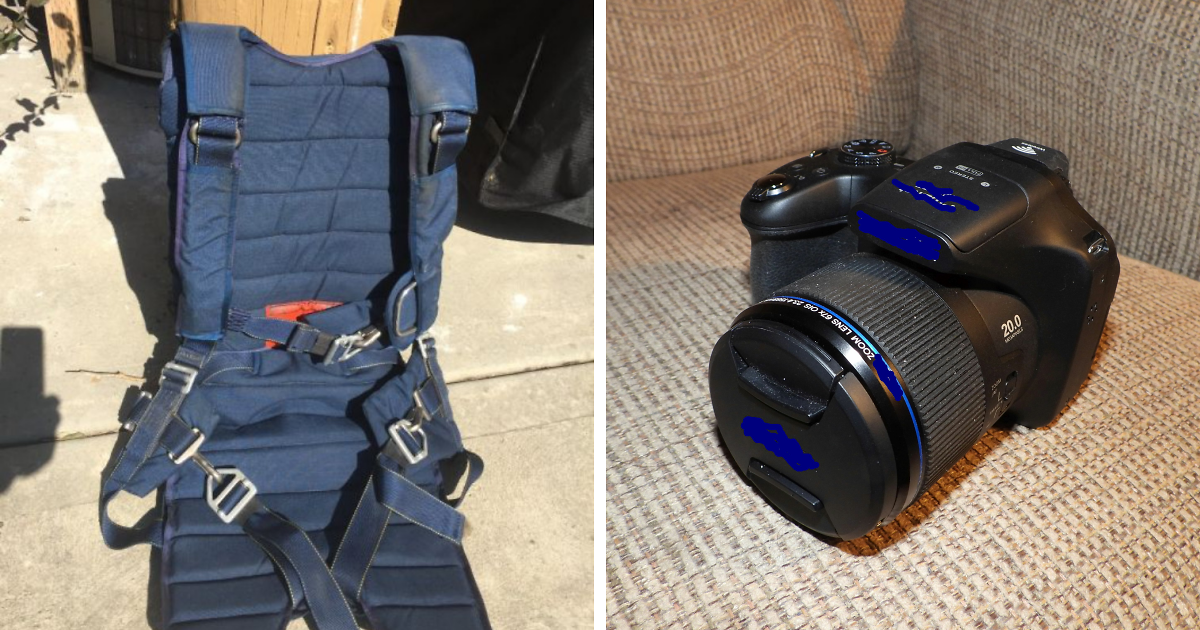
A traveler buys an advanced camera before vacation, imagining sharp landscapes and cinematic street scenes. It is beautiful but covered with buttons that appear borrowed from a spacecraft.
On the first day, the owner takes twelve blurry pictures, becomes nervous about carrying an expensive device, and returns to a phone. Back home, learning photography feels like homework. Years later, the camera remains in perfect condition, which is another way of saying it never got a chance to develop a personality.
The Exercise Bike With a Wardrobe
The bike arrives in January, when living rooms briefly become fitness centers. Its owner assembles it, downloads an app, buys a water bottle, and completes two energetic sessions.
Then the seat hurts, the app asks for another subscription, and a sweater lands on the handlebars “just for tonight.” Soon the sweater is joined by jeans, a tote bag, and clothing that is neither clean enough for the closet nor dirty enough for laundry. The bike is technically unused, but as a garment-management system, it is thriving.
The Craft Kit That Found the Right Owner
After watching a calming tutorial, someone orders a deluxe candle-making kit with wax, fragrances, wicks, tins, and enough equipment to suggest a small artisanal business is imminent.
The box arrives during a busy week and sits unopened for months. Eventually, the owner gives it to a friend, who uses it with her children that weekend. The handoff reveals something important: an item does not have to fulfill its purpose through the original buyer to have value.
What These Experiences Have in Common
None of these purchases began with stupidity. They began with hope. The bread maker represented comfort, the camera artistry, the bike health, and the craft kit calm. The mistake was assuming that buying equipment automatically created time, skill, energy, and routine.
An unused object is information. It shows which goals need a simpler approach, which hobbies are better borrowed than owned, and which versions of ourselves were attractive mainly in advertisements.
Note: The experience stories above are composite, illustrative scenarios based on common unused-purchase patterns; they are not quotations from specific individuals.
Conclusion
Something bought but never used can be funny, frustrating, expensive, or sentimental. It can also reveal how we shop. Discounts create urgency, products become symbols of future identities, and the ease of buying hides the effort required to build a habit.
Return it, test it by a deadline, sell it, donate it, or finally open the box. Then share a photo and the story. Your unused purchase may become someone else’s perfect cautionary taleor their perfect secondhand find.