Let’s be honest: productivity is important, emails matter, and yes, your to-do list probably has feelings. But if a baby sea otter, a sleepy koala joey, or a confused little penguin chick waddles into your scrolling session, everything else immediately becomes a “circle back later” problem. That is just science wearing a fuzzy sweater.
There’s a reason cute baby animals stop people mid-scroll. They tend to have the features humans instinctively respond to most: big eyes, round faces, small noses, clumsy movements, and the general vibe of “I have no idea what I’m doing, but I’m trying my best.” In other words, they look like tiny biological masterpieces designed to trigger a full-blown aww response. And whether the baby in question is a gorilla, kitten, turtle, or fox, the effect is weirdly universal.
So this article is your permission slip to pause real life for a few minutes and appreciate the absolute overachievement of baby wildlife. Below, you’ll meet 50 adorable animal babies from furred, feathered, and scaled corners of the planet. Some are fluffy. Some are awkward. Some look like they were assembled five minutes before launch. All of them are delightful.
Why Baby Animals Instantly Win the Internet
The reason baby animals seem unfairly adorable is not just that they are small. Plenty of small things are not cute. Parking tickets are small. USB dongles are small. Baby animals, however, often show what scientists call “baby schema,” a set of infant-like features that humans tend to read as lovable and worth protecting. Big eyes, rounded cheeks, short snouts, oversized heads, and slightly wobbly movement all help kick our brains into soft-hearted mode.
That response does not stop at human babies. People react to similar features in animal infants too, which helps explain why a baby hippo can go viral, a red panda cub can derail an afternoon, and a rabbit kit can make grown adults narrate in a cartoon voice without warning. It is also why even less traditionally cuddly youngsters, like hatchling turtles or wide-eyed owlets, can feel irresistible once you actually look at them.
And here’s the best part: cuteness is not only about looks. Behavior matters. A baby bird doing its first awkward hop, a gorilla infant clinging to mom, or a sea otter pup floating like a tiny beanbag with whiskers hits differently because it combines innocence, vulnerability, and comedy. Baby animals are adorable, yes, but they are also tiny chaos interns learning how to be themselves in public.
50 Baby Animals That Absolutely Deserve Your Attention
Furry Scene-Stealers
- Sea otter pup A sea otter pup looks like a floating espresso-colored cloud. The extra fluff is not just for style points either; that carefully groomed fur traps air, helping the pup stay warm and buoyant.
- Red panda cub Red panda cubs come into the world tiny, blind, and completely committed to becoming internet royalty later. They somehow manage to look both ancient and newborn at the same time.
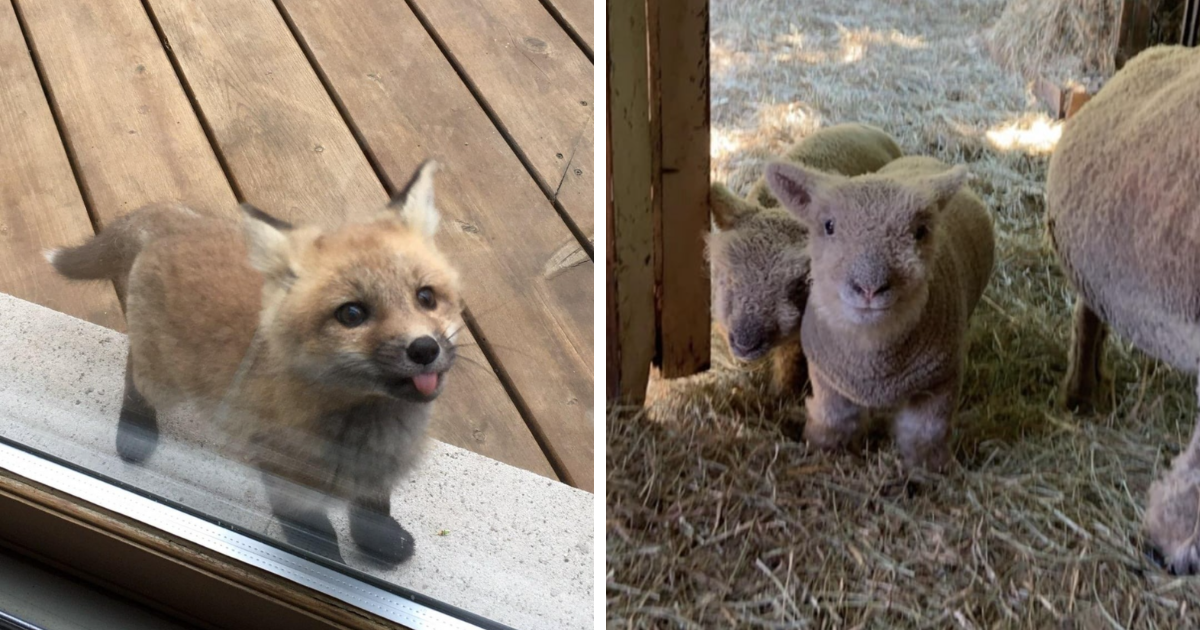
- Fox kit A fox kit is what happens when a woodland creature gets the proportions of a plush toy. Big ears, quick feet, and a face that says, “I definitely was not digging there.”
- White-tailed deer fawn Fawns look like someone painted moonlight spots onto caramel velvet. They spend much of early life staying still and hidden, which somehow makes them even more magical.
- Baby rabbit kit Rabbit kits start out tiny and fragile, then transform into hopping fuzz with the energy of a caffeinated marshmallow. Their growth arc is wildly efficient and aggressively cute.
- Raccoon kit Baby raccoons already look like they have stories to tell and zero remorse. The little mask, the tiny hands, the suspicious intelligence: all top-tier material.
- Skunk kit Before adult skunks get their reputation, skunk kits are basically monochrome puffballs with a dramatic hairstyle. They are tiny, fluffy, and shockingly photogenic.
- Bear cub Bear cubs are all belly, paws, and determined chaos. They tumble, climb badly, and somehow turn every patch of forest into a preschool obstacle course.
- Wolf pup A wolf pup has the soft face of a puppy and the future résumé of a wilderness icon. Early on, though, they are just fuzzy little learners with oversized feet.
- Bison calf Bison calves often arrive with a bright cinnamon coat that makes them stand out from the adults. They look like plush toys with a surprisingly powerful family backup system.
Big Babies, Tiny Drama
- Elephant calf Elephant calves enter the world after an astonishingly long pregnancy, then immediately use those trunks like confused multi-tools. Watching them figure out how legs work is a privilege.
- Giraffe calf Giraffe calves are born after a very long gestation and somehow arrive already serving height. Even as babies, they look like they skipped the beginner level.
- Rhino calf Rhino calves are chunky, sturdy, and surprisingly tender-looking for animals that grow into living battering rams. Baby rhinos have a soft-faced innocence that feels almost unfair.
- Tapir calf Tapir calves might have one of the best baby makeovers in nature. Their striped-and-spotted coats make them look like a watermelon crossed with a beanbag chair.
- Hippo calf A baby hippo is equal parts adorable and mildly alarming. It has that smooth, glossy, toy-like look that makes you forget it will one day become a very serious animal.
- Gorilla infant Gorilla babies cling to mom with the intensity of a toddler in a crowded store. The tiny hands, the sleepy eyes, the serious expressions: absolute emotional sabotage.
- Chimpanzee infant Baby chimps have wildly expressive faces and the energy of tiny comedians. One second they look philosophical, the next second they are pure slapstick.
- Sloth baby A baby sloth is born looking oddly prepared for life: fur, nails, teeth, open eyes, and an expression that says it has already accepted the pace of the universe.
- Koala joey Koala joeys begin life absurdly small, about the size of a kidney bean, then climb to the pouch like little marsupial mountaineers. It is one of nature’s most impressive tiny journeys.
- Kangaroo joey A kangaroo joey peeking out of a pouch feels almost too cute to be legal. Half-hidden, curious, and fuzzy, it looks like it is checking whether the world is worth the effort.
Barnyard and Backyard Sweethearts
- Lamb Lambs are springtime with legs. Their little jumps are so enthusiastic and unnecessary that it almost feels rude to call them “exercise.”
- Goat kid Goat kids are born ready to bounce off furniture, rocks, gravity, and common sense. Every movement is somehow both athletic and ridiculous.
- Calf Baby cows have long lashes, oversized ears, and the calm stare of someone who has never paid a bill. They are gentle-eyed charm machines.
- Piglet Piglets are pink little rockets with snouts. They squeak, scamper, and bring an alarming amount of personality for something the size of a loaf of bread.
- Foal A foal on wobbly legs is the very definition of early effort. They look elegant in theory and comically uncertain in practice, which is exactly why people love them.
- Donkey foal Baby donkeys are all ears and sweetness. They somehow make every ordinary pasture look like a children’s book illustration.
- Alpaca cria Alpaca babies look like plush decor items that achieved sentience. Big eyes, tiny hums, and outrageously soft energy make them instant favorites.
- Llama cria Llama youngsters have the same long-lashed charm as alpacas, but with a little more attitude in the face. They are elegant, awkward, and mildly judgmental-looking.
- Puppy By around four weeks, puppies start walking, wagging, and getting those tiny teeth involved in everyone’s business. Their development is adorable and also deeply chaotic.
- Kitten Kittens grow fast, often doubling or tripling body weight in the first weeks. They begin as squeaky little milk-powered beans and quickly become tiny acrobats with opinions.
Feathered Fluff With Main-Character Energy
- Penguin chick Penguin chicks can take days to work their way out of the egg, then arrive covered in down and looking like fuzzy formalwear prototypes.
- Duckling Ducklings seem to exist mainly to prove that softness can, in fact, move in a line. Few sights are better than a determined duck parade.
- Gosling Goose babies are fluffier than their reputations would suggest. They look polite, but you know they are being raised by adults who mean business.
- Cygnet Baby swans have a softer, grayer, slightly scruffier elegance than adult swans. Think “future royalty, currently in pajamas.”
- Owlet Owlets often look startled by their own existence, which only adds to the charm. They are fluffy, round, and permanently five seconds away from a meme.
- Robin fledgling A robin fledgling is basically a little bird intern: feathered, short-tailed, earnest, and still figuring things out. Awkward? Yes. Cute? Extremely.
- Bluebird chick Baby bluebirds look soft enough to be made of dandelion wishes. Their quiet sweetness is almost suspiciously effective.
- Eaglet Before bald eagles become symbols of power, eaglets are oversized fluff parcels with serious faces. Even their baby phase feels important.
- Flamingo chick Flamingo chicks do not begin life looking glam, which honestly makes them more lovable. The glow-up story is part of the appeal.
- Puffin chick Puffin babies have the rare talent of looking both scruffy and fancy. They are like little seabird professors who have just misplaced their notes.
Scaled, Splashy, and Unexpectedly Adorable
- Sea turtle hatchling Hatchling sea turtles erupt from the sand in groups and dash for the ocean like the world’s tiniest endurance athletes. It is cute, heroic, and stressful all at once.
- Alligator hatchling Tiny alligators are somehow both fierce-looking and toy-sized. They have miniature dragon energy with beginner-level limb coordination.
- Baby snake A hatchling snake is delicate, glossy, and built with elegant simplicity. It may not be fluffy, but it absolutely qualifies as baby-level fascinating.
- Baby tortoise A baby tortoise looks like a wind-up ancient artifact. Everything about it says “slow and steady,” except the speed at which it wins over reptile skeptics.
- Froglet The tadpole-to-froglet transition is one of nature’s great glow-ups. Little legs appear, the tail recedes, and suddenly you have a tiny amphibian with ambition.
- Axolotl youngster Axolotls keep their youthful look in a way that feels almost unfair to the rest of the animal kingdom. Those frilly gills do all the heavy lifting for “adorable weirdo” status.
- Dolphin calf Dolphin calves stick close to mom and can nurse for a long time while learning the rhythms of ocean life. The result is sleek, curious, high-IQ cuteness.
- Manatee calf Manatee calves are born underwater, get help to the surface for air, and then proceed to become giant floating babies with unbelievably gentle vibes.
- Seal pup A seal pup looks like someone put glossy eyes on a very soft loaf. They have mastered the art of appearing cozy in any position.
- Meerkat pup Meerkat youngsters are tiny, alert, and already seem invested in neighborhood surveillance. They are the cutest little hall monitors in the animal kingdom.
Why We Keep Coming Back to Cute Baby Animals
The secret is not just that baby animals are adorable. It is that they make people feel something immediate and uncomplicated. In a day full of deadlines, noise, bad news alerts, and 47 open tabs, a baby animal offers a tiny emotional reset. You do not need context. You do not need a trend report. You do not need a password. You just see a furry, feathery, or slightly damp little creature trying its best, and your entire nervous system says, “You know what? Let’s be kind for a minute.”
That is a big deal. Cute baby animals remind people that wonder does not have to be dramatic. Sometimes it is a joey peeking out of a pouch. Sometimes it is a fledgling looking hilariously unsure on a branch. Sometimes it is a sea turtle hatchling doing the most important tiny run of its life. The scale is small, but the emotional effect is not. These moments pull people out of autopilot.
The Experience of Falling Down a Baby-Animal Rabbit Hole
There is a very specific experience that comes with looking at baby animals for more than five minutes, and it usually begins with overconfidence. You tell yourself you are just taking a short break. Maybe you will look at one photo of a sleepy otter pup, one clip of a duckling parade, and then return to being a responsible, deadline-aware citizen. That is the lie. Ten minutes later, you are whispering “look at his little feet” to nobody in particular and sending a baby red panda picture to three group chats that did not ask for it but absolutely needed it.
Part of the experience is visual whiplash. One moment you are looking at a giraffe calf that seems to have arrived pre-installed with long legs and a modeling contract. The next, you are watching a koala joey peeking out like a fuzzy thumb with trust issues. Then a penguin chick shows up in its downy gray coat, and suddenly your standards for emotional stability are gone. It is not a calm viewing session. It is a rolling series of tiny emotional ambushes.
What makes it even better is the variety. Baby animals are not cute in one repetitive way. A seal pup is soft and soulful. A goat kid is spring-loaded nonsense. A gorilla infant is tender and almost heartbreakingly expressive. A turtle hatchling is determined in a way that feels heroic despite being the size of a cookie. The cuteness keeps changing shape, so your brain never gets bored. It just keeps opening new tabs in the same internal folder labeled important research.
There is also something genuinely grounding about the experience. Watching young animals interact with parents, siblings, or the world around them makes life feel a little less mechanical. A baby bird hopping after a parent, a manatee calf rising for air, or a wolf pup tumbling over its own feet puts the focus back on growth, learning, and instinct. These are ordinary survival moments in the natural world, but they feel extraordinary because they are so unfiltered. Nothing is posed. Nothing is trying too hard. It is just life at its smallest and most sincere.
And then there is the comedy. Baby animals are unintentionally hilarious. Puppies discover their legs like they were issued late. Foals attempt grace before fully negotiating with gravity. Owlets stare like they have seen your browser history. Meerkat pups look ready to file an incident report. This is important because the laughter is part of the magic. Cute baby animals do not just make people feel protective; they make people feel lighter.
By the time you finally resurface from the baby-animal spiral, something subtle has changed. You may still have the same inbox. The dishes are still there. Your schedule has not become more glamorous. But your mood is better, your shoulders have dropped half an inch, and there is a decent chance you now have a favorite species of baby tapir. That is the power of this kind of wholesome distraction. It does not solve everything, but it does make the day feel softer, and sometimes that is exactly what people need.
So yes, stop whatever you are doing. The spreadsheet will survive. The laundry can wait. There is a whole world full of baby animals wobbling, blinking, paddling, peeping, and cuddling their way through early life, and frankly, that deserves your attention.