High blood pressure is one of those health issues that can feel annoyingly quiet. It does not usually announce itself with a drumroll, a flashing sign, or a tiny cardiologist living on your shoulder. Yet hypertension can raise the risk of heart disease, stroke, kidney disease, and other serious health problems over time.
The good news: many daily habits can make a meaningful difference. Some people need medication, some need lifestyle changes, and plenty need both. The goal is not to become a flawless wellness robot who grows kale in a moonlit garden. The goal is to make practical changes you can keep doing long after the motivation playlist gets old.
This guide covers 18 evidence-based ways to lower blood pressure, from eating less sodium and moving more often to checking your readings correctly and talking with your clinician about medications. Small improvements can add up, especially when several healthy habits work together. Current U.S. guidance consistently supports heart-healthy eating, regular physical activity, weight management, limiting alcohol, avoiding tobacco, and taking prescribed treatment as directed.
Why Lowering Blood Pressure Matters
Blood pressure measures the force of blood pushing against artery walls. The top number, systolic pressure, reflects pressure when the heart beats. The bottom number, diastolic pressure, reflects pressure when the heart rests between beats.
When blood pressure stays high over time, it can strain blood vessels and organs. The tricky part is that high blood pressure often has no obvious symptoms, which is why it is sometimes called a “silent” condition. Feeling fine is wonderful, but it is not a blood pressure test.
Healthy changes do not replace medical care. If you have been diagnosed with hypertension, keep your appointments and take prescribed medication unless your clinician tells you otherwise. Lifestyle changes can work alongside treatment, sometimes making medications more effective or helping reduce the amount needed over time.
18 Practical Ways to Lower Your Blood Pressure
1. Follow a DASH-Style Eating Pattern
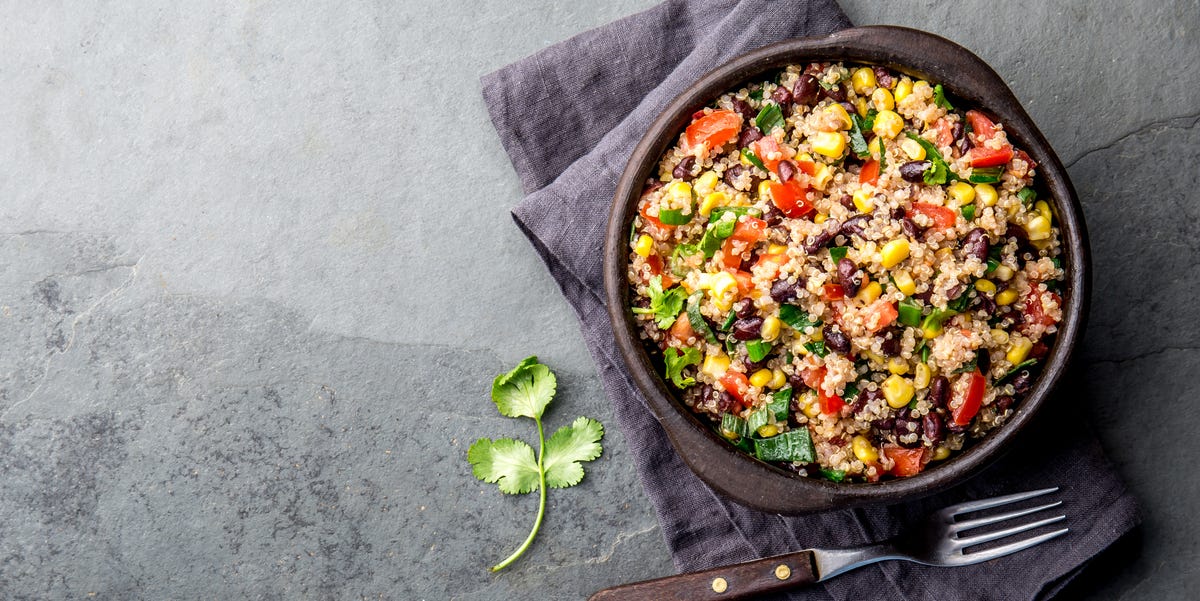
DASH stands for Dietary Approaches to Stop Hypertension, and unlike many diet acronyms, it is not asking you to eat nothing but air and regret. The DASH eating pattern emphasizes vegetables, fruits, beans, whole grains, nuts, seeds, low-fat dairy, fish, poultry, and lean proteins.
It also limits foods that tend to bring extra sodium, saturated fat, and added sugar to the party: highly processed snacks, sugary drinks, fatty meats, and fast food eaten on autopilot. Research supported by the National Heart, Lung, and Blood Institute shows that DASH can help lower blood pressure, sometimes within weeks.
2. Cut Back on Sodium
Salt is not evil. Your body needs sodium. The problem is that modern food environments often provide enough sodium to season a small ocean. Most dietary sodium comes from packaged, prepared, restaurant, and fast foods rather than the salt shaker on your kitchen table.
A practical target for many adults is to stay at or below 2,300 milligrams of sodium per day and move toward 1,500 milligrams when recommended by a clinician. Read nutrition labels, compare brands, choose “no salt added” options, and taste food before automatically salting it. Your taste buds can adapt faster than you might expect.
3. Eat More Potassium-Rich Foods, When Appropriate
Potassium can help counter some of sodium’s effects on blood pressure. Foods such as bananas, potatoes, beans, lentils, spinach, yogurt, tomatoes, oranges, and avocados can contribute potassium as part of an overall heart-healthy eating pattern.
However, do not start potassium supplements or aggressively increase potassium without medical guidance if you have kidney disease or take certain medications. In that situation, “more” is not automatically better. Food can be a friend, but it still deserves adult supervision.
4. Move Your Body Most Days
Regular physical activity helps your heart work more efficiently and can lower blood pressure over time. A brisk walk, cycling, swimming, dancing, gardening, or chasing a toddler who has discovered the word “no” can all count as movement.
U.S. public health guidance recommends at least 150 minutes of moderate-intensity activity each week for most adults. That can be broken into manageable pieces, such as 30 minutes on five days a week or even shorter sessions throughout the day. Consistency beats one heroic workout followed by a week of becoming furniture.
5. Add Strength Training
Aerobic exercise gets much of the blood pressure spotlight, but strength training deserves a supporting role. Building and maintaining muscle can help with body composition, mobility, glucose control, and everyday function.
Try resistance bands, bodyweight exercises, light dumbbells, machines, or supervised strength programs two or more days per week. Start gently if you are new to exercise, especially if you have heart disease, uncontrolled hypertension, dizziness, or other medical concerns. Good form is more impressive than lifting a weight that makes your face look like a startled tomato.
6. Work Toward a Healthy Weight
If you carry excess weight, losing even a modest amount may help lower blood pressure. This is not about chasing a specific body shape or trying to fit into jeans from another decade. It is about supporting your heart, blood vessels, joints, sleep, and overall health.
Focus on sustainable habits: more high-fiber foods, fewer sugary drinks, regular activity, better sleep, and portions that leave you satisfied rather than ready to hibernate. A gradual approach is usually easier to maintain than a dramatic “new me by Tuesday” plan.
7. Limit Alcohol
Alcohol can raise blood pressure, especially when consumed heavily or regularly. If you do not drink, there is no health reason to start for your blood pressure. If you do drink, limit it.
Current American Heart Association guidance advises no more than two drinks per day for men and one drink per day for women. One drink is generally 12 ounces of beer, 5 ounces of wine, or 1.5 ounces of 80-proof liquor. Beware of giant wine glasses that quietly turn “one drink” into a small aquarium.
8. Stop Smoking and Avoid Nicotine
Smoking and nicotine can harm blood vessels and make blood pressure management harder. Quitting is one of the strongest steps you can take for cardiovascular health, even if you have smoked for years.
Talk with a clinician about nicotine replacement, prescription treatments, counseling, quitlines, or support groups. You do not need to white-knuckle it alone. A quit plan works better when it includes support for cravings, stress, routines, and the awkward moment when coffee suddenly feels emotionally complicated.
9. Get Serious About Sleep
Sleep is not laziness with pillows. It is a biological maintenance shift. Poor or short sleep may make it harder to manage weight, stress, blood sugar, and blood pressure.
Aim for a consistent sleep schedule, a cool and dark bedroom, less late-night scrolling, and a calming wind-down routine. If you snore loudly, wake up gasping, feel excessively sleepy during the day, or have persistent morning headaches, talk with a clinician about possible sleep apnea. Sleep apnea can contribute to high blood pressure and deserves real attention, not just a new pillow.
10. Manage Stress Before It Manages You
Stress does not always directly cause chronic hypertension, but repeated stress can push people toward habits that raise blood pressure, including poor sleep, drinking, smoking, emotional eating, and skipping exercise.
Try realistic stress-management tools: slow breathing, meditation, journaling, walking outdoors, stretching, therapy, prayer, hobbies, music, or simply saying no to one unnecessary obligation. You do not need a candlelit mountain retreat. Five quiet minutes in your parked car before entering the house can still count.
11. Drink Water Instead of Sugary Beverages
Replacing soda, sweet tea, energy drinks, and sugary coffee creations with water can support a healthier weight and reduce unnecessary calories. That does not mean every beverage must taste like a sad raincloud. Sparkling water, unsweetened tea, and water flavored with fruit can make hydration less boring.
Check with your care team if you have heart failure, kidney disease, or another condition that requires fluid limits. In health, even water occasionally comes with paperwork.
12. Be Smart About Caffeine
Caffeine can temporarily raise blood pressure in some people, especially if they are sensitive to it or do not consume it regularly. You do not necessarily need to break up with coffee forever, but it may help to notice how your body responds.
Try checking your blood pressure before caffeine and again 30 to 120 minutes afterward on a few different days. If your readings jump noticeably, consider reducing large doses, avoiding energy drinks, and choosing smaller servings. Discuss persistent concerns with your clinician.
13. Cook More Meals at Home
Restaurant meals and packaged foods can be sodium traps disguised as convenience. Cooking more often gives you control over salt, sauces, portions, and ingredients.
Build simple routines: roasted chicken with vegetables, bean soup, brown rice bowls, oatmeal with fruit, scrambled eggs with spinach, or a low-sodium chili. Keep frozen vegetables, canned beans labeled “no salt added,” whole grains, and basic proteins on hand. The goal is not restaurant perfection. The goal is to stop ordering food because there is “nothing to eat” in a kitchen full of ingredients.
14. Read Labels Like a Blood Pressure Detective
Food labels can reveal surprising sodium sources. Bread, breakfast cereals, canned soup, deli meat, frozen pizza, sauces, salad dressings, and snack foods may all contribute more sodium than expected.
Look at serving size first, then compare sodium per serving across brands. A food can claim to be “light,” “natural,” or “made with sunshine,” yet still contain a hefty sodium load. Marketing is creative. Numbers are less poetic but usually more useful.
15. Choose Heart-Healthy Fats
Replace some saturated fats with unsaturated fats from olive oil, nuts, seeds, avocado, and fatty fish. This approach supports overall cardiovascular health and fits naturally into DASH-style eating.
That does not mean pouring olive oil directly into your cereal. It means using it instead of butter more often, adding nuts to yogurt or oatmeal, and choosing fish or beans more often than processed meats.
16. Take Prescribed Medication Exactly as Directed
Medication is not a personal failure. It is a tool. Many people need blood pressure medicine because genetics, age, kidney function, diabetes, hormones, or other factors influence blood pressure beyond lifestyle alone.
Take medication consistently, use a pill organizer or reminder app, refill prescriptions before they run out, and report side effects instead of silently stopping the drug. There are many medication options, and a clinician may be able to adjust the dose or switch treatments.
17. Review Over-the-Counter Medicines and Supplements
Some over-the-counter products can affect blood pressure or interact with prescription medicine. Decongestants, certain pain relievers, stimulant-containing weight-loss products, and some herbal supplements may be a problem for people with hypertension.
Before taking a new cold medicine, supplement, or “energy” product, ask a pharmacist or clinician whether it is appropriate for you. FDA guidance specifically notes that people with high blood pressure may experience unwanted reactions to nasal decongestants.
18. Monitor Your Blood Pressure at Home
Home monitoring can help you and your care team see patterns that a single office reading may miss. Use a validated upper-arm cuff when possible, make sure it fits correctly, and bring it to appointments occasionally so your clinician can compare it with office equipment.
For a more accurate reading, avoid exercise, caffeine, smoking, and meals for about 30 minutes beforehand when possible. Sit quietly for several minutes, keep your feet flat on the floor, support your arm at heart level, and avoid chatting during the measurement. Blood pressure cuffs are not impressed by multitasking.
When to Call a Doctor Right Away
Do not try to “walk off” a dangerously high blood pressure reading. If your reading is higher than 180/120 mm Hg, wait at least one minute and check again. If it is still that high, contact a health care professional promptly.
If blood pressure is above 180/120 mm Hg and you also have chest pain, shortness of breath, back pain, weakness, numbness, vision changes, or trouble speaking, call 911 immediately. This may be a hypertensive emergency.
Experience: What Lowering Blood Pressure Often Looks Like in Real Life
Lowering blood pressure is rarely one dramatic movie montage where someone tosses a salt shaker into the ocean, sprints up a mountain, and wakes up with perfect numbers the next day. More often, it looks like ordinary people making ordinary changes that slowly become normal.
One person may begin by checking food labels and realize their daily turkey sandwich, canned soup, and “healthy” wrap were quietly delivering most of their sodium before dinner. Instead of changing everything at once, they switch to lower-sodium bread, cook a pot of soup on Sunday, and pack leftovers twice a week. The change does not look glamorous on social media, but their readings gradually become more consistent.
Another person may discover that exercise is easier when it stops being called exercise. A 25-minute evening walk with a spouse, neighbor, dog, or podcast becomes less intimidating than a gym membership with fluorescent lighting and an intimidating amount of mirrors. After a few weeks, the walk becomes part of the day rather than a debate.
Many people also find that sleep is the overlooked piece of the puzzle. They may spend months trying to eat perfectly while sleeping five hours a night, working late, scrolling until midnight, and wondering why their blood pressure remains stubborn. Improving sleep routines can feel surprisingly powerful, especially when better rest makes it easier to cook, move, and manage stress the next day.
Medication experiences matter too. Some people feel frustrated when lifestyle changes alone do not bring blood pressure down enough. But needing medication does not cancel out the value of healthier habits. A person can take medication, walk daily, cook more often, sleep better, and still enjoy birthday cake. Health care is not a morality contest. It is a long-term teamwork project.
Tracking can also change the experience. A notebook or phone app showing blood pressure readings, meals, exercise, sleep, alcohol intake, and medication use can reveal patterns. Maybe readings are higher after restaurant meals. Maybe they improve after consistent morning walks. Maybe the “one harmless” energy drink has been auditioning for the role of villain all along.
The most successful approach is usually not perfection. It is repetition. A lower-sodium dinner most nights, a walk after lunch, medication taken on time, fewer drinks, better sleep, and regular monitoring can create a routine that feels manageable rather than punishing. Blood pressure often responds best when healthy choices become boring in the best possible way: automatic, familiar, and simply part of life.
Conclusion
Learning how to lower blood pressure is not about finding one magical food, one brutal workout, or one miracle supplement. It is about building a collection of habits that support your heart and blood vessels over time. Start with the change that feels most realistic, whether that is walking after dinner, cutting back on sodium, sleeping more consistently, or checking your blood pressure at home.
Then add another habit when the first one starts to feel normal. Small changes may not make headlines, but they can make a real difference in the numbers that matter.