Carbohydrates have spent years being treated like the suspicious cousin at the nutrition family reunion: blamed for everything, invited nowhere, and somehow always connected to a tray of donuts. But carbs are not automatically unhealthy. They are one of the body’s main fuel sources, and many carbohydrate-rich foods also bring fiber, vitamins, minerals, plant compounds, and even protein to the table.
The key is not to panic whenever you see the word “carbohydrate.” Instead, look at the whole food package. A sugary soda and a bowl of oats both contain carbs, but one mostly delivers sugar while the other brings fiber, minerals, and serious breakfast staying power. Your body notices the difference, even if your taste buds are still emotionally attached to frosted pastries.
Below are 10 of the best high-carb foods that are also genuinely nutritious. These foods can fit into balanced meals for active people, families, students, athletes, and anyone who wants more satisfying energy without building a personality around avoiding bread.
What Makes a High-Carb Food Nutritious?
A nutritious carbohydrate source usually offers more than starch or sugar. It may contain dietary fiber, vitamins, minerals, antioxidants, protein, or healthy plant compounds. Whole grains, beans, fruit, starchy vegetables, and legumes are often better everyday choices than heavily refined snacks, sugary cereals, pastries, and sweetened drinks.
It also helps to think about how the food is prepared. A baked potato with skin, black beans, salsa, and Greek yogurt is a very different meal from a pile of fries wearing a shiny jacket of salt. Similarly, oatmeal topped with fruit and nuts has a different nutritional story than a giant cinnamon roll that could double as a paperweight.
Smart Ways to Eat More Healthy Carbs
- Choose whole or minimally processed foods more often.
- Pair carbs with protein, fiber, or healthy fats for a more balanced meal.
- Use portions that match your hunger, activity level, and overall goals.
- Make room for variety instead of eating the same “healthy” food until it becomes emotionally exhausting.
1. Oats
Oats are one of the most practical high-carb foods because they are affordable, versatile, and hard to make boring unless you actively try. They contain complex carbohydrates and soluble fiber, which can make breakfast feel more satisfying than a sugary cereal that leaves you hungry before you have opened your email.
Rolled oats, steel-cut oats, and old-fashioned oats all work well. Turn them into overnight oats, warm oatmeal, blended pancake batter, or homemade granola. For a balanced bowl, add berries, chopped apples, nut butter, chia seeds, yogurt, or a boiled egg on the side.
Easy Oatmeal Idea
Cook oats with milk or a fortified plant-based alternative, then top them with sliced banana, cinnamon, walnuts, and a spoonful of peanut butter. It tastes like comfort food but behaves like a responsible adult.
2. Quinoa
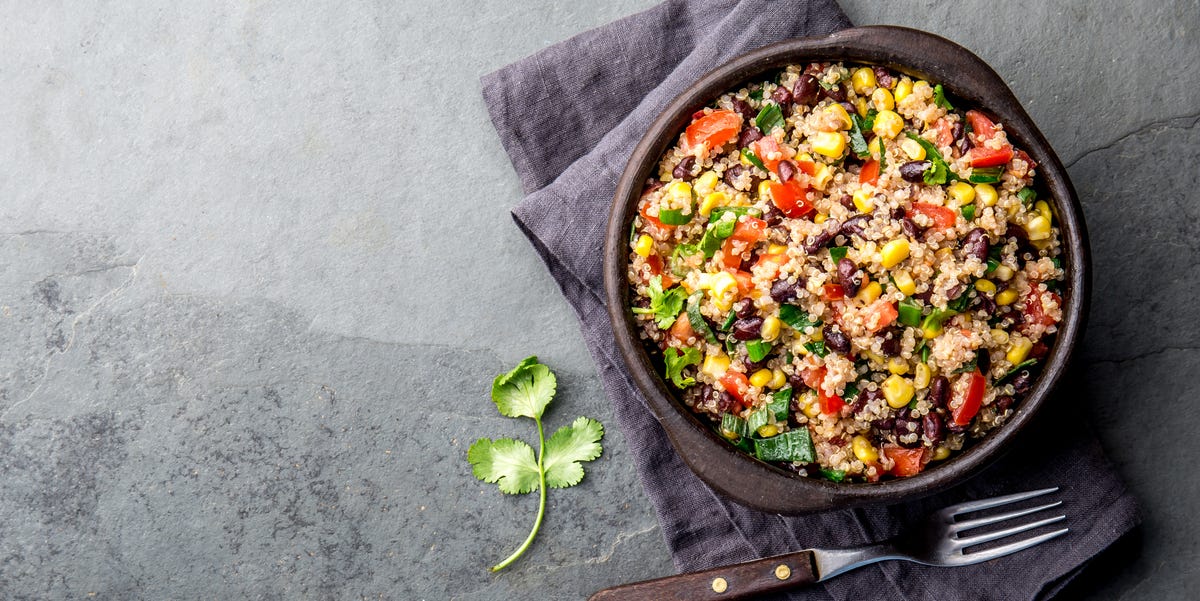
Quinoa is technically a seed, but it earns a place beside grains because it cooks and eats like one. It is rich in carbohydrates while also providing protein, fiber, and several important minerals. That makes it especially useful for people who want a hearty plant-based base for meals.
Its mildly nutty flavor works in grain bowls, salads, soups, stuffed peppers, and breakfast porridge. Quinoa can also replace rice in many recipes when you want a little more texture and protein without needing a culinary degree or a mysterious specialty ingredient.
Try It This Way
Mix cooked quinoa with roasted vegetables, chickpeas, lemon juice, olive oil, herbs, and crumbled feta. Add grilled chicken, tofu, salmon, or eggs if you want more protein.
3. Barley
Barley is an underrated high-carb food that deserves more attention than it gets. It has a pleasantly chewy texture and provides fiber, especially when you choose hulled or pearl barley. It is excellent in soups and stews because it soaks up flavor like a tiny edible sponge with excellent manners.
Barley works well in place of rice in grain bowls, risotto-style dishes, vegetable soups, and cold salads. Its subtle flavor pairs easily with mushrooms, roasted squash, beans, chicken, or hearty greens.
For a simple weeknight meal, stir cooked barley into vegetable soup with white beans and shredded chicken. It creates a filling dinner that feels like it should be served in a cozy cabin during a rainstorm.
4. Brown Rice
Brown rice is a classic whole-grain carbohydrate source. Unlike white rice, brown rice retains more of the grain’s natural structure, including the bran and germ. That means it generally provides more fiber and nutrients than its more polished cousin.
Brown rice is not required for every meal, and white rice can still fit into a balanced diet. But when you want a more fiber-rich option, brown rice is a reliable choice. It works beautifully in stir-fries, burrito bowls, grain salads, stuffed peppers, and meal-prep lunches.
Make It More Interesting
Cook brown rice in low-sodium broth, then add lime juice, cilantro, black beans, corn, avocado, and salsa. Suddenly, your plain bowl of rice has entered its main-character era.
5. Sweet Potatoes
Sweet potatoes are carbohydrate-rich starchy vegetables with an impressive nutrition profile. Their orange color comes from plant pigments that the body can use to make vitamin A. They also offer fiber, potassium, and a naturally sweet flavor that makes them useful in both savory and sweet recipes.
Roast sweet potato cubes for salads and grain bowls, mash them as a side dish, bake them whole, or slice them into wedges. Keeping the skin on after washing can add extra fiber and texture.
Try a baked sweet potato topped with black beans, salsa, avocado, plain yogurt, and pumpkin seeds. It is colorful, filling, and much more exciting than another sad desk salad.
6. White Potatoes
White potatoes have been unfairly dismissed in some healthy-eating conversations, mostly because people associate them with fries, chips, and other crispy forms of chaos. But a plain potato is a nutritious starchy vegetable that provides carbohydrates, potassium, vitamin C, and fiber, especially when the skin is included.
The cooking method matters. Baked, boiled, roasted, or air-fried potatoes can fit into nutritious meals. Pair them with protein and vegetables instead of treating them as a vehicle for half a bottle of cheese sauce.
Balanced Potato Plate
Serve roasted potatoes with salmon or grilled chicken, steamed broccoli, and a yogurt-based herb sauce. For a vegetarian option, add lentils or white beans with olive oil and herbs.
7. Beans
Beans are nutrition overachievers. They provide carbohydrates, plant protein, fiber, iron, potassium, folate, and other nutrients in one small package. Black beans, kidney beans, pinto beans, cannellini beans, and navy beans are all excellent options.
Because beans contain both carbs and protein, they can make meals more satisfying. They are inexpensive, shelf-stable when canned or dried, and flexible enough for tacos, soups, chili, salads, wraps, and grain bowls.
Choose low-sodium canned beans when possible, or rinse regular canned beans before using them. This tiny step is not glamorous, but neither is doing laundry, and both make life better.
8. Lentils
Lentils are another high-carb food with an impressive amount of plant protein and fiber. They cook faster than many dried beans and come in several varieties, including brown, green, red, and black lentils. Red lentils break down easily, making them perfect for soups, curries, and sauces.
They are a smart option for people trying to eat more plant-based meals without feeling like dinner is just a decorative pile of leaves. Lentils have enough substance to create satisfying chili, meatless taco filling, lentil loaf, pasta sauce, and hearty salads.
Fast Lentil Meal
Simmer red lentils with canned tomatoes, garlic, onion, curry powder, and broth. Serve over brown rice or with whole-grain flatbread for an inexpensive, comforting meal.
9. Bananas
Bananas are one of the easiest nutritious high-carb foods to grab when life is moving quickly. They provide natural carbohydrates along with potassium and other nutrients. They are especially convenient before a walk, workout, long commute, or a morning when breakfast needs to happen in the car without creating a crumb-related crime scene.
Bananas also pair well with foods that contain protein or fat. Add one to yogurt, spread peanut butter on banana slices, blend one into a smoothie, or eat one with a handful of nuts. A banana may look humble, but it has saved many people from becoming irrationally hungry in public.
10. Corn and Popcorn
Corn is a starchy vegetable that provides carbohydrates, fiber, and several vitamins and minerals. Fresh corn, frozen corn, canned corn with no added sugar, corn tortillas, and plain popcorn can all be part of a nutritious eating pattern.
Popcorn deserves a special mention because it is a whole grain. Air-popped popcorn can be a satisfying snack when it is lightly seasoned instead of coated in a butter-like substance with a suspiciously long ingredient list.
Better Popcorn Upgrade
Season air-popped popcorn with olive oil, nutritional yeast, smoked paprika, garlic powder, cinnamon, or a little grated Parmesan. It feels snacky, because it is snacky, but it can still bring more fiber than many packaged alternatives.
How to Build Balanced Meals With High-Carb Foods
Healthy carbohydrates work best as part of an overall meal pattern. Rather than eating a huge bowl of rice by itself and hoping for the best, build a plate with several components. Add vegetables for volume and micronutrients, protein for staying power, and healthy fats for flavor and satisfaction.
A simple formula is:
- High-carb food: oats, potatoes, brown rice, quinoa, beans, lentils, fruit, or corn.
- Protein: eggs, fish, poultry, tofu, Greek yogurt, beans, lentils, or cottage cheese.
- Vegetables or fruit: colorful options that add fiber and flavor.
- Healthy fat: avocado, olive oil, nuts, seeds, or nut butter.
For example, a balanced lunch could be brown rice, grilled chicken, roasted broccoli, black beans, avocado, and salsa. A balanced breakfast could be oatmeal with berries, Greek yogurt, and walnuts. A balanced snack could be a banana with peanut butter. None of these meals require a nutrition influencer voice-over or a $40 blender.
Practical Experience: What It Can Feel Like to Add Better Carbs Back to Your Meals
Many people who have spent years trying to “be good” by cutting carbs eventually notice the same problem: meals become less satisfying, snacks get more frequent, and dinner starts to look like grilled chicken beside three apologetic spinach leaves. Adding nutrient-rich carbohydrates back into meals can make eating feel more normal, enjoyable, and sustainable.
A practical way to experience this is to start with one meal each day. Imagine replacing a sugary breakfast pastry with oatmeal, fruit, and yogurt. At first, the meal may seem less exciting than a frosted pastry the size of a bicycle helmet. But the combination of oats, fruit, and protein often feels more filling and less likely to lead to a midmorning snack emergency.
Lunch can be another easy place to test healthier high-carb foods. Instead of making a salad that feels like punishment for having joy, add brown rice, quinoa, beans, or roasted sweet potatoes. The meal becomes more substantial, more colorful, and more likely to keep you full until dinner. A grain bowl with vegetables, beans, chicken or tofu, and a flavorful dressing can feel like restaurant food without requiring a second mortgage.
People also often discover that high-carb foods are especially useful on busy days. A baked potato with chili can be faster and more satisfying than ordering takeout. Lentil soup with whole-grain bread can turn pantry ingredients into a comforting meal. A banana with peanut butter can rescue an afternoon when meetings run long and your mood begins to resemble an unplugged Wi-Fi router.
Another common experience is learning that fullness is not the enemy. Nutritious high-carb foods such as beans, oats, potatoes, and whole grains can make meals more satisfying because they bring fiber and volume. Instead of constantly searching for snacks, some people find that they can focus better when meals include enough food to actually count as meals.
There can also be an adjustment period when increasing fiber-rich carbohydrates. Suddenly adding large amounts of beans, lentils, whole grains, and vegetables may cause digestive discomfort for some people. A gradual approach can be more comfortable: add one fiber-rich food at a time, drink enough fluids, and let your routine adapt. Your digestive system appreciates surprises about as much as your inbox does.
The most helpful lesson is that healthy eating does not require choosing between “all carbs” and “no carbs.” A more realistic approach is choosing better carbohydrate sources most of the time, enjoying favorite foods without drama, and building meals that are both nourishing and enjoyable. Food should support your life, not turn every Tuesday lunch into a complicated moral debate.
Final Thoughts
The best high-carb foods are not just sources of energy. They can also provide fiber, vitamins, minerals, plant protein, and long-lasting satisfaction. Oats, quinoa, barley, brown rice, potatoes, sweet potatoes, beans, lentils, bananas, and corn are all examples of carbohydrate-rich foods that deserve a place in a balanced diet.
Focus less on fearing carbs and more on choosing foods that offer real nutritional value. Build balanced meals, enjoy variety, and remember that a healthy diet has room for both roasted sweet potatoes and the occasional birthday cake. One is a daily player; the other is invited when somebody turns 40 and brings frosting.
Note: This article is for general educational purposes and is not individualized medical advice. People managing diabetes, kidney disease, digestive conditions, food allergies, or other health concerns should discuss carbohydrate choices with a qualified healthcare professional or registered dietitian.