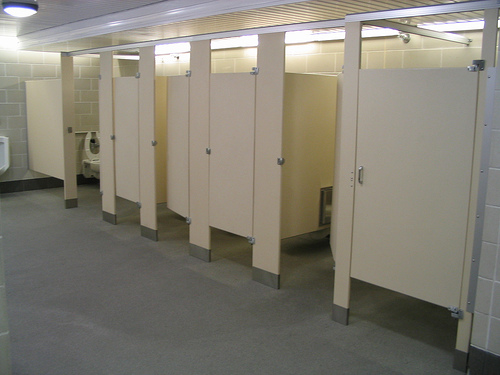
Note: This article handles a very human workplace moment with humor, cleanliness, and respect. Laugh at the situation, wash your hands, and leave the restroom better than you found it.
The Tiny Workplace Victory Nobody Puts on LinkedIn
Some workplace wins are easy to celebrate. You finish a big presentation. You answer an email before the sender can follow up with “just circling back.” You find the last good parking spot. And then there is a quieter, stranger, more universal triumph: making it out of the bathroom at work before anyone realizes you made it smell that way.
It is not glamorous. It will not appear on your performance review. Your manager will never say, “Excellent discretion in Q2 restroom operations.” Yet anyone who has worked in an office, a school, a warehouse, a clinic, or a co-working space knows the emotional roller coaster. You enter as a normal professional with a coffee mug and a calendar full of meetings. You leave like a spy escaping a museum laser grid.
The funny part is that everyone has a body, and bodies are not always team players. They do not care about your 10:30 status meeting. They do not care that the restroom is next to the break room. They certainly do not care that Karen from accounting has the hearing of a barn owl and appears in doorways like a workplace ghost. Biology keeps its own schedule, and sometimes that schedule says, “Now. Immediately. Preferably in the office bathroom with suspiciously poor ventilation.”
Why This Moment Feels So Awkward
The office bathroom is one of the weirdest places in modern professional life. Outside the door, people discuss strategy, budgets, deadlines, and quarterly goals. Inside the door, everyone becomes a humble mammal with paper-thin stall walls. It is the great equalizer, a tiled reminder that no job title can protect you from digestion.
Part of the anxiety comes from the collision between public identity and private reality. At work, we try to appear polished. We speak in calendar invites. We use phrases like “circle back,” “alignment,” and “let’s put a pin in that.” But the bathroom has no respect for corporate language. It deals in plumbing, acoustics, and timing. One minute you are a strategic thinker; the next minute you are praying the hand dryer starts roaring like a jet engine.
This is why the escape feels so magnificent. You are not just leaving a room. You are slipping away from a potential social crime scene. You are exiting before the next person walks in, pauses for one silent second, and mentally opens a case file. When you make it back to your desk unnoticed, you experience a private parade. No confetti, no applause, just the deep satisfaction of surviving an invisible office hazard.
The Science and Sense Behind Restroom Discretion
Workplace bathroom etiquette is not only about embarrassment. It is also about hygiene, comfort, and basic respect for shared spaces. Clean restrooms need soap, water, drying options, ventilation, regular maintenance, and employees who do not treat the sink area like a crime scene from a toothpaste commercial. In the United States, workplace sanitation guidance emphasizes access to clean toilet facilities and proper handwashing supplies, because restrooms are not luxury lounges; they are essential infrastructure.
Handwashing is the star of the restroom etiquette show, even if odor gets all the drama. Washing with soap and water for at least 20 seconds is a simple habit that helps reduce the spread of germs. If soap and water are not available, alcohol-based hand sanitizer can help, but it is not a full substitute in every situation. In plain office language: wash your hands like someone important is watching, because your immune system and your coworkers’ keyboards are involved.
Odor control is another part of shared-space kindness. A well-ventilated restroom, proper cleaning, and odor-neutralizing products can make a huge difference. But even when the facility is less than ideal, individual behavior still matters. Courtesy flushing, closing lids when available, using provided sprays responsibly, and reporting maintenance problems all help keep the room from becoming the office’s most feared destination.
Office Bathroom Etiquette: The Unwritten Rules Everyone Appreciates
Rule 1: Respect the Privacy Bubble
The workplace restroom is not the place for networking, brainstorming, or asking someone whether they saw your spreadsheet update. A quick nod at the sink is fine. A full conversation through a stall door is not fine. If someone is clearly trying to vanish into the tile, let them vanish. Professional courtesy sometimes means pretending you did not see, hear, or detect anything.
Rule 2: Leave No Evidence Behind
Flush properly. Check the seat. Put paper products in the correct place. Wipe splashes from the counter. Do not abandon paper towels like tiny white flags of defeat. A clean exit is not just about escaping odor suspicion; it is about making the space usable for the next person. The best office bathroom user is like a polite ghost: present, brief, and not leaving a mess for the living.
Rule 3: Do Not Overcorrect With Fragrance
A little odor control can be helpful. A perfume hurricane is not. Spraying half a can of “Mountain Citrus Explosion” may only create a new and stranger problem: now the bathroom smells like a lemon grove lost a fight with a sewer pipe. Use products lightly if they are provided. The goal is freshness, not evidence tampering.
Rule 4: Report Problems Instead of Creating Legends
If the toilet is clogged, the soap is empty, the fan is broken, or the trash can is staging a rebellion, tell facilities, office management, or whoever handles maintenance. Do not simply flee and hope the next person becomes the discoverer. That is how office folklore begins. “The Great Tuesday Clog” will outlive us all.
Rule 5: Wash, Dry, and Rejoin Society
The true finish line is not the bathroom door. It is clean hands. Wash well, dry well, and return to your desk with the calm confidence of someone who has handled private business responsibly. Your keyboard, phone, coffee mug, and future sandwich will thank you.
The Art of the Perfect Workplace Bathroom Escape
There is a rhythm to making it out unnoticed. First comes timing. The ideal moment is not five minutes before an all-hands meeting, when half the company is hydrating nervously. It is not immediately after lunch, when the restroom becomes a digestive conference center. The sweet spot is a quiet pocket of the day: mid-morning, mid-afternoon, or whenever the office energy dips into that sleepy spreadsheet fog.
Second comes location awareness. In some offices, the restroom near reception is high-risk territory. Too much foot traffic. Too many witnesses. Too many people who might say, “Oh, hey!” with the terrible cheerfulness of someone about to ruin your stealth mission. If there is a less popular restroom on another floor or near a storage hallway, that can become your sanctuary. Not all heroes wear capes; some simply know where the quiet bathroom is.
Third comes exit composure. Do not sprint. Sprinting is suspicious. Do not burst out dramatically like you just escaped a bank vault. Walk out normally. Check your face. Relax your shoulders. If someone enters as you leave, do not make guilty eye contact and say something bizarre like, “Wasn’t me!” Nobody asked, and now it was definitely you. The correct move is calm neutrality: the expression of a person who has merely used a room for its intended purpose.
Finally, return to work with dignity. Open your laptop. Sip your water. Pretend your inbox is the most dramatic thing that has happened today. Inside, you may be celebrating. Outside, you are a professional. That contrast is the whole joke, and it is beautiful.
Why We Should Stop Shaming Normal Bathroom Needs
Humor is fun, but there is a serious point hiding under the punchline: people need bathroom breaks. Some employees have medical conditions, digestive issues, pregnancy-related needs, anxiety, disabilities, or medication side effects that make restroom access more urgent or more frequent. A healthy workplace does not treat bathroom use like suspicious behavior. It treats it like a normal human need.
Some people also experience real anxiety around using public or workplace bathrooms. Conditions such as shy bladder or shy bowel can make ordinary restroom use stressful when others are nearby. For those employees, the issue is not just embarrassment; it can affect comfort, work routines, travel, and daily life. A respectful workplace culture helps by protecting privacy, avoiding jokes aimed at specific people, and keeping restrooms clean and accessible.
In other words, laugh at the shared human comedy, not at individuals. The topic is funny because it belongs to all of us. It stops being funny when someone becomes the target. The best office cultures make room for both humor and kindness. They understand that everyone deserves dignity, even during the least dignified five minutes of the workday.
How Employers Can Make the Office Bathroom Less Terrifying
Companies can reduce restroom awkwardness by taking the basics seriously. Clean facilities, reliable supplies, working locks, good lighting, ventilation, stocked soap, paper towels or hand dryers, and a clear way to report issues all matter. Employees should not have to become amateur plumbers, scent detectives, or toilet paper negotiators during the workday.
Single-occupancy restrooms, where available, can also reduce anxiety for many workers. They create privacy, improve accessibility, and remove some of the social theater from bathroom use. Even in larger multi-stall restrooms, simple upgrades such as better stall gaps, quieter doors, functional fans, and odor-neutralizing systems can make the experience less awkward for everyone.
Policies matter too. Employees should be able to use the restroom when they need to, without unreasonable restrictions or embarrassing explanations. Nobody should have to defend a bladder, a stomach, or a medical condition like it is a budget request. When bathroom access is treated as normal, people spend less time worrying and more time doing their jobs.
The Comedy of Returning to Your Desk
One of the funniest parts of this tiny victory is how invisible it is. You come back to your chair after surviving a deeply personal drama, and the world has continued without you. Your coworker asks whether you reviewed the client notes. Someone is microwaving fish. A printer is making the same grinding noise it made yesterday. Nobody knows the heroic chapter you just completed.
There is something oddly comforting about that. The office runs on unspoken personal battles. Someone is fighting a headache. Someone is pretending they understand a meeting acronym. Someone just sent an email without the attachment and is trying to recall it before anyone notices. And yes, someone has just made it out of the bathroom before the smell could be traced to them.
These are not the achievements we put on resumes, but they are part of the everyday comedy of being alive around other people. Work is full of tiny victories, tiny embarrassments, and tiny recoveries. The secret is to move through them with grace, humor, and enough hand soap.
Practical Tips for Surviving the Moment With Class
Carry a Small “Office Survival” Kit
A travel-size hand sanitizer, breath mints, tissues, and a discreet odor-neutralizing spray can be useful, especially in workplaces with unreliable supplies. Keep it simple and professional. You are not preparing for a camping expedition; you are just being a prepared adult.
Know the Low-Traffic Times
Every workplace has restroom rush hours. Learn them. Avoid the post-coffee stampede, the pre-meeting panic, and the lunch aftermath when possible. Timing will not solve every problem, but it can reduce the odds of an awkward handoff at the door.
Use the Courtesy Flush
When appropriate, flushing sooner rather than later can reduce odor buildup. It is a small move with big diplomatic value. Think of it as sending reinforcements before the situation escalates.
Do Not Announce Anything
Some people panic and start narrating. Do not do this. There is no need to say, “Wow, someone really did something in there!” after you exit. That is courtroom behavior, and you are not your own defense attorney. Silence is elegant.
Be Kind When You Are the Next Person
If you walk into a restroom after someone else has had a rough biological moment, be merciful. Do not make a face in the hallway. Do not identify suspects. Do not turn it into office news. One day, the shoeor rather, the stallwill be on the other foot.
The Bigger Lesson: Everyone Is Human at Work
This ridiculous little “awesome thing” is funny because it punctures the fantasy that adults are fully composed all day. We are not. We are people with stomachs, nerves, coffee habits, rushed lunches, and questionable decisions involving extra cheese. The workplace may ask us to be polished, but life keeps slipping in through the gaps.
That is not a problem. In fact, it is a relief. When we admit that small awkward moments are part of normal life, we become easier to work with. We stop treating every human function like a scandal. We become more patient when someone takes a break, more considerate when a shared space needs care, and more humble when our own body betrays our calendar.
Making it out of the bathroom unnoticed is a tiny victory, but it points to something bigger: the value of dignity in shared spaces. Be clean. Be discreet. Be forgiving. And when the universe grants you a clean escape, accept it with gratitude.
of Very Relatable Workplace Bathroom Experience
Almost everyone has a version of this story. Mine begins in the kind of office bathroom that seems designed by someone who hated privacy. The stalls were close together, the fan sounded decorative rather than functional, and the door opened directly into a hallway where people loved to hold casual conversations. Not quick conversations, either. Full “How was your weekend?” conversations. The kind that can trap a person in the stall longer than necessary because nobody wants to emerge into a social circle after an acoustic event.
One day, after a heroic lunch involving beans, coffee, and confidence, the situation became urgent. I walked to the restroom with the calm expression of a person going to refill a water bottle, while internally moving through all five stages of digestive grief. The bathroom was empty. A blessing. I chose the far stall, because everyone knows the far stall is where strategy lives.
Then came the moment of truth. The room did what office bathrooms do: amplified everything, judged nothing, and offered no ventilation support whatsoever. I performed the classic sequence: courtesy flush, stillness, listening, another courtesy flush, then a handwashing routine so thorough it could have qualified as a tiny medical drama. I was almost free.
But as I reached for the door, I heard voices outside. Two coworkers had stopped in the hallway. Not passing by. Stopping. Laughing. Discussing lunch plans, because apparently fate has a twisted sense of timing. I stood inside, one hand on the door, suddenly aware that I had become the lead character in a suspense film no one should ever produce.
There are moments when a person must choose between panic and professionalism. I chose professionalism. I waited. I checked my phone with the seriousness of a diplomat. I adjusted my sleeve. I considered whether living in the restroom forever was a realistic housing option. Finally, the voices moved away. I opened the door, stepped into the hallway, and walked back to my desk with the neutral confidence of someone returning from a harmless administrative errand.
No one looked up. No one knew. My computer screen was still asleep. My coffee was still warm. The world had not changed, and yet I had changed. I had faced danger, uncertainty, and a suspiciously weak exhaust fan. I had made it out before anyone connected the dots. For the rest of the afternoon, I answered emails with the quiet confidence of a person who had already won the day.
That is the beauty of this small, silly victory. It is private, ridiculous, and deeply human. It asks for no trophy. It demands no recognition. It simply gives you a little spark of relief as you return to your normal life, grateful for timing, soap, and the miracle of nobody walking in at the wrong second.
Conclusion: A Small Escape, a Big Awesome
Making it out of the bathroom at work before anyone realizes you made it smell that way may not be noble, elegant, or ready for a motivational poster. But it is absolutely one of those small awesome things that brighten the strange comedy of daily life. It combines suspense, biology, etiquette, timing, and the universal desire to preserve dignity under fluorescent lights.
The real lesson is simple: everyone uses the bathroom, everyone has awkward moments, and everyone deserves a little grace. Keep the restroom clean, respect privacy, wash your hands, and never underestimate the emotional power of a perfectly timed exit. Sometimes the greatest workplace success is not closing the deal, leading the meeting, or hitting inbox zero. Sometimes it is simply returning to your desk unnoticed, victorious, and freshly washed.