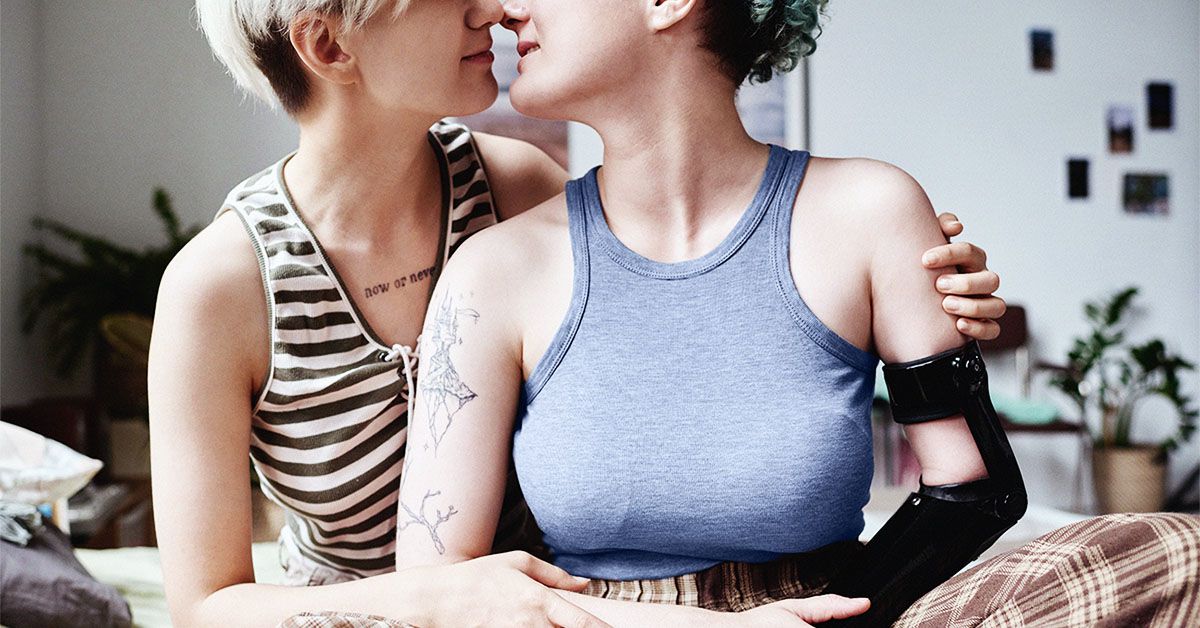
Sexuality and disability should not be treated like awkward distant cousins at a family reunion. They belong in the same conversation, at the same table, with the same level of respect. Disabled people date, flirt, build families, ask hard questions, set boundaries, get crushes, want privacy, want information, and deserve care that does not talk around them like they are invisible. None of that is shocking. It is simply human.
And yet, this topic is often wrapped in myths. Some people still assume disabled adults are not interested in intimacy. Others assume that disability automatically makes sex unsafe, undesirable, or impossible. On the other side of the coin, some people reduce sexuality to a medical checklist and forget the emotional parts: trust, pleasure, dignity, communication, consent, and identity. That is a lot of missing the point for one subject.
This article looks at the real links between sexuality and disability, the barriers many people face, and the practical resources that can help. The goal is not to sensationalize the subject. It is to make it normal, useful, and honest.
Why Sexuality and Disability Are Connected
Sexuality is broader than sex. It includes identity, body image, attraction, intimacy, relationships, communication, safety, and reproductive health. Disability is also broad. It can be physical, sensory, intellectual, developmental, psychiatric, neurological, or related to chronic illness. When these two realities meet, the result is not one single experience. It is a wide range of experiences shaped by health, environment, access, culture, income, support systems, and personal preference.
For many disabled people, sexuality is affected less by the disability itself and more by the barriers around it. A person may want contraception counseling but cannot get onto an exam table. A patient may have questions about pain, medication side effects, or fertility but cannot find a clinician willing to speak directly and respectfully. Someone else may want basic sex education in accessible language and never receive it. In other words, the biggest problem is often not desire or ability. It is access.
That distinction matters. Disability does not erase sexuality. It changes the context in which sexuality is understood and supported. Sometimes that means using adaptive strategies. Sometimes it means discussing fatigue, muscle tone, pain, or communication preferences. Sometimes it means helping a patient separate myth from fact. What it should never mean is silence.
Common Myths That Cause Real Harm
Myth 1: Disabled people are asexual
This is one of the oldest and most damaging myths. It encourages families, schools, and even health professionals to skip conversations about relationships, consent, safer sex, contraception, and abuse prevention. When people are treated as if they do not need information, they are left less prepared to protect themselves and make informed choices.
Myth 2: Disabled people cannot consent or make decisions
Capacity is not something you can guess by looking at a person, a wheelchair, a communication device, or a diagnosis. Decision-making support may be needed in some cases, but that is not the same thing as stripping away autonomy. Good care means using clear language, checking understanding, offering accommodations, and involving the person directly.
Myth 3: Sexual health is a low priority compared with “real” medical issues
This one is sneaky because it often shows up dressed like efficiency. A rushed visit turns into, “Let’s focus on your main condition today.” Fair enough once in a while. Not fair enough forever. Sexual health is part of overall health. It affects mental well-being, relationships, safety, and quality of life.
Myth 4: Accessibility is only about ramps
Physical access matters, but accessibility also includes communication, privacy, sensory needs, easy-to-read materials, ASL interpreters, trauma-informed care, longer appointments when needed, and staff who do not act like basic questions are an inconvenience. Accessibility is not a bonus feature. It is the front door.
Main Challenges in Sexuality and Disability
1. Lack of accurate, inclusive sex education
Many disabled teens and adults receive incomplete or overly simplified education, if they receive any at all. Some are taught only about danger and never about healthy relationships, body autonomy, or communication. Others are excluded because educators wrongly assume the material does not apply to them. That gap can create confusion, shame, and vulnerability.
2. Health care that is technically available but not truly accessible
Plenty of clinics say they provide comprehensive care. That promise can fall apart fast when a building is hard to navigate, a screening room lacks adjustable equipment, or staff speak only to a caregiver instead of the patient. A person may leave with less information than they came in with, which is an impressive trick and not in a good way.
3. Communication barriers
Sexual health conversations already make many people nervous. Add inaccessible materials, rushed visits, sensory overwhelm, or assumptions about comprehension, and the discussion can collapse before it starts. Direct, plain, respectful communication is essential. So is asking the person how they prefer to receive information.
4. Higher risk of abuse, coercion, and exploitation
This is one of the most serious issues in the field. Disabled people, especially those who depend on others for care or support, may face higher risks of emotional abuse, intimate partner violence, sexual coercion, and assault. Dependence on a caregiver, fear of not being believed, isolation, and gaps in education can all increase vulnerability.
5. Social stigma and ableism
Stigma can show up everywhere: in dating, in families, in media, in schools, and in medical settings. Some disabled people are infantilized. Others are fetishized. Neither is respectful. Both make it harder to build healthy relationships grounded in equality and mutual trust.
6. Medical factors that affect intimacy
Pain, fatigue, medication side effects, reduced mobility, spasticity, sensory differences, hormonal changes, or mental health symptoms can affect desire, comfort, and sexual response. These issues are real, but they are not a verdict. They are topics for problem-solving. A good clinician can help a person think through timing, positioning, symptom management, medication review, or referral to a specialist when needed.
How Disability Can Shape Sexual Experience Without Defining It
Sexuality does not disappear when the body changes. It adapts. A person with chronic pain may need more planning and more recovery time. Someone with a spinal cord injury may discover that pleasure, intimacy, and arousal show up differently than before. An autistic adult may prefer direct conversation, lower sensory input, and more explicit boundary-setting. A blind person may prioritize verbal cues. A Deaf person may want communication tools that do not break down at critical moments. None of these adaptations make sexuality less real. They make it more individualized.
This is where the conversation often gets healthier. Instead of asking, “Can disabled people have a satisfying sex life?” a better question is, “What supports help this person have the relationships, safety, comfort, and autonomy they want?” That question opens doors. The first one mostly just wastes time.
What Good Support Looks Like
Start with respect and direct communication
Clinicians, educators, and partners should talk to the disabled person directly, not around them. Ask open, nonjudgmental questions. Do not assume someone is sexually active, not sexually active, heterosexual, interested in parenting, or uninterested in it. Let the person define their life.
Build accessibility into every step
That may include height-adjustable exam tables, accessible websites, captioned videos, plain-language materials, interpreter services, private time with the patient, flexible scheduling, and sensory-aware environments. Accessibility should be planned, not improvised in a panic at the reception desk.
Include consent and abuse prevention in education
Inclusive sex education should cover boundaries, privacy, healthy relationships, anatomy, consent, digital safety, contraception, sexually transmitted infections, and how to get help. Teaching these topics clearly helps people protect themselves and others while making informed choices.
Address pleasure, not just risk
Health professionals often focus only on prevention and pathology. Those matter, but sexuality also involves connection, comfort, confidence, and enjoyment. A conversation that includes only danger is incomplete. A respectful approach can discuss safety and also recognize that positive intimacy matters to quality of life.
Support mental health and body image
Disabled people may carry shame from years of stigma, unwanted comments, or feeling excluded from mainstream ideas of attractiveness. Counseling, peer support, affirming relationships, and disability-positive communities can help rebuild confidence and reduce isolation.
Resources That Can Help
There is no single perfect resource, but there are strong starting points. National public health agencies, survivor-support organizations, disability rights groups, and inclusive education projects all offer useful tools.
- CDC provides disability and health information, including materials related to well-being, violence, and communication in care settings.
- NICHD and NIH resources offer research-based information on disability, reproductive health, and intellectual and developmental disabilities.
- ACOG offers guidance for reproductive and gynecologic care that recognizes disability access needs.
- MedlinePlus has patient-friendly information on sexual health, sexual assault, and conditions that affect intimacy.
- Office on Women’s Health offers safety information, including abuse and dating violence resources.
- RAINN provides education and crisis support related to sexual violence, including resources focused on people with disabilities.
- Planned Parenthood programs include accessible sexuality education materials and disability-inclusive education initiatives in some regions.
- The Arc advocates for the sexual rights and safety of people with intellectual and developmental disabilities.
- ACL shares guidance and resources related to abuse prevention, disability supports, and protective systems.
- ASAN and disability-led projects offer practical materials that center autonomy, accessible communication, and disabled voices.
If someone is in immediate danger or dealing with sexual violence, reaching out to emergency services, a local crisis center, or a national hotline can be an important next step. Survivor support should be accessible, private, and trauma-informed.
What Partners, Families, and Professionals Should Remember
Partners should never assume that disability automatically explains every challenge in a relationship. Sometimes the issue is logistics. Sometimes it is communication. Sometimes it is exhaustion, pain, fear, or stigma. Curiosity and patience help more than pity ever will.
Families should understand that protecting someone does not mean withholding information. In fact, good information is a form of protection. Teaching consent, privacy, body autonomy, and healthy boundaries does not create risk. It reduces risk.
Professionals should remember that neutrality is not enough. If a clinic is inaccessible, if a provider avoids the topic, or if materials are unusable, the result is exclusion. Inclusion requires action.
Conclusion
Sexuality and disability are linked because both are part of real life, not side notes to it. The biggest challenges are usually not a person’s diagnosis but the barriers built around them: silence, stigma, inaccessible care, poor education, and assumptions that shrink autonomy. The good news is that these barriers are not inevitable. They can be changed with better communication, better design, better education, and stronger respect for disabled people as whole human beings.
The conversation does not need to be dramatic. It needs to be honest. Disabled people deserve the same things everyone else does: accurate information, bodily autonomy, supportive relationships, safety, health care that works, and the freedom to define their own lives. That is not a radical idea. It is the bare minimum, which means it is also a pretty good place to start.
Experiences Related to Sexuality and Disability
Experiences in this area are deeply personal, but certain patterns show up again and again. One person may describe the frustration of sitting in a clinic where every poster talks about sexual health while the exam room itself is impossible to use. Another may say the hardest part was not pain or mobility, but the way staff kept directing every question to a family member. That kind of moment sends a message: we are willing to talk about your body, but not with you. It is a small insult with a long echo.
Some disabled adults talk about dating as an exercise in deciding when to disclose, how much to explain, and whether the other person is genuinely interested or simply curious in the worst possible way. It can feel exhausting to educate strangers while also trying to have a normal romantic life. At the same time, many people describe dating experiences that improved dramatically once they met partners who asked practical questions without making disability the headline of every interaction.
Others describe how disability changed intimacy after illness or injury. A person with chronic fatigue may say that spontaneity became less important than timing and comfort. Someone with a mobility disability may learn that a satisfying intimate life depends on planning, pillows, positioning, humor, and a partner who can treat adaptation as teamwork instead of tragedy. There is often grief in that process, but there can also be creativity and closeness.
For autistic people and people with intellectual or developmental disabilities, experiences often highlight the importance of clear language. Vague hints and social guessing games can make relationships more stressful than they need to be. Many people say they felt safer and more respected when communication became direct: What are your boundaries? What do you like? What do you not want? What helps you feel calm? That clarity is not clinical. It can be caring.
There are also painful experiences. Some disabled people report never receiving proper sex education and only learning about boundaries after something went wrong. Others say they stayed in unhealthy relationships because they feared no one else would want them, or because practical dependence made leaving feel impossible. These stories are difficult, but they matter because they show why inclusive education, accessible services, and survivor-centered support are not optional extras.
Still, many experiences are hopeful. People describe finding communities that replace shame with language, fear with knowledge, and isolation with recognition. They talk about finally hearing a clinician ask, “What would make this visit work better for you?” They remember the relief of being treated as an adult with preferences, rights, and a future. In the end, the most powerful experiences are often the simplest ones: being believed, being included, and being spoken to like a whole person.