Emergencies rarely send a calendar invitation. A hurricane may knock out power, a winter storm can close roads, a wildfire may force a rushed evacuation, and an ordinary water-main break can suddenly make the kitchen faucet decorative rather than useful. The right emergency supplies help a household remain safe, informed, hydrated, fed, and reasonably comfortable while normal services are unavailable.
The best emergency kit for 2025 is not necessarily the largest, most expensive, or most tactical-looking package on the internet. It is the kit that matches your household, local hazards, medical requirements, climate, transportation options, and realistic storage space. A compact kit that everyone understands is far more valuable than a mountain of mystery gadgets still sealed in plastic.
What Makes an Emergency Supply “The Best”?
Emergency gear should be dependable, simple to operate, portable when necessary, and safe to store. Items that serve several purposes are particularly useful, but essential systems should include some redundancy. For example, a hand-crank radio is helpful, but it should not be your only source of light, power, or information.
Use five basic standards when choosing supplies:
- Reliability: The item works after months in storage.
- Usability: Every capable household member can operate it.
- Safety: The product is appropriate for indoor or outdoor use as intended.
- Portability: Evacuation supplies can be carried without requiring superhero shoulders.
- Maintainability: Batteries, filters, food, and medications can be inspected and replaced easily.
Federal preparedness guidance generally recommends assembling enough basic supplies to remain self-sufficient for several days. The American Red Cross recommends one gallon of water per person per day, with a three-day evacuation supply and a larger two-week supply for sheltering at home when storage permits.
The Best Emergency Supplies List for 2025
1. Drinking Water and Safe Storage Containers
Water belongs at the top of every emergency supplies list because dehydration becomes dangerous much faster than hunger. Store commercially bottled water or water in food-grade containers designed for long-term storage. Avoid containers that previously held chemicals, milk, juice, or anything that may leave residue or support bacterial growth.
Calculate at least one gallon per person per day for drinking and basic sanitation. A family of four therefore needs at least 12 gallons for three days. Hot climates, pregnancy, illness, strenuous activity, and pets can increase that requirement.
A well-rounded water setup should include:
- Sealed drinking water
- Food-grade water containers
- A portable water filter appropriate for anticipated contaminants
- Water-disinfection tablets or drops
- A metal pot or safe container for boiling water
- Collapsible containers for collecting or transporting water
Filters are not magic. Some remove sediment and certain microorganisms but may not remove viruses, chemicals, or salt. During a water emergency, follow instructions from local authorities and current EPA guidance for boiling or disinfecting water rather than improvising a chemistry experiment during the least convenient week of your life.
2. Shelf-Stable Emergency Food
The best emergency food is familiar, easy to prepare, nutritionally useful, and something your household will actually eat. A bucket containing 150 servings is less impressive when 130 servings are powdered bean paste that everyone quietly hates.
Choose a combination of:
- Canned beans, meat, fish, fruit, and vegetables
- Nut or seed butter
- Whole-grain crackers and cereal
- Protein or energy bars
- Dried fruit and nuts
- Ready-to-eat meals
- Shelf-stable milk or alternatives
- Instant foods requiring minimal water
- Food for infants, older adults, and household pets
Prioritize foods that can be eaten cold and do not require refrigeration. Include a manual can opener, disposable plates, utensils, paper towels, and trash bags. People with diabetes, allergies, kidney disease, swallowing difficulties, or other dietary needs should build a separate menu rather than relying on a generic survival-food package.
During a power outage, keep refrigerator and freezer doors closed. USDA guidance states that an unopened refrigerator generally keeps food safely cold for about four hours, while a full freezer may hold its temperature for roughly 48 hours, or about 24 hours when half full. Never taste questionable food to determine whether it is safe.
3. A Complete First Aid Kit
A first aid kit should handle common cuts, burns, sprains, blisters, minor allergic reactions, and other manageable injuries until professional care is available. Select a kit with clearly labeled compartments instead of one mysterious red pouch in which every bandage has formed a close-knit community at the bottom.
A useful household first aid kit includes:
- Adhesive bandages in several sizes
- Sterile gauze pads and roller gauze
- Medical adhesive tape
- Absorbent trauma dressings
- Antiseptic wipes
- Disposable nitrile gloves
- Scissors and tweezers
- Instant cold packs
- Elastic wraps
- A digital thermometer
- A CPR breathing barrier
- Emergency blanket
- A printed first aid guide
Store over-the-counter medicines appropriate for your household, checking contraindications and expiration dates. Possible additions include pain relievers, antihistamines, antacids, anti-diarrheal medicine, hydrocortisone cream, and any physician-recommended emergency medication. First aid supplies should be inspected regularly and replaced when damaged, opened, or expired.
4. Prescription Medications and Medical Information
Medical needs cannot be replaced by a multitool and positive thinking. Maintain an emergency supply of prescription medications when permitted by your clinician, insurer, and local regulations. Keep medicines in their original labeled containers and rotate them before expiration.
Include copies of prescriptions, medication names and dosages, allergies, medical conditions, physician contact information, insurance details, and instructions for essential medical equipment. Pack spare glasses, hearing-aid batteries, syringes, glucose-testing supplies, mobility-device accessories, and backup power for equipment when applicable.
People using refrigerated medications need an approved insulated container, cold packs, and a written plan for maintaining safe temperatures. CDC guidance emphasizes customizing emergency kits for disabilities, chronic conditions, communication needs, and assistive equipment rather than treating every household as medically identical.
5. LED Headlamps, Flashlights, and Lanterns
Every household member should have an LED headlamp or flashlight. Headlamps are especially useful because they leave both hands free for carrying bags, providing first aid, or discovering that the sound in the garage was merely a broom falling over.
Add at least one lantern for room lighting. Choose models with straightforward controls, long runtimes, common battery sizes, and low-power settings. Store spare batteries separately in their original packaging and inspect them for corrosion.
Battery-operated candles are safer than open flames during most outages. Traditional candles can create a serious fire risk, particularly around children, pets, curtains, bedding, and distracted adults attempting to cook dinner with a camping stove they have never used.
6. NOAA Weather Radio
A battery-powered or hand-crank radio provides vital information when cellular networks, home internet, and television services fail. Look for a model that receives NOAA Weather Radio broadcasts and includes both battery and crank-powered operation.
Useful features include a readable display, an alert function, a built-in light, replaceable batteries, an external antenna, and simple controls. A radio with Specific Area Message Encoding can help users receive alerts targeted to selected geographic areas, although setup should be completed before an emergency.
NOAA Weather Radio broadcasts official warnings, watches, forecasts, and other hazard information around the clock. It should be one layer in a broader alert plan that may also include Wireless Emergency Alerts, local authorities, and trusted weather services.
7. Backup Power and Charging Equipment
Modern emergency preparedness requires power for phones, lights, radios, medical equipment, and other essentials. Store charged power banks, compatible cables, wall chargers, and a vehicle charger. Clearly label cables so the household does not spend an outage conducting an archaeological dig through a drawer of obsolete connectors.
A larger portable power station can support communication devices, lighting, a small fan, or selected medical equipment. Choose a model from a reputable manufacturer with clear safety certifications, overload protection, an understandable battery display, and sufficient output for the intended devices.
Test your power equipment before hurricane, wildfire, or winter-storm season. Recharge stored batteries on a schedule recommended by the manufacturer. Solar panels can be helpful during extended outages, but charging speed depends on panel size, weather, placement, and battery capacity.
8. Communication and Signaling Supplies
Print a contact sheet containing household phone numbers, an out-of-area contact, physicians, insurance providers, utility companies, schools, workplaces, and local emergency services. Store a copy in every evacuation bag because a smartphone with a dead battery is an elegant rectangle, not a communication plan.
Include:
- A loud emergency whistle
- Waterproof notepad and permanent marker
- Local paper maps
- Two-way radios for household communication
- Small-denomination cash
- Copies of identification and emergency documents
During network congestion, keep calls brief and reserve voice calls for emergencies. Text messages may succeed when voice calls do not, although no communication method should be considered guaranteed during a major disaster.
9. Sanitation and Personal Hygiene Supplies
Sanitation problems can quickly turn an uncomfortable emergency into a health emergency. Pack soap, hand sanitizer, disinfecting wipes, toilet paper, feminine-hygiene products, diapers, dental-care items, disposable gloves, and heavy-duty garbage bags.
A basic emergency toilet setup may include a sturdy bucket with a fitted seat, waste bags, absorbent material, disinfectant, and twist ties. Keep this system separate from food-preparation supplies and learn local disposal instructions before it is needed.
Add N95 or similar protective masks for dust, smoke particles, or cleanup work, along with safety goggles and work gloves. A mask does not provide oxygen or protect against every gas or chemical hazard, so follow evacuation instructions whenever authorities identify dangerous air conditions.
10. Warmth, Clothing, and Emergency Shelter
Pack weather-appropriate clothing, sturdy shoes, rain gear, hats, gloves, and at least one complete change of clothes per person. Include sleeping bags or warm blankets, reflective emergency blankets, compact tarps, cordage, and waterproof ponchos.
Do not depend on thin emergency blankets as your only protection in severe cold. They are lightweight heat-reflective barriers, not luxurious winter bedding. Layer them with insulated clothing, blankets, sleeping bags, and protection from wind and wet ground.
Households in hot climates should add cooling towels, sun protection, battery-operated fans, and extra water. Climate-specific preparation matters because an emergency kit designed for a Minnesota blizzard may perform rather poorly during an Arizona heat wave.
11. Practical Tools and Household Safety Equipment
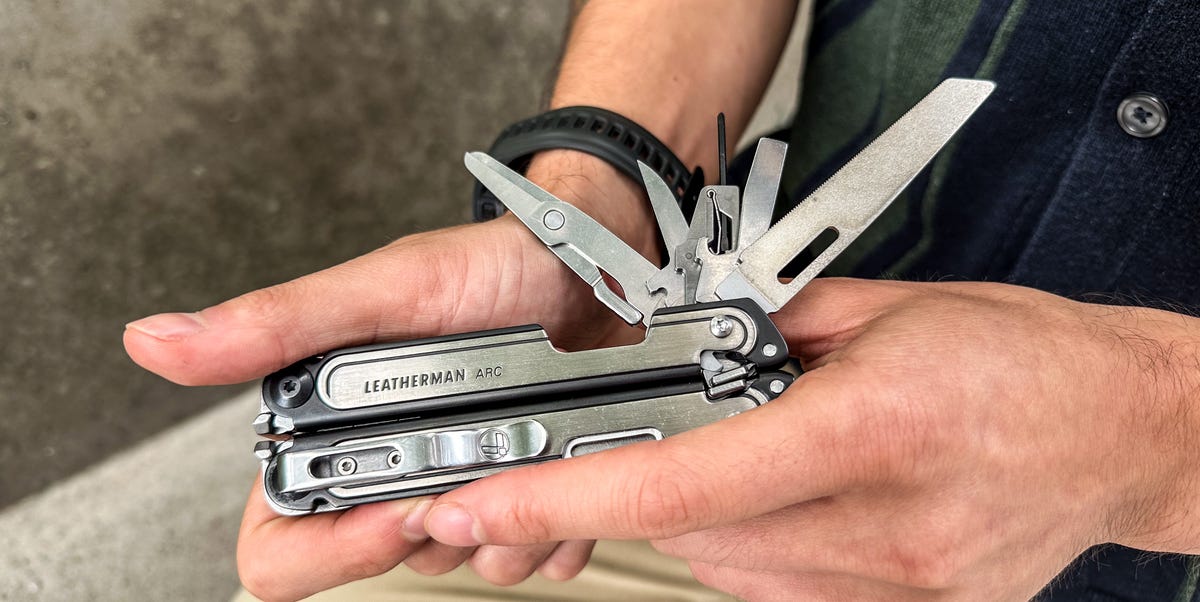
A compact tool section should include a manual can opener, adjustable wrench, pliers, screwdrivers, utility knife, duct tape, zip ties, rope, waterproof matches, and a multipurpose tool. Add plastic sheeting only when it supports a specific local emergency plan and you understand how it is meant to be used.
Every home should also have working smoke alarms, carbon-monoxide alarms, and an accessible fire extinguisher appropriate for common household fires. A fire extinguisher is intended for a small, contained fire when the user has a safe exit. When smoke spreads or a fire grows, evacuate and call emergency services rather than attempting an action-movie audition.
Portable generators must be operated outdoors, far from buildings, doors, windows, and vents. CPSC guidance says generators should be placed at least 20 feet from the home with exhaust directed away from the structure. Never run one in a garage, basement, shed, crawlspace, or partially enclosed area, even when doors are open.
12. Important Documents and Financial Supplies
Place copies of essential documents in a waterproof, portable container. Include identification, insurance policies, property records, medical information, prescriptions, vehicle documents, emergency contacts, pet records, and recent household photographs for insurance purposes.
Keep encrypted digital copies on a secure storage device or trusted online account. Include some small bills because card terminals and ATMs may be unavailable during a widespread power or communications outage.
Do not store every original document in a go bag that might be lost or stolen. Use secure copies for evacuation and protect originals in an appropriate fire-resistant or off-site location.
13. Supplies for Infants, Older Adults, Disabilities, and Pets
A generic emergency kit is only a starting point. Add infant formula, bottles, diapers, wipes, comfort items, mobility aids, communication boards, medical-device batteries, sensory-support items, and any other household-specific necessities.
Pet supplies should include food, water, bowls, medications, a leash or harness, carrier, sanitation bags, veterinary records, vaccination information, proof of ownership, and recent photographs. Identify pet-friendly shelters, hotels, and evacuation destinations in advance.
14. A Separate Vehicle Emergency Kit
Keep a smaller emergency kit in every frequently used vehicle. Include drinking water, shelf-stable snacks, a first aid kit, flashlight, reflective warning triangles, reflective vest, phone charger, tire gauge, basic tools, jumper cables or a tested jump starter, work gloves, and a blanket.
Cold-weather kits should include extra insulation, hand warmers, an ice scraper, and traction material. Hot-weather kits need additional water and sun protection. Store medications and heat-sensitive batteries according to manufacturer instructions rather than leaving vulnerable products in a vehicle that regularly becomes an oven with cup holders.
How to Organize an Emergency Kit
Use sturdy, waterproof or water-resistant containers that can be moved by one person. A single enormous bin may hold everything, but it becomes less useful when nobody can lift it. Divide supplies into logical modules:
- Water and food
- Medical and first aid
- Lighting and power
- Sanitation
- Tools and protective equipment
- Documents and communication
Keep a home kit, a portable evacuation bag for each person, and a vehicle kit. Store home supplies somewhere accessible and protected from flooding, extreme temperatures, pests, and household chemicals. Everyone should know where the kits are located.
Create a Maintenance Schedule
Review supplies at least twice a year and before the major hazard season in your region. Check food dates, water containers, prescription plans, batteries, radio reception, power-bank charge levels, clothing sizes, contact information, and pet supplies.
Use older food before expiration and replace it with fresh stock. This rotation system reduces waste and reveals which foods nobody wants to eat even under peaceful circumstances.
Common Emergency-Kit Mistakes
The first mistake is buying a preassembled kit and never opening it. Commercial kits can provide a useful foundation, but contents vary widely. Inspect every component, replace low-quality items, and add household-specific supplies.
Other common errors include storing too little water, forgetting a manual can opener, relying on one flashlight, packing unfamiliar food, keeping expired medications, omitting pet supplies, and purchasing equipment without practicing how to use it.
Another major mistake is confusing equipment ownership with preparedness. A radio is helpful only when it is programmed and working. A fire extinguisher is valuable only when it is accessible and the user understands when to evacuate. A water filter is useful only when its limitations are known.
Experience-Based Lessons From Outages and Emergency Drills
The following practical lessons reflect recurring experiences reported during household emergency drills, severe-weather outages, evacuations, and community preparedness exercises. The first lesson is that darkness changes everything. A familiar room becomes surprisingly difficult to navigate when the electricity disappears, especially when children, pets, furniture, and scattered charging cables are involved. Keeping a headlamp beside each bed is more useful than storing every flashlight in one kitchen drawer.
A second lesson is that water becomes inconvenient long before it becomes completely unavailable. Families may have drinking water but discover they lack water for washing hands, cleaning dishes, flushing toilets, or caring for pets. Separating drinking water from sanitation water makes inventory easier. Labeling containers also prevents someone from using premium drinking water to mop a floor during the first hour of an outage.
Food planning produces similar surprises. During a drill, people often discover that their emergency meals require more water, fuel, cookware, and cleanup than expected. A meal that requires boiling water for 20 minutes may be unsuitable when fuel is limited. Testing one emergency meal in advance reveals whether it is easy to prepare, satisfying, compatible with dietary restrictions, and remotely enjoyable. Morale matters, and one familiar snack can be worth more emotionally than a case of aggressively nutritious paste.
Communication plans frequently fail because they exist only in one person’s phone. During an evacuation exercise, family members may realize they do not remember important numbers, do not know the out-of-area contact, or have never agreed on a meeting location. A printed card in each wallet or go bag solves much of this problem. It is inexpensive, requires no signal, and never asks for a software update at a dramatic moment.
Another recurring lesson is that equipment should be tested under realistic conditions. Turning on a radio for ten seconds at the kitchen table is not the same as finding a local warning station in the dark. Carrying a fully loaded evacuation bag around the block quickly identifies unnecessary weight, uncomfortable straps, and missing items. A bag that feels reasonable for 30 seconds can become a portable regret after half a mile.
Households with medical devices gain the most from practicing backup-power procedures. A power station may have plenty of advertised capacity but still be incompatible with a device’s starting load, plug, or charging requirements. Testing should be completed safely and in consultation with the equipment provider when necessary. Backup batteries, written instructions, and a destination with reliable electricity should be part of the same plan.
Sanitation is another area people underestimate. Trash accumulates, toilets may stop working, and handwashing becomes harder. A clearly labeled sanitation container containing soap, gloves, bags, wipes, toilet supplies, and disinfectant prevents frantic searching. It also keeps hygiene products separate from food and medical equipment.
Finally, drills demonstrate that organization beats quantity. Clearly labeled containers, printed inventories, and assigned responsibilities save time. One person can gather documents, another can secure pets, and another can load water and medical supplies. The objective is not military precision; it is avoiding four adults simultaneously searching for the same phone charger while nobody remembers the cat carrier.
The most effective preparedness experience is a simple annual exercise: turn off nonessential electricity for an evening, prepare a meal using emergency supplies, operate the radio, charge a phone from backup power, locate documents, and carry evacuation bags outside. The exercise will expose weaknesses faster than another shopping trip. Fix those weaknesses, repeat the drill, and the emergency kit becomes a working system rather than an expensive collection of objects.
Final Thoughts
The best emergency supplies for 2025 focus on practical needs: safe water, dependable food, medical care, trustworthy information, lighting, backup power, sanitation, protection from weather, and a realistic evacuation plan. Begin with the essentials, customize the kit for every person and animal in the household, and improve it gradually.
Preparedness does not require panic buying or turning the garage into a bunker. It requires thoughtful choices, safe storage, regular maintenance, and enough practice to use essential equipment confidently. Build a kit you understand, can carry, and can maintain. When an emergency arrives without an appointmentas emergencies tend to doyou will be ready to respond rather than beginning your research by flashlight.