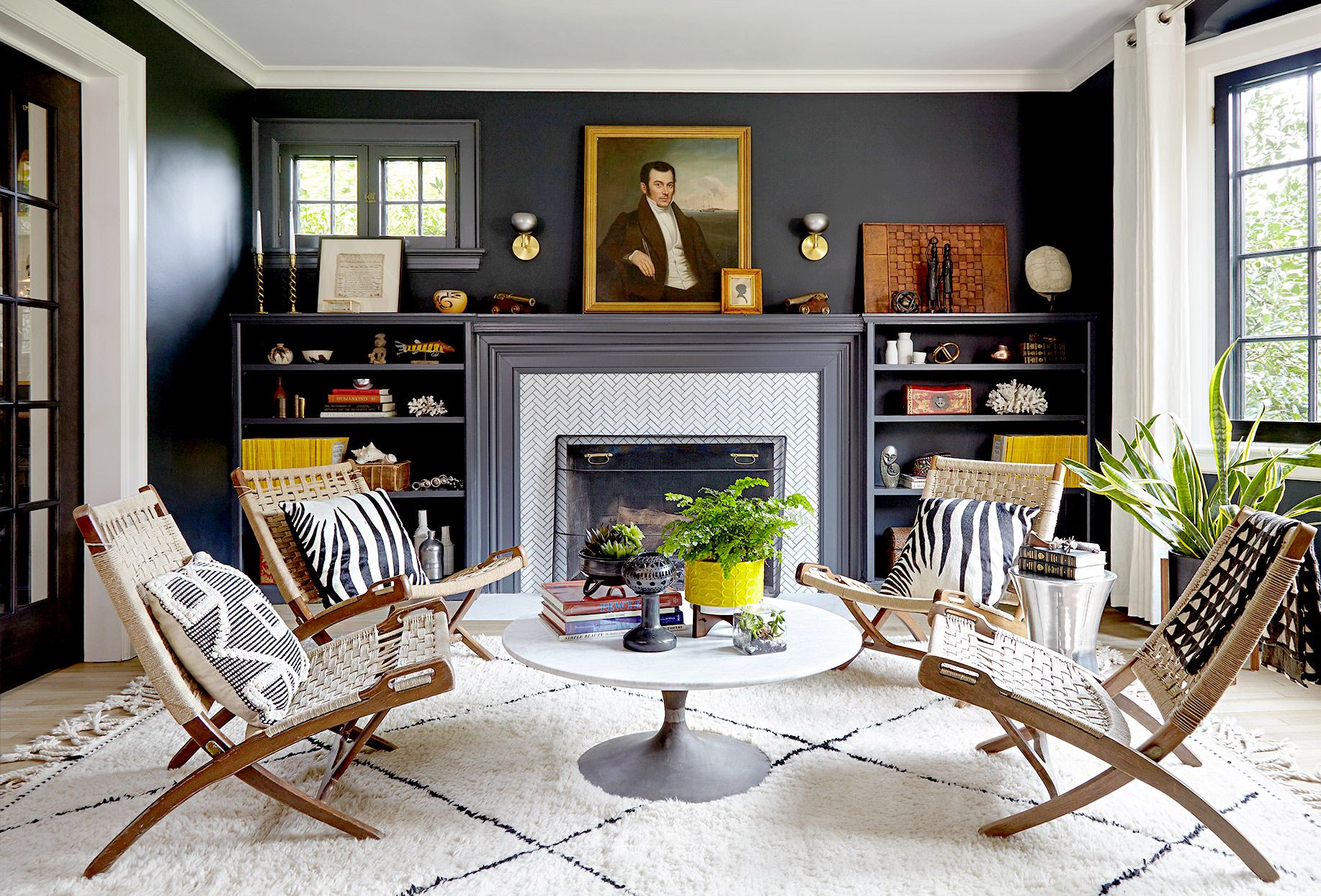
Renovating a home with character is a little like editing a great novel: the goal is not to rewrite every sentence, but to make the story easier to enjoy. The creaky stairs, original trim, old brick fireplace, arched doorway, built-in cabinet, or slightly dramatic front porch may be exactly why you fell in love with the house in the first place. Remove too much, and suddenly the home looks less “timeless” and more “real estate flip wearing a gray hoodie.”
The best home renovation does two things at once: it improves how the house works for modern life while protecting the details that make it feel rooted, warm, and authentic. That means better wiring, safer plumbing, smarter storage, more efficient windows, and a kitchen that does not require Olympic-level flexibilitywithout destroying the architectural personality that gives the home its soul.
Whether you own a Craftsman bungalow, Colonial, Victorian, ranch, farmhouse, mid-century home, or a humble old house with mysterious charm and one suspicious closet, this guide explains how to renovate a home while maintaining its character. The secret is planning, patience, respect for original materials, and knowing when to restore, when to repair, and when to quietly upgrade behind the scenes.
What Does “Maintaining Character” Really Mean?
A home’s character is the collection of visible and emotional details that make it feel distinct. It includes architectural style, proportions, materials, craftsmanship, layout, finishes, and even the way light moves through the rooms. Character is not just “old stuff.” It is the combination of original features and thoughtful design choices that create a sense of place.
Character-defining features may include hardwood floors, plaster walls, crown molding, wainscoting, exposed beams, fireplaces, stair railings, built-ins, transom windows, vintage tile, original doors, hardware, porch columns, stone foundations, brickwork, or decorative rooflines. In newer homes, character might come from custom millwork, natural materials, regional design cues, or a layout that reflects how the home was meant to be lived in.
The goal is not to freeze the house in time like a museum where nobody is allowed to sit on the sofa. The goal is to let the home evolve without erasing its identity. A successful renovation should feel as though the house got a very good night’s sleep, not a completely new face.
Start With Research Before Swinging a Hammer
Before demolition begins, study the home. Look at its age, style, original layout, materials, and previous renovations. Walk through each room and list what feels special. Take photos of doors, trim profiles, flooring patterns, windows, fireplaces, ceiling details, exterior siding, and hardware. These details become your renovation map.
If your house is older, research its architectural period. A 1920s Craftsman home, for example, usually celebrates natural wood, built-ins, low-pitched rooflines, and honest craftsmanship. A mid-century ranch may shine through clean lines, large windows, simple materials, and indoor-outdoor flow. A Victorian may invite bolder color, ornamental trim, and layered textures. Understanding the design language helps you make upgrades that feel compatible instead of random.
Local archives, county property records, neighborhood associations, historic maps, old listing photos, and previous owners can reveal useful clues. Even if you do not find a dramatic story involving a secret tunnel and a jazz musician, you may discover original porch details, former room layouts, or exterior colors worth honoring.
Create a “Save, Restore, Replace” Plan
One of the smartest ways to renovate without losing character is to divide every major feature into three categories: save, restore, or replace. This simple system keeps emotional decisions from being made during dusty, expensive moments when everyone is tired and surviving on takeout.
Features to Save
Save original elements that are structurally sound, visually important, difficult to reproduce, or central to the home’s style. These often include wood floors, staircases, mantels, built-ins, doors, trim, vintage tile, brick chimneys, and original windows. Even imperfect details can add depth. A few dents in old wood are not defects; they are the house whispering, “I have seen things.”
Features to Restore
Restore features that are damaged but repairable. Hardwood floors can often be refinished. Plaster can be patched. Wood windows can be repaired and weatherstripped. Old doors can be stripped, sanded, rehung, and paired with restored hardware. Restoration usually takes more patience than replacement, but it often produces a richer and more authentic result.
Features to Replace
Replace items that are unsafe, beyond repair, poorly installed, or not original in the first place. Bad 1980s cabinets, failing vinyl flooring, hazardous wiring, leaking plumbing, rotted structural elements, and cheap replacement windows may not deserve a sentimental farewell party. When replacement is necessary, choose new materials that respect the home’s proportions, texture, and style.
Upgrade the Systems First, Beauty Second
It is tempting to start with paint colors, countertops, and light fixtures because they are fun and nobody has ever made a Pinterest board called “Moisture Management Behind the Wall.” But the most important renovation work often happens where guests will never look.
Before cosmetic updates, inspect the roof, foundation, drainage, electrical system, plumbing, HVAC, insulation, windows, and exterior envelope. A charming house with outdated wiring or hidden water damage is not charming; it is a future invoice wearing a cute porch.
Prioritize safety and durability. Repair leaks, correct grading, update unsafe electrical panels, replace failing pipes, address structural problems, and improve ventilation. These upgrades protect the original character because they keep the house healthy. There is no point restoring beautiful trim if water is sneaking into the wall behind it like an uninvited raccoon.
Respect the Original Floor Plan When Possible
Many older homes were built with defined rooms, formal entries, central halls, or smaller kitchens. Modern life often calls for better flow, more natural light, and flexible spaces. The challenge is to improve functionality without flattening the home into one giant room where every sound echoes like a gymnasium.
Instead of automatically removing walls, study how the existing layout works. Sometimes widening a doorway, adding a cased opening, improving sightlines, or connecting the kitchen to a breakfast nook is enough. Partial walls, pocket doors, interior windows, and arched openings can create openness while preserving architectural rhythm.
In character-rich homes, transitions matter. The entry should still feel like an entry. The dining room can still have a sense of occasion. The living room can be cozy instead of cavernous. Open concept is useful in some homes, but it should not be treated like a universal commandment carved into a granite island.
Repair Original Windows Before Replacing Them
Original wood windows are often among the most character-defining features of an older home. Their proportions, muntin patterns, glass texture, and frame depth contribute to the building’s appearance inside and out. Replacing them with generic units can dramatically change the home’s face.
Before replacement, evaluate whether the windows can be repaired. Many historic wood windows were made from dense old-growth lumber and can be restored with reglazing, weatherstripping, sash cord replacement, epoxy repairs, and storm windows. Adding interior or exterior storm windows can improve comfort while preserving the original look.
If windows truly must be replaced, match the original design as closely as possible. Pay attention to frame thickness, grid pattern, material, color, and installation depth. A window that is technically “new and efficient” but visually wrong can make an old house look like it borrowed someone else’s glasses.
Choose Materials That Match the Home’s Era
Materials carry character. Natural wood, stone, brick, plaster, ceramic tile, metal hardware, and traditional siding often age gracefully. Thin synthetic substitutes may look acceptable on day one but can feel flat beside original craftsmanship.
When renovating, choose materials that complement the home’s age and style. In a Craftsman home, quarter-sawn oak, handmade tile, bronze hardware, and built-in storage may feel right. In a mid-century house, terrazzo, walnut, simple slab cabinetry, globe lighting, and clean-lined tile may support the architecture. In a farmhouse, painted wood, soapstone, brick, beadboard, and warm metals can feel natural.
Matching does not mean every choice must be historically perfect. A modern kitchen can still belong in an old house if the scale, color, texture, and detailing feel connected. Think “conversation across generations,” not “time traveler crashed into the pantry.”
Blend Modern Comforts Quietly
The best character-preserving renovations often hide modern upgrades in plain sight. You can add smart thermostats, better insulation, efficient lighting, improved appliances, stronger ventilation, and updated wiring without turning the home into a spaceship.
Use recessed outlets where appropriate, hide charging stations inside drawers, place speakers discreetly, and choose lighting that fits the room’s proportions. In kitchens, panel-ready appliances can reduce visual clutter. In bathrooms, heated floors, improved exhaust fans, and modern waterproofing can be added behind traditional tile or classic fixtures.
Comfort does not have to shout. A home can have excellent Wi-Fi, modern plumbing, and efficient climate control while still looking like it knows how to host a proper Sunday dinner.
Keep the Exterior Honest
Curb appeal is where character makes its first impression. Exterior renovations should respect the home’s original shape, roofline, porch design, window proportions, siding material, and trim details. Removing porch columns, flattening decorative trim, changing window sizes, or adding incompatible siding can make the home lose its architectural identity quickly.
Restore rather than simplify whenever possible. Repair wood siding, repoint brick carefully, preserve original masonry, rebuild porch railings to match historic profiles, and choose paint colors that enhance the architecture. If an addition is needed, it should be compatible without pretending to be original. A well-designed addition respects scale, roof pitch, materials, and window rhythm while remaining honest about its time.
Landscaping also matters. Mature trees, stone paths, cottage gardens, native plants, period-appropriate fencing, and simple exterior lighting can reinforce character. A historic home surrounded by harsh concrete and stadium-bright lighting may feel less like a home and more like a municipal parking lot with shutters.
Use Color to Highlight, Not Hide, Character
Paint is one of the most powerful and affordable renovation tools. The right color can emphasize trim, brighten dark rooms, and connect old features with new finishes. The wrong color can make original details disappear faster than snacks at an open house.
Study the home’s style before choosing a palette. Older homes often look beautiful with layered colors that define trim, doors, walls, and architectural details. Historic palettes can provide inspiration, but you do not have to copy them exactly. Soft neutrals, warm whites, earthy greens, deep blues, muted reds, and rich browns can all work depending on the architecture and natural light.
Avoid painting everything the same flat white just because it feels “clean.” Sometimes contrast is what allows moldings, windows, staircases, and built-ins to shine. On the other hand, avoid overly trendy colors in permanent materials. Paint can be changed; bright purple bathroom tile is a longer conversation.
Design Kitchens and Bathrooms With Balance
Kitchens and bathrooms are where old-house character is most often lost. These rooms need modern performance, but they should still feel connected to the rest of the home. A sleek ultra-modern kitchen can be stunning in the right setting, but in a 1910 bungalow it may feel like it arrived by helicopter.
For kitchens, consider inset or shaker-style cabinets, natural stone or butcher block counters, unlacquered brass or aged nickel hardware, classic tile, wood floors, and lighting that fits the scale of the room. Keep ceiling heights, window trim, and door casings consistent with nearby spaces. If the kitchen once had a chimney, pantry, or built-in hutch, consider preserving or referencing it.
For bathrooms, classic choices such as hex tile, subway tile, marble thresholds, pedestal sinks, console sinks, beadboard, medicine cabinets, and simple metal finishes can deliver modern function with old-house charm. Behind the scenes, use modern waterproofing, ventilation, and plumbing. The room should look timeless, not like a theme restaurant called “Ye Olde Powder Room.”
Reuse, Salvage, and Repurpose Whenever You Can
Salvage is one of the best ways to maintain character during renovation. Original doors, knobs, hinges, registers, brick, flooring, trim, cabinets, and light fixtures can often be reused in new ways. If a wall is removed, save the trim. If a damaged floor section must come up, keep usable boards for patches. If old brick is removed, consider using it for a hearth, garden path, or accent wall.
Architectural salvage stores can also help you find period-appropriate pieces. Matching an old door or finding vintage hardware may take more effort than ordering new items online, but the result often feels more authentic. Plus, telling guests, “We found that at a salvage yard” is much more interesting than “It came in a box with 47 pieces of foam.”
Work With Craftspeople Who Understand Old Homes
Not every contractor enjoys working with older homes. Renovating character-rich houses requires patience, problem-solving, and respect for imperfect conditions. Walls may not be square. Floors may slope. Materials may be unusual. Previous renovations may contain surprises that inspire colorful language.
Hire professionals who have experience with restoration, historic homes, traditional carpentry, plaster repair, masonry, window restoration, and custom millwork. Ask to see similar projects. Discuss your priorities clearly: you want modernization without unnecessary demolition. The right team will help you protect what matters while making the home safer and more functional.
For older homes, also consider specialists for lead paint, asbestos, structural repairs, and historic masonry. Safety is part of preservation. Disturbing hazardous materials without proper procedures can create serious health risks and expensive cleanup problems.
Avoid the “Everything Must Be New” Trap
New does not always mean better. Some renovation mistakes happen because homeowners assume any old material is automatically inferior. But old hardwood, solid doors, plaster walls, hand-laid tile, and custom millwork may be higher quality than many modern replacements.
The smartest approach is selective modernization. Replace what fails. Repair what can be saved. Upgrade what affects safety, comfort, and daily life. Preserve what gives the house its identity. This creates a home that feels updated but not generic.
Character is valuable because it cannot be bought instantly. You can purchase new cabinets this afternoon, but you cannot order a century of patina with two-day shipping.
Plan the Budget Around Surprises
Character-preserving renovations often include unknowns. Once walls open, you may find outdated wiring, hidden leaks, old termite damage, strange framing, abandoned pipes, or repairs made by someone whose main tool appears to have been optimism.
Build a contingency fund into the budget. For older homes, a larger cushion is wise because surprises are common. Spend money first on structure, safety, and weather protection. Then move to finishes, fixtures, and decorative details. A beautiful kitchen matters, but a dry basement and solid roof matter more.
Also budget for craftsmanship. Custom trim, window repair, plaster work, masonry, and floor refinishing can cost more than basic replacement. However, these investments often preserve the home’s value, beauty, and authenticity.
Make Additions Feel Compatible
Sometimes a home needs more space. Families grow, work changes, hobbies multiply, and suddenly the house must accommodate a home office, mudroom, guest suite, or kitchen large enough for more than one person and a courageous cat.
A good addition should respect the original home’s scale and form. Match or complement rooflines, window proportions, siding exposure, foundation height, and trim details. Avoid overwhelming the original structure. The addition should support the house, not tackle it from behind.
Inside, use transitions carefully. Flooring, ceiling height, casing profiles, and wall finishes should create a sense of continuity. The new space can be more modern, but it should still feel like part of the same home.
Small Details Make the Biggest Difference
Character lives in details. Door hardware, switch plates, vents, hinges, light fixtures, baseboards, thresholds, cabinet pulls, stair brackets, and window stools may seem minor, but together they shape the home’s personality.
When renovating, do not let these details become afterthoughts. Match trim profiles where possible. Choose hardware finishes that make sense with the home’s style. Keep original doors when you can. Use lighting that complements ceiling heights and room proportions. Even simple decisions, like using wood registers instead of shiny metal ones in a historic room, can make the renovation feel more thoughtful.
The goal is cohesion. A character-rich home does not need every piece to match perfectly, but it should feel intentional. Think collected, not chaotic; layered, not cluttered.
Renovation Experiences: Lessons From the Dust Zone
Anyone who has renovated a character-filled home knows the experience is part design project, part detective story, and part emotional fitness test. One day you are admiring original floors; the next day you are standing in a room full of exposed studs wondering why three generations of previous owners made plumbing decisions with the confidence of pirates.
The first lesson is to slow down before removing anything. Many homeowners regret demolishing original features too quickly. A built-in cabinet that seems awkward on day one may become the most beloved storage piece after a little repair and paint. A vintage bathroom floor that looks tired may sparkle after professional cleaning and regrouting. Old doors that stick may simply need hinge adjustment, not replacement. Living with the house for a while helps you understand what is inconvenient and what is irreplaceable.
The second lesson is to keep a “character box.” During renovation, save original hardware, tile fragments, trim samples, old keys, light fixtures, register covers, and even wallpaper scraps. These pieces help you match details later. They can also inspire new design choices. A tiny piece of original green wallpaper might become the color direction for a powder room. A salvaged glass knob might guide the hardware finish for the whole upstairs. The house often leaves clues; the trick is not throwing them into a dumpster while saying, “We’ll remember.” You will not remember. Label the box.
The third lesson is to expect compromise. You may want to preserve every original inch, but life still needs outlets, showers that drain properly, closets that hold more than three shirts, and a kitchen where the dishwasher door can open without blocking the refrigerator. Maintaining character does not mean suffering for aesthetics. It means making practical updates with respect. Sometimes the best solution is invisible: new wiring behind old plaster, improved insulation in the attic, a modern range inside a classic kitchen layout, or a new bathroom designed with traditional materials.
The fourth lesson is that perfection can be the enemy of charm. Old homes rarely have perfectly level floors, flawless walls, or identical corners. Trying to make every surface look brand-new can remove the softness that made the house appealing. A refinished floor with a few old marks often feels warmer than a completely replaced one. Slight waves in plaster can catch light beautifully. Patina is not damage; it is visual memory.
Finally, character-preserving renovation works best when every choice answers one question: “Does this feel like it belongs here?” If the answer is yes, the project will likely age well. If the answer is “It was trending online and available in matte black,” pause before buying twelve of them. Trends fade, but a home with personality keeps getting better. Renovate with care, and the finished house will not just look updated. It will feel deeply, comfortably, unmistakably itself.
Conclusion
Renovating a home while maintaining its character is not about refusing change. It is about choosing change carefully. The strongest renovations begin with observation, research, and respect for the home’s original design. They protect character-defining features, repair valuable materials, upgrade essential systems, and introduce modern comforts in ways that feel natural rather than forced.
A character-rich home does not need to be perfect. It needs to be honest, functional, comfortable, and full of details that tell a story. Save the features that matter. Replace what is unsafe or unsuitable. Use materials that belong. Hire people who understand craftsmanship. Above all, remember that the best renovation does not erase the pastit gives the past a better future.
Note: This article is written for general home renovation guidance. For older homes, historic properties, or projects involving lead paint, asbestos, structural changes, electrical work, or plumbing, consult qualified local professionals before beginning work.