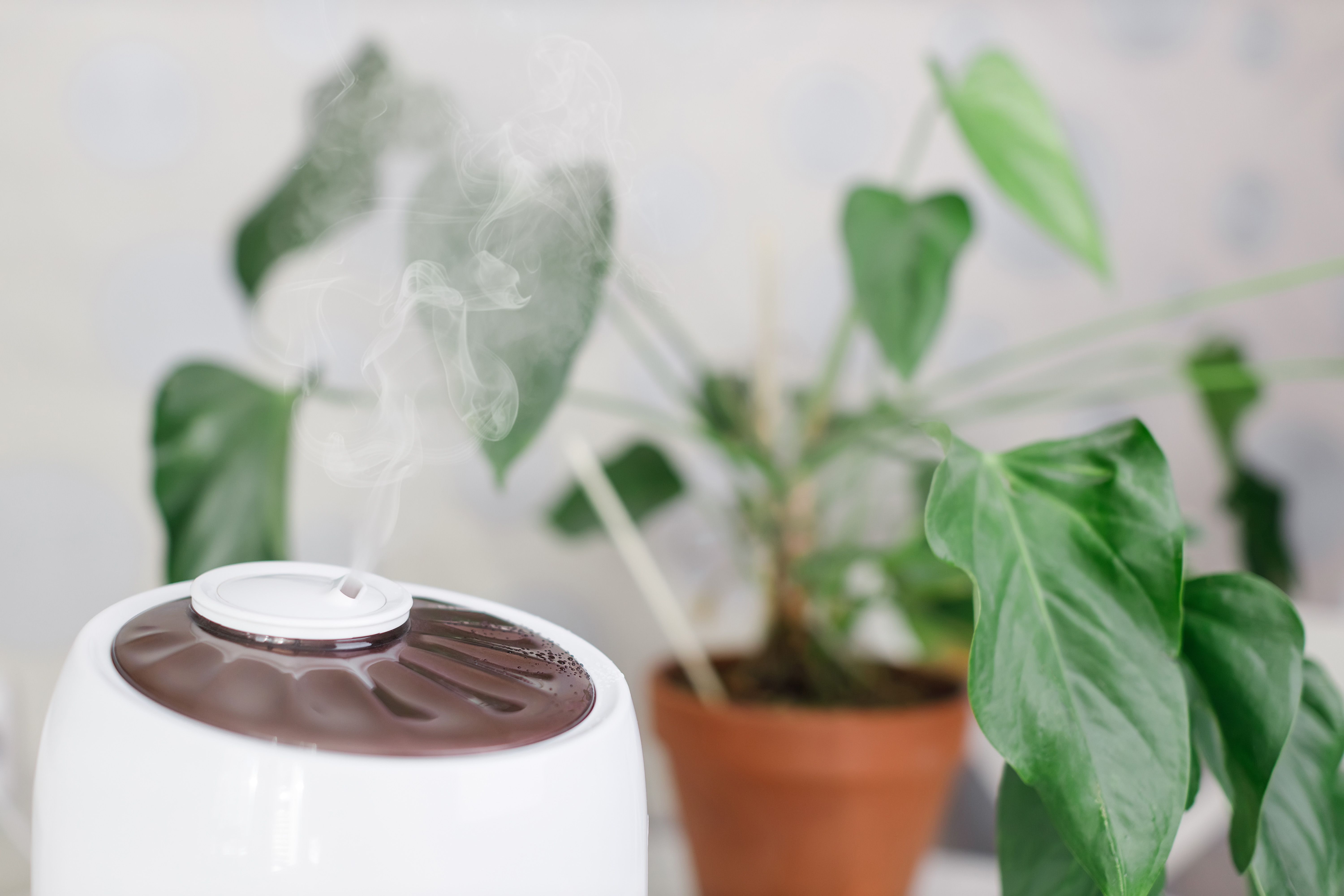
If you have ever emptied a dehumidifier bucket and thought, “This feels weirdly wasteful,” congratulations: you have the instincts of both a gardener and a person who notices the water bill. The good news is that dehumidifier water is usually safe for plants. In many cases, houseplants actually like it because it is low in minerals compared with hard tap water.
But there is one important catch. Before you start treating your fiddle-leaf fig like royalty with reclaimed moisture, you need to clean the dehumidifier and collection tank first. That is the one thing that changes this from a smart watering hack into a science experiment you did not mean to run.
This guide breaks down what dehumidifier water really is, why some plants love it, what risks to watch for, and how to use it safely without turning your plant shelf into a tiny swamp lab. If you have been wondering whether dehumidifier water is safe for plants, the answer is yeswith a little common sense, a clean bucket, and zero swamp aroma.
The Short Answer: Yes, Dehumidifier Water Is Usually Safe for Plants
For most houseplants, dehumidifier water is fine to use. In fact, it can be a better option than mineral-heavy tap water because condensate is naturally low in salts and dissolved solids. That matters because many indoor plants hate salt buildup in the soil. Leaf tip burn, browning edges, and mysterious “I thought we were doing great” plant drama can all be tied to water quality.
Still, “usually safe” is not the same as “always perfect.” The water forms as moisture condenses on the machine’s coils, then drips into a bucket or reservoir. While the water starts out fairly pure, it can pick up dust, microbes, residue, and even trace metals from the machine or from sitting too long in the tank. So if you want to use dehumidifier water for plants, your first move should not be watering. Your first move should be cleaning the unit and emptying old standing water.
What Is Dehumidifier Water, Exactly?
Dehumidifier water is condensate. The machine pulls humid air across cold coils, and the moisture in the air turns into liquid water. It is similar in concept to what happens on a cold glass of lemonade in summer, except less refreshing and more appliance-adjacent.
Because this water comes from the air rather than the municipal water supply, it tends to have very low mineral content. That is why gardeners sometimes compare it to distilled water. Low-mineral water can be especially helpful for plants that react badly to fluoride, chlorine, or excess salts in tap water.
That said, dehumidifier water is not bottled mountain magic. Once it touches the coils, the drain path, and the collection bucket, it can pick up contaminants. So while the condensate starts off low in minerals, the machine itself can influence what ends up in the bucket.
Why Some Plants Actually Prefer Dehumidifier Water
1. It is low in minerals and salts
Many common houseplants do just fine with tap water. But others are picky in a very expensive-looking way. Plants such as spider plants, peace lilies, prayer plants, calatheas, and African violets can show stress when exposed to fluoride, chlorine, or salt-heavy water over time. If your tap water is hard, softened, or highly treated, these plants may develop brown tips or crispy margins even when everything else seems right.
Low-mineral water can help reduce that buildup. So when people ask, “Is dehumidifier water good for plants?” the answer is often yesespecially for indoor plants that are sensitive to tap water.
2. It can help reduce soil salt buildup
Over time, minerals from water and fertilizer collect in potting soil. That buildup can stress roots, reduce nutrient uptake, and make plants look sulky for no obvious reason. Using low-mineral water can slow that process. It will not fix every plant problem, but it can remove one sneaky source of stress.
3. It is a practical water-saving move
Letting gallons of collected water go straight down the drain feels a little tragic when you also own six ferns and a basil plant. Reusing dehumidifier water is a simple way to make indoor gardening more efficient. It is not going to save the planet by Thursday, but it is a smart, low-effort habit.
The One Thing You Must Do First: Clean the Dehumidifier
Here is the key takeaway: clean the unit before using the water on plants. Not eventually. Not “when you remember.” Before.
Why? Because standing water and damp surfaces can grow bacteria and mold. Dust and debris can also collect inside the machine. If the bucket has slime, residue, rust, or that suspicious “I should not ask questions” film, the water is not something you want to pour onto your potting soil.
A clean dehumidifier means cleaner condensate. That one step makes the biggest difference between safe reuse and risky reuse.
How to clean it safely
- Unplug the unit before doing anything.
- Empty the reservoir completely. Do not top off old water with new water and pretend that counts as freshness.
- Wash the collection bucket with warm water and mild soap, or follow the manufacturer’s cleaning instructions.
- Wipe the interior surfaces you can safely access, especially around the tank area and drain path.
- Clean or replace the filter if your unit uses one.
- Let everything dry or refill with only fresh condensate.
If the machine smells musty, the bucket looks dirty, or the water has visible particles, skip using that batch on plants. No houseplant wants “mystery broth.”
Are There Any Risks to Using Dehumidifier Water on Plants?
Yes, but they are manageable if you know what to watch for.
Microbial growth in stored water
Water that sits in a reservoir can support microbial growth, especially if the tank is not cleaned regularly. This is the biggest practical concern for gardeners. The risk is less about the water magically becoming toxic overnight and more about dirty equipment turning otherwise usable condensate into stale, contaminated water.
Trace metals from the machine
Some experts note that long-term use of condensate water may contribute to a buildup of trace metals in soil, depending on the machine and how the water contacts internal components. This is not a reason to panic and stage an intervention for your monstera. It is simply a reason to be sensible. If dehumidifier water is your main source for months at a time, flush the soil occasionally and repot on schedule.
Dust, residue, or old filter debris
If your dehumidifier has not been maintained, the collected water may contain more than water. Dust and residue can end up in the bucket. Again, cleaning solves most of this.
Which Plants Are Best for Dehumidifier Water?
If you want to start with your easiest wins, use dehumidifier water on these kinds of plants first:
- Spider plants that are prone to brown tips from fluoride or salts
- Peace lilies and other tropical houseplants sensitive to tap water quality
- Calatheas and prayer plants that enjoy gentler, low-mineral water
- African violets that prefer distilled, rain, or low-mineral water
- Ferns and moisture-loving foliage plants
- Christmas cactus and similar houseplants when mineral buildup is a concern
For highly sensitive plants such as some carnivorous plants, many growers still prefer true distilled, rain, or reverse-osmosis water because it offers more consistency. If you are growing a Venus flytrap like it is a royal heir, do not get casual with unknown water sources.
When You Should Not Use Dehumidifier Water
There are a few times when the answer to “Can I use dehumidifier water for plants?” becomes “Maybe do not.”
- If the bucket is dirty, slimy, or moldy
- If the machine is old, rusty, or poorly maintained
- If the water has a bad smell or visible debris
- If you are using it heavily for long periods without flushing the soil or repotting
- If you want the most predictable water possible for extremely sensitive plants
And while many gardeners use condensate on ornamentals and houseplants without issue, some prefer not to use it on edible plants, seedlings, or herbs simply because potable water, rainwater, or reverse-osmosis water feels more predictable. That is a cautious choice, not a dramatic one.
Best Practices for Watering Plants With Dehumidifier Water
Use fresh water, not week-old bucket water
Freshly collected condensate is the better choice. If the water has been sitting around, dump it and start fresh. Your plants are not judging you. They are too busy surviving your vacation schedule.
Rotate water sources if needed
If dehumidifier water becomes your everyday, all-year watering method, it is smart to rotate occasionally with another clean source and to keep an eye on plant health. That helps limit any long-term buildup from trace contaminants.
Flush pots once in a while
Every so often, water thoroughly until excess runs from the drainage holes. This helps wash out accumulated salts or residues. It is good housekeeping for container plants in general.
Do not skip regular repotting
Fresh potting mix gives plants a cleaner environment and reduces buildup issues. If a plant has been living in the same compacted soil since three phones ago, the water source is probably not the only problem.
Common Myths About Dehumidifier Water and Plants
Myth: It is dirty because it comes from the air
Not exactly. The water itself starts as condensed moisture from the air, which is why it is low in minerals. The bigger issue is what happens after condensationnamely, what the water touches inside the machine and how long it sits there.
Myth: It is identical to store-bought distilled water
Close in some ways, not identical in practice. Distilled water is processed and packaged under controlled conditions. Dehumidifier water may be low in minerals, but it is still exposed to coils, tanks, filters, and household dust.
Myth: All plants need fancy water
Nope. Most houseplants are perfectly fine with regular tap water if it is safe to drink and not unusually hard or softened. Dehumidifier water is more of a useful option than a mandatory upgrade.
So, Is Dehumidifier Water Safe for Plants?
Yesif you do one thing first: clean the dehumidifier and collection tank. That is the whole trick. The condensate itself is often low in minerals and can be great for many houseplants, especially those that dislike fluoride or salt-heavy tap water. But the machine can introduce contamination if it is not maintained.
If the unit is clean, the water is fresh, and you use a little plant-owner common sense, dehumidifier water can be a practical, plant-friendly way to reuse water at home. It is budget-friendly, less wasteful, and oddly satisfying. You get healthier-looking foliage and the smug glow of someone who reuses water responsibly. That is a strong combo.
Experiences Gardeners Commonly Have With Dehumidifier Water
In real life, the experience of using dehumidifier water on plants is usually less dramatic than the internet makes it sound. Most people do not switch to condensate and wake up to a jungle montage with inspirational music playing in the background. What usually happens is more subtle: a few plants stop getting brown tips, the soil seems to stay cleaner, and the person doing the watering feels mildly victorious every time they reuse a bucket that would have gone down the drain.
One of the most common experiences comes from people with spider plants, peace lilies, calatheas, and prayer plants. These are the species that tend to react when tap water is heavy in minerals or contains fluoride. Gardeners often notice that after switching to dehumidifier water, the leaf edges look better over time. Not overnight, because plants are living organisms and not software updates, but gradually. New growth may emerge cleaner, and the crispy-tip problem becomes less constant.
Another very typical experience is that people start using dehumidifier water for convenience and stay for the thriftiness. During humid months, a machine can collect a surprising amount of water. Instead of dumping it, many plant owners develop a simple routine: empty the bucket, water the houseplants, rinse the tank, move on with life. It feels practical, especially for anyone already trying to reduce waste around the house.
There is also a second category of experience, and this one is just as useful: people who try it with a dirty machine and then quickly decide never again. Usually the warning signs are obvious. The tank smells odd, the water has floating specks, or the inside of the bucket looks like something that should not be described before lunch. In those cases, gardeners often realize the problem is not “dehumidifier water” in the abstract. The problem is poor maintenance. Once the machine is cleaned, the experience tends to improve a lot.
Some growers who use dehumidifier water regularly also report a sensible middle ground. They like it, but they do not rely on it blindly. They flush the soil from time to time, repot when needed, and stay alert for any signs of buildup or stress. That balanced approach usually works best. It treats dehumidifier water as a helpful tool, not a miracle cure.
And perhaps the most relatable experience of all is psychological. People feel better using water that would otherwise be wasted. There is a small but real satisfaction in turning humidity into something useful. Your plants get watered, your bucket gets emptied, and you get to feel like the kind of adult who has a system. Even if the rest of the laundry room says otherwise.