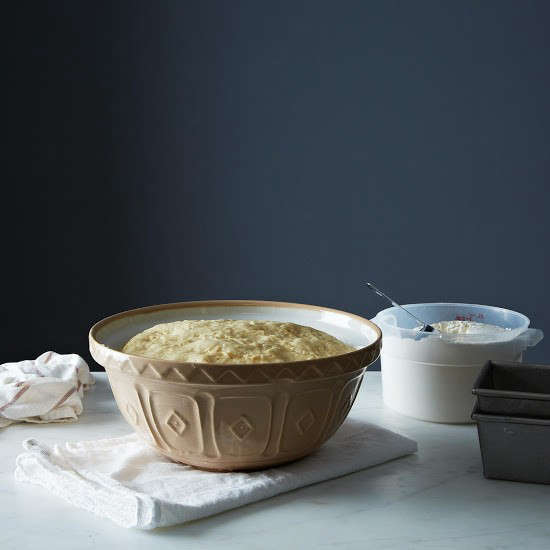
There are two kinds of kitchens: the ones that already own a Mason Cash mixing bowl, and the ones that
have a tab open right now thinking, “Do I really need another bowl?” (Spoiler: you don’t need it.
You just deserve it.) Mason Cash mixing bowls have a very particular vibepart workhorse, part countertop
jewelrywhile still being genuinely useful for everything from pancake batter to a serious bread dough
that could bench-press your stand mixer.
In this guide, we’ll get into what makes these bowls different, which sizes actually make sense, how the
collections compare (Cane vs. Forest vs. Meadow and friends), and the care tips that keep your bowl looking
like a future heirloom instead of a “why is there a chip right there?” mystery.
Why Mason Cash bowls have “main character energy”
Mason Cash is an old-school ceramics brand, and their iconic mixing bowl design has been around for well
over a century. That longevity matters because the shape and finish weren’t invented in a marketing
brainstormthey were refined for real mixing: steady on the counter, comfortable to hold, and grippy enough
that you don’t feel like you’re wrestling an octopus made of batter.
In the U.S., their popularity got an extra boost thanks to their constant cameo status on baking shows and
gift guides. And once people see that embossed exterior and creamy interior, the bowl goes from “tool” to
“I can serve salad in this and feel like I have my life together.”
What makes Mason Cash mixing bowls different
1) Earthenware that’s meant to be held (and not skittered across the counter)
Most Mason Cash mixing bowls are made from earthenware (a type of ceramic). Compared with lightweight
stainless steel bowls, earthenware has a satisfying heft. That weight helps the bowl stay planted when you
mix, whisk, fold, or knead. If you’ve ever chased a metal bowl across the counter while trying to whisk
vinaigrette, you already understand the appeal.
2) The famous patterned exterior: not just pretty
The embossed pattern isn’t only decorative. It adds texture for grip, especially when your hands are
floury, sticky, or slick with butter. The pronounced rim also makes it easier to steady the bowl with one
arm while mixing with the othervery helpful when you’re mid-recipe and your brain is running on caffeine
and optimism.
3) White interiors that help you mix better
Many Mason Cash bowls have a light interior (often white), which makes it easier to see what you’re doing:
streaks of flour, unmixed cocoa, or that sneaky pocket of dry ingredients hiding at the bottom. It’s a small
detail that makes the bowl feel “designed by someone who actually bakes.”
4) Chip-resistant glaze (with realistic expectations)
Mason Cash bowls are commonly described as chip-resistant thanks to a glossy glaze. That said: any ceramic
can chip if it takes a bad fall. Think of chip resistance like a good winter coatit helps a lot, but it’s
not magical armor. The payoff is durability for everyday mixing and a finish that cleans up nicely.
A quick tour of popular Mason Cash collections
Part of the fun is that the brand makes classic bowls and “I bought this because the hedgehog is adorable”
bowls. Here are the big categories you’ll see most often in U.S. shops:
Original Cane (the classic)
This is the timeless, warm tan/caramel exterior with the traditional embossed patternthe bowl that looks
like it’s been in someone’s family since the invention of cookies. If you want one bowl that fits most
kitchens and never looks dated, Cane is the safe (and stylish) bet.
In the Forest / In the Meadow / Farmyard (the “collect them all” era)
These collections keep the same practical conceptembossed texture, sturdy ceramicwhile swapping in themed
designs: woodland scenes, flowers, or farm animals. They’re popular because they’re functional enough to
use daily, but charming enough to leave out on display. And yes, you will want more than one.
Color Mix and other modern glazes
If you love the Mason Cash shape but want something brighter (sage, pink, blue, etc.), Color Mix and similar
lines bring the classic look into a more modern palette. These are especially good if your kitchen leans
contemporary or you just want a bowl that makes you smile at 7 a.m.
Sizes that actually matter (and how to choose)
Mason Cash sizes can look confusing because you’ll see different naming conventions (diameter in inches or
centimeters, capacities in quarts or liters, and sometimes “S” size codes). Here’s the practical way to
think about it: pick based on what you cook most often and whether you want the bowl to double as serveware.
Small (about 2–3 quarts): sauces, cookies, side salads, and “kid baking”
A small Mason Cash bowl is great for whisking a quick pancake batter, mixing cookie dough for a single
batch, tossing a small salad, or holding prepped ingredients. It’s also a smart size if you like baking
with kidsenough room to stir without sending flour into the atmosphere.
Medium (about 4–5 quarts): the everyday sweet spot
This is the size most people end up using constantly. It handles cake batters, brownie mixes, muffin batter,
whipped cream, and medium bread doughs without feeling cramped. If you only buy one Mason Cash mixing bowl,
a medium size is the “I can do 80% of kitchen life in this” choice.
Large (6+ quarts): bread dough, big batches, and party bowls
If you bake bread regularly (especially higher-hydration doughs) or cook for a crowd, go bigger. A large
bowl gives you headroom for vigorous mixing and folding without sloshing ingredients over the rim. And when
you’re not baking, it becomes a gorgeous serving bowl for a big salad, popcorn, or fruit.
Specialty: batter bowls and “mix & pour” shapes
Some Mason Cash sets include a batter bowl with a handle and spout. If you make pancakes, waffles, crepes,
or cupcakes often, a pour-friendly bowl can feel like cheating in the best wayless mess, more accuracy.
Performance in real cooking: what they’re great at
Bread dough (especially hand-mixed)
Mason Cash bowls are popular with bread bakers because the weight stabilizes the bowl during mixing and
kneading. The wide shape makes it easier to fold dough over itself, and the ceramic can help keep dough from
warming up too quickly in warm kitchens. For sourdough fans, these bowls are also handy for pre-shape rests
or mixing levain ingredients before the main dough.
Batters, whipped mixtures, and delicate folding
A sturdy ceramic bowl shines when you’re whisking or folding and don’t want your bowl sliding around. The
light interior also makes it easier to spot streaksespecially when you’re folding in flour or cocoa and
trying not to deflate a batter.
Serving (because they look like they belong on a table)
A secret advantage: Mason Cash bowls don’t scream “mixing bowl” the way many stainless bowls do. That means
you can move directly from kitchen to table without apologizing to your guests. Salad, fruit, roasted veggies,
chipsthese bowls handle it and look good doing it.
Care, cleaning, and how to keep them looking great
Dishwasher, microwave, freezer, and low oven use
Many Mason Cash earthenware bowls sold in U.S. retailers are listed as dishwasher safe and microwave safe,
and some are rated freezer safe and oven safe up to about 320°F. That makes them unusually flexible for
ceramic: you can warm a mixture gently, rinse and wash easily, and even use low oven heat for certain tasks
(like warming ingredients or keeping something from cooling too fast).
Avoid thermal shock like it’s your job
The biggest enemy of ceramic is sudden temperature change. Don’t take a hot bowl and dunk it in cold water.
Let it cool first. Likewise, don’t move it straight from freezer to a hot oven unless the product guidance
explicitly says it’s okay. Treat it like a good cast iron pan: a little patience prevents heartbreak.
Utensils: choose gentle tools for a longer life
Some retailers and product notes recommend avoiding metal utensils or aggressive electric mixing because
ceramics can show marks over time (even if they remain structurally sound). In practice, many home cooks use
whisks and mixers without issues, but if you want the bowl to stay looking pristine, wooden, silicone, and
nylon tools are the safest betespecially for thick mixtures where you’re applying force.
Mason Cash vs. stainless steel vs. glass vs. plastic
Compared to stainless steel
Stainless bowls are lightweight, often have non-slip bases, and are great for tasks like whipping egg whites
or setting a bowl over simmering water. Mason Cash bowls win on stability, grip, and stylebut they’re heavier
to lift and won’t be your favorite if you like tossing ingredients one-handed like a TV chef.
Compared to glass
Glass is non-reactive and you can see through it, which is great for certain prep. But glass bowls can be
slippery, and the visual clarity doesn’t always help as much as you’d think when you’re mixing flour into
pale batter. Mason Cash’s light interior gives you visibility without the “why is this bowl sweating?” feeling.
Compared to plastic
Plastic is light and cheap, but it can stain, absorb odors, and scratch. Mason Cash bowls feel like the
opposite philosophy: buy fewer things, buy better things, enjoy them longer, and maybe pass them along.
Buying tips: getting the best bowl for your kitchen
Start with one “do-it-all” bowl
If you’re new to the brand, start with a medium bowl in a classic design. It will cover most baking and prep.
Once you know you love it, then you can add a small bowl (for everyday prep) or a large bowl (for dough and crowds).
Choose a set if you want nesting and a cohesive look
Sets are great if you like your kitchen to feel organized (or at least to look organized when someone visits).
Many themed collections are designed to stack, which helps with storageespecially if your cabinets are already
in the “this Tupperware lid doesn’t belong to anything” phase of life.
Pick designs you won’t get tired of
A mixing bowl is a frequent flyer. If you buy a novelty design that feels fun for one season but weird the rest
of the year, it may end up living in the back of the cabinet. If that’s your personality, no judgmentjust be
honest with yourself before the checkout button.
FAQ: quick answers to common questions
Are Mason Cash mixing bowls worth the price?
If you want a bowl that’s stable, attractive enough to serve in, and made to last through years of mixing, yes.
If you only bake once a year and consider a cereal bowl “good enough,” then maybe not. (But also: you deserve
nice things.)
Do they work with stand mixers?
Mason Cash bowls are typically used for hand mixing, prep, and servingnot as replacement bowls for a stand mixer.
However, they’re excellent companions: you can mix dry ingredients, proof dough, or hold finished batter while
you clean up (or pretend you’re cleaning up).
Do the embossed designs make them hard to clean?
The exterior texture can trap a little flour dust if you let it sit, but normal washingespecially in a dishwasher
handles it well. A quick rinse right after use makes cleanup effortless.
Conclusion: the bowl that’s both tool and tradition
Mason Cash mixing bowls hit a rare sweet spot: they’re genuinely practical, aesthetically charming, and built on
a design that has stood the test of time. They’re heavier than many modern bowls, but that weight is part of their
strengthsteady mixing, confident grip, and a presence that makes everyday baking feel a little more special.
If you want one bowl that can handle batter today, bread dough tomorrow, and a party salad on Saturday, Mason Cash
belongs on your shortlist. Pick the size you’ll use most, choose a design that makes you happy when you open the
cabinet, and enjoy the strangely satisfying moment when your kitchen looks like it knows what it’s doing.
Real-Life Kitchen Experiences With Mason Cash Mixing Bowls
Let’s talk about what it’s actually like living with a Mason Cash mixing bowl, beyond the product description and
the dreamy photos where no one has flour on their shirt. These bowls tend to become part of people’s routines in a
way that’s almost suspiciouslike they’re quietly auditioning to be your kitchen’s favorite object.
One of the most common “first impressions” people mention is the weight. When you lift a Mason Cash bowl out of the
box, you immediately understand that it’s not going to scoot across the counter the moment you start whisking. That
stability is a real quality-of-life upgrade if you do lots of hand mixing. You can stir vigorously without the bowl
trying to escape, and you don’t have to clamp it with your forearm like you’re defending it from a tiny batter thief.
Then there’s the grip. The embossed exterior isn’t just decorationit gives your hands something to hold onto when
the kitchen gets messy (because it will get messy; we don’t bake in museums). Even when your hands are dusted with
flour or lightly greased from butter, the bowl feels secure. That matters most when you’re doing two-step motions:
mixing, tipping, scraping, and repeating. A bowl that feels steady reduces the “oops” moments.
The interior color is another practical perk you notice quickly. When you’re folding flour into a pale batter, the
white interior makes it easier to spot streaks. People who bake often describe this as a small thing that becomes
surprisingly importantbecause no one wants to discover a pocket of dry cocoa after the cupcakes are already in the oven.
Over time, many owners end up using the bowl for tasks they didn’t expect. A “mixing bowl” becomes a salad bowl at a
family dinner. A large bowl becomes a popcorn bowl for movie night. A medium bowl becomes a “proofing and resting”
station for bread dough. That versatility is part of why people tend to buy one and thenmysteriously, inevitablybuy
another. (Sometimes in a different color. For variety. For science.)
As for cleanup, the general experience is pleasantly boring: it’s easy. If you rinse it soon after mixing, it washes
without drama. If you forget it on the counter while you “just rest your eyes for a second,” the glossy glaze still
cleans up wellthough textured exteriors always appreciate a little extra attention in the grooves. Owners who use
dishwashers often like that the bowl comes out looking fresh, not cloudy or scratched the way some plastics do.
The one recurring reality check is that ceramic is ceramic. People who’ve dropped their bowl onto tile have learned
the laws of physics in a very personal way. The upside is that, with normal day-to-day use, the bowl holds up welland
because it looks good on a counter, it often ends up stored in plain sight, which means you use it more. In a funny
way, Mason Cash bowls can nudge you into baking more often simply because they’re there, looking charming, quietly
judging you until you make banana bread.