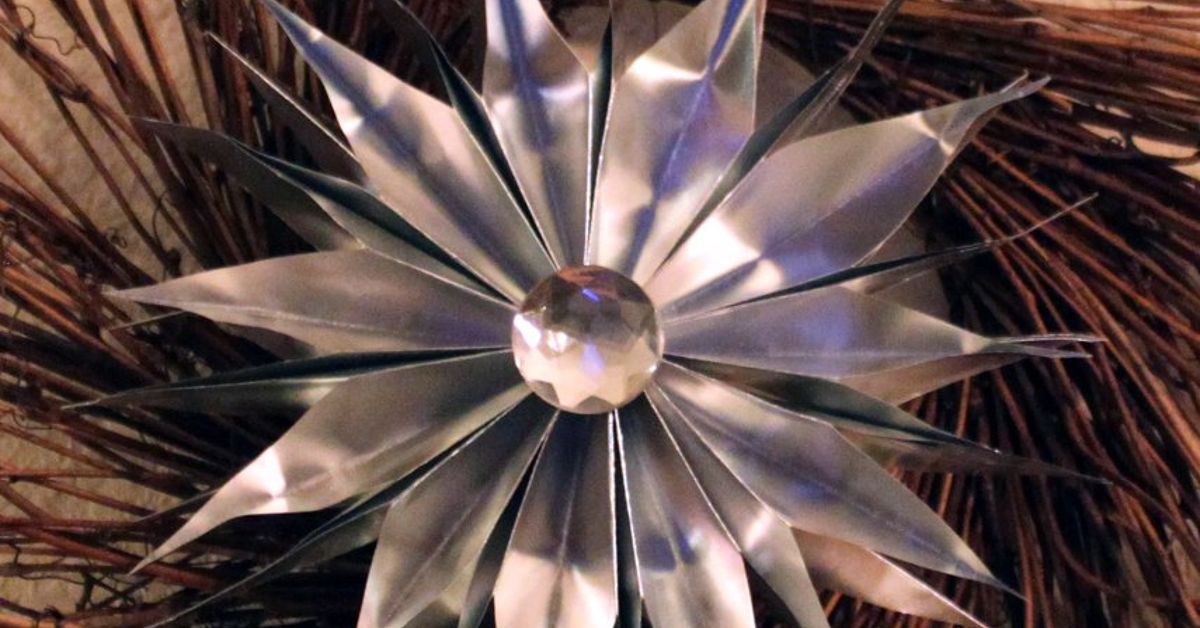
Every holiday season has its familiar cast of characters: the tangled light strand with one suspion who believes a tree is not fully decorated until it has approximately 900 ornaments. Above them all sits the holiday star.
It may glow from a front window, crown a Christmas tree, hover over a dinner table, or hang slightly crooked from a child’s handmade craft project. However it appears, a holiday star does more than fill an empty space. It suggests light, hope, welcome, memory, and the comforting feeling that the season has officially arrived.
This guide explores the meaning of the holiday star, its cultural traditions, practical holiday decorating ideas, simple DIY options, and important safety tips. Whether your style is classic red and gold, cozy neutral, colorful maximalist, or “we decorated with whatever survived last year,” there is a holiday star that can make your space feel special.
What Does a Holiday Star Mean?
A holiday star can mean different things to different people. For many Christians, it represents the Star of Bethlehem in the Nativity story, a symbol of guidance and light. That is why stars are often placed at the top of Christmas trees or displayed in windows during Advent and Christmas.
Outside of religious traditions, a star may represent wishes, achievement, optimism, or the simple beauty of a clear winter night. It can also become a family symbol. A shiny topper inherited from a grandparent, a paper star made by a child, or a dented metallic ornament rescued from an old decoration box may carry more emotional weight than the most expensive piece in a store.
The strength of the holiday star is its flexibility. It can be elegant, spiritual, playful, modern, rustic, sentimental, or delightfully over-the-top. It can belong in a church, an apartment, a classroom, a restaurant, or a living room where the cat has already attempted to climb the tree twice.
Light During the Dark Season
Winter celebrations have long used light to create comfort during darker months. Candles, lanterns, glowing windows, evergreen branches, and bright ornaments all help turn a cold evening into something warmer and more welcoming. A star fits naturally into this tradition because it looks like a small piece of the night sky brought indoors.
That is part of why stars remain popular year after year. Trends change. Color palettes change. Even holiday music playlists change, although somehow the same songs still return. A star, however, always feels relevant because people continue to connect it with brightness, direction, and possibility.
The History Behind the Holiday Star
The holiday star comes from a blend of religious symbolism, regional customs, handmade craft traditions, and the human desire to make winter feel less gloomy. The familiar five-point star may be the best-known design, but it is far from the only one.
The Christmas Tree Star Topper
For many households, the star topper is the grand finale of tree decorating. It refers to the Star of Bethlehem for Christian families, while others simply enjoy the way it gives the tree a finished shape. A tree without a topper can look charmingly casual, but a tree with a star looks as though it remembered its appointment.
The star’s high placement is also visually useful. It draws the eye upward, balances the branches, and creates a clear focal point. Gold stars work well with traditional green, red, burgundy, and warm-white décor. Silver or white stars pair beautifully with cool blue, icy gray, glass ornaments, and minimalist styles.
The Moravian Star: Geometry With Holiday Spirit
The Moravian star is one of the most striking holiday star designs. It is usually made from many pointed shapes assembled into a dramatic three-dimensional form. Historical accounts connect its development to nineteenth-century Moravian schools, where students made geometric paper forms as part of their lessons.
Over time, the star became closely associated with Advent and Christmas in Moravian communities. Today, Moravian stars appear in windows, entryways, porches, churches, and homes across the United States. Their shape feels both historic and modern, which is probably why they continue to look impressive even when surrounded by smart speakers, charging cables, and other evidence that the twenty-first century has arrived.
Holiday Stars Around the World
Holiday stars also appear in many global decorating traditions. Filipino parol lanterns are often star-shaped and are strongly associated with Christmas celebrations. Paper stars, straw stars, woven stars, metal stars, and wooden stars appear in homes around the world, each bringing a different texture and cultural story.
The lesson is simple: a holiday star does not need to look exactly one way. A handmade paper design can be just as meaningful as a polished brass topper. In fact, the slightly uneven handmade version may eventually become the one everyone insists must return next year.
How to Choose the Right Holiday Star
The right holiday star depends on where it will go, how much light you want, and how much storage space you have after the season ends. Before buying one, think about scale, material, color, and safety.
Choose the Right Size
For a Christmas tree topper, consider the height and width of the tree. A tall, narrow tree can handle a larger star, while a shorter tree usually looks better with a lighter and more compact topper. Make sure there is enough ceiling clearance before you buy. Nobody wants to discover that the perfect star is actually too tall by three inches and now looks like it is trying to relocate into the ceiling.
For windows, choose a star that fills enough of the space to be visible from outside without blocking all natural light during the day. One large star can create a clean statement, while several smaller stars at different heights can resemble a glowing constellation.
Pick a Material That Matches Your Style
- Paper stars: Affordable, lightweight, easy to hang, and perfect for windows or walls.
- Metal stars: Durable and polished, ideal for farmhouse, traditional, or industrial décor.
- Wooden stars: Warm, rustic, and easy to pair with greenery, pinecones, or neutral colors.
- Fabric stars: Soft, cozy, and useful for child-friendly decorating.
- Glass or acrylic stars: Reflective and glamorous, although better kept away from pets and energetic guests.
Lit or Unlit?
A glowing holiday star can create instant atmosphere, especially in a dark window or above a tree. LED lights are a practical choice because they use less energy, create less heat than old incandescent lights, and generally last longer.
A non-lit star can also look beautiful when placed near string lights, reflective ornaments, or safe candlelight. The goal is not to make every object glow like a tiny airport runway. A few intentional light sources often look more inviting than a room that appears to be signaling aircraft.
Holiday Star Decorating Ideas
1. Start With the Tree Topper
Choose the holiday star before selecting the final ornaments. A topper can guide the entire color story of the tree. For example, a warm gold star looks beautiful with velvet ribbon, deep green branches, bronze ornaments, and warm-white lights. A white paper star works well with natural wood, dried oranges, soft fabric ornaments, and simple greenery.
When the topper leads the design, the rest of the decorations feel coordinated without looking overly staged. Your tree should look festive, not like it prepared a PowerPoint presentation about its brand identity.
2. Build a Window Constellation
Hang several paper stars in a window using clear line or narrow ribbon. Mix large, medium, and small stars, but limit your palette to two or three colors. White, gold, and soft silver create a calm winter look. Red, green, and gold feel more traditional. Bright colors work beautifully in children’s rooms or creative spaces.
A window constellation is especially useful for apartments and small homes because it creates visual impact without taking up floor space. It also gives people outside a cheerful view without requiring you to cover every square inch of your home in inflatable decorations.
3. Create an Entryway Moment
An oversized holiday star above a console table can set the mood before guests even remove their coats. Pair it with a bowl of pinecones, a few evergreen branches, and a small tray for keys or cards. This approach works well for people who want holiday décor that feels thoughtful but does not require transforming the house into Santa’s regional headquarters.
4. Use Stars on the Dining Table
Holiday stars can work beautifully on a dinner table. Use flat wooden stars as place-card holders, tuck small paper stars into napkin folds, or hang a lightweight star above the table as a centerpiece. Keep tall decorations narrow enough that guests can still see each other across the table.
For a safer glow, use enclosed votive candles or battery-operated candles. A beautiful centerpiece should encourage conversation, not force everyone to peer around a giant arrangement like they are negotiating a treaty.
5. Create a Family Wish Star Display
Cut stars from paper and invite each family member to write a wish, gratitude, favorite memory, or kind intention on one. Hang them on a garland, branch arrangement, or bulletin board. This turns holiday décor into a ritual.
The display can grow throughout the season. By the end of December, you may have a wall full of small hopes, funny wishes, and notes from children asking for snacks, puppies, or a vacation on the moon.
How to Make a Simple DIY Paper Holiday Star
A handmade holiday star does not require a craft room, a glue gun collection, or a degree in advanced origami. Start with heavyweight paper, scissors, a ruler, glue, and a hole punch. Cut eight matching diamond shapes, fold each down the middle to create a raised ridge, and glue the edges together until they form a dimensional star.
Add a loop of ribbon or twine for hanging. You can use recycled gift bags, old calendars, cardboard packaging, leftover wrapping paper, or children’s artwork. The goal is not factory-level precision. The goal is a decoration that feels personal and has a good story behind it.
Holiday Star Safety and Sustainability Tips
A holiday star should be remembered for its sparkle, not because it caused a scorched extension cord. Inspect light strands before using them. Replace cords with cracked sockets, exposed wires, loose connections, or damaged plugs. Use indoor-rated lights inside and outdoor-rated lights outdoors.
If you have a real tree, keep it watered consistently and place it away from fireplaces, radiators, candles, and space heaters. A dry tree can become a serious fire hazard, so daily water checks are worth the small effort. Also make sure a heavy topper is supported properly. Hope is a wonderful holiday theme, but it is not a structural support system.
For a more sustainable holiday display, reuse decorations, choose durable materials, use LED lighting, and store paper stars flat so they can return next year. Consider making stars from reused cards or fabric scraps. After the season, check whether your local community offers tree recycling or mulching programs for live trees.
Conclusion: Let Your Holiday Star Tell a Story
The holiday star remains popular because it does more than decorate a tree or fill a window. It represents light, memory, welcome, and possibility. Choose one that fits your home, display it safely, and let it become part of your seasonal rhythm. Whether it is a glowing Moravian star, a classic tree topper, or a slightly lopsided paper creation covered in too much glitter, it can become the bright symbol that says the celebration has arrived.
Holiday Star Experiences: The Memories That Outshine the Glitter
The Paper Star That Refused to Behave
For many families, the first unforgettable holiday star is not purchased in a store. It is made at a kitchen table with construction paper, glue, scissors, and enough glitter to remain visible until spring. Someone cuts the points unevenly. Someone else decides it needs more tape. A younger child loses interest halfway through and becomes deeply committed to eating a candy cane.
By the time the star is finished, it may look less like a perfect celestial object and more like a confused sea creature. Still, it goes in the window. That is the point. A handmade holiday star records a moment instead of simply matching a color palette. Years later, the paper may fade, the edges may bend, and one point may be secured with tape that predates several smartphones. Yet nobody wants to throw it away because it remembers the people who made it.
Perfect decorations photograph well. Imperfect decorations tell the truth. They remind us that holidays are rarely flawless, but they can still be wonderful.
The Star in the First Small Apartment
A holiday star can also make a temporary space feel like home. Imagine a first apartment with mismatched furniture, one reliable saucepan, a tiny tree, and a laundry basket that has become part of the living-room décor through no fault of its own. There may be no fireplace, no dining room, and no storage closet large enough for decorations.
But hang one paper star in the window and the space changes. It announces that celebration does not require a huge house, a large budget, or a room designed for magazine photography. It can happen in a studio apartment, dorm room, shared house, or first home with furniture that is still mostly borrowed.
Stars work especially well in small spaces because they add visual warmth without consuming much physical room. A star above a desk, a small topper on a tabletop tree, or a group of paper stars across a bookshelf can make an ordinary room feel intentional. It is a gentle reminder that the holidays are not a competition to see who can decorate the most. They are an opportunity to notice what is already there: a warm drink, a favorite song, a friend on the couch, and a little light after a long day.
Passing the Star Along
Perhaps the most meaningful holiday star experience happens when an ornament becomes an heirloom. A family may have one tree topper that appears in every holiday photograph: first above a young couple’s tree, then above a growing family’s tree, and eventually above the tree of an adult child in another home.
The star may be slightly dented. Its original light may no longer work. The box may look as though it survived several long-distance moves, two attic floods, and at least one argument about where the decorations were stored. None of that makes it less valuable. Those imperfections prove that it has been present for ordinary and extraordinary Decembers alike.
Passing a holiday star to someone else is a quiet act of trust. It says, “Here is something that carried our memories. Add your own.” The next owner may decorate differently, live in another city, or combine it with ornaments nobody in the original household would have chosen. That is how tradition stays alive. It is not preserved by freezing it in place. It lasts because people carry it forward, remake it, and let it shine in rooms that did not exist when the story began.
Note: This original article synthesizes research from U.S. cultural institutions, universities, government agencies, and fire-safety organizations, including the National Park Service, Library of Congress, Smithsonian, Moravian University, Old Salem Museums & Gardens, the U.S. Department of Energy, the Environmental Protection Agency, the Consumer Product Safety Commission, the National Fire Protection Association, Penn State Extension, NASA, and History.