Note: This article is written for creators, comic artists, illustrators, and webcomic dreamers who want to turn a simple doodle into a polished WEBTOON-style concept. Discovery is never guaranteed, but strategy, consistency, originality, and good storytelling can absolutely improve your odds.
From Random Doodle to Webcomic Opportunity
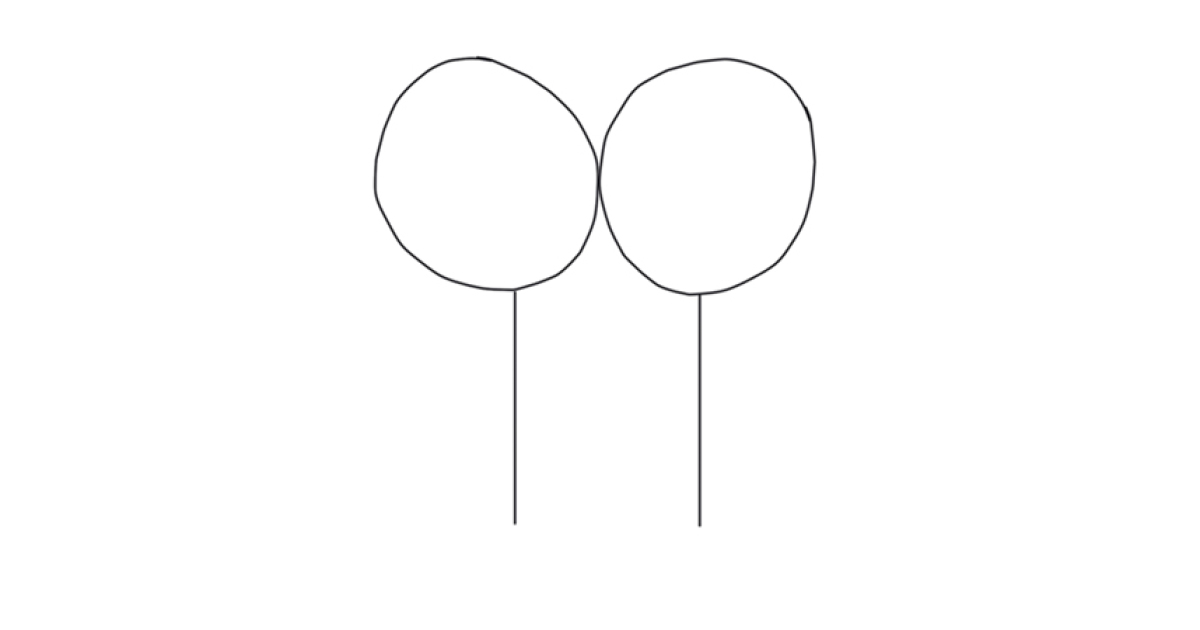
Every great comic begins with something suspiciously unimpressive: a messy sketch, a strange face in the margin of a notebook, a creature with too many elbows, or a tiny character drawn during a meeting that should have been an email. That is the magic behind the challenge: complete this random doodle and get discovered by Webtoon. It sounds playful, but behind the fun is a serious creative idea. A doodle is not just a doodle. It is a seed, a character audition, a visual hook, and sometimes the beginning of an entire universe.
WEBTOON has changed how millions of readers experience comics. Instead of flipping pages, readers scroll. Instead of waiting for a printed issue, they open an app. Instead of needing a publisher to say yes before anyone sees their work, independent creators can publish through WEBTOON CANVAS and start building an audience directly. That makes this kind of doodle challenge more than a cute internet game. It is a practical exercise in character design, visual storytelling, and creator branding.
The real challenge is not simply finishing the drawing. Anyone can add sunglasses to a potato-shaped blob and call it “Lord Starchington.” The deeper challenge is asking: Who is this character? What do they want? What world do they live in? Why should a reader care enough to keep scrolling? A random doodle becomes powerful when it stops being random and starts behaving like the first clue in a story.
Why Doodle Challenges Work So Well for Webtoon Creators
Doodle challenges are popular because they remove the scariest part of creativity: the blank page. A blank page looks at you like a tiny white courtroom. A doodle, however, gives you something to react to. It may be odd, incomplete, unbalanced, or mildly cursed, but it gives your imagination a starting line.
For aspiring WEBTOON creators, this is useful because webcomics are built on fast visual communication. A reader scrolling on a phone decides very quickly whether a character feels interesting. A strong silhouette, expressive face, unusual costume, or funny pose can make someone pause. In the vertical-scroll format, that pause matters. It is the difference between “I’ll read one more panel” and “My laundry can wait; this goblin accountant has emotional depth.”
Completing a random doodle also trains an important professional skill: creative interpretation. Many artists can draw well when the idea is already clear. Fewer artists can take a vague visual prompt and turn it into something memorable. WEBTOON-style storytelling rewards creators who can make a character instantly readable while still leaving room for mystery.
The Doodle Is the Hook
A hook is the first reason a reader pays attention. In a comic, the hook can be a line of dialogue, a dramatic situation, or a striking image. With a doodle challenge, the hook is usually visual. Maybe the doodle has giant round eyes, a weird crown, a melting backpack, or a body shape that suggests a personality before the character even speaks.
To make that hook stronger, do not simply “clean up” the doodle. Study what makes it strange. Is the head too large? Keep it. Is the posture awkward? Make that part of the character’s personality. Is there one mysterious line that looks like a tail, scarf, sword, or emotional support noodle? Choose the option with the most story potential.
How WEBTOON Discovery Actually Works
It is tempting to imagine discovery as a lightning strike: you upload one gorgeous panel, a WEBTOON editor gasps, their coffee levitates, and suddenly you are signing things with a fancy pen. In reality, discovery is usually less magical and more strategic. WEBTOON CANVAS is a self-publishing space where creators can upload their series, manage their work, and connect with readers. WEBTOON Originals are developed for the platform with editorial support, while CANVAS is where many creators begin building visibility.
That means a single doodle can help you get attention, but a complete creative package helps much more. Editors and readers are not only looking for pretty art. They are looking for a concept that can continue. A character design is exciting, but a character with a conflict, a world, a tone, and a reason to return next week is far more discoverable.
Discovery Is About Signals
Think of your published webcomic as sending signals. A strong thumbnail says, “This series knows what it is.” A clear title says, “You can remember me later.” A polished first episode says, “The creator respects your time.” A consistent update schedule says, “This story is alive.” Reader comments, likes, subscriptions, and shares can also show that people are connecting with the work.
No creator can control every signal, but you can control the fundamentals. Complete the doodle. Build a character sheet. Create a short premise. Draw a vertical-scroll test scene. Design a thumbnail that works at small size. Write a series summary that does not read like a tax form wearing cosplay. Then publish with intention.
Turning a Random Doodle Into a WEBTOON-Ready Character
The best way to complete a random doodle is to treat it like a design puzzle. You are not just adding details; you are making decisions. Every line should answer a question.
Step 1: Identify the Doodle’s Personality
Before adding clothes, colors, weapons, magical pets, or tragic backstory number seven, ask what the doodle already suggests. Does it look shy, chaotic, elegant, sleepy, suspicious, heroic, or like it has definitely stolen a sandwich? A good character design often begins with exaggeration. If the doodle feels nervous, make the shoulders tighter, the eyes wider, and the hands fidgety. If it feels bold, push the pose, sharpen the silhouette, and give the character visual confidence.
Step 2: Choose a Genre
WEBTOON readers explore many genres, including romance, fantasy, comedy, drama, action, horror, slice of life, sci-fi, and superhero stories. Your doodle will change depending on the genre you choose. A round, tiny creature in comedy might become a snack-obsessed office intern. In horror, the same creature might become the thing living under the sink that knows your passwords. In fantasy, it could be an ancient forest spirit with the emotional maturity of a raccoon.
Genre gives the doodle direction. It helps you decide costume, color palette, setting, and tone. More importantly, it helps readers know what promise your series is making.
Step 3: Build a Simple Backstory
You do not need a 900-year family tree. Start with three questions: What does this character want? What is stopping them? What makes their situation funny, dramatic, romantic, scary, or emotionally interesting?
For example, a random doodle of a tiny knight with a huge helmet could become a comedy fantasy series about the kingdom’s smallest royal guard. The character wants respect, but everyone keeps mistaking them for decorative armor. That is enough to build jokes, conflict, and visual gags. Add a secret talent, a rival, and a dangerous quest, and suddenly the doodle has legs. Possibly very tiny legs, but legs nonetheless.
Designing for the Vertical-Scroll Format
WEBTOON-style comics are not just traditional comic pages stacked on top of each other. The vertical-scroll format changes pacing, suspense, comedy timing, and emotional impact. Readers move through the story by scrolling down, which means the creator controls reveals through spacing, panel order, and rhythm.
When adapting a doodle into a WEBTOON concept, think vertically from the start. A tall panel can make a character feel lonely. A long gap before a reveal can create suspense. A sudden close-up after several quiet panels can deliver a joke or emotional punch. White space is not empty; it is timing. Used well, it is the dramatic pause before the punchline. Used badly, it is just a reader wondering whether their Wi-Fi gave up.
Make Panels Easy to Read on a Phone
Most readers will experience your comic on a small screen, so clarity matters. Keep speech bubbles readable. Avoid cramming too many characters into one panel. Use clean compositions and strong expressions. If your finished doodle has tiny details, make sure they do not become invisible when viewed on mobile.
Color can also help guide the eye. A simple color scheme may be more effective than a hyper-detailed rainbow explosion. Save visual complexity for important moments, such as transformations, reveals, emotional breakdowns, or the arrival of a villain with excellent hair.
Creating a Mini Story From the Doodle
Once the doodle becomes a character, the next step is creating a short scene. A single illustration may get likes, but a scene proves you can tell a story. For WEBTOON discovery, storytelling matters as much as drawing ability.
A Simple Three-Beat Test
Try building your first vertical scene in three beats. First, introduce the character in a situation. Second, create a problem. Third, end with a twist, question, joke, or emotional reveal.
For example:
- Beat one: A small doodle creature wakes up inside a hero’s backpack.
- Beat two: The hero is preparing to fight a dragon and has no idea the creature is there.
- Beat three: The creature calmly pulls out a tiny business card that says, “Certified Dragon Negotiator.”
That tiny scene already suggests comedy, fantasy, character contrast, and future conflict. It also gives readers a reason to continue. Who is this creature? Why does it negotiate with dragons? Does it charge hourly? These are the questions that make a webcomic sticky.
How to Make Your Doodle Challenge Entry Stand Out
Online art challenges attract many talented creators, so standing out requires more than polished line art. The strongest entries usually combine visual personality with story potential.
Give the Character a Memorable Silhouette
If someone saw your character as a shadow, would they recognize it? A strong silhouette helps a design feel iconic. Consider unusual shapes: a giant coat, tiny horns, a floating scarf, square glasses, oversized boots, or a hairstyle that defies both gravity and common sense.
Use Expression Like a Story Engine
A WEBTOON character must act. Give your doodle a face that can carry comedy, fear, romance, rage, embarrassment, and the special expression people make when they accidentally send a text to the wrong group chat. Expressions are especially important in vertical comics because close-ups are powerful scrolling moments.
Add One Visual Mystery
A visual mystery makes readers curious. Maybe the character has a cracked halo, a glowing lunchbox, a missing reflection, or a tattoo that changes whenever they lie. The mystery does not need to be explained immediately. In fact, it is often better if it is not. Curiosity is fuel.
Write a Caption That Sells the Premise
Do not post your finished doodle with a caption like, “I made this.” That is technically true, but so is “bread exists.” Give readers a reason to care. Try a short premise: “A failed wizard accidentally summons a tiny lawyer from another dimension.” Or: “She was drawn in the margins of a cursed notebook, and now she wants royalties.” A strong caption can turn a drawing into a pitch.
Publishing on WEBTOON CANVAS: Practical Tips
If your doodle challenge becomes a real series idea, WEBTOON CANVAS gives you a place to publish it. Before uploading, polish the basics: title, genre, summary, thumbnails, first episode, and update plan.
Choose a Clear Title
A good WEBTOON title should be memorable, searchable, and tonally accurate. If your comic is a romantic fantasy, the title should not sound like a dishwasher manual. If it is horror, avoid something so vague that readers forget it before blinking. Strong titles often suggest conflict, character, or mood.
Design Thumbnails for Small Screens
Thumbnails are tiny billboards. They need readable faces, strong contrast, and minimal clutter. Your random doodle may be hilarious in full size, but if the thumbnail looks like three raisins fighting in a fog machine, readers will scroll past. Test your thumbnail at a small size before publishing.
Make the First Episode Do Real Work
The first episode should introduce the tone, main character, and central question. It does not need to explain the entire universe. In fact, please do not open with twelve paragraphs about ancient kingdoms unless the kingdoms are actively exploding. Start with action, emotion, mystery, or humor. Give readers a reason to subscribe.
Update Consistently
Consistency helps build trust. You do not need to upload a massive episode every week if that schedule will turn you into a haunted pencil. Choose a rhythm you can maintain. Short, consistent updates are often better than one huge episode followed by a six-month disappearance and a caption saying, “Sorry, life happened.” Life does happen. Plan for it.
Common Mistakes Artists Make With Doodle Challenges
The first mistake is over-rendering. Some artists take a charming doodle and polish it until all personality disappears. Clean art is good, but charm is gold. Keep the weirdness that made the doodle interesting.
The second mistake is ignoring story. A beautiful character design without a story is like a movie trailer with no movie behind it. Readers may admire the art, but they need conflict to become invested.
The third mistake is copying popular WEBTOON trends too closely. Romance, fantasy, reincarnation, school drama, supernatural roommates, and villainess stories can all work wonderfully, but your version needs a fresh angle. If your character feels like a photocopy of a photocopy wearing earrings, readers will notice.
The fourth mistake is posting once and vanishing. Discovery favors creators who keep showing up. Share process sketches, character notes, mini comics, redraws, and short scenes. Let people watch the doodle evolve into a world.
Experience: What Completing a Random Doodle Teaches You
Completing a random doodle feels simple until you actually do it. At first, you may stare at the sketch and wonder what kind of creature you have created. Is it a hero? A villain? A sidekick? A frog with student loans? That uncertainty is part of the fun. The doodle does not arrive with instructions. You have to listen to it, which sounds dramatic until you remember artists regularly have emotional debates with eyebrows.
One useful experience is learning to trust first impressions. When you look at a random doodle, your brain usually reacts quickly. “This looks sneaky.” “This looks lonely.” “This looks like it owns a bakery in a haunted town.” Those first reactions often point toward the strongest idea. Instead of forcing the doodle into a completely different concept, follow the energy it already has.
Another lesson is that limitations make creativity easier. If the doodle has an awkward shape, you must solve it. If the arms are uneven, maybe the character is part robot. If the eyes are different sizes, maybe one eye sees ghosts and the other sees unpaid bills, which are arguably scarier. Constraints push you toward originality because you are responding to something specific instead of chasing a perfect generic design.
Finishing a doodle also teaches you the value of iteration. The first completed version may not be the best one. Try three versions: cute, dramatic, and strange. Change the costume. Change the posture. Change the genre. A doodle that looks ordinary as a modern student might become unforgettable as a space detective, swamp prince, cursed barista, or retired magical girl who now runs a convenience store.
From a WEBTOON perspective, the most valuable experience is learning to connect art with reader curiosity. A finished illustration can be attractive, but a finished illustration that implies a story is much stronger. When people comment, “I want to know more about this character,” you have done something important. You have moved from decoration to storytelling.
The process also builds confidence. Many creators wait for a perfect idea before starting a comic. The doodle challenge proves that ideas can be built from almost anything. You do not need a thunderbolt from the creativity gods. You need observation, play, revision, and enough courage to post the result even though a tiny voice in your head says, “What if everyone hates the mushroom knight?” The tiny voice is not the boss of you.
Finally, completing a random doodle reminds you that webcomic creation should still be fun. Strategy matters. SEO matters. Thumbnails, update schedules, and platform guidelines matter. But the spark matters too. Readers can feel when a creator is enjoying the world they are building. If your doodle makes you laugh, wonder, or feel oddly protective, there is a good chance someone else will feel that too.
That is the heart of the challenge. Complete the doodle, yes. But also complete the thought behind it. Give it a name, a problem, a secret, and a reason to step into the next panel. Discovery may not happen overnight, but every finished idea makes you sharper, braver, and more ready for the moment when the right reader finally stops scrolling.
Conclusion: Your Doodle Could Be the First Panel
The challenge to complete a random doodle and get discovered by Webtoon is playful, but it points to a real creative truth: small ideas can become big stories when treated seriously. A doodle can become a character. A character can become a scene. A scene can become a series. A series can become a community of readers waiting for the next update with the intensity of people tracking a pizza delivery.
If you want your doodle to stand out, focus on originality, readability, emotion, and story potential. Design for the vertical-scroll format. Create a strong thumbnail. Write a clear premise. Publish consistently. Engage with readers respectfully. Most of all, keep the weird little spark that made the doodle worth finishing in the first place.
WEBTOON discovery is not a magic button, but it is not a myth either. Creators who learn the platform, improve their craft, and keep sharing work give themselves more chances to be seen. So open the sketch file, rescue that abandoned notebook creature, and complete the doodle. It may not look like much yet, but neither does popcorn before it becomes the reason nobody can hear the movie.