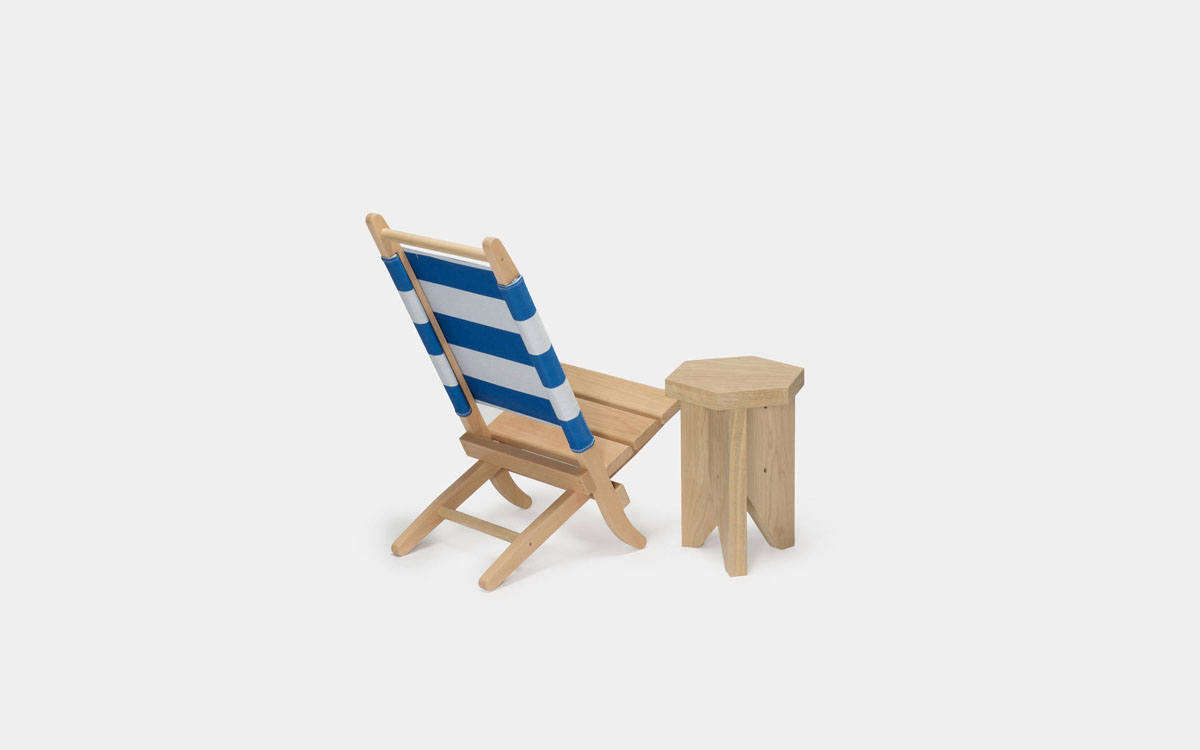
A folding wood beach chair is one of those beautifully simple objects that appears to have escaped the modern world’s obsession with buttons, batteries, apps, and “smart” cup holders. It has a wooden frame, a fabric sling, a few hinges, and one essential job: keeping your backside out of the sand.
Yet two chairs that look nearly identical from across the boardwalk can have dramatically different prices. The original “High/Low” comparison published by Remodelista highlighted this contrast with designer folding chairs priced in the hundreds and an old-school Byer of Maine lounger that then sold for about $50. The silhouettes were similar, but the materials, craftsmanship, sourcing, and design pedigree were not.
So, is a premium folding wood beach chair worth the splurge, or will a budget model provide the same sunset-ready relaxation? The answer depends on where you plan to carry it, how often you will use it, and whether you consider seasonal maintenance charming or deeply offensive.
Why the Folding Wood Beach Chair Still Works
The basic deck-chair concept has survived because it solves several problems with very few parts. The crossed wooden frame folds nearly flat, while the continuous fabric sling forms both the seat and backrest. Instead of relying on thick foam, springs, or molded plastic, the fabric supports the body by distributing weight across a broad surface.
That simplicity also gives the chair its visual appeal. A wood-and-canvas chair looks equally comfortable beside a striped beach umbrella, on a small apartment balcony, or in a living room that contains suspiciously many design magazines. It feels lighter and less permanent than a full patio chair, but more substantial than a metal camping seat.
Retailers continue to offer versions with solid wood frames, adjustable reclining positions, breathable canvas, and compact folding profiles. Current products range from inexpensive poplar or basic hardwood models to oil-finished eucalyptus loungers and designer chairs made with carefully selected timber and upgraded textiles.
The High/Low Comparison at a Glance
The following price ranges are best treated as a market snapshot rather than a promise engraved in teak. Sales, shipping costs, imported materials, and seasonal demand can all move the final number.
| Feature | High-End Folding Wood Chair | Budget Folding Wood Chair |
|---|---|---|
| Typical price | Approximately $200 to $400 or more | Approximately $60 to $150 |
| Frame material | Teak, ash, oak, premium eucalyptus, or selected hardwood | Poplar, pine, eucalyptus, or unspecified solid wood |
| Fabric | Heavy canvas, performance textile, or replaceable designer sling | Standard cotton canvas, polyester, or Oxford-style fabric |
| Hardware | Better-finished hinges, reinforced joints, corrosion-resistant fittings | Basic bolts, rivets, or plated hardware |
| Finish | Penetrating oil, hand-sanded surfaces, or durable exterior coating | Light stain, clear coating, or factory-applied oil |
| Best use | Frequent use, design-focused patios, porches, and vacation homes | Occasional beach trips, balconies, picnics, and seasonal seating |
This division is not absolute. A reasonably priced chair can be sturdy and comfortable, while an expensive designer model can still be awkward to carry. However, current listings from outdoor retailers and manufacturers show a recognizable gap between mass-market wood sling chairs, traditional hardwood loungers, and premium design-led seating.
What You Are Really Paying For
1. The Wood Frame
The frame is the chair’s skeleton, carrying both the sitter’s weight and the repeated stress of opening, closing, leaning, and shifting. Premium chairs generally use durable hardwoods selected for strength, appearance, dimensional stability, and outdoor performance. Budget chairs may use softer or less expensive species that are perfectly serviceable but more vulnerable to dents, rough edges, loose fasteners, or premature weathering.
Byer of Maine’s current Pangean Lounger, for example, uses kiln-dried hardwood with an oil finish and a polyester canvas back. Its straightforward construction demonstrates that a traditional chair does not need to be luxurious to use legitimate furniture-making materials. At the mass-market end, Lowe’s lists folding chairs made from poplar with canvas seating, while Home Depot carries multiple solid wood sling styles at varying prices.
Regardless of species, wood responds to its environment. Research from the USDA Forest Products Laboratory explains that exterior wood moisture levels are affected by relative humidity and exposure to rain and sunlight. Repeated moisture changes can produce dimensional movement, cracking, or warping, especially when a chair is stored wet or left exposed year-round.
2. The Fabric Sling
The sling may look like the simplest component, but it determines much of the chair’s comfort. A fabric that is too loose can create an unsupported hammock effect. One that is too tight can feel like sitting on a polite but unyielding trampoline.
Heavy canvas has a classic texture and tends to soften with use. Polyester dries faster and may be easier to clean, making it practical for humid climates or repeated beach trips. Performance outdoor fabrics generally cost more but can offer better resistance to fading, stains, water, mold, and mildew.
Removable slings are especially valuable because fabric usually shows wear before a sound hardwood frame does. A replaceable cover can extend the useful life of the chair and provide an easy style update. Yesterday’s tasteful natural canvas can become tomorrow’s navy stripe without sending the entire chair to furniture heaven.
3. Joinery, Hinges, and Moving Parts
A folding chair concentrates stress around its hinges and pivot points. Better models typically feel smooth when opened, remain stable when occupied, and fold without requiring a wrestling match. Look for cleanly drilled holes, tight bolts, reinforced joints, rounded frame edges, and hardware that does not scrape against the wood.
Loose joints do not automatically mean the chair is doomed. Some fasteners can be tightened after the wood has adjusted to changing humidity. However, elongated bolt holes, splitting around pivots, bent hardware, or a frame that rocks aggressively on level ground are warning signs.
Test the chair slowly before sitting. Fingers and folding furniture have maintained an ancient rivalry, and the hinges remain undefeated.
Comfort: The Feature You Cannot Judge From a Photograph
Online images can tell you whether a chair will look handsome beside your hydrangeas. They cannot tell you whether the upper rail will press into your shoulder blades after 40 minutes.
Independent beach-chair testing repeatedly emphasizes comfort, portability, stability, ease of setup, and durability. Better Homes & Gardens evaluated chairs by carrying them over real distances, opening and closing them, adjusting their positions, and sitting in them for extended periods. REI likewise advises buyers to balance packed size and weight against comfort and stability according to how the chair will be used.
Before buying, examine four measurements:
- Seat height: Low seats feel relaxed and beach-friendly but may be difficult for people with limited knee or hip mobility.
- Seat width: A narrow frame may pinch at the hips, while a wider chair is usually more comfortable but harder to carry.
- Back height: Short backs support the lower torso; taller backs better accommodate shoulders and occasional naps.
- Recline angle: A steep position suits conversation and reading, while a deeper recline favors cloud inspection and accidental snoring.
If possible, sit in the chair for several minutes rather than performing the traditional furniture-store test of lowering yourself for three seconds and announcing, “Seems fine.”
Portability: Beautiful Until You Must Carry It
A folding wood chair may collapse neatly, but it will rarely compete with aluminum or ultralight camping models on weight. Modern beach-chair tests often favor backpack straps, shoulder straps, compact packed dimensions, and frames weighing roughly seven to ten pounds. Wood loungers can be heavier, broader, and less convenient during a long walk across soft sand.
That does not make wood a poor choice. It simply changes the ideal use case. A folding wood beach chair is excellent when:
- The chair travels from a nearby cottage, car, porch, or storage shed.
- You value appearance and tactile warmth more than minimum weight.
- The chair will serve several locations, including a deck, garden, balcony, or indoor room.
- You prefer a simple seat without trays, coolers, phone sleeves, head pillows, and enough pockets to qualify as luggage.
For a half-mile walk to a remote beach, choose the lightest chair that remains comfortable. For a ten-yard stroll from the beach house, carry the handsome wooden chair and enjoy looking dramatically prepared for summer.
How to Choose Between High and Low
Choose the Premium Chair When…
- You expect to use it several times per week during warm weather.
- It will remain visible on a carefully designed porch, deck, or balcony.
- You want smoother joinery, more refined proportions, and a better finish.
- The manufacturer offers replacement fabric, hardware, or repair support.
- You prefer traceable or independently certified wood sourcing.
Responsible sourcing should be more than a vague leaf icon placed near the checkout button. The Forest Stewardship Council recommends verified certification, clear labeling, and supply-chain documentation when companies make responsible wood claims. Shoppers can use those same principles by checking for a legitimate certification label and transparent information about the timber species and origin.
Choose the Budget Chair When…
- You need occasional seating for a few summer weekends.
- The chair may be exposed to children, pets, spilled lemonade, or chaotic family reunions.
- You are comfortable tightening hardware and refreshing the finish.
- You need several matching chairs and total cost matters more than design pedigree.
- You are testing whether you actually enjoy low-slung seating.
A budget chair should still open smoothly, sit level, and provide a clearly stated weight capacity. Avoid buying solely because the product photo shows a suspiciously perfect beach where nobody has sunscreen in their eyes.
The Best-Value Middle Ground
For many buyers, the smartest choice is neither the cheapest nor the most expensive chair. Look for a kiln-dried hardwood frame, an exterior oil finish, a removable polyester or heavy-canvas sling, replaceable hardware, and a manufacturer that publishes dimensions and weight limits.
This middle tier delivers much of the tactile appeal of premium furniture without charging for a famous designer, imported boutique distribution, or a product description containing the phrase “quietly architectural.”
Care and Maintenance
Wood beach chairs last longer when they are allowed to dry completely before storage. After a beach trip, shake or brush away sand, wipe salt residue from the frame and hardware, and place the chair in an airy, shaded location. Folding a chair while the fabric is damp creates ideal conditions for musty odors and mildew.
Clean ordinary fabric with mild soap, lukewarm water, and a soft brush or sponge, then rinse thoroughly and air-dry. Performance-fabric manufacturers such as Sunbrella provide stronger mold-and-mildew treatments for their own materials, but bleach should not be used on an unknown fabric unless the chair manufacturer specifically permits it.
Inspect the wooden frame at the beginning and end of each season. Tighten loose hardware, lightly sand raised grain, and apply an appropriate exterior oil or protective finish when the surface appears dry or faded. Acacia and similar outdoor hardwood furniture can retain a richer color when periodically cleaned and oiled, although every finish should be applied according to its label and the chair maker’s instructions.
Do not leave the chair standing in wet grass, exposed to sprinklers, or trapped beneath a non-breathable cover while damp. A chair needs protection from rain, not its own private steam room.
High or Low: Which Chair Wins?
The premium folding wood beach chair wins on refinement. It may offer better timber, more precise construction, upgraded fabric, stronger sourcing documentation, and proportions that look intentional from every angle.
The budget chair wins on accessibility and low-stress ownership. You can buy several, use them freely, and survive the emotional devastation of a popsicle stain.
For occasional beach visits, a well-reviewed budget or midrange model is usually sufficient. For frequent use, a visible outdoor living area, or a home where furniture is expected to age gracefully rather than merely remain functional, paying more can make sense. The true bargain is not the chair with the lowest price. It is the chair you enjoy using, can maintain easily, and do not secretly hate carrying.
Real-World Experience: A Day With a Folding Wood Beach Chair
The most revealing chair test begins before anyone sits down. Imagine loading the car for a beach morning: towels, umbrella, cooler, sunscreen, books, water bottles, and one family member who has brought three completely unnecessary inflatable objects. A folding wood chair slides neatly behind the rear seats, but its broad rectangular frame takes more room than a compact camping chair. The first lesson arrives early: measure the folded dimensions, not merely the open chair.
At the parking lot, the wooden frame feels reassuringly substantial for approximately 40 seconds. During a short walk, that weight suggests quality. During a long walk through soft sand, it begins suggesting poor life choices. This pattern is consistent with professional chair tests that treat carry weight, packed size, handles, and straps as core performance factors rather than minor accessories.
Setup, however, is satisfyingly fast. There are no poles to connect, no fabric seat to stretch over stubborn corners, and no instruction diagram featuring a tiny person with six hands. The chair unfolds, the rear support settles into position, and the sling becomes taut. A good model feels stable immediately. A poor one rocks, twists, or makes a noise suggesting that one bolt has begun composing its resignation letter.
Once seated, the appeal becomes obvious. The canvas flexes gently and avoids the rigid feeling of molded plastic. Wooden side rails feel warm rather than metallic, and the chair’s open structure allows air to circulate. The low position works well for stretching legs into the sand, watching children near the water, or pretending to read while actually observing other people’s elaborate beach setups.
After an hour, differences between chairs become clearer. A deeper sling may feel wonderfully relaxed at first but can make standing difficult. A short back rail may press below the shoulders. A poorly positioned wooden crosspiece can turn leisurely reading into a search for a folded towel to use as improvised lumbar engineering. This is why real-world testing places so much emphasis on extended comfort, back support, recline positions, and seat height.
The chair’s simplicity is also refreshing. There is no insulated compartment slowly filling with melted ice, no cup holder collecting sand, and no side pouch concealing a phone until everyone assumes it has been lost in the Atlantic. The downside is equally simple: your drink must sit somewhere else. Pairing the chair with a small folding stool or low table makes it far more practical.
At the end of the day, sand falls away from the open frame more easily than it does from pocket-heavy backpack chairs. Still, salt mist and damp fabric require attention. A quick rinse or wipe, followed by complete air-drying, prevents the chair from arriving at the next outing smelling like an abandoned sailboat. Long-term owners commonly find that diligent drying and basic protection matter more than complicated restoration rituals. Even inexpensive portable chairs can provide years of service when saltwater exposure is controlled and moving parts are kept clean.
The final experience is therefore a trade-off. A folding wood beach chair is not the lightest, most feature-packed, or easiest chair to carry across a mile of sand. It is calmer than that. It offers a comfortable sling, honest materials, quick setup, and a timeless appearance that works long after trendy beach gear begins looking dated. Choose the right size, keep it dry, and tighten the occasional bolt. In return, it will provide the rare luxury of doing absolutely nothing in a chair that looks very good doing the same.