Gerbera daisies are the extroverts of the flower world: bright, bold, slightly dramatic, and absolutely convinced they should be the center of attention. With their oversized blooms in shades of red, orange, yellow, pink, white, and coral, these cheerful plants can make a porch, windowsill, garden bed, or bouquet look instantly more alive.
The good news? Learning how to care for a gerbera daisy is not mysterious. The slightly annoying news? Gerberas are not the kind of plant you can toss into soggy soil, forget for three weeks, and expect to throw a blooming parade. They like bright light, excellent drainage, careful watering, moderate temperatures, and a little grooming. Think of them as low-maintenance with boundaries.
This complete guide breaks gerbera daisy care into 15 practical steps, covering sunlight, soil, watering, fertilizing, pruning, containers, indoor care, outdoor planting, winter protection, pests, diseases, and cut-flower care. Whether you bought a potted gerbera from a garden center or want to grow a happy outdoor display, these steps will help keep your plant blooming instead of sulking in a corner.
Gerbera Daisy Care at a Glance
Gerbera daisies, often sold as Gerber daisies, belong to the genus Gerbera. The popular garden and florist types are commonly linked to Gerbera jamesonii and hybrids. They are tender perennials in warm regions, often grown as annuals in colder climates, and they also perform beautifully in containers.
- Common name: Gerbera daisy, Gerber daisy, Transvaal daisy
- Botanical name: Gerbera jamesonii and hybrids
- Light: Full sun in cooler climates; morning sun and afternoon shade in hot regions
- Soil: Rich, loose, well-draining soil
- Water: Consistent moisture, but never soggy soil
- Best for: Containers, garden borders, patios, bright indoor spots, and cut flowers
How to Care for a Gerbera Daisy: 15 Steps
1. Choose a Healthy Gerbera Daisy From the Start
Great gerbera daisy care begins before the plant comes home. Choose a plant with firm green leaves, several flower buds, and no signs of mushy stems, yellowing crowns, sticky residue, or fuzzy leaf spots. A plant with one perfect open bloom may look tempting, but a plant with multiple buds gives you a longer show.
Gently check the soil surface. If it smells sour, feels swampy, or has algae growing on top, that plant may already be struggling with poor drainage. Gerberas are particularly sensitive to crown and root problems, so starting with a clean, sturdy plant saves you a lot of future detective work.
2. Give Outdoor Gerberas Morning Sun and Afternoon Shade
Gerbera daisies need bright light to bloom well. In cooler northern areas, they can often handle full sun. In hotter climates, especially where summer afternoons feel like the inside of a toaster, morning sun with afternoon shade is ideal. This gives the plant enough energy to produce flowers without scorching the leaves or overheating the roots.
A good outdoor location might be the east side of a house, a patio that gets morning light, or a garden bed protected from harsh late-day sun. If your gerbera produces lush leaves but few flowers, it may need more light. If leaves wilt every afternoon even when the soil is moist, it may need more shade.
3. Use Bright, Indirect Light Indoors
Indoor gerbera daisy care is all about balance. The plant wants bright light, but it does not want to bake against a hot windowpane. Place indoor gerberas near a sunny window where they receive bright indirect light or gentle direct morning sun.
A south- or west-facing window may be too intense during summer unless filtered by a sheer curtain. An east-facing window is often excellent. If the plant leans toward the light, rotate the pot every few days so it grows evenly instead of performing botanical yoga.
4. Plant in Loose, Well-Draining Soil
If gerbera daisies had a dating profile, it would say: “Must love drainage.” These plants dislike sitting in wet soil. Outdoors, they perform best in sandy or loamy soil amended with organic matter such as compost. Heavy clay soil can hold too much moisture around the roots, increasing the risk of rot.
If your garden soil drains poorly, plant gerberas in raised beds, mounds, or containers. For pots, use a high-quality potting mix rather than dense garden soil. A mix designed for flowering container plants usually works well because it holds some moisture while still allowing extra water to escape.
5. Keep the Crown Slightly Above the Soil Line
The crown is the point where the leaves and roots meet. With gerbera daisies, this small detail matters a lot. Planting the crown too deeply can trap moisture and invite rot. When planting or repotting, position the crown slightly above the soil surface.
For outdoor beds, set plants about 12 to 18 inches apart. This spacing improves airflow, gives the leaves room to dry after watering or rain, and helps reduce fungal disease. Crowding gerberas together may look lush for a week, but it can quickly turn into a damp, mildew-friendly jungle.
6. Water Deeply, Then Let the Top Inch Dry
Gerbera daisies like consistent moisture, but they are not aquatic plants. Water when the top inch of soil feels dry. For outdoor plants, this may mean watering once or twice a week depending on heat, rainfall, and soil type. Potted gerberas may need more frequent checks because containers dry out faster.
When you water, water thoroughly so moisture reaches the root zone. Then let the soil begin to dry before watering again. Constantly wet soil is one of the fastest ways to turn a promising gerbera into a sad science experiment.
7. Water at the Base, Not Over the Leaves
Overhead watering can leave gerbera leaves and crowns wet for too long, especially in humid weather. That creates ideal conditions for leaf spots, powdery mildew, crown rot, and other fungal issues. Instead, water at the base of the plant.
A watering can with a narrow spout, drip irrigation, or a soaker hose works well. Morning watering is best because any stray moisture has time to dry during the day. Evening watering is more risky because cool, damp nights can encourage disease.
8. Choose a Pot With Drainage Holes
If you grow gerbera daisies in containers, drainage holes are non-negotiable. Decorative pots without drainage may look stylish, but they can trap water at the bottom and suffocate the roots. If you love a decorative outer pot, use it as a cachepot and keep the gerbera in a smaller plastic nursery pot inside it. Remove the inner pot to water, let it drain fully, then place it back.
Avoid oversized containers. A pot that is much larger than the root ball holds extra wet soil, which can lead to root problems. Move up only one pot size when repotting.
9. Feed Lightly During the Growing Season
Gerbera daisies bloom best when they receive regular nutrition, but more fertilizer is not always better. During active growth in spring and summer, feed container plants with a balanced or bloom-supporting fertilizer according to label directions. Many gardeners use a diluted liquid fertilizer every few weeks or a slow-release fertilizer mixed into the soil.
Outdoor plants in rich soil may need less frequent feeding. If your gerbera has pale leaves and weak blooming, it may be hungry. If it has lots of leaves but few flowers, check light levels before blaming fertilizer. Plants are dramatic, but they usually have reasons.
10. Deadhead Faded Flowers Promptly
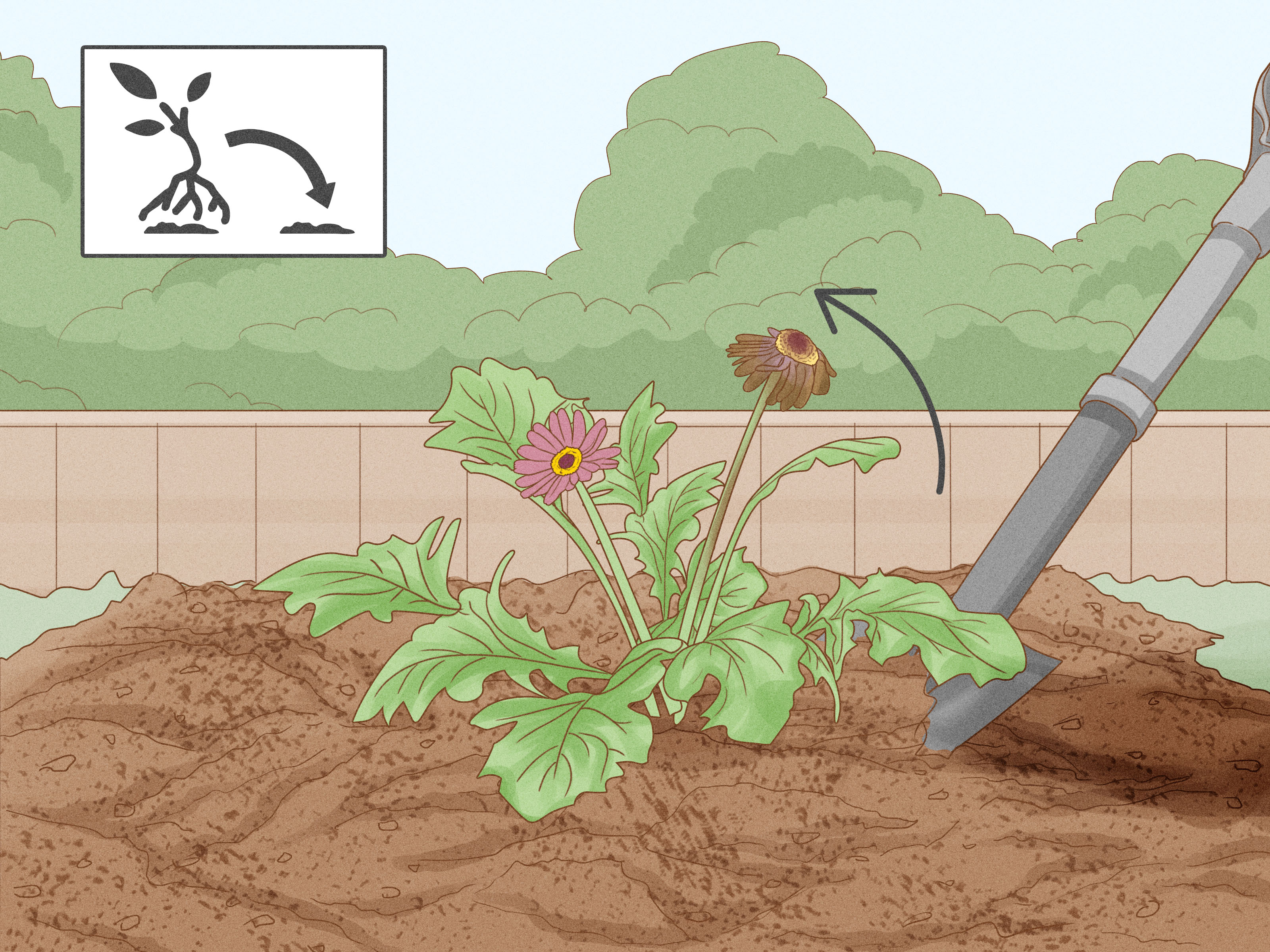
Deadheading is one of the easiest ways to keep a gerbera daisy blooming. Once a flower fades, cut or pinch the entire flower stem down near the base. Do not just remove the colorful petals and leave a bare stem sticking up like a tiny flagpole of defeat.
Removing spent blooms redirects the plant’s energy away from seed production and back into new flowers. It also keeps the plant tidy and reduces hiding spots for pests or disease. A clean gerbera is a happier gerbera.
11. Remove Yellow, Damaged, or Diseased Leaves
Gerbera daisies grow in a low rosette of leaves, and older leaves may yellow naturally over time. Remove yellowing or damaged leaves by cutting them near the base with clean scissors or pruners. This improves airflow and helps the plant put energy into healthy growth.
If leaves develop spots, powdery white patches, or mushy sections, remove the affected parts and review your watering habits. Wet foliage, crowded spacing, and poor drainage are common triggers for gerbera problems.
12. Watch for Aphids, Thrips, Whiteflies, and Mites
Gerbera daisies can attract common pests such as aphids, thrips, whiteflies, and spider mites. Check the undersides of leaves and around buds regularly. Aphids often cluster on tender growth, while spider mites may cause fine stippling and delicate webbing. Thrips can distort flowers and leaves. Whiteflies flutter when disturbed, as if your plant just released a tiny panic cloud.
For minor infestations, rinse pests off with water or use insecticidal soap according to the product label. Avoid spraying during hot sun, and always test a small area first if the plant seems sensitive. Good airflow and healthy watering habits make plants less inviting to pests.
13. Prevent Fungal Problems Before They Start
The best disease control is prevention. Give gerbera daisies excellent drainage, proper spacing, morning watering, and plenty of air movement. Avoid burying the crown, and do not let water collect in the center of the plant.
Common issues include powdery mildew, leaf spots, crown rot, and root rot. If your plant wilts even when the soil is wet, root rot may be involved. If leaves look dusty white, powdery mildew may be the culprit. Remove affected leaves, improve growing conditions, and consider a labeled fungicide only when necessary.
14. Overwinter Gerberas Carefully in Cold Climates
Gerbera daisies are tender perennials in warmer regions, but in colder areas they are usually grown as annuals or brought indoors before frost. If your gerbera is in a container, move it inside before cold weather arrives. Place it in a cool, bright spot and reduce watering during winter.
The goal is not to force nonstop blooms in the darkest months. The goal is survival. Keep the soil lightly moist, not soggy, and avoid placing the plant near heating vents. Once spring returns and frost danger has passed, gradually reintroduce the plant to outdoor conditions.
15. Care for Cut Gerbera Daisies in Shallow Water
Gerbera daisies make excellent cut flowers, but their hollow stems can become weak if placed in deep water. Use a clean vase with shallow water, remove any leaves that would sit below the waterline, and recut stems at an angle with clean tools.
Change the water often and keep the vase away from direct sun, heat, and drafts. With good care, cut gerberas can stay attractive for many days. Their huge blooms may look like they are smiling at you, which is either charming or mildly suspicious depending on your caffeine level.
Indoor Gerbera Daisy Care Tips
Indoor gerberas are often purchased as flowering gift plants. They can continue blooming indoors when conditions are right, but they prefer bright light and moderate temperatures. Keep them away from hot windows, cold drafts, and soggy saucers.
After watering, empty any water collected in the saucer. If the plant came wrapped in decorative foil, remove the foil or poke drainage holes so water cannot pool around the roots. Many struggling gift gerberas are not neglected; they are loved too aggressively with water.
Outdoor Gerbera Daisy Care Tips
For outdoor beds, focus on sun, drainage, and airflow. Plant after the danger of frost has passed. Amend soil with compost, but avoid creating a planting hole that acts like a bathtub in heavy clay. In hot regions, choose a location with morning light and afternoon protection.
Mulch can help conserve soil moisture, but keep mulch away from the crown. A thin layer around the plant is useful; a mulch volcano piled against the base is asking for trouble.
Common Gerbera Daisy Problems and Fixes
Why Are My Gerbera Daisy Leaves Turning Yellow?
Yellow leaves may come from overwatering, poor drainage, nutrient deficiency, low light, or natural aging. First, check soil moisture. If the soil is constantly wet, reduce watering and improve drainage. If the plant is in dim light, move it to a brighter spot.
Why Is My Gerbera Daisy Not Blooming?
Low light is a common reason gerbera daisies stop blooming. They need strong light to produce flowers. Other causes include extreme heat, lack of nutrients, overcrowding, or failure to deadhead. Give the plant bright conditions, feed during active growth, and remove old blooms.
Why Is My Gerbera Daisy Wilting?
Wilting can mean the plant is too dry, but it can also mean the roots are damaged from overwatering. Check the soil before watering. If it is dry, water deeply. If it is wet and the plant still wilts, root rot may be the issue.
Personal Growing Experiences: Lessons From Caring for Gerbera Daisies
One of the biggest lessons with gerbera daisies is that they reward observation more than routine. A strict “water every Tuesday” schedule sounds organized, but gerberas do not care about calendars. They care about what is happening in the pot. On cloudy weeks, the soil may stay moist longer. During a hot, windy weekend, the same plant may dry out faster than expected. The finger testchecking the top inch of soilis simple, but it is often more accurate than any schedule.
Another useful experience is learning that containers can make or break the plant. A gerbera in a cute pot with no drainage may look perfect on day one and miserable by day ten. The leaves droop, the soil smells stale, and the crown begins to look suspiciously soft. Switching to a pot with drainage holes usually makes a dramatic difference. Gerberas like moisture, but they want oxygen around their roots too. Roots trapped in wet soil are like people stuck in wet socks: nobody is doing their best work.
Deadheading also has a surprisingly big impact. Many beginners remove only the flower head, leaving the stem behind. The plant looks tidier for about twelve seconds, then the leftover stem browns and becomes unattractive. Cutting the flower stalk all the way down near the base keeps the rosette clean and encourages fresh buds. It is a small habit, but it changes the plant’s appearance quickly.
Light is another area where experience teaches nuance. A gerbera placed in weak indoor light may stay alive, but it often stops flowering. Move it closer to bright light, and new buds may appear. On the other hand, a plant placed directly against a blazing summer window can scorch or wilt. The best indoor spot is usually bright but not punishing. Outdoors, morning sun is often the sweet spot, especially in warm regions.
Finally, gerbera daisies teach patience. They may pause blooming after being transplanted, moved indoors, or exposed to temperature swings. That does not always mean failure. Keep the crown dry, give the plant bright light, remove old leaves, and avoid overwatering. Many gerberas recover once conditions stabilize. The trick is not to panic and “fix” the plant with five different treatments at once. Usually, the best care is consistent, calm, and boringin the most successful way possible.
Conclusion
Caring for a gerbera daisy is mostly about giving the plant what it wants: bright light, excellent drainage, careful watering, moderate temperatures, and regular deadheading. These colorful flowers may look fancy, but their needs are practical. Keep the crown slightly above the soil, water at the base, avoid soggy conditions, and remove faded blooms to encourage more flowers.
Whether you grow gerberas indoors, outdoors, in containers, or as cut flowers, the same rule applies: do not smother them with kindness. A little attention goes a long way. With the right care, your gerbera daisy can brighten your home or garden with bold, cheerful blooms that look like sunshine learned how to pose for photos.