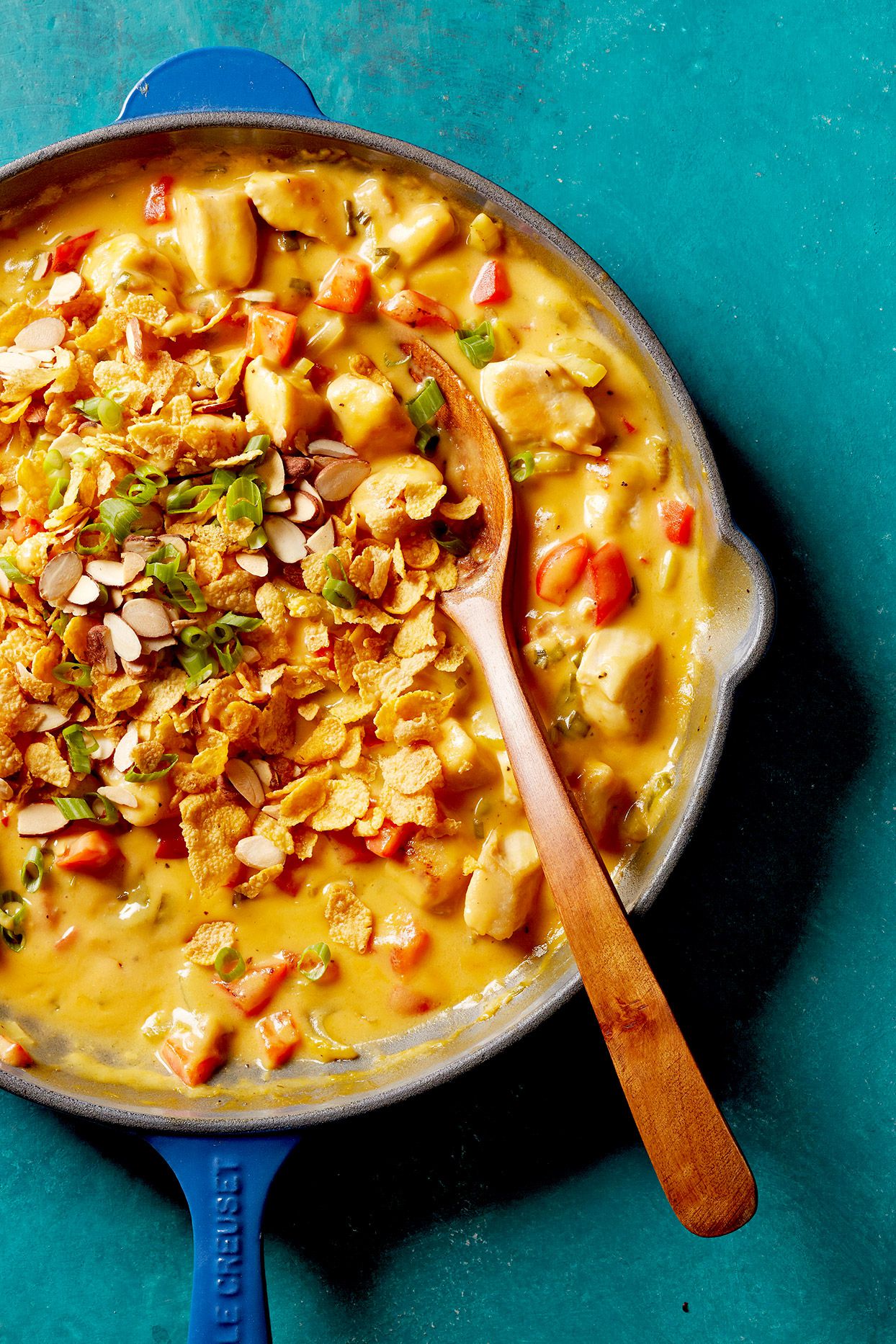
If classic chicken salad and a cozy casserole had a delicious little identity crisis, this would be the result. This Hot Chicken Salad Skillet Casserole Recipe delivers everything people love about old-school hot chicken saladtender chicken, celery crunch, lemony creaminess, and a buttery, crunchy toppingbut with the speed and convenience of a skillet dinner.
It’s the kind of recipe that feels like it came from a church potluck, a family reunion, and a very organized weeknight meal plan all at once. You can make it with fresh chicken, leftover chicken, or rotisserie chicken. You can keep it lighter with yogurt, go richer with mayo, or do the smartest thing of all and use a little of both. (That’s not indecision. That’s culinary diplomacy.)
Below, you’ll get a full in-depth recipe, why it works, easy variations, make-ahead tips, and troubleshooting advice so your casserole turns out creamynot soupyand crunchynot sad.
Why This Hot Chicken Salad Skillet Casserole Works
This dish borrows from the best parts of traditional hot chicken salad casseroles and skillet-style casseroles:
- Creamy base: A mix of condensed soup, yogurt, and a little mayo creates comfort-food texture without feeling too heavy.
- Chicken + celery + peppers: The combination gives you flavor, protein, and a fresh crunch that keeps the casserole from becoming “all beige, no personality.”
- Lemon and green onion: These brighten the dish so the creamy ingredients taste balanced.
- Cornflake-almond topping: A classic hot chicken salad move. It adds crunch, nuttiness, and just the right amount of drama.
- Skillet method: You build flavor on the stove, then finish in the oven (or under the broiler) for a true casserole texture.
Hot Chicken Salad Skillet Casserole Recipe (Serves 6)
Prep Time, Cook Time, Yield
- Prep time: 20 minutes
- Cook time: 25–30 minutes
- Total time: About 50 minutes
- Yield: 6 servings
Equipment
- 12-inch oven-safe skillet (cast iron or oven-safe nonstick)
- Mixing bowls (2)
- Wooden spoon or spatula
- Measuring cups/spoons
- Instant-read thermometer (recommended)
Ingredients
- 1 tablespoon unsalted butter
- 1 tablespoon olive oil (optional, helps prevent butter from browning too fast)
- 1 pound boneless, skinless chicken breast or thighs, cut into 1-inch pieces (or 3 cups cooked chicken/rotisserie chicken)
- 1 cup sliced celery
- 1 cup chopped yellow or red bell pepper
- 1/4 cup sliced green onions
- 1 (10.5-ounce) can reduced-sodium cream of chicken soup
- 3/4 cup plain Greek yogurt or plain yogurt
- 1/4 cup mayonnaise
- 3/4 cup shredded cheddar or mozzarella cheese
- 1 tablespoon lemon juice (plus more to taste)
- 1/4 teaspoon black pepper
- 1/2 teaspoon kosher salt (adjust to taste)
- 1/4 teaspoon garlic powder (optional, but nice)
- 1/4 cup chopped pimentos (optional, classic hot chicken salad flavor)
- 1/2 cup crushed cornflakes
- 1/4 cup sliced almonds, toasted
- 1 tablespoon melted butter (for the topping)
Optional Add-Ins (Use 1–2, Not All of Them)
- 1/2 cup chopped water chestnuts (extra crunch)
- 1/2 cup frozen peas, thawed
- 1/2 cup sautéed mushrooms
- Pinch of curry powder (for a retro chicken Divan-style vibe)
- Ritz cracker crumbs instead of cornflakes (super cozy version)
Step-by-Step Instructions
1) Preheat and Prep the Topping
Preheat your oven to 375°F. In a small bowl, combine the crushed cornflakes, toasted almonds, and 1 tablespoon melted butter. Set aside.
Why this matters: Pre-mixing the topping helps it brown evenly and keeps the cornflakes crisp.
2) Cook the Chicken in the Skillet
Heat the skillet over medium-high heat. Add 1 tablespoon butter and the olive oil (if using). Add the chicken pieces and cook for about 5–6 minutes, stirring occasionally, until no longer pink on the outside. If using already cooked chicken, skip this step and move to the vegetables.
Transfer chicken to a plate if it’s not fully cooked through yet; it will finish later in the casserole.
3) Sauté the Vegetables
In the same skillet, add celery and bell pepper. Cook for 3–4 minutes until crisp-tender. Stir in the green onions and cook 30 seconds more.
You want the vegetables to keep a little bite. Mushy celery is not the goal. We are making comfort food, not surrendering to it.
4) Build the Creamy Chicken Salad Base
In a large bowl, whisk together the cream of chicken soup, yogurt, mayonnaise, cheese, lemon juice, black pepper, salt, garlic powder, and pimentos (if using) until smooth.
Fold in the chicken and sautéed vegetables. Taste and adjust seasoning with a bit more pepper, salt, or lemon juice.
5) Return to the Skillet and Heat Through
Pour the mixture back into the oven-safe skillet (or stir it all directly in the skillet if there’s room). Spread it into an even layer. Let it heat over medium-low for 2–3 minutes until it starts to gently bubble at the edges.
This quick stovetop step helps the casserole cook evenly and cuts oven time.
6) Add the Crunchy Topping and Bake
Sprinkle the cornflake-almond topping evenly over the casserole. Transfer the skillet to the oven and bake for 12–15 minutes, or until bubbly around the edges and the topping is lightly golden.
If you want extra browning, broil for 1–2 minutes at the endwatch it closely. Cornflakes go from golden to “what happened?” in about twelve seconds.
7) Rest, Serve, and Enjoy
Let the casserole rest for 5–10 minutes before serving. This helps the sauce set slightly and keeps your first scoop from turning into a landslide.
Serve over steamed broccoli, cauliflower rice, rice, egg noodles, or with a crisp green salad.
Flavor Profile and Texture Analysis
This hot chicken salad casserole recipe is all about contrast:
- Creamy: Soup + yogurt + mayo creates the classic hot chicken salad texture.
- Bright: Lemon juice and green onion keep it from tasting overly rich.
- Crunchy: Celery in the filling, plus cornflakes and almonds on top.
- Savory: Chicken, cheese, and the condensed soup form the comfort-food backbone.
Compared with a standard baked chicken casserole, this version tastes fresher because it keeps “chicken salad” ingredients like celery and lemon in the spotlight. Compared with cold chicken salad, it’s warmer, richer, and much more dinner-friendly.
Best Ingredient Swaps (Without Breaking the Recipe)
Chicken Options
- Rotisserie chicken: Fastest option. Use about 3 cups shredded or chopped.
- Leftover turkey: Great post-holiday substitution.
- Chicken thighs: Richer flavor and harder to overcook.
Creamy Base Options
- Lighter: Use all yogurt, skip mayo (texture will be slightly tangier).
- Richer: Use more mayo and sour cream instead of yogurt.
- Different soup: Cream of mushroom or cream of celery works well.
Topping Options
- Cornflakes + almonds: Classic hot chicken salad casserole topping.
- Ritz crackers: Buttery and crowd-pleasing.
- Panko breadcrumbs: Crisp and sturdy, especially for make-ahead versions.
- Potato chips: Retro and delicious (slightly saltier).
Make-Ahead, Storage, and Reheating Tips
Make Ahead
Assemble the filling up to 24 hours ahead and store it in the refrigerator. Keep the topping separate. Add the topping right before baking so it stays crunchy.
How to Store Leftovers
Cool leftovers promptly and refrigerate in an airtight container. For best quality, eat within 3–4 days.
How to Reheat
- Oven: 350°F, covered loosely with foil, until hot and bubbling (about 15–20 minutes depending on portion size).
- Microwave: Reheat individual servings in short intervals, stirring once if possible.
- Food safety note: Reheat leftovers until they reach 165°F.
Common Mistakes and How to Avoid Them
1) A Watery Casserole
Cause: Overcrowded vegetables, very wet chicken, or adding frozen veggies straight in.
Fix: Pat chicken dry, thaw/drain frozen vegetables, and sauté veggies briefly before mixing.
2) Soggy Topping
Cause: Topping added too early during make-ahead prep.
Fix: Store the topping separately and add just before baking.
3) Bland Flavor
Cause: Not enough acid or seasoning.
Fix: Add another squeeze of lemon, a little extra pepper, and taste before baking.
4) Dry Chicken
Cause: Overcooking lean chicken breast before baking.
Fix: Brown it lightly on the stove, then finish cooking in the casserole.
What to Serve with Hot Chicken Salad Skillet Casserole
- Steamed broccoli or green beans (great for balancing the creamy sauce)
- Cauliflower rice (lighter option)
- Buttered egg noodles or white rice (classic comfort pairing)
- Crisp green salad with vinaigrette (best contrast)
- Fresh fruit salad for potluck-style meals
Who This Recipe Is Perfect For
This creamy chicken skillet casserole is ideal for:
- Busy weeknights when you need a one-pan comfort dinner
- Using up leftover chicken or rotisserie chicken
- Potlucks and family gatherings (it scales well)
- People who love old-fashioned casseroles but want better texture and flavor balance
Conclusion
If you’re craving a dinner that’s comforting, practical, and just a little retro in the best possible way, this Hot Chicken Salad Skillet Casserole Recipe deserves a spot in your rotation. It combines the classic creamy, crunchy charm of hot chicken salad with a skillet-friendly method that saves time and dishes. The result is a casserole that feels familiar, but tastes fresh enough to make again next week.
Use the recipe as written for a dependable crowd-pleaser, then make it your own with rotisserie chicken, cracker topping, extra veggies, or a richer sauce. Once you understand the balancecreamy base, crunchy topping, and a little lemon brightnessyou can riff on it endlessly.
And yes, it still counts as “salad.” We are being very generous with that word, but honestly, that’s part of the charm.
Kitchen Experiences and Real-World Tips (Extended Notes)
One of the most common experiences people have with a hot chicken salad skillet casserole recipe is discovering that the dish tastes even better than expected because it solves two problems at once: what to do with leftover chicken and how to make a dinner that feels homemade without spending an entire evening cooking. In many households, this becomes the “backup plan” recipe that quietly turns into a favorite.
A typical weeknight experience goes like this: someone buys a rotisserie chicken with excellent intentions, uses half of it for sandwiches, and then stares at the rest the next day wondering what happens next. This casserole is the answer. The chicken is already cooked, the vegetables are simple, and the creamy base comes together quickly. People often say the surprise isn’t how easy it isit’s how comforting it tastes for so little effort.
Another real-world lesson is that texture matters more than people think. Many cooks assume casseroles are supposed to be soft all the way through, but this dish works because it has contrast. The celery gives that fresh bite, and the cornflake-almond topping creates a crunch that makes every spoonful more interesting. Cooks who skip the topping once (usually because they’re in a hurry) almost always return to it the next time. The topping is not just decoration; it’s the personality of the dish.
Potluck experiences with this recipe are also revealing. Dishes with unfamiliar names sometimes get ignored, but anything that smells like warm chicken, cheese, and butter tends to attract attention fast. People who try it usually ask two questions: “What’s in this?” and “Can I make it ahead?” The answer to both is part of why the recipe is so popular: the ingredients are pantry-friendly, and the casserole can be prepped in advance as long as the crunchy topping is added right before baking.
Families also tend to customize it over time. Some prefer a richer, more classic version with extra mayo and crackers. Others lean lighter with yogurt and more vegetables. Some add peas for color. Some add pimentos because that’s how Grandma made it and nobody is arguing with Grandma. This adaptability gives the recipe staying power. It can be old-school comfort food, meal prep, or a clean-out-the-fridge dinner depending on the week.
One final practical experience: leftovers are genuinely useful. A lot of casseroles lose their appeal after one night, but this one reheats well if you warm it gently and don’t overcook it. Some people even repurpose itspooned over toast, stuffed into baked potatoes, or tucked into a wrap with lettuce for a next-day lunch. That’s when you know a recipe is doing real work in your kitchen.
In short, the ongoing experience of making this dish is less about perfection and more about reliability. It’s forgiving, flexible, and comfortingthe kind of meal that earns its place not because it’s trendy, but because it consistently tastes good and makes life easier.