If you have ever watched your dog open a cabinet, locate a treat hidden with FBI-level determination, or pretend not to hear you while somehow hearing the cheese wrapper from two rooms away, you have probably wondered: How smart is this furry little mastermind, really?
The good news is that you can absolutely test a dog’s intelligence at home. The even better news is that you do not need a lab coat, a clipboard, or a dramatic British narrator. What you do need is a little patience, a few treats, and a realistic understanding of what “dog intelligence” actually means.
Dogs are not smart in one single way. Some are brilliant problem-solvers. Some are social geniuses who read human cues like tiny mind readers. Others have incredible memory, nose work ability, or self-control. That means the best way to test a dog’s intelligence is not with one stunt. It is with a series of simple challenges that look at focus, memory, problem-solving, communication, scenting, and adaptability.
In this guide, you will learn how to test your dog’s intelligence in 15 steps, how to score the results, and how to interpret what they mean without unfairly labeling your pup as either Einstein or “the one who barked at a leaf for 10 minutes.” Spoiler: most dogs are smarter than they get credit for. They are also occasionally committed to chaos.
Before You Start: How to Make the Test Fair
Before you begin your at-home dog intelligence test, set your dog up for success. Choose a quiet room with minimal distractions. Use small, high-value treats your dog loves. Keep sessions short and upbeat. If your dog seems tired, frustrated, anxious, or suddenly uninterested in food or toys, stop and try again later.
This matters because performance is influenced by more than intelligence. Age, breed tendencies, hearing, vision, stress, motivation, prior training, and energy level all affect results. A senior dog may struggle with a fast memory challenge but still excel at reading your gestures. A hound may outperform everybody in scent work and then act deeply offended by a puzzle toy. That does not mean one dog is “better.” It means canine intelligence comes in different flavors.
For a simple scoring system, give your dog:
- 2 points if they solve the task quickly or on the first try
- 1 point if they solve it slowly, with repetition, or after a hint
- 0 points if they do not solve it this round
At the end, you can total the score out of 30. But remember: this is a fun snapshot, not a scientific diagnosis. The most useful comparison is not your dog versus every other dog on Earth. It is your dog today versus your dog a month from now.
How to Test a Dog’s Intelligence: 15 Steps
Step 1: Test Eye Contact and Attention
Stand in front of your dog with a treat near your eyes and say their name once. If your dog quickly makes eye contact and holds it for a second or two, that shows attention, social engagement, and responsiveness to human cues. Dogs that can focus on your face instead of scanning the room for random squirrel emergencies usually have a strong foundation for learning.
What it measures: Social cognition, focus, trainability.
Step 2: Try Name Recognition
Place two or three familiar toys on the floor. Ask for one by name, such as “Get your ball.” If your dog consistently selects the correct item, that is a strong sign of word association and memory. Start with objects your dog already knows, then repeat the test on another day to confirm it was not just lucky guesswork.
What it measures: Language association, memory, discrimination.
Step 3: Run the Hidden Treat Test
Let your dog watch you place a treat under a towel, small cup, or plastic container that is easy to move safely. Then release them to find it. Dogs that immediately investigate, lift, nudge, or paw at the object are showing goal-directed problem-solving. Dogs that stare at you like, “You hid it, you retrieve it,” may just be outsourcing the labor.
What it measures: Object permanence, problem-solving, persistence.
Step 4: Play the Three-Cup Game
Set out three identical cups. Let your dog watch you place a treat under one cup, then slowly shuffle the cups a little. Ask your dog to choose. This is a classic way to test visual tracking and working memory. Make the game easy at first. If your dog succeeds several times, increase the challenge slightly. If you shuffle like a street magician, your dog may file a formal complaint.
What it measures: Tracking, short-term memory, attention.
Step 5: Test Delayed Memory
Show your dog a hidden treat under one cup, then ask them to wait for 10 to 15 seconds before releasing them. If they still choose the correct spot, their working memory is doing nicely. Increase the delay gradually over several sessions rather than turning it into a one-shot final exam.
What it measures: Short-term memory, impulse control.
Step 6: Use a Simple Detour Challenge
Place a treat behind a low barrier, baby gate, or cardboard obstacle so your dog can see it but cannot move straight toward it. Your dog has to figure out how to go around the barrier. Dogs that quickly detour instead of repeatedly bonking into the obvious route are using flexible thinking rather than brute optimism.
What it measures: Spatial problem-solving, adaptability.
Step 7: Test Hand Signal Understanding
Ask your dog to sit, stay, or come using only a hand signal, with no verbal cue. Many dogs are excellent at reading body language, and some actually respond better to gestures than words. If your dog understands silent signals, that shows strong visual learning and social awareness.
What it measures: Visual communication, cue recognition, human reading skills.
Step 8: Compare Verbal Cue vs. Gesture
Now reverse the previous test. Try the verbal cue without the hand signal. Does your dog perform equally well, better, or worse? This side-by-side comparison tells you a lot about how your dog learns. Some dogs are clearly “watchers.” Others are “listeners.” And a few are “snack-based philosophers” who will perform only after reviewing compensation.
What it measures: Learning style, auditory processing, training history.
Step 9: Try a Scent Search
Hide treats around one room while your dog waits out of sight, then release them to search. Because dogs naturally rely heavily on scent, this is not about whether they can smell. It is about how methodically they search, how quickly they adapt, and whether they stay engaged. A strong scent search performance shows concentration, strategy, and persistence.
What it measures: Scent problem-solving, persistence, working strategy.
Step 10: Introduce a Puzzle Toy or Food Puzzle
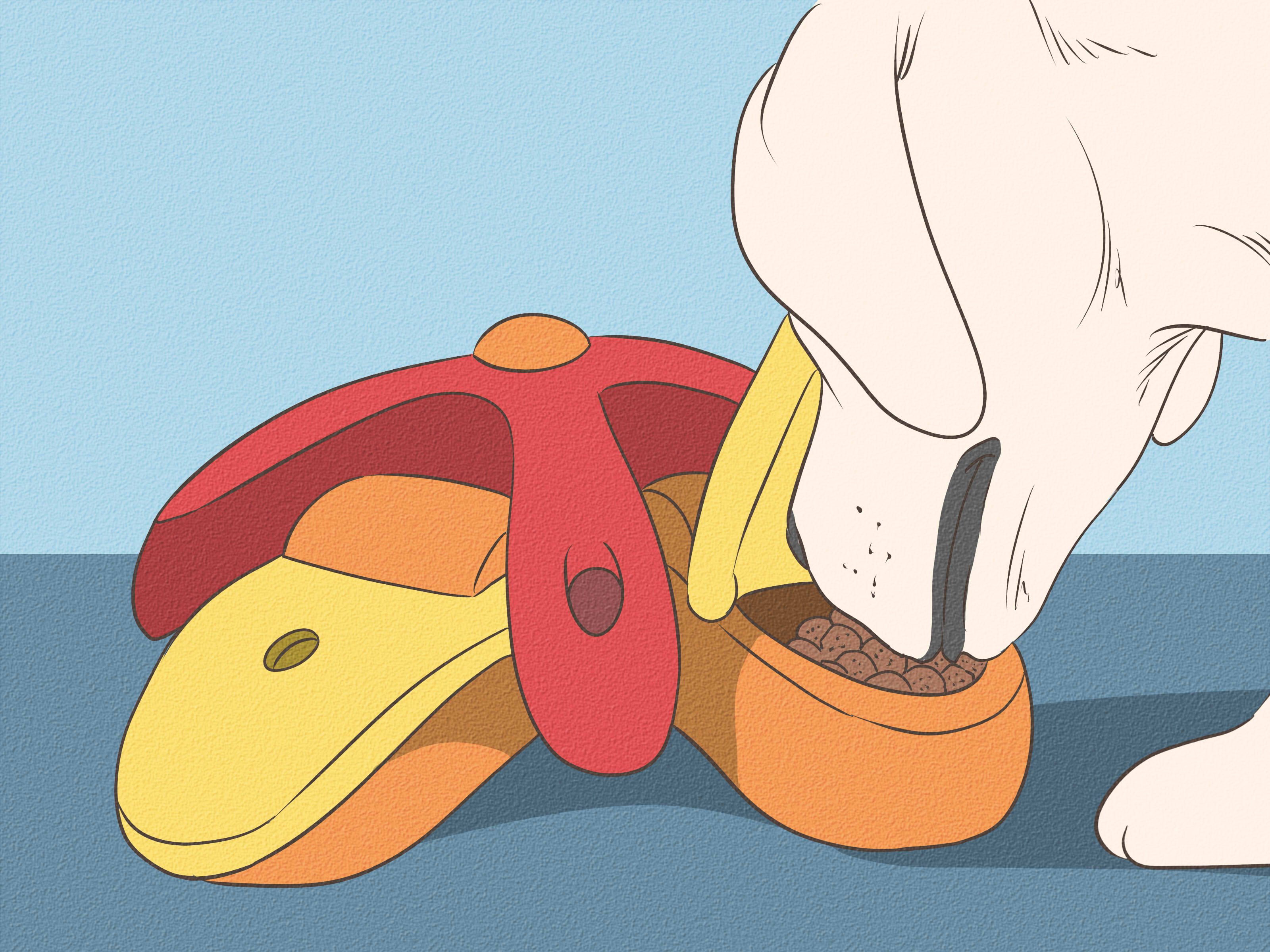
Offer a beginner puzzle feeder, snuffle mat, muffin tin puzzle, or treat-dispensing toy. Watch whether your dog experiments with different actions, sticks with the task, and learns from success. Smart problem-solvers often shift tactics instead of repeating the same move forever. Less flexible dogs may need an easier version first, and that is perfectly normal.
What it measures: Trial-and-error learning, persistence, cognitive flexibility.
Step 11: Test “Find the Toy” From Another Room
Show your dog a favorite toy, place it in another room while they watch, then bring them back after a short pause and say, “Find it.” Increase the challenge later by hiding it out of view. This combines memory, scenting, and task understanding. Dogs that stay on mission instead of abandoning the search to inspect your laundry basket are showing impressive mental control.
What it measures: Recall, object search, task persistence.
Step 12: Assess Self-Control With a Wait Test
Ask your dog to wait before taking a visible treat or going through a doorway. Intelligence is not just about solving problems. It is also about inhibitory control, which is a fancy way of saying, “Can you resist doing the obvious thing for five whole seconds?” Dogs that can pause, think, and respond on cue often do well in advanced learning tasks.
What it measures: Impulse control, attention, emotional regulation.
Step 13: Teach a New Trick and Count Repetitions
Pick an easy new behavior, such as spin, hand target, or paw. See how many repetitions it takes for your dog to start understanding the pattern. A quick learner is showing efficient association between cue, behavior, and reward. Just remember that prior training experience matters. A dog with lots of practice learning new tricks will have an advantage over a complete beginner.
What it measures: Learning speed, reward association, training readiness.
Step 14: Change One Detail in a Known Routine
If your dog usually finds dinner in one spot, place the bowl in a new but obvious location and watch how they respond. Or move a familiar toy to another safe area. Does your dog freeze, adapt quickly, or check with you for clues? Adaptability is a valuable sign of intelligence. Dogs that can update their expectations without melting into existential confusion tend to handle change well.
What it measures: Flexibility, resilience, problem-solving under mild novelty.
Step 15: Watch Recovery After a Mistake
This final step is less about the task and more about what happens after the task. If your dog chooses the wrong cup, misses the toy, or gets confused by a puzzle, do they keep trying calmly? Do they look to you for information? Do they switch strategies? Dogs that recover well from small errors often show strong persistence and emotional stability, which are incredibly important parts of functional intelligence.
What it measures: Resilience, frustration tolerance, adaptive learning.
How to Interpret Your Dog’s Results
After all 15 steps, total the score out of 30. A dog scoring in the high range may be especially strong in attention, memory, self-control, or problem-solving. A mid-range score often means the dog is doing well but may need clearer training, more repetition, or better motivation. A lower score does not mean your dog is unintelligent. It may mean the setup was too distracting, the rewards were not exciting enough, or the tasks did not match the dog’s strengths.
Look at patterns, not just points. A dog who crushes scent work but struggles with hand signals may be a nose-led problem-solver. A dog who nails gestures and eye contact may be especially socially tuned in. A dog who learns tricks fast but gets frustrated with puzzles may be highly trainable but less patient with independent tasks. That is useful information.
Also pay attention to age. Puppies are still developing attention and self-control. Adult dogs often perform more consistently. Senior dogs may do beautifully on familiar cues but struggle with memory or novelty. If an older dog shows sudden confusion, house-training regression, disrupted sleep, pacing, or major behavior changes, do not treat it as a quirky low score. Talk to your veterinarian.
Common Mistakes People Make When Testing Dog Intelligence
Expecting obedience to equal intelligence
A dog who responds instantly to cues may be highly trainable, but intelligence is broader than obedience. Independent problem-solving and social reading matter too.
Making the test too hard too fast
If the challenge is wildly frustrating, you are not measuring intelligence anymore. You are measuring your dog’s patience with your suspiciously ambitious project.
Ignoring stress signals
If your dog is panting, yawning repeatedly, licking lips, avoiding eye contact, freezing, or turning away, pause the test. A stressed dog is not giving you a fair sample of their abilities.
Comparing unlike dogs
A Border Collie, Beagle, Bulldog, and senior mixed breed may each shine in different ways. Breed history, personality, and life experience all matter.
Using punishment
Intelligence testing should never involve scolding, leash corrections, or pressure. Reward-based sessions build confidence and give you more accurate results.
How to Make Your Dog Smarter Over Time
If you enjoy these tests, turn them into regular enrichment. Rotate puzzle toys. Practice short training sessions. Play hide-and-seek. Teach object names. Use scent games. Build easy obstacle courses. Ask for eye contact before meals or walks. In other words, help your dog use their brain on purpose rather than reserving it exclusively for stealing socks.
Mental exercise is not just entertaining. It can improve confidence, reduce boredom, strengthen your bond, and give your dog more healthy outlets for natural behaviors. Dogs who think, explore, and learn tend to be more engaged companions. They also tend to look unbearably proud of themselves, which is honestly one of the best parts.
Real-World Experiences Testing Dog Intelligence
One of the most interesting things about testing a dog’s intelligence is how quickly it turns into a lesson about your dog, not dogs in general. For example, many owners expect the flashy tasks to reveal the most. They assume the smartest dog will ace the puzzle toy, learn a trick in three seconds, and possibly file taxes. But in real life, the most revealing moments are often small.
A dog may fail the three-cup game, then absolutely dominate a scent search by finding every hidden treat in record time. Another may ignore the treat puzzle completely, not because they cannot solve it, but because they are so socially tuned in that they would rather watch your face for the answer. Some dogs are independent thinkers. Others are collaborative thinkers. That difference says a lot about intelligence style.
Owners also notice that confidence changes everything. A shy rescue dog might perform poorly on day one, then score dramatically higher after a few weeks of trust-building and reward-based games. That does not mean the dog suddenly “became smart.” It means intelligence showed up more clearly once fear stepped out of the way. This is a huge reason experts emphasize keeping sessions short, positive, and low-pressure.
Senior dogs can be especially eye-opening. Many older dogs may move more slowly during a detour task or need extra time in a memory game, yet still show beautiful understanding of gestures, routines, and emotional cues. They may not win a speed round, but they often reveal a kind of seasoned wisdom that is easy to underestimate. Think less “game show champion,” more “retired professor who sees through everyone immediately.”
Then there are the comic overachievers. Plenty of dogs figure out that the test itself has rules. They begin anticipating patterns, watching your hands, or checking your eyes for hints. Some learn that if they bring any toy, they still get praise, which is technically a clever negotiation strategy. Others discover that sitting politely in front of the treat drawer may produce better results than solving your homemade puzzle contraption. Again, smart.
The biggest takeaway from real-life testing is that intelligence is not a single ladder with “genius” at the top and “goofball” at the bottom. Dogs can be brilliant in scent work, average in memory, excellent at reading emotions, and hilariously terrible at not stepping into the same cardboard box they just flipped over. That mix is normal.
So if you test your dog and find unexpected strengths, lean into them. If your dog loves nose work, do more scent games. If they respond brilliantly to gestures, practice visual cues. If they struggle with frustration, simplify the puzzle and celebrate small wins. The smartest thing you can do is use the results to build a better relationship. Your dog does not need to be the “smartest dog ever.” They just need the chance to learn, think, and feel successful with you.
Conclusion
Testing your dog’s intelligence can be fun, useful, and surprisingly heartwarming when you do it the right way. The goal is not to assign your pup a dramatic genius ranking. It is to discover how they think, what motivates them, and where their strengths really live. With these 15 steps, you can evaluate attention, memory, problem-solving, self-control, scenting, and social understanding in a way that is engaging and kind.
And once you know how your dog learns best, you can do something even better than testing intelligence: you can nurture it. That is where the real magic happens.