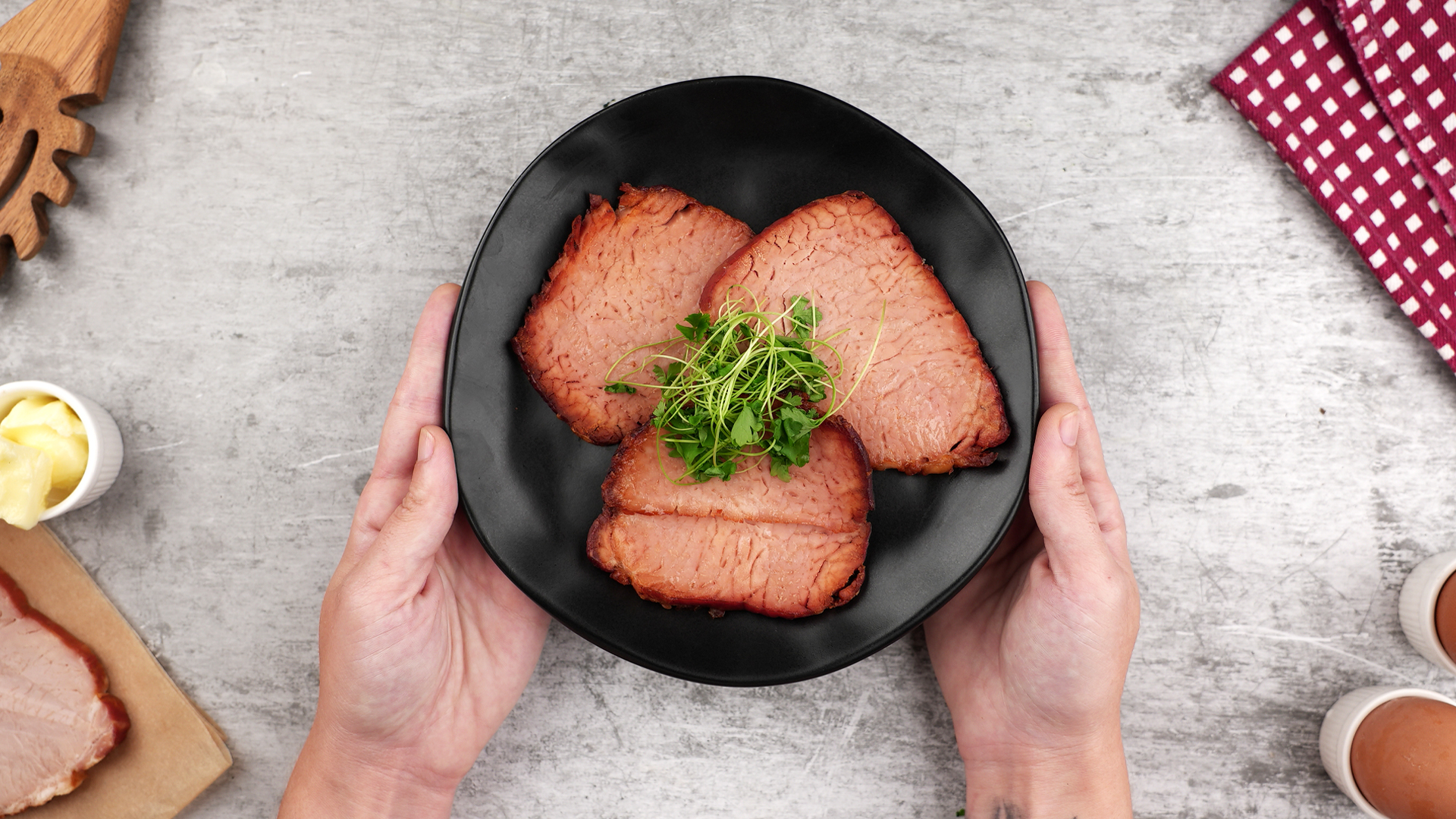
Canadian bacon is the overachiever of the breakfast-meat aisle. It is lean, smoky, neatly sliced, and usually fully cooked before it reaches your refrigerator. In other words, it does not need a long culinary spa treatment. It simply needs enough heat to become warm, lightly browned, and ready to improve an egg sandwich.
The challenge is that Canadian bacon can turn dry or rubbery when cooked like fatty American-style bacon. Because it comes from the pork loin rather than the belly, it contains much less fat. There is little grease to render and no realistic path to shatteringly crisp strips. Keep the cooking time short, and you will preserve its tender, ham-like texture.
This guide explains three reliable ways to cook Canadian bacon: in a skillet, in the oven, and in the microwave. Each method has a different advantage, from superior browning to batch-friendly convenience. Choose your method based on the number of slices, the texture you want, and how urgently breakfast needs to happen.
What Is Canadian Bacon?
In the United States, Canadian bacon generally refers to cured, smoked pork loin that has been formed or sliced into small round medallions. It tastes closer to lean ham than to traditional American bacon, which is usually cut from pork belly and contains more visible fat.
Most packaged Canadian bacon sold in American supermarkets is fully cooked and ready to eat. Heating improves its flavor and texture, but it is often not required for safety. Always read the package, however. A product labeled “fully cooked” or “ready to eat” only needs reheating, while one labeled “cook before eating” must be prepared according to its specific instructions.
Why It Cooks So Quickly
A typical slice is thin, lean, and already cooked during processing. Your job is therefore less like roasting raw pork and more like reheating a small piece of smoked ham. One or two minutes in a skillet may be enough. Leave it over the heat too long, and the edges can become leathery while the center loses moisture.
What Texture Should You Expect?
Properly heated Canadian bacon should be tender in the center with lightly caramelized spots around the surface or edges. It can become pleasantly crisp at the rim, but it will not behave like pork-belly bacon. Trying to force it into that role is how breakfast becomes a collection of salty poker chips.
Before You Start Cooking
Check the Label
Confirm whether the Canadian bacon is fully cooked. Also review the use-by date, storage directions, and any manufacturer-specific heating instructions. Package guidance should take priority because thickness, moisture, curing, and processing vary among brands.
Separate the Slices
Cold slices sometimes cling together. Separate them gently before heating so every piece makes contact with the pan, baking sheet, or plate. If the package is extremely cold, leaving it on the counter for five minutes can make separation easier. Do not leave meat at room temperature for extended periods.
Use Added Fat Sparingly
Canadian bacon is lean, so a dry nonstick skillet usually works well. A tiny amount of butter or neutral oil can improve browning, but too much makes the surface greasy without adding meaningful tenderness. Half a teaspoon is generally plenty for several slices.
Do Not Add Salt Automatically
Cured meats already contain sodium. Taste the Canadian bacon before adding salt to eggs, potatoes, sauces, or vegetables served alongside it. Mustard, black pepper, herbs, fruit, and acidic ingredients can provide contrast without turning breakfast into a salt lick.
Method 1: Cook Canadian Bacon in a Skillet
Skillet cooking is the best all-purpose method when you want warm Canadian bacon with visible browning. Direct contact with the hot pan develops more roasted flavor than the microwave, while the short cooking time helps the meat remain tender.
What You Need
- Canadian bacon slices
- A nonstick, stainless-steel, or well-seasoned cast-iron skillet
- Tongs or a thin spatula
- Optional butter, avocado oil, or another neutral cooking oil
Step-by-Step Instructions
- Place a skillet over medium heat and allow it to warm for about one minute.
- If your pan tends to stick, add a very thin film of butter or oil.
- Arrange the Canadian bacon in one layer. Do not stack or heavily overlap the slices.
- Cook for approximately one minute on the first side.
- Flip each slice and cook for another 30 to 60 seconds.
- Remove the bacon when it is heated through and lightly browned in spots.
Multiple cooking references use roughly one minute per side as a practical target for fully cooked Canadian bacon. Thickness and burner strength vary, so visual cues matter more than a heroic commitment to the stopwatch.
How to Improve Browning
Pat wet slices with a paper towel before cooking. Surface moisture creates steam, and steam is the sworn enemy of browning. A dry surface will color more quickly, reducing the chance that the meat dries out before it develops flavor.
Do not crowd the skillet. When too many cold slices enter the pan simultaneously, the temperature drops. Work in batches when necessary, especially with a small pan.
Flavor Variations
Brush the slices lightly with maple syrup during the final 20 seconds for a sweet glaze. For a savory version, add cracked black pepper or a thin coating of Dijon mustard. Keep sugary coatings brief because maple syrup and brown sugar can burn quickly against direct heat.
Best Uses for Skillet-Cooked Canadian Bacon
This method is ideal for eggs Benedict, breakfast sandwiches, avocado toast, omelets, breakfast burritos, and quick lunches. You can also brown diced Canadian bacon before stirring it into scrambled eggs or a vegetable hash.
Method 2: Cook Canadian Bacon in the Oven
The oven is the most convenient option for a family breakfast, brunch party, or meal-prep session. It heats several slices at once without requiring you to stand over a skillet flipping tiny circles while everyone else mysteriously asks when the food will be ready.
What You Need
- Canadian bacon slices
- A rimmed baking sheet
- Parchment paper or aluminum foil
- Optional wire cooling rack
Step-by-Step Instructions
- Preheat the oven to 400°F.
- Line a rimmed baking sheet with parchment paper or foil.
- Arrange the slices in a single layer with a little space between them.
- Bake for four to five minutes.
- Flip the slices and continue baking for another three to five minutes.
- Remove them when hot and lightly browned around the edges.
Depending on thickness, moisture, and your preferred degree of browning, the total oven time will usually be about eight to twelve minutes. Begin checking early because lean slices can progress from “pleasantly browned” to “breakfast coaster” with surprising enthusiasm.
Should You Use a Wire Rack?
A wire rack allows hot air to circulate beneath the slices and can promote more even drying around the edges. However, it is not essential. Canadian bacon releases relatively little grease, so placing it directly on lined sheet metal works well and makes cleanup easier.
How to Make Maple-Glazed Canadian Bacon
Mix one tablespoon of maple syrup with half a teaspoon of Dijon mustard and a pinch of black pepper. Brush the mixture lightly over the slices during the last two minutes of baking. Watch closely, since the sugar can darken fast.
Best Uses for Oven-Cooked Canadian Bacon
Oven heating is useful when preparing breakfast sliders, brunch platters, sheet-pan meals, pizzas, casseroles, and multiple sandwiches. It is also the easiest method when you need to keep your stovetop available for eggs, pancakes, potatoes, or hollandaise sauce.
Method 3: Cook Canadian Bacon in the Microwave
The microwave is the fastest method and the obvious choice for rushed mornings, office kitchens, dorm rooms, and those moments when washing a skillet feels like an unreasonable demand from society.
The tradeoff is texture. Microwaved Canadian bacon becomes hot and tender, but it usually develops little browning. Excessive microwave time can also make the edges tough. Short intervals are the secret.
What You Need
- Canadian bacon slices
- A microwave-safe plate
- Paper towels or a microwave-safe cover
Step-by-Step Instructions
- Line a microwave-safe plate with a paper towel.
- Place the slices in one layer without overlapping them.
- Cover loosely with another paper towel.
- Microwave one to three slices on high for about 20 to 30 seconds.
- Check the temperature and continue in 10-second intervals if needed.
- Let the slices stand for 15 seconds before eating, since heat continues to distribute after the microwave stops.
Microwave power differs considerably between machines, which is why incremental heating is safer than selecting a long cooking time and hoping for a breakfast miracle. Some manufacturers specifically favor stovetop heating because microwave results are less predictable.
How to Prevent Rubbery Canadian Bacon
Do not pile slices on top of one another. Stacking encourages uneven heating, leaving some areas cool while others become tough. Use medium power if your microwave is especially strong, and stop as soon as the center is warm.
Can Microwaved Canadian Bacon Become Crispy?
It can dry and firm around the edges, but it will not develop the same browned surface created by a skillet. To combine speed with better texture, microwave the slices for 15 to 20 seconds and then sear them briefly in a hot skillet. This is only worthwhile when saving approximately 40 seconds feels like a major personal victory.
Best Uses for Microwaved Canadian Bacon
Use it in a quick English muffin sandwich, breakfast wrap, chopped salad, instant oatmeal with a savory topping, or a fast plate of eggs. It also works well when the bacon will be covered with cheese or sauce and surface browning is less important.
Which Cooking Method Is Best?
| Method | Approximate Time | Texture | Best For |
|---|---|---|---|
| Skillet | 2–3 minutes | Tender with browned spots | Best overall flavor and small batches |
| Oven | 8–12 minutes | Evenly heated with firmer edges | Large batches and brunch |
| Microwave | 20–60 seconds | Soft and hot with little browning | Fast meals and minimal cleanup |
For two or three slices, choose the skillet. For ten or twelve slices, use the oven. For one sandwich that needed to leave the house three minutes ago, salute the microwave and proceed.
Common Canadian Bacon Cooking Mistakes
Cooking It Like Raw Pork-Belly Bacon
Traditional bacon may require several minutes to render its fat and become crisp. Canadian bacon usually needs only reheating and browning. Long cooking removes moisture from the lean pork loin and makes it chewy.
Using Heat That Is Too High
A screaming-hot skillet can scorch the outside before the center warms. Medium heat provides more control, particularly when the Canadian bacon contains sugar in its curing mixture.
Expecting a Large Amount of Rendered Fat
Do not wait for a pool of bacon grease to appear. Canadian bacon is much leaner than belly bacon. If you need fat for cooking eggs or potatoes, add a little butter or oil separately.
Overcrowding the Pan
Overcrowded slices steam rather than brown. Use a larger skillet or cook in batches.
Adding Too Much Salt to the Meal
Canadian bacon, cheese, bread, sauces, and packaged potatoes may all contain sodium. Build balance with fresh tomatoes, fruit, leafy greens, herbs, or unsalted eggs rather than seasoning every component aggressively.
Easy Ways to Serve Canadian Bacon
Classic Eggs Benedict
Place skillet-browned Canadian bacon on toasted English muffin halves, add poached eggs, and finish with hollandaise sauce. The lean, smoky pork provides the savory center of this American brunch classic.
Breakfast Sandwiches
Layer Canadian bacon with an egg and melted cheese on an English muffin, biscuit, bagel, or toasted sourdough. Add tomato, spinach, avocado, or hot sauce for more flavor and texture.
Pizza and Flatbread
Canadian bacon is already cooked, so it can be added directly to pizza before baking. Pair it with pineapple for the familiar sweet-and-savory combination, or use mushrooms, peppers, red onion, jalapeños, and mozzarella.
Scrambles, Omelets, and Frittatas
Dice the bacon into small pieces and brown it briefly before adding eggs. Because it is salty and smoky, a modest quantity can flavor the entire dish.
Salads and Grain Bowls
Warm Canadian bacon works surprisingly well with spinach, arugula, roasted vegetables, apples, pears, lentils, quinoa, or potatoes. A mustard vinaigrette provides enough acidity to balance the meat.
Storage, Reheating, and Food-Safety Tips
Keep unopened Canadian bacon refrigerated and follow the date printed on the package. After opening it, close the package securely or transfer the slices to an airtight container. Follow the manufacturer’s directions for how quickly the opened product should be used.
Refrigerate cooked leftovers promptly. Perishable foods should not remain at room temperature for more than two hours, or more than one hour when the surrounding temperature is above 90°F. Refrigerated leftovers are generally best used within three to four days.
Reheat only the amount you plan to eat. Repeated heating and cooling gradually reduces moisture and quality. A few seconds in the microwave or about one minute in a skillet is normally enough for refrigerated, fully cooked slices.
Canadian bacon is a processed meat and can contain significant sodium, even though it is typically leaner than traditional bacon. Enjoy it as a flavorful component rather than the entire meal, and balance it with vegetables, fruit, whole grains, or other minimally processed foods.
Practical Kitchen Experience: What the Three Methods Actually Feel Like
Cooking instructions can make every method sound equally wonderful. Real kitchens are less diplomatic. The skillet, oven, and microwave produce noticeably different results, and understanding those differences helps you choose correctly before hunger begins making executive decisions.
The Skillet Experience
In a typical home-kitchen test, the skillet produces the most appetizing Canadian bacon. The slices make immediate contact with the hot surface, and within a minute, pale pink areas begin developing golden-brown spots. The aroma becomes smokier and slightly sweeter as the exterior warms.
The biggest surprise for cooks accustomed to regular bacon is the lack of grease. The pan may remain almost dry. That is normal, not evidence that breakfast has malfunctioned. A small pat of butter can help with browning, but too much overpowers the clean pork flavor.
The skillet also gives the cook precise control. A thinner slice can be removed early, while a thicker one remains in the pan for another 20 seconds. This makes pan cooking especially useful when slices are uneven. The downside is attention: walk away to pour coffee, and the edges may become tough before you return.
The Oven Experience
The oven feels slower at first because preheating takes longer than the actual heating of the bacon. Once the pan goes in, however, the process becomes pleasantly hands-off. This is the method that makes sense when six people want breakfast at the same time and each person has apparently requested a different style of egg.
Oven-cooked slices tend to heat evenly, especially when arranged with space between them. The surfaces may not brown as deeply as skillet-cooked Canadian bacon unless they remain in the oven longer. Unfortunately, the longer they bake, the more moisture they lose. The ideal stopping point is when the edges have darkened slightly but the centers still bend without cracking.
A light maple-and-mustard glaze works particularly well in the oven because the coating can caramelize without immediately sticking to a skillet. Use a thin layer. A thick coating creates sticky puddles around the slices and can burn before the meat is ready.
The Microwave Experience
The microwave delivers exactly what it promises: speed. A few slices can be hot before the toast finishes. The smell is mild, the plate is easy to clean, and there is no pan demanding attention afterward.
Texture is the compromise. Microwaved Canadian bacon remains soft and can feel slightly springy. At the correct cooking time, that softness is pleasant in a sandwich. After an extra 20 or 30 seconds, however, the edges begin tightening and the center can become rubbery. This is why short intervals matter.
Covering the slices with a paper towel reduces moisture on the plate and prevents splatters. Still, the microwave will not create the roasted flavor of a skillet. Cheese, mustard, hot sauce, or a toasted English muffin can compensate when convenience matters more than browning.
The Most Useful Lesson
The best method depends less on culinary prestige and more on context. A skillet is the winner for flavor, the oven is the winner for quantity, and the microwave is the winner when time is measured in seconds. Canadian bacon is forgiving when heated briefly, but it punishes unnecessary cooking. Stop once it is hot, lightly colored, and still flexible.
Conclusion
Learning how to cook Canadian bacon is mostly an exercise in restraint. Because most packaged varieties are already fully cooked, you are warming and browning the meat rather than cooking it from raw.
Use a skillet for the best caramelized flavor, an oven when preparing a large batch, or a microwave when breakfast needs to happen immediately. Whichever method you choose, keep the slices in one layer, use moderate heat, and stop before the lean pork dries out.
Once heated properly, Canadian bacon can upgrade eggs Benedict, breakfast sandwiches, pizzas, omelets, salads, grain bowls, and casseroles. It may not crackle like belly bacon, but it brings smoky flavor without requiring a grease-management strategy worthy of a municipal engineering department.